

We may earn a commission when you buy through links on this page, at no extra cost to you. Learn more.
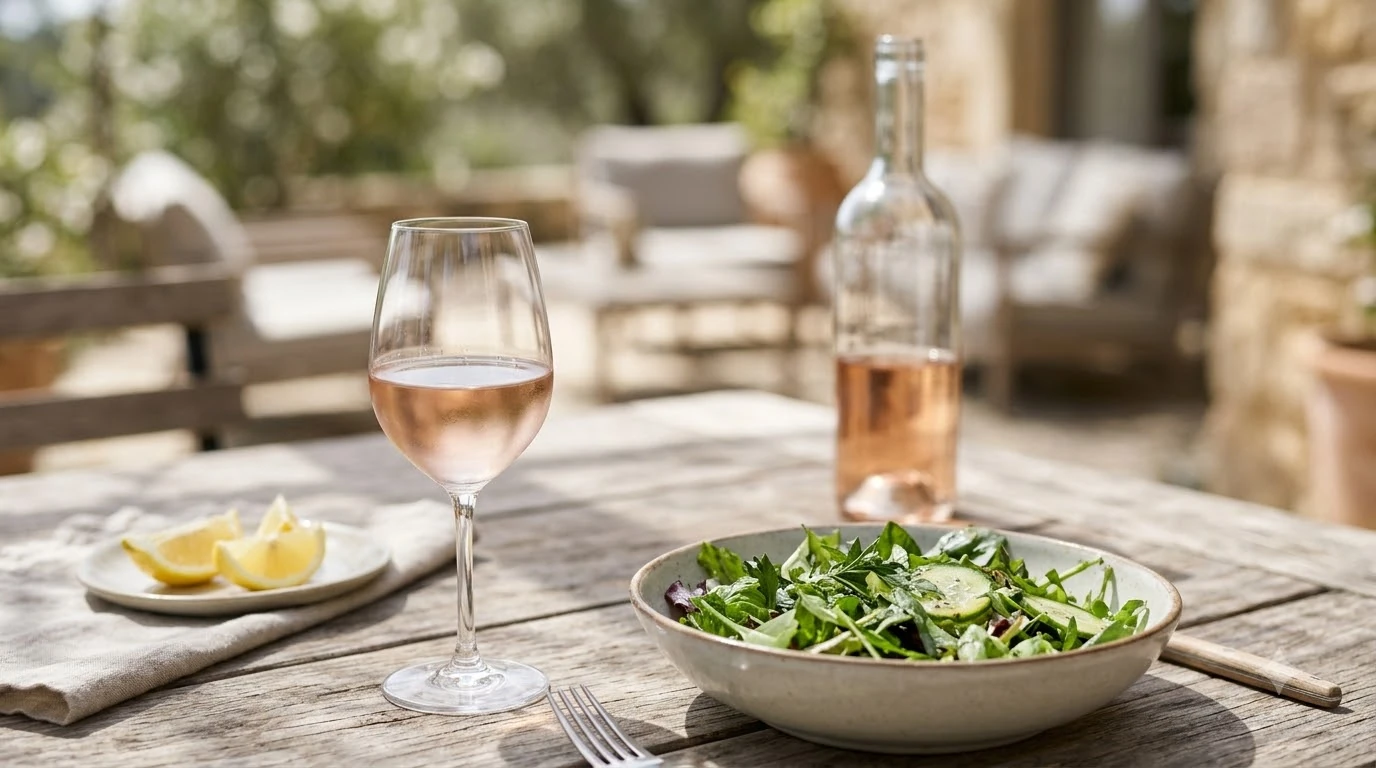
If you are wondering what is tavel, it is a dry, full-bodied rosé wine made exclusively in the Tavel appellation of France’s southern Rhône Valley. Unlike pale, featherweight pink wines from neighboring Provence, Tavel has a deep ruby-pink color, firm structure, and rich red-berry flavors achieved through extended grape-skin contact. Recognized as France’s first rosé-only Appellation d’Origine Contrôlée in 1936, it blurs the line between a refreshing pink wine and a light red.
Because Tavel brings genuine weight, subtle tannins, and alcohol levels reaching up to 14.5% ABV, wine drinkers often treat it as a year-round dinner wine rather than a poolside summer sipper. Understanding how it is made, what grapes go into the blend, and how to serve it will help you get the most out of every bottle.
What Is Tavel Wine?
Tavel is a protected French wine appellation (AOC) located on the right bank of the Rhône River, just across the water from Châteauneuf-du-Pape, that produces rosé wine and nothing else. Every bottle labeled Tavel must be a dry pink blend crafted under strict regional winemaking laws.
While the broader Wine by Type landscape divides bottles neatly into crisp whites, delicate rosés, and structured reds, Tavel intentionally sits in the middle. According to the official Inter Rhône appellation profile, the region gained AOC status in 1936—the very same year as Châteauneuf-du-Pape—cementing its reputation as one of France’s premier wine crus. If a local winemaker produces a red or white wine from the exact same vineyards, they are legally forbidden from calling it Tavel and must bottle it under the neighboring Lirac appellation instead.
The secret behind Tavel’s signature style lies in its winemaking process, often referred to as méthode Taveloise. Rather than pressing red grapes immediately after harvest to keep the juice pale, Tavel producers let the crushed juice macerate with the dark grape skins for 12 to 48 hours before fermentation. Winemakers also combine free-run juice with heavier press wine, extracting deeper pigments, phenolic grip, and savory complexity without leaving behind residual sugar.
That commitment to dry, structured pink wine has earned Tavel a loyal following over centuries. Historical records note that 14th-century popes residing in nearby Avignon favored the region’s ruby-tinged wines, and 20th-century figures like Ernest Hemingway praised its bold character. Today, the appellation spans roughly 780 to 930 hectares of vineyards, remaining small enough that quality-focused family estates still dominate production.
Flavor Profile and Blending Grapes
In the glass, Tavel shows off a luminous, deep salmon to bright ruby-pink hue that immediately signals intensity, followed by aromas of ripe strawberries, black cherries, stone fruit, and crushed herbs. On the palate, it feels round, fleshy, and mouth-coating, finishing with bright acidity, subtle tannic grip, and hints of white pepper or flint.
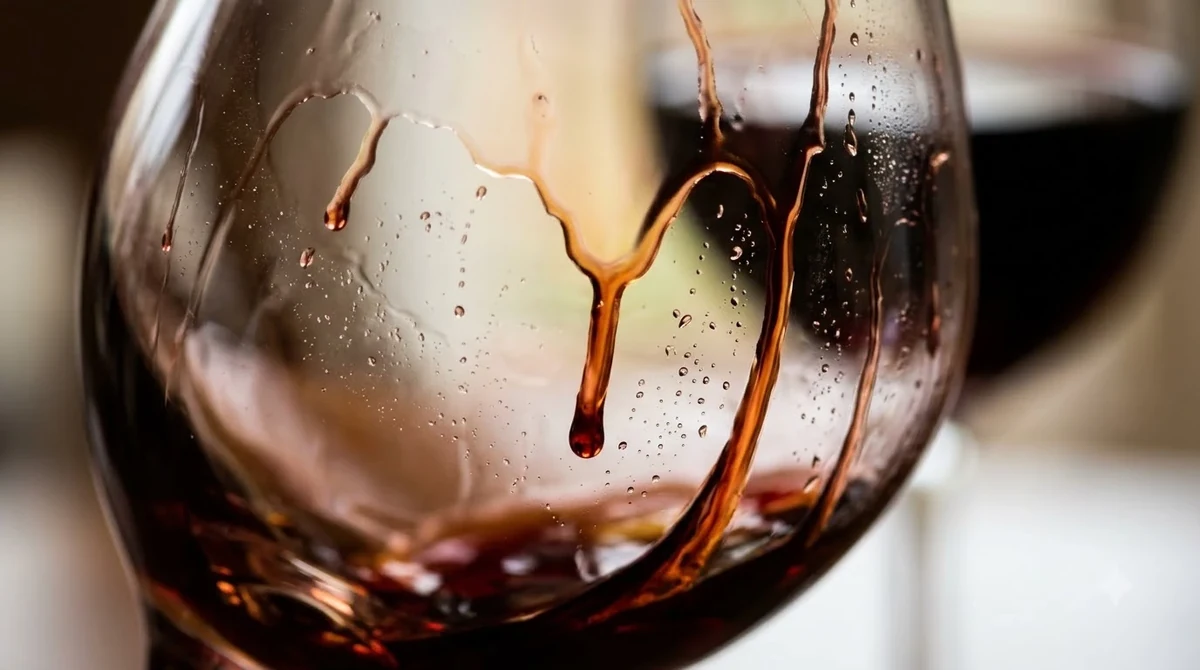
By law, Tavel is always a blend, with no single grape variety permitted to make up more than 60% of the final wine. Grenache Noir serves as the backbone of nearly every bottle, contributing plush red-berry fruit, warmth, and body. Winemakers balance Grenache’s generosity with Cinsault for floral lift and freshness, Syrah and Mourvèdre for dark fruit and spice, and traditional southern Rhône varieties like Carignan and Calitor.
Surprisingly to many newcomers, white wine grapes also play a vital supporting role in Tavel blends. Varieties such as Clairette Blanche, Clairette Rose, Bourboulenc, and Picpoul are co-fermented or blended alongside the red grapes to boost natural acidity, floral aromatics, and minerality. Reviewers at Wine Folly describe classic Tavel as “the red wine lover’s rosé,” noting how notes of watermelon, roses, and wet stone keep the wine lively despite its generous weight.
Tavel also stands apart from almost every other rosé because of its ability to evolve in the cellar. While young bottles burst with fresh raspberry and cherry character during their first two years, well-made examples aged for three to five years develop savory nuances of toasted almonds, dried herbs, and warm baking spice. As the wine matures, its vivid ruby-pink color gradually shifts toward warm amber and topaz tones.
| Attribute | Tavel AOC Rosé | Typical Provence Rosé |
|---|---|---|
| Color | Deep salmon, ruby-pink, or light red | Pale blush, onion skin, or pastel pink |
| Body & Texture | Full-bodied, fleshy, light tannic grip | Light-bodied, crisp, sleek |
| Alcohol (ABV) | 11% minimum, commonly 13.5%–14.5% | 11.5%–13% |
| Primary Grapes | Grenache, Cinsault, Syrah, Mourvèdre, Clairette | Grenache, Cinsault, Rolle (Vermentino), Syrah |
| Cellar Potential | 2 to 5 years | 1 to 2 years (best drunk young) |
Where Tavel Grows: Terroir and Climate
Tavel’s vineyards sit in the Gard département of France’s southern Rhône Valley, basking in a warm Mediterranean climate tempered by the brisk, dry Mistral wind. This combination ripens thick-skinned red grapes thoroughly while keeping vineyard canopies healthy and preserving essential natural acidity.
The commune enjoys roughly 2,700 hours of sunshine each year alongside low rainfall, conditions that easily push alcohol levels between 13.5% and 14.5% ABV—the legal ceiling for the appellation. Because the fierce Mistral wind sweeps down the Rhône corridor regularly, it cools the grapes after scorching summer afternoons and prevents fungal diseases, allowing many local growers to farm organically without heavy intervention.
Beneath the vines lies a patchwork of three distinct soil types that give Tavel its layered personality. Closer to the village, flat sandy and rocky soils produce fragrant, approachable wines with bright red fruit. On the western hillsides, broken white limestone slabs known locally as lauzes force vine roots deep underground, yielding linear, mineral-driven bottlings with sharp focus.
To the east, moving toward the Rhône River, the vineyards are blanketed in galets roulés—large, smooth quartzite cobblestones identical to those found in Châteauneuf-du-Pape. These rounded stones absorb intense daytime solar heat and radiate it back onto the grape clusters at night, producing the richest, most full-bodied expressions of Tavel.
How to Serve Tavel
Serve Tavel slightly warmer than a crisp white wine, ideally between 50°F and 55°F (10°C to 13°C), to let its complex aromatics and textured palate open up. Serving it straight from an ice-cold refrigerator mutes its red-berry depth and emphasizes any light tannic bitterness.
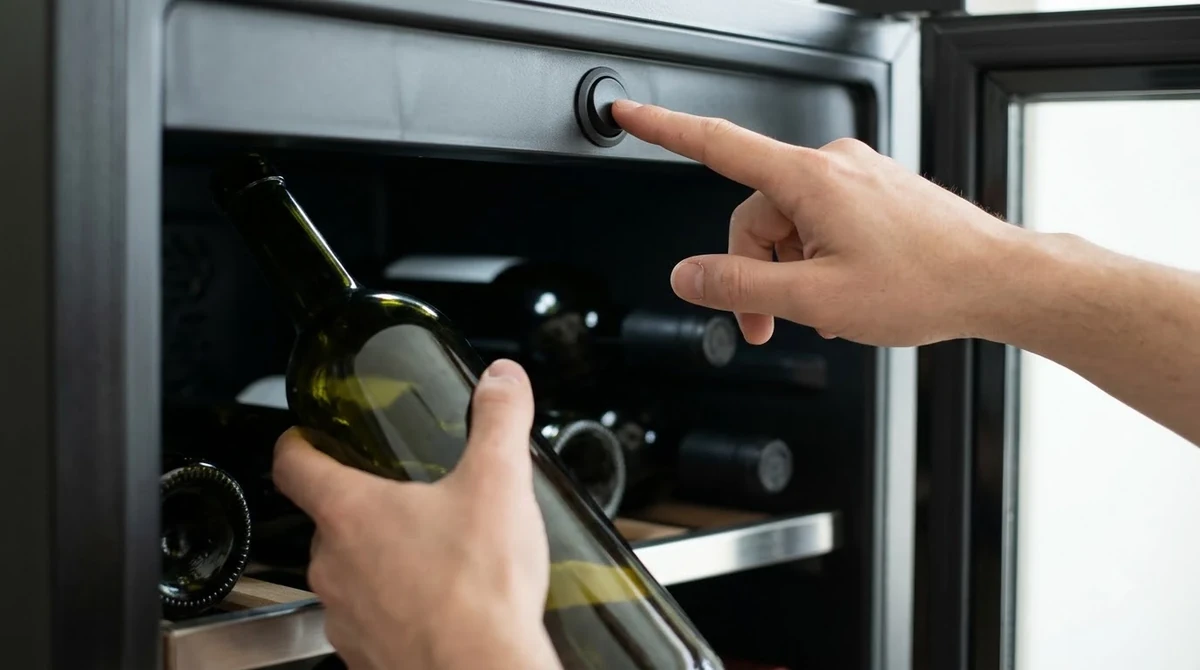
To hit that sweet spot at home, pull the bottle from your refrigerator 20 to 30 minutes before pouring, or chill a room-temperature bottle in the fridge for about 90 minutes. As the wine warms slightly in the glass over the course of a meal, subtle notes of garrigue herbs, stone fruit, and spice emerge that stay completely hidden at near-freezing temperatures.
Skip narrow, small-bowled rosé glasses and pour Tavel into a standard white wine glass or even a medium-sized Burgundy stem. A wider bowl gives this full-bodied rosé room to breathe, concentrating its floral and berry bouquet while allowing the wine to aerate. If you open a young, structured bottle from a warm vintage, giving it 15 to 20 minutes in a decanter can soften its grip even further.
Tip: Treat Tavel like a chilled Pinot Noir or Beaujolais rather than a patio rosé—if it feels tight on the first pour, let it sit in your glass for ten minutes to unfold.
Best Food Pairings for Tavel
Thanks to its full body, dry finish, and subtle tannins, Tavel handles rich, savory, and spiced dishes that would easily overwhelm a lighter pink wine. It bridges the gap at the dinner table when half the guests are eating grilled seafood and the other half ordered roasted meats.
Mediterranean classics are natural companions for Tavel’s sun-ripened fruit and herbal edge. Pair it with saffron-infused seafood paella, garlicky bouillabaisse, ratatouille, or grilled lamb chops crusted with rosemary and thyme. Its brisk acidity cuts cleanly through olive oil, charcuterie boards, and aged sheep’s milk cheeses without clashing with salty or smoky flavors.
Tavel also excels alongside cuisines with moderate heat and aromatic spices, where high-tannin red wines can turn harsh or metallic. North African lamb tagines, tandoori chicken, barbecue pork ribs, and wood-fired pizza all find balance against Tavel’s ripe strawberry and raspberry core. For even more specific meal ideas and seasonal menus, check out our guide to tavel food pairing.
Because of this versatility, Tavel has become a go-to holiday bottle for Thanksgiving and autumn gatherings. It pairs effortlessly with roast turkey, cranberry sauce, stuffing, and glazed ham all on the same plate—a feat few single-color wines can pull off.
How to Choose a Great Bottle of Tavel
Look for estate-bottled Tavel from recent vintages—ideally within one to three years of harvest—if you want vibrant red fruit and lively freshness. When browsing wine shop shelves, check the label for terms like Mis en Bouteille au Château or au Domaine, which indicate the producer grew and bottled their own grapes.
Several benchmark estates consistently define the appellation’s top tier and are widely imported into the United States. Producers such as Château d’Aquéria, Domaine de la Mordorée, Château de Trinquevedel, Domaine Maby, and Prieuré de Montézargues showcase the range of Tavel, from silky, floral styles to dense, age-worthy cuvées grown on stony soils.
Pay attention to the alcohol percentage listed on the back label as a quick clue to a bottle’s style. Wines around 13% to 13.5% ABV tend to lean fresher, brighter, and more mineral-driven, while bottles pushing 14% to 14.5% ABV deliver opulent, mouth-filling texture closer to a light red wine. If you enjoy exploring lesser-known regional specialties with strong food-pairing chops, you might also appreciate reading about crisp Portuguese arinto wine or Spain’s historic airen grape.
Frequently Asked Questions
Is Tavel wine sweet or dry?
Tavel is completely dry, with virtually no residual sugar despite its deep ruby-pink color and lush strawberry aromas. The dark hue comes entirely from letting the juice soak with red grape skins before fermentation, not from sweetness.
Why is Tavel darker than other rosé wines?
Winemakers in Tavel use a traditional maceration method that keeps crushed red grapes in contact with their skins for 12 to 48 hours and blends in heavier press wine. Most other French rosés press the grapes immediately after harvest, resulting in a much paler pink color.
Does Tavel only make rosé wine?
Yes, Tavel is the only appellation in France’s Rhône Valley dedicated exclusively to rosé production. If a local winery produces red or white wine from vineyards inside the commune, French wine law requires them to label it under a different appellation, such as Lirac or Côtes du Rhône.
Can you age Tavel rosé?
Unlike most rosés meant to be drunk within a year of release, Tavel’s structure, alcohol, and natural acidity allow top bottles to age gracefully for three to five years. Over time, bright berry flavors soften into savory notes of toasted almond, dried herbs, and spice.
Whether you are a dedicated red wine drinker looking for a warm-weather alternative or a rosé fan ready for more complexity at the dinner table, Tavel delivers unmatched depth in a pink glass. Pick up a bottle from a reputable southern Rhône estate, chill it lightly, and serve it alongside your next hearty meal.
More in Wine Types & Grapes
 Zinfandel Sugar Content: Dry Red vs. White Zinfandel GramsUpdated Nov 21, 2026
 Best Zinfandel Substitute Options for Sipping and CookingUpdated Nov 21, 2026
 Zweigelt Food Pairing: Best Dishes, Cheeses, and Serving TipsUpdated Nov 21, 2026
 Zinfandel Tannins Explained: How Structure Shapes Every BottleUpdated Nov 21, 2026
 Zinfandel Sweetness Level: Dry Red vs. Sweet White Zin ExplainedUpdated Nov 21, 2026
 Xinomavro Food Pairing: Best Dishes, Styles, and Serving TipsUpdated Nov 21, 2026