

We may earn a commission when you buy through links on this page, at no extra cost to you. Learn more.
Can you mix red and white wine? Yes, and the blend is safe to drink, but it tastes different from either wine on its own. The color shifts toward rosé, the tannin softens, and the flavor lands somewhere between the two styles. Whether the mix works depends on the wines you choose and how much of each you pour.
This article explains what happens when red and white wine meet in one glass or one pitcher. It also covers the cases where blending is intentional, such as rosé and sangria, and offers practical advice for storing a leftover mix.
What Happens When You Mix Red and White Wine?
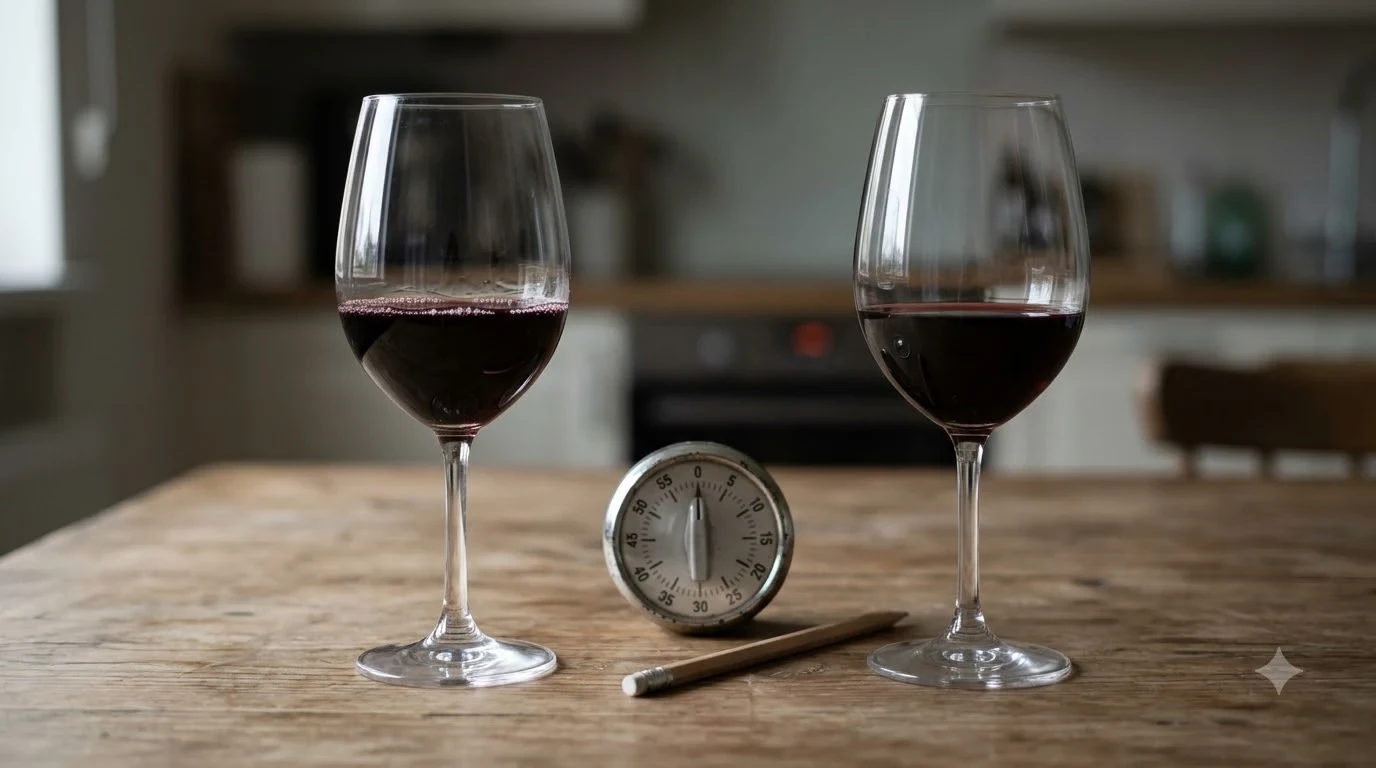
Mixing the two wines produces a pink or blush-colored drink. The color comes from the red, which carries the pigment that comes out of grape skins. Even a small splash of red can tint a large amount of white.

The flavor changes too. Red wines usually bring more tannin and a darker fruit character, while white wines bring higher acidity and a lighter, crisper profile. The stronger wine tends to dominate the overall taste, so a bold red can overpower a delicate white very quickly.
Think of the result as a new drink rather than a mistake. Many people enjoy the softer middle ground, especially on a warm afternoon when a full-bodied red feels heavy.
Why Winemakers Blend Red and White Grapes
Winemakers already control color by deciding how long the juice stays in contact with the grape skins. According to the Hamilton College Spectator feature on red, white and rose wine, some rosé wines are made by letting the juice touch the skins only briefly, while others are made by mixing white and red wines.
That means blending is a recognized winemaking method, not a shortcut invented at home. The same feature notes that red wine is made by fermenting the juice with the skins, while white wine is fermented without them. Red fermentation runs warmer, at roughly 70 to 80 degrees Fahrenheit, and finishes in two to five days, while white ferments cooler, between 45 and 65 degrees, over a longer period.
Those differences explain why a home blend can feel unbalanced. The two wines were built with different structures, so the proportions matter. A producer who blends carefully controls tannin, acidity and color in the finished bottle. A home pourer can get close by tasting in small steps.
Does Mixing Red and White Wine Affect Taste?
Yes, the taste shifts noticeably, and tannin is the biggest change. Tannin comes mainly from grape skins, adds structure, and helps some wines age. In excess, it makes a wine bitter and drying on the palate, which is why heavy reds can feel rough to some drinkers.
Adding white wine to red dilutes that tannin, so the blend often feels softer and easier to drink. Adding red to white does the reverse, bringing more grip, depth and a darker fruit note. Start with a small amount of red and taste as you go, since a little goes a long way.
Acidity also plays a role. White wines usually show brighter acidity, which keeps the blend lively. If the red is low in acid, the mix can taste flat, so a crisp white with clear acidity often makes a more refreshing result.
| Mix | Color | Likely taste |
|---|---|---|
| Mostly white with a splash of red | Pale pink | Crisp, light, with soft red fruit |
| Equal parts | Rosé to light red | Balanced, medium body, moderate tannin |
| Mostly red with a splash of white | Deep ruby | Softer and fruitier, with less tannin |
Is It Safe to Mix Red and White Wine?
Mixing red and white wine is generally safe, since both are fermented grape drinks. The main concerns are practical, such as how strong the final drink is and whether guests expect a single style.
The alcohol level of a blend falls roughly between the two wines it contains. If the bottles differ in strength, the mix will land in the middle. Check the label of each bottle for its alcohol content, or the producer’s website if the label is unclear, before you plan a large pitcher.
Sulfites are another common question. Winemakers add them as a preservative, and most wines contain some, whether red or white. Blending does not add a new category of ingredient, so the mix carries the same kind of preservative as the originals. If you have a sensitivity to sulfites, read the label before you pour.
Keep the drink at a responsible strength, pace yourself, and never drink and drive. Water and food slow the pace of drinking, which helps when you are serving a blend that tastes lighter than it really is.
Best Ways to Mix Red and White Wine
The best blends are intentional ones. Rosé is the classic example, and a homemade blush works on the same principle. Pour a little red into a glass of dry white, taste, and add more only if the balance still needs it.
Choose wines that are both dry or both medium in style, since a sweet red paired with a bone-dry white can taste out of step. Lighter reds blend more smoothly with crisp whites than heavy, tannic reds do. A light-bodied red is usually the safer choice for a first attempt.
Serve the blend chilled. According to the Wikipedia entry on wine, red wines are traditionally served at a cool room temperature, while whites are chilled. A blend sits between those two, so lightly chilling it keeps the fruit fresh and the tannin in check. Avoid letting the glass sit in direct sun, because warmth brings out alcohol and softens the freshness.
Mixing Wine for Sangria and Wine Cocktails
Sangria is the most common reason people mix red and white wine on purpose. A pitcher might combine red wine, a white wine, chopped fruit and a splash of juice or a spirit. The fruit and extra liquid carry much of the flavor, so the wines should be dry and fresh rather than premium bottles.
When making a pitcher, add the fruit first and let it sit for a while so it releases its juice into the wine. Chill the mix before serving, and add any sparkling element, such as soda water, just before pouring so the bubbles stay lively. Taste the base before you add sweetener, since the fruit may already provide enough sugar.
Wine cocktails are forgiving, which makes them a good starting point for a casual gathering. Keep the proportions simple and the garnish fresh. A balanced blend with clean fruit tastes better than a heavy mix that hides both wines.
Tips for Storing Leftover Mixed Wine
A leftover blend is more fragile than an unopened bottle. Once wine is open, air reaches it and oxidation begins, which dulls fruit and flattens flavor. Cover the mix tightly, keep it in the refrigerator, and plan to finish it within a day or two.
Heat and light are the other enemies. Wine stored warm or in direct light loses quality faster, and the Wikipedia wine entry notes that ideal storage sits near 12 to 13 degrees Celsius with humidity of 65 to 70 percent. A refrigerator is colder than that, which slows decline, but it is still the best place for a short-term blend. If the drink includes fresh fruit, remove the fruit before storing, since it can turn soft and bitter after a day.
When you put the blend back in the refrigerator, pour it into a smaller container if you can. Less air in the container means less oxidation, and a quick taste before serving tells you whether the drink still works.
Tip: If you plan to blend at home, pour a small test glass first. You can always add more of one wine, but you cannot take it back out.
Frequently Asked Questions
Does mixing red and white wine ruin it?
No, mixing does not ruin the wine in a safety sense. The result simply tastes different from either wine alone. Many people enjoy the softer, blended character, especially when they start with a small amount of red.
What color does red and white wine make?
The mix usually turns pink or blush, and the exact shade depends on the proportions. A little red produces a pale tint, while equal parts give a deeper rosé. The red wine supplies almost all of the color.
Is rosé just red and white wine mixed?
Not always. Some rosé is made by briefly letting red grape juice touch the skins, while others are made by blending red and white wine. Both methods are recognized winemaking approaches, and the result depends on the producer.
How long does a mixed wine last?
A mixed wine is best within a day or two when kept tightly covered in the refrigerator. Oxygen causes it to fade over time. Check the labels of the original bottles for any storage guidance from the producer.
Mixing red and white wine is simple, and the results can be enjoyable when the proportions are right. For more background on how wine is made and why red and white differ, read the Wine Q&A section. If you travel with a bottle, check whether you can bring wine on a plane before you pack.
More in Wine Basics
 Which Rose Is Best for Your Taste, Budget, and Food PairingsUpdated Nov 21, 2026
 Is Cheap Wine Bad? How to Find Bottles Worth DrinkingUpdated Nov 21, 2026
 What To Write On A Wine Gift Tag: Thoughtful Messages For Every OccasionUpdated Nov 21, 2026
 Which Wine Is Best For Weight Loss? Compare Lower-Calorie ChoicesUpdated Nov 21, 2026
 What Is The Best Wine For Mimosas? Choose Bubbly That Balances Orange JuiceUpdated Nov 20, 2026
 Which Prosecco Is Best for Your Taste and OccasionUpdated Nov 20, 2026