

We may earn a commission when you buy through links on this page, at no extra cost to you. Learn more.
Paul Hobbs wine comes from a California winemaker who has built his reputation on single-vineyard bottlings, minimal intervention and carefully farmed sites in Sonoma, Napa and New York. The brand spans several labels, from his namesake estate wines to the more approachable Crossbarn line. Knowing which label you are holding helps you set expectations on style, price range and how long to keep the bottle.
This guide explains who Paul Hobbs is, how his wineries and vineyard projects fit together, and which bottles are worth a closer look. It also covers where to find the wines, how they compare with everyday brands, and how to serve and store them well.
Who Is Paul Hobbs?
Paul Hobbs is a winemaker who established his namesake winery in 1991. According to the brand’s own description, he built the company around a vision of sustainability and a belief in minimal intervention in the cellar, paired with careful attention in the vineyard. That philosophy shows up across the portfolio, from the estate chardonnay to the cabernet sauvignon.
Hobbs also founded Crossbarn in 2000 to honor his family’s farming heritage. The Crossbarn label focuses on a lively, youthful style and draws fruit from vineyards across Sonoma and Napa counties. If you see a bottle with his name on the front, check the back label to learn whether it comes from the estate program or from the Crossbarn project.
The brand’s story is personal as well as commercial. Hobbs has linked his winemaking to a family farm, and that link explains why sustainable agriculture appears so often in his materials. For a buyer, the practical takeaway is simple: the wines are built around specific sites, so the vineyard name on the label tells you more than the grape alone.
Paul Hobbs Wineries and Vineyard Projects
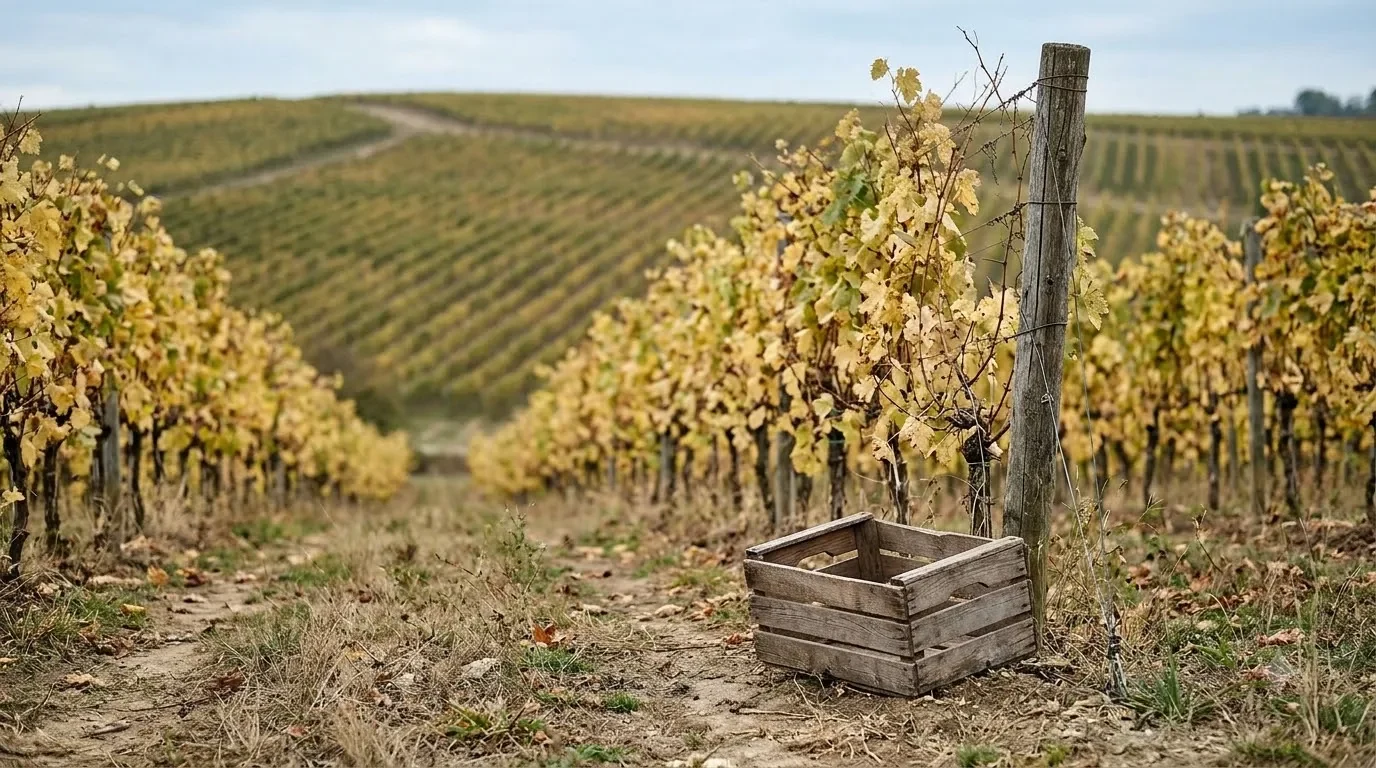
The Paul Hobbs project covers several wineries and sites rather than one estate. The winery says its vineyards stretch across the Russian River Valley, the West Sonoma Coast and Napa Valley, including both owned estates and sites farmed with long-term partner growers. This spread lets the winemaker match grape varieties to the climate each site offers.
Among the owned estates, the sizes vary a great deal. The Goldrock Estate is listed at 58.81 planted acres, while the Edward James Estate is listed at 5 planted acres. The Nathan Coombs Estate in the Coombsville sub-appellation of Napa Valley is listed at 67.53 planted acres, and it serves as the flagship site. The Katherine Lindsay Estate, the home site of the winery, is listed at 13.3 planted acres in the Laguna Ridge area.
Outside California, the Hillick & Hobbs project focuses on Riesling in the Finger Lakes region of New York. The brand says it was founded in 2013 and named for Hobbs’s parents. For readers who only know the California labels, that project shows how the winemaker applies the same site-driven approach to a cooler region. You can review the winery’s own estate vineyard list on the winery website for the full set of sites.

Signature Paul Hobbs Wines to Try
The signature wines are the single-vineyard and appellation bottlings from the estates, which typically feature chardonnay, pinot noir and cabernet sauvignon. The Crossbarn line offers a more accessible way to taste the same philosophy. Start with the variety that matches your palate, then move to the estate-designated bottles once you know what you like.
| Wine or site | Style or variety | What the source highlights |
|---|---|---|
| Crossbarn Sonoma Coast Chardonnay | Chardonnay | Sourced from Sonoma Coast fruit under the Crossbarn label |
| Crossbarn Sonoma Coast Pinot Noir | Pinot noir | A cooler-climate pinot from the Sonoma Coast |
| CrossBarn Napa Valley Cabernet Sauvignon | Cabernet sauvignon | A Napa Valley cabernet with a lighter, fruit-forward approach |
| Goldrock Estate | Pinot noir and chardonnay | A cool, maritime site about five miles from the Pacific |
| Nathan Coombs Estate | Cabernet sauvignon and Bordeaux varieties | A Coombsville site with rocky, volcanic soils |
| Hillick & Hobbs | Riesling | Finger Lakes estate wines on steep slate slopes |
Among the estate bottles, the Coombsville cabernet and the Sonoma Coast pinot noirs are often discussed as the most distinctive. The sources describe the Coombsville soils as contributing a mineral tension to the wine. Pinot noir from the cool Russian River and Sonoma Coast sites is described as fresh and aromatic. Check current vintage details on each producer’s page, because availability changes as of Nov 2026.
Where to Find and Buy Paul Hobbs Wines
Most Paul Hobbs wines are sold through a mix of retailers and direct channels, and availability is limited for many single-vineyard bottlings. The brand’s own shop page says the wines are offered in the United States through listed access points, and it invites buyers to ask where a bottle can be found near them. Because allocations change from year to year, a bottle that is easy to find one season may be scarce the next.
When you shop, look at the vintage, the vineyard designation and the appellation on the label. A vineyard-designated bottle is more specific than a broad appellation wine, and that specificity often matters to collectors. Retailers may also list older vintages, so confirm the release year before you buy. Compare the vintage on the shelf with the listings on the brand’s US shop page for the winery’s wines.
For the prices, check the retailer or the winery directly, since prices shift with vintage and demand. Shipping rules also vary by state, so confirm that your state allows wine to be delivered to your door before you order. Buying from a reputable merchant that handles age and delivery checks protects you and the bottle.
How Paul Hobbs Compares to Other Wine Brands
Paul Hobbs sits in the premium and small-production part of the market, where the focus is on a specific vineyard or appellation. Everyday brands are built for consistency across large volumes, and they usually aim for a familiar taste at a lower cost. Both approaches have a place on a dinner table, but they serve different goals.
If you are comparing with a value brand, the difference is mostly in the site and the scale. A brand like 14 Hands Hot to Trot wine is known for approachable, widely available bottles. Paul Hobbs bottles usually ask you to think about where the grapes were grown, which is a more specialized question. For a lighter, easy-drinking option from a similar category, the Avaline white wine page offers a different style to consider.
The Crossbarn line is the most natural bridge between the two worlds. It keeps the sustainable, minimal-intervention approach while aiming for everyday drinking. If you enjoy the Crossbarn style, you can then explore more of the brand’s estate wines. For a wider look at how producers differ, the Wine Brands section covers the main categories.
Serving, Storing and Food Pairings for Paul Hobbs Wine
Serving temperature and storage make a real difference with premium bottles. Chardonnay and pinot noir should be served slightly below room temperature, while cabernet sauvignon tastes best a little cooler than the warm room where many people keep it. The exact temperature depends on the style, so check the producer’s notes on each bottle before you open it.
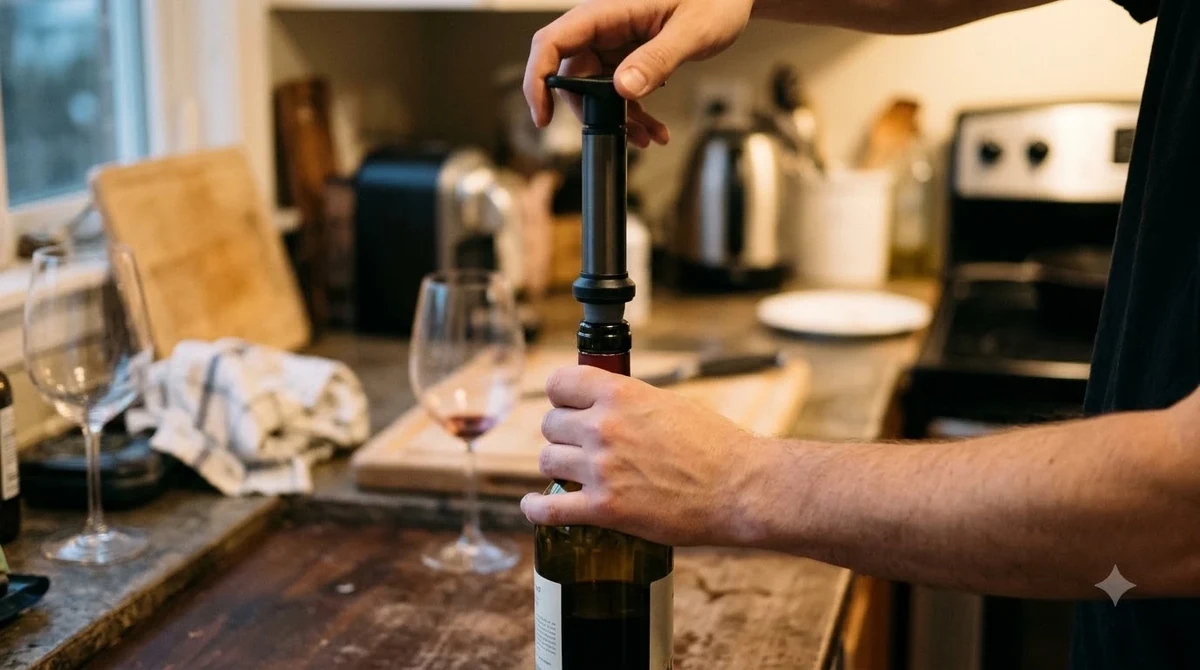
Store bottles on their side in a cool, dark place with steady temperatures. Avoid storing them near heat sources or in a kitchen where temperatures swing. Serve cabernet in a large glass to let it open up, and give pinot noir a bit more room to breathe in a mid-size glass. Chill chardonnay lightly, and avoid over-chilling, which can mute its fruit.
For food, match the weight of the wine to the dish. Pinot noir pairs well with roasted salmon, mushrooms and roast chicken. Cabernet sauvignon suits grilled red meat and aged cheeses. Chardonnay from cooler sites works with roasted poultry, creamy pasta and lightly seasoned seafood. Enjoy these wines in moderation, and plan for responsible drinking, especially with a bottle that deserves full attention.
Frequently Asked Questions
Who makes Paul Hobbs wine?
Paul Hobbs wine is made by the winemaker Paul Hobbs, who founded his namesake winery in 1991. He also established Crossbarn in 2000. The brand includes estate vineyard wines in California and a Riesling project in the Finger Lakes region of New York.
What is the difference between Paul Hobbs and Crossbarn?
Paul Hobbs covers the estate and vineyard-designated wines, which focus on specific sites. Crossbarn is a line created to honor the family farm, with a more lively and youthful style. Check the label to see which line a bottle belongs to.
Which Paul Hobbs wine should a beginner try first?
Many people start with a Crossbarn bottling because it offers a clear view of the house style at a more approachable level. Choose the variety you already enjoy, such as chardonnay, pinot noir or cabernet sauvignon. Then explore the estate bottlings once you know your preferences.
Where can I buy Paul Hobbs wine?
Paul Hobbs wines are sold through retailers and the brand’s listed access points in the United States. Availability changes by vintage and region, so check the winery’s shop page or contact the brand for locations near you. Confirm your state’s rules for wine delivery before ordering.
Paul Hobbs wine rewards readers who pay attention to vineyard sites and vintage details. Start with a bottle that matches your favorite variety, then move up to estate wines as you learn their style. For more background on producers, visit the Wine Brands section and compare what you find.
More in Wine Brands
 Underwood Wine Price: Compare Bottles, Cans, and Pack SizesUpdated Nov 21, 2026
 Zenato Wine Price: Compare Styles and Choose the Right BottleUpdated Nov 21, 2026
 Zuccardi Wine Price: Compare Bottles and Find the Right RangeUpdated Nov 21, 2026
 Yellow Tail Moscato Review: Taste, Sweetness and Serving TipsUpdated Nov 21, 2026
 Wolf Blass Yellow Label Review: Choose Your Best StyleUpdated Nov 21, 2026
 Wolffer Estate Rose Review: Choose the Right Bottle for Your TableUpdated Nov 21, 2026