

We may earn a commission when you buy through links on this page, at no extra cost to you. Learn more.
Oyster Bay Pinot Noir is a red wine from the Marlborough region of New Zealand, known for juicy berry and cherry fruit and a soft, easy-drinking style. Pinot Noir is a thin-skinned grape that originated in Burgundy, and this bottling shows how the variety performs in a cool New Zealand climate. Its fruit-forward profile makes it a practical choice for American buyers who want a Pinot Noir for everyday dinners.
This guide explains where Oyster Bay Pinot Noir comes from, what it tastes like, how it compares with other Pinot Noirs, and which foods and serving methods bring out its best qualities. It also covers how to buy and store a bottle, so you can decide whether it fits your table.
What Is Oyster Bay Pinot Noir?
Oyster Bay Pinot Noir is a single-varietal red wine made from Pinot Noir grapes. The wine is produced under the Oyster Bay label, which belongs to the Delegat Group in New Zealand. Pinot Noir is the grape behind many of the world’s most prized red Burgundies, so a bottle labeled with this grape tells you the wine is built around light body, bright acidity and red fruit rather than heavy tannin.
Pinot Noir is a demanding grape to grow. According to Wine Spectator’s grape overview, the variety is early-budding and early-ripening, with thin skins. Sites where it thrives can face tough growing conditions, which leads to careful fruit selection and lower yields. Those factors are one reason high-quality Pinot Noir often costs more than many other red wines, so an Oyster Bay bottling is a useful way to taste the grape without a premium price tag.
Many American shoppers see the Oyster Bay name in wine shops and wonder whether it has any link to seafood. It does not. The brand name shares a word with the shellfish, but the wine and the mollusk are unrelated.
Where Oyster Bay Pinot Noir Is Made
The wine comes from Marlborough, the largest wine region on New Zealand’s South Island. Wine Spectator lists the 2021 Oyster Bay Pinot Noir under the New Zealand and Marlborough region, which tells you the fruit grows in a cool, maritime setting rather than a warm inland valley. Cool conditions tend to preserve acidity and freshness, which suit a grape like Pinot Noir.
The Delegat family has deep roots in New Zealand winemaking. The Wikipedia entry on Croatian New Zealanders notes that Croatian families such as Delegat helped build the country’s wine industry, and it lists Jim and Rosemari Delegat as the owners of the Delegat Group, which sells the Delegat and Oyster Bay labels. That history explains why the brand is so closely tied to New Zealand wine rather than to any single vineyard you could visit.

Because the label names a broad region, you should not expect one specific vineyard character in every vintage. Check the back label or the producer’s current information for the vintage on the bottle, since the flavor can shift from year to year with weather and harvest conditions.
Flavor Profile and Tasting Notes
Oyster Bay Pinot Noir leads with fruit. The Wine Spectator 2021 Marlborough listing describes tangy berry and cherry notes that feel round and juicy in the glass. For most drinkers, that means red cherry, raspberry and a touch of tart berry, with a smooth texture rather than a dry, grippy finish.
Like most Pinot Noir, the wine is lighter in body than Cabernet Sauvignon or Malbec. You will notice more acidity and less chewy tannin, which makes it easy to drink on its own before a meal. Some bottles also show gentle earthy or savory notes, but the fruit usually stays in front.
| Aspect | What to expect |
|---|---|
| Main fruit | Red cherry, berry and juicy red fruit |
| Body | Light to medium, not heavy or syrupy |
| Tannin | Soft and smooth rather than firm |
| Acidity | Bright and fresh, helping the wine feel lively |
| Finish | Fairly short, with lingering fruit |
These traits make the wine approachable for newer red wine drinkers. If you usually prefer white wine, the bright acidity may feel familiar, while the red fruit gives you the depth that many white drinkers look for when they move into reds.
How Oyster Bay Pinot Noir Compares to Other Pinot Noirs
Pinot Noir varies widely by region, and the same grape can taste very different from Burgundy, Oregon, California or New Zealand. Oyster Bay sits in the fruit-forward, cool-climate camp, which means it usually tastes brighter and more direct than a rustic, earthy Pinot from an older European estate.
Compared with other everyday Pinot Noirs from the New World, the wine tends to show a similar profile: ripe red fruit, moderate body and smooth tannins. Where it may differ is in the sharper acidity typical of cool New Zealand sites. Shoppers who want richer, plusher fruit may prefer a warmer-climate Pinot from California, while those who like freshness and a lean finish may favor the Marlborough style.
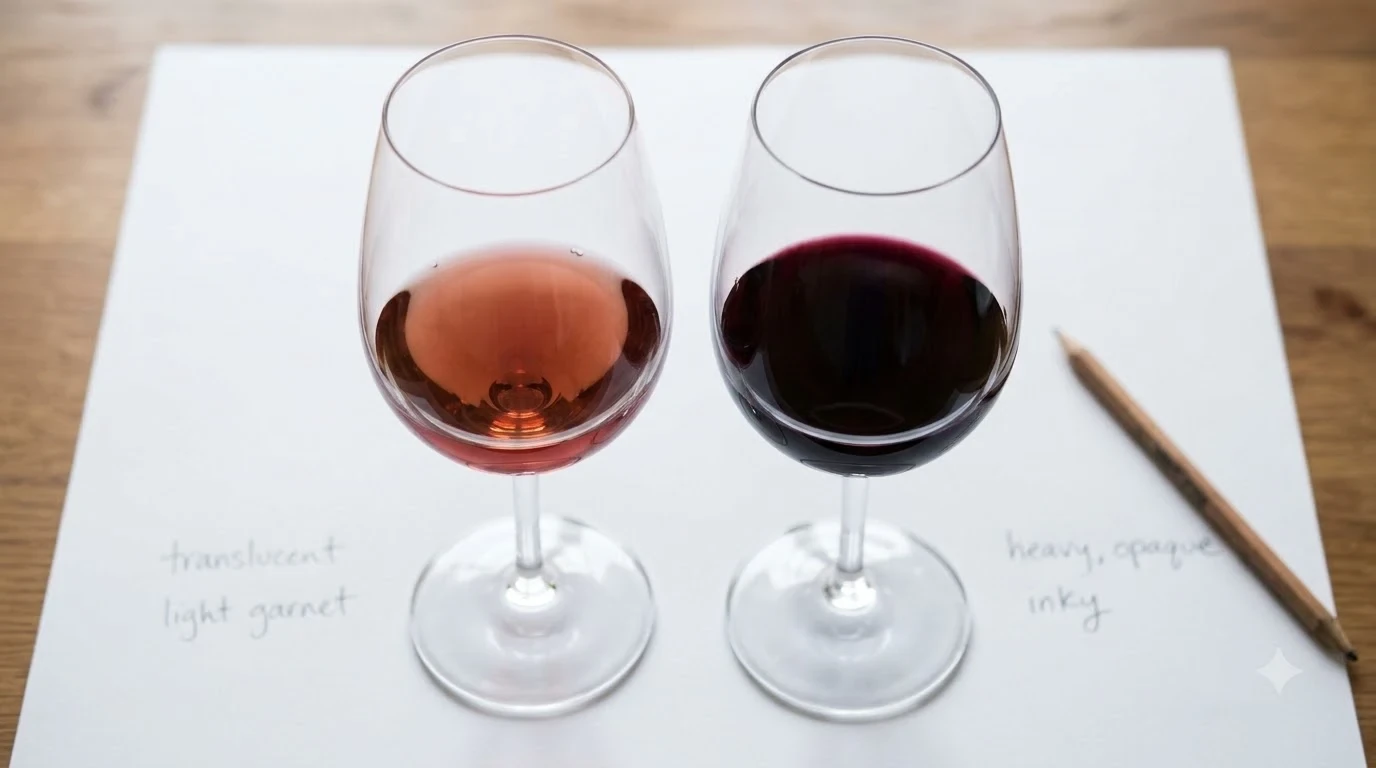
Comparisons are easiest when you taste two bottles side by side. Pick a Pinot Noir from another region, pour both at the same temperature and note the fruit, acidity and length. Your own palate will tell you more than any general description, and you can use the same method when you compare Oyster Bay with a bottle you already know.
Best Food Pairings
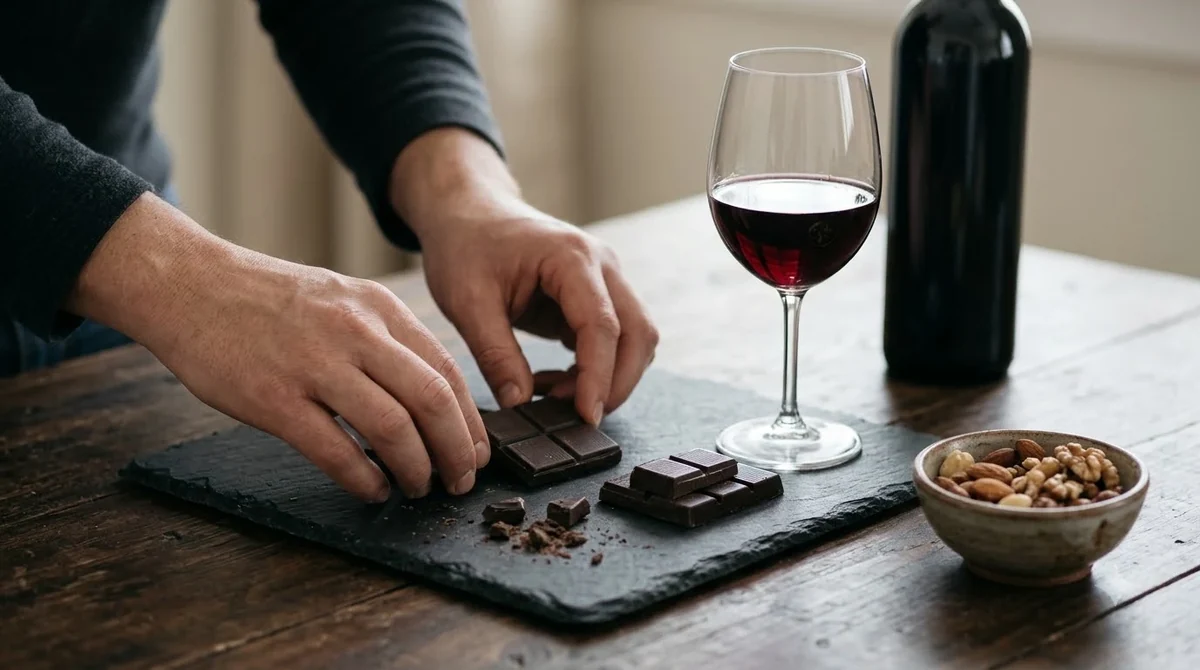
Oyster Bay Pinot Noir pairs well with foods that share its moderate weight and bright acidity. Grilled salmon, roast chicken, mushroom dishes and tomato-based pasta are reliable choices. The wine’s fruit balances savory and herbal flavors without overwhelming the plate.
Seafood is an interesting case. Wikipedia’s oyster article notes that raw oysters are often served with a mignonette made from dry white wine, lemon juice or sherry vinegar, which signals why white wine is the traditional match for shellfish. A red Pinot Noir can work with richer, cooked seafood such as salmon, tuna steak or seared scallops, but it is a poor partner for briny raw oysters.
For cheese, try softer styles such as Brie, aged Gouda or mild goat cheese. Avoid very sharp blues with this wine, since their intensity can flatten the fruit. A simple charcuterie board with cured meats and cherries also makes a good match because the wine repeats the fruit notes already on the plate.
Serving Temperature and Glassware
Serving temperature changes how any Pinot Noir tastes. Serve Oyster Bay slightly cooler than room temperature, which keeps the fruit fresh and prevents the alcohol from feeling prominent. A short time in the refrigerator before pouring is usually enough for most red wines of this style.
Glassware also matters. A medium-sized glass with a wide bowl lets the aromas open, while a narrower opening keeps the fruit concentrated. Avoid oversized glasses that fill only halfway, since you will lose the aromatic benefit and the wine will warm faster in the hand.
If the wine tastes flat or overly warm, chill it for a short time before drinking. If it tastes tight and sharp, let it sit in the glass for several minutes so the aromas can develop. Check the bottle’s label or the producer’s website for any specific serving guidance for the vintage you have.
How to Buy and Store Oyster Bay Pinot Noir
Oyster Bay Pinot Noir is widely distributed, so you can usually find it at larger wine shops, grocery stores with a wine section and online retailers that ship to your state. Prices vary by retailer and region, so compare shelf prices in person or on retailer sites before you commit. Stock and availability can also change from season to season.
Storage matters more for a light red than many shoppers expect. Follow these steps to keep the wine in good condition after you bring it home:
- Store the bottle in a cool, dark place away from heat sources such as ovens and sunny windows.
- Keep the bottle on its side if it has a cork, so the cork stays moist.
- Refrigerate the bottle for a short time before serving rather than keeping it chilled for long periods.
- Once opened, recork the bottle and refrigerate it, then drink it within a few days for the best fruit.
If you plan to keep a bottle for longer than a short cellaring period, check the producer’s information for guidance on the vintage. Most Oyster Bay bottlings are made to drink young, so buying the current release is usually the practical choice. For more ideas on wines from the same producer, the guide to Oyster Bay white wine covers the brand’s whites and how they compare.
Frequently Asked Questions
Is Oyster Bay Pinot Noir a dry wine?
Yes, Oyster Bay Pinot Noir is a dry red wine. Its fruit is expressed as juicy berry and cherry flavors rather than sweetness. Most drinkers find it smooth and fruit-forward, with a light to medium body and soft tannins.
Where is Oyster Bay Pinot Noir made?
The wine is made in the Marlborough region of New Zealand, according to Wine Spectator’s listing for the 2021 bottling. Marlborough is on the South Island and has a cool climate that suits the Pinot Noir grape, which is thin-skinned and early-ripening.
Can I serve Oyster Bay Pinot Noir with fish?
Yes, especially richer fish such as salmon or tuna. Raw oysters are traditionally paired with white wine or mignonette sauce rather than red wine. For a red with seafood, choose cooked dishes that have some body and savory flavor.
How should I store an opened bottle?
Recork the bottle and keep it in the refrigerator. Drink it within a few days for the freshest fruit. Light reds like Pinot Noir lose their brightness faster than bold reds, so do not leave the bottle on the counter after opening.
Oyster Bay Pinot Noir is a practical introduction to New Zealand Pinot Noir, with bright fruit and an easygoing style. If you want to explore more options, the Wine Brands section covers other producers you can compare. Try the bottle with a simple dinner and see whether its fruit-forward style suits your taste.
More in Wine Brands
 Underwood Wine Price: Compare Bottles, Cans, and Pack SizesUpdated Nov 21, 2026
 Zenato Wine Price: Compare Styles and Choose the Right BottleUpdated Nov 21, 2026
 Zuccardi Wine Price: Compare Bottles and Find the Right RangeUpdated Nov 21, 2026
 Yellow Tail Moscato Review: Taste, Sweetness and Serving TipsUpdated Nov 21, 2026
 Wolf Blass Yellow Label Review: Choose Your Best StyleUpdated Nov 21, 2026
 Wolffer Estate Rose Review: Choose the Right Bottle for Your TableUpdated Nov 21, 2026