

We may earn a commission when you buy through links on this page, at no extra cost to you. Learn more.
La Rioja Alta wine comes from La Rioja Alta, S.A., a traditional Spanish bodega in Haro known for long-aged Rioja reservas and gran reservas. The winery was founded in 1890 by five local families, and its best-known bottles are built mostly on the Tempranillo grape. These wines are made to age slowly, so they often show more complexity than younger Rioja styles.
This guide explains what makes La Rioja Alta wine distinctive, how its history shapes the bottles you see on shelves, and how to read a label so you know what you are buying. It also covers food pairings, serving, and simple storage habits that help these wines show their best side.
What Is La Rioja Alta Wine?
La Rioja Alta wine is the output of a single Spanish winery rather than a general regional style. The producer, La Rioja Alta, S.A., sits in the Station District of Haro, in the Rioja region of northern Spain. When people search for the name, they usually want to know about the winery’s signature reservas and gran reservas, which are the bottles that built its reputation.
The winery’s range includes several named wines, such as Gran Reserva 890, Gran Reserva 904, Viña Ardanza, Viña Arana and Viña Alberdi. Each has its own blend and style, so the name on the bottle tells you a lot. According to the winery’s profile on the Rioja regional council’s winery directory, these labels reflect the personality of the house more than any single vintage.
If you are new to the brand, think of La Rioja Alta as a classic house style. The wines tend to be elegant and structured, with an emphasis on balance and aging rather than bold fruit. That approach is why many collectors and restaurant lists still feature them alongside other traditional Spanish bottles.
History, Founding and the Rioja Grapes
The winery traces its roots to 1890, when five families founded the Sociedad Vinícola de La Rioja Alta. According to the Spanish Wikipedia-style history summarized in English, the founders included local growers whose families still hold a major share of the company. In 1904, Alfredo Ardanza merged the group with his own winery, which shaped the house that exists today.
The winery’s flagship names carry historical references. Gran Reserva 890 and Gran Reserva 904 are named for those founding and merger years, with the first digit left out to avoid confusion with a vintage year. That naming detail is one of the easiest ways to recognize the brand on a shelf.
Grapes matter just as much as history. Tempranillo is the main variety across the winery’s vineyards, and it gives Rioja its backbone. Other native grapes, including Graciano, Mazuelo and Garnacha, add color, structure and aromatic lift. The winery says it owns its own vineyards in the best areas of Rioja, which lets it select fruit closely and produce wines mainly in the strongest vintages.
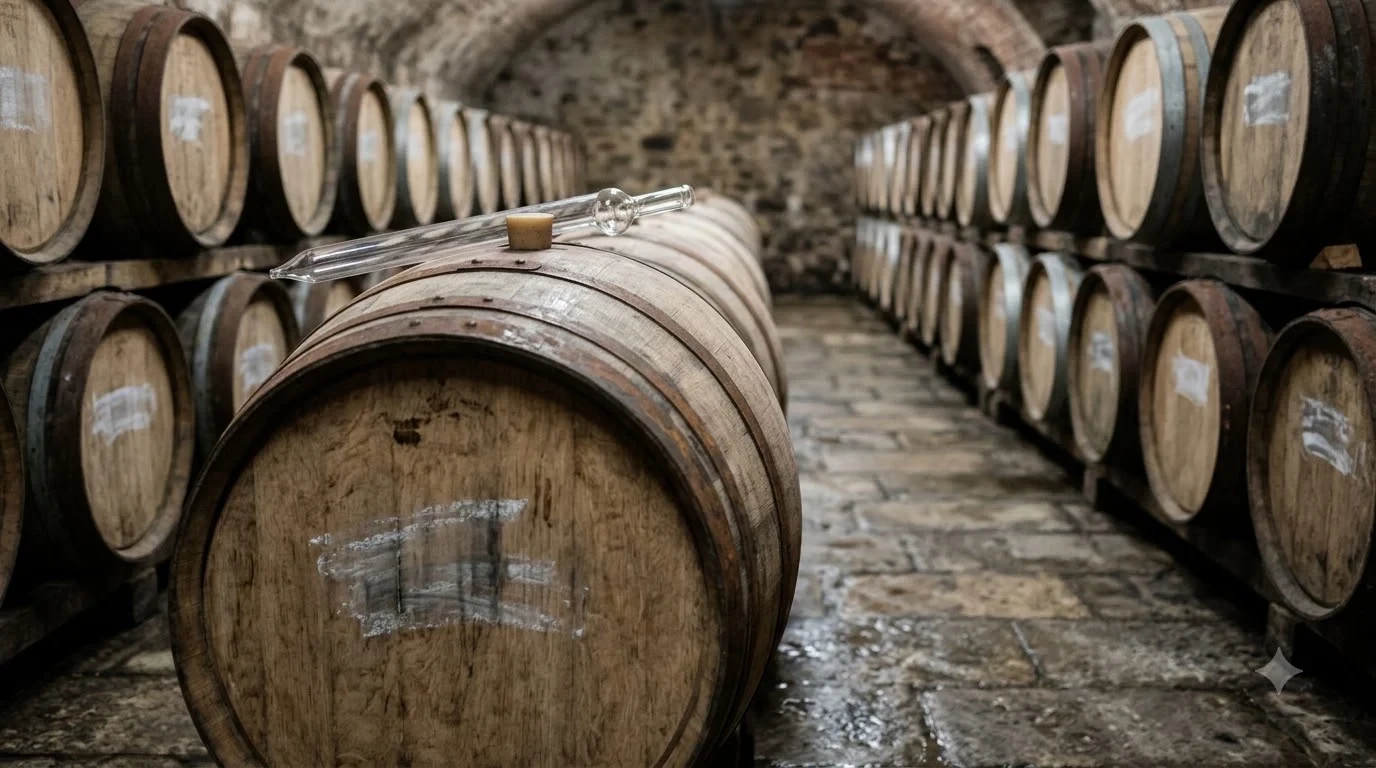
Winemaking tradition is visible in the cellar as well. The house makes its own American oak barrels on site and keeps traditional racking and long aging processes. It also uses an optical grape selection system introduced in 2015, which blends old methods with modern sorting. This mix is a big part of why the wines feel both classic and carefully controlled.
Reserva and Gran Reserva Explained
Reserva and gran reserva are Spanish aging terms, and they matter a great deal when you shop for La Rioja Alta wine. In general, these labels signal that a wine has spent extended time in barrel and bottle before release. The longer aging is the reason these bottles are often described as more polished and developed than younger wines from the same region.
Gran Reserva 904 is a good example of how blends work in this house. According to the Wikipedia entry on the winery, it is made from about 90 percent Tempranillo and 10 percent Graciano. Gran Reserva 890 adds a small amount of Mazuelo to the mix. These proportions give the wines their distinct character, with Tempranillo supplying fruit and structure and Graciano adding aromatic lift.
Viña Ardanza is a different style. It blends Tempranillo with a portion of Garnacha, which tends to bring a softer, rounder texture. Viña Arana is described as a lighter wine blended with Graciano and Mazuelo. These differences show why the aging term alone does not tell the whole story. You also need to look at the grape blend and the producer’s named line.
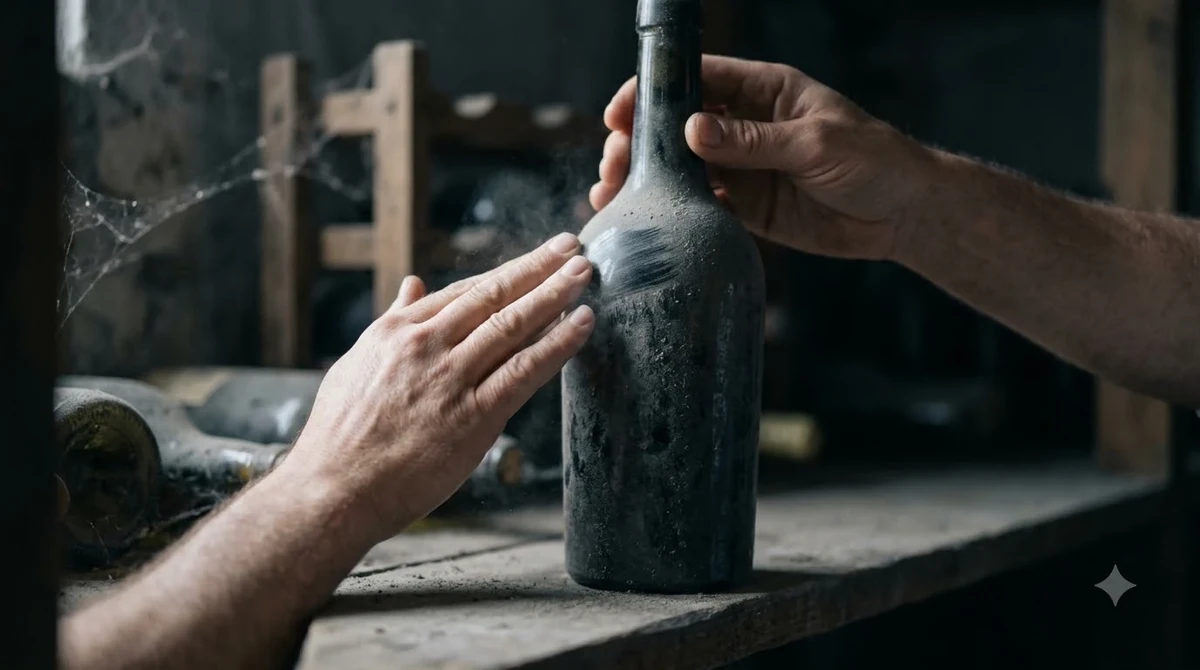
Keep in mind that aging rules and exact durations are set by Spanish regulations. Check the label and the producer’s technical sheet for the official designation and vintage details. Do not assume that an older-looking bottle is automatically a better buy, since storage condition matters as much as age.
Popular La Rioja Alta Wines and How to Read the Label
Most shoppers start with a few named wines, then learn to read the front label. The table below summarizes the house wines mentioned by the winery and its regional listings. It focuses on style and grape makeup, not on prices, since prices change often.
| Wine | Main grapes described | General style |
|---|---|---|
| Gran Reserva 904 | Mostly Tempranillo with some Graciano | Flagship gran reserva, long aged, structured |
| Gran Reserva 890 | Tempranillo with a small amount of Mazuelo | Flagship gran reserva, named for the 1890 founding |
| Viña Ardanza | Tempranillo blended with Garnacha | Rounder texture, approachable reserva style |
| Viña Arana | Graciano and Mazuelo blend | Lighter, aromatic style |
| Viña Alberdi | Rioja Alta house blend | Traditional Rioja style from the producer’s range |
To read a La Rioja Alta label, start with the wine name and the aging term. Next, look for the vintage year, which tells you the harvest. Finally, check the producer name and the region, Rioja, to confirm you have the bottle you intended. Small differences in wording can mark a very different style, so take the time to compare each line.
The winery’s regional council listing is a useful place to verify names and grape information before you buy. You can also check the bottle back label for alcohol content and bottling details. If a shop cannot tell you the vintage or designation, ask for the label photo or the producer’s technical sheet before you commit.
Food Pairings and Serving La Rioja Alta Wine
Traditional Rioja pairs naturally with Spanish and Mediterranean cooking. Reservas and gran reservas have structure and savory depth, so they work with roasted meats, grilled lamb, aged cheeses and slow-cooked stews. The wine’s acidity and tannin help it stand up to rich, fatty dishes without tasting heavy.
Lighter bottles such as Viña Arana can suit simpler meals. Try them with grilled chicken, mushroom dishes or roasted vegetables with herbs. Match the intensity of the food to the intensity of the wine, since a delicate dish can be overwhelmed by a long-aged gran reserva.
Serving temperature and glassware also matter. Red wines of this style are usually served slightly below room temperature rather than fully warm. Give the glass a few minutes to open up, and use a wide-bowled glass so the aroma can develop. An older bottle may throw sediment, so stand it upright for a short time before pouring and decant it carefully if needed.
Responsible drinking applies to every bottle. Pour moderate portions and pair the wine with food, especially with a long meal. A well-chosen dish can make a bottle last longer and taste better.
Storage and Buying Tips
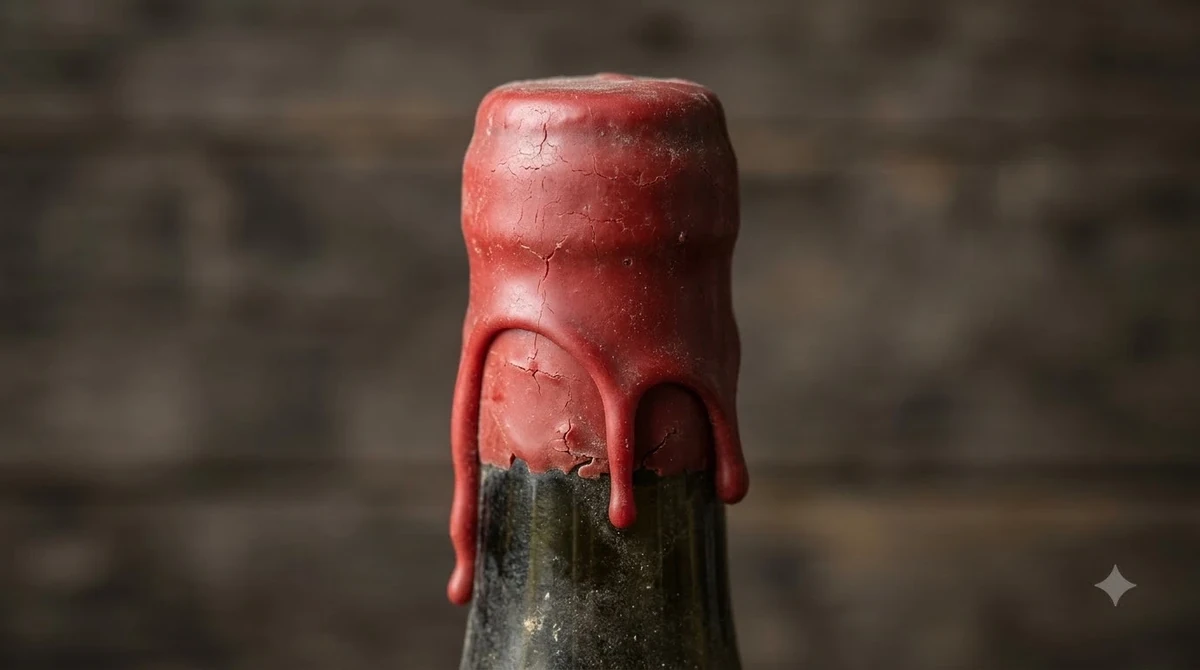
Storage determines whether a fine bottle keeps its character. Store wines in a cool, dark place with steady temperature and moderate humidity. Avoid heat, strong light and frequent temperature swings, since these can age a wine too quickly. Lay bottles on their side if they have corks, so the cork stays moist.
When buying, compare the producer name, vintage, and designation, then check where the bottle has been kept. A reputable shop should be able to explain its storage conditions. Buy from sellers who can answer basic questions about provenance and handling. This matters more for aged wines than for everyday bottles.
If you plan to visit the winery, book in advance. According to the Barrio de la Estación listing, guided visits are arranged by reservation and run in small groups for visitors over nine years old. Opening hours for the terrace, wine bar and shop change by season, so check the winery’s current schedule before you travel.
Tip: Keep a short list of the names and vintages you enjoy. Comparing a reserva from one year with a later vintage will teach you more about the house style than any single review.
Frequently Asked Questions
Who makes La Rioja Alta wine?
La Rioja Alta wine is made by La Rioja Alta, S.A., a winery based in Haro, in the Rioja region of Spain. The company was founded in 1890 by five local families, and their descendants still hold a major role in the business.
What grape is used in La Rioja Alta wines?
Tempranillo is the main grape in the winery’s vineyards and wines. Graciano, Mazuelo and Garnacha are also used, and each named wine has its own blend. Check the specific label or technical sheet to see the exact mix.
What is the difference between reserva and gran reserva?
Both terms describe wines that have spent extended time aging before release, with gran reserva being the longer category. Spanish regulations set the official requirements, so check the label and producer information for the designation on a specific bottle.
How should I store a bottle of La Rioja Alta wine?
Keep the bottle in a cool, dark place with steady temperature and moderate humidity. Avoid heat and strong light. Bottles with corks are often stored on their side to keep the cork moist, which helps preserve the wine.
La Rioja Alta wine rewards careful reading and patient aging. Start with the named wines, learn how the grape blends differ, and check the label before you buy. For more background on producers from around the world, browse Wine Brands and compare how other houses approach Tempranillo-based styles, such as the la marca rose line.
More in Wine Brands
 Underwood Wine Price: Compare Bottles, Cans, and Pack SizesUpdated Nov 21, 2026
 Zenato Wine Price: Compare Styles and Choose the Right BottleUpdated Nov 21, 2026
 Zuccardi Wine Price: Compare Bottles and Find the Right RangeUpdated Nov 21, 2026
 Yellow Tail Moscato Review: Taste, Sweetness and Serving TipsUpdated Nov 21, 2026
 Wolf Blass Yellow Label Review: Choose Your Best StyleUpdated Nov 21, 2026
 Wolffer Estate Rose Review: Choose the Right Bottle for Your TableUpdated Nov 21, 2026