

We may earn a commission when you buy through links on this page, at no extra cost to you. Learn more.
Earthquake Zin wine is a bold, high-alcohol Zinfandel from Michael David Winery in Lodi, California, known for jammy dark fruit, heavy oak and a warm, lingering finish. Retail listings place the 2022 vintage at 15.50 percent alcohol by volume. It suits people who enjoy big, concentrated reds and rich, savory meals.
This guide explains what Earthquake Zin is, where the wine comes from, and how its style compares with other Zinfandels. It also covers food pairings, serving temperatures and buying tips so you can decide whether this style fits your table.
What Is Earthquake Zin?
Earthquake Zin is a Zinfandel made by Michael David Winery under its Earthquake label. The name is a nod to a historical California event, and the wine is built around the variety’s ripe, concentrated fruit. Zinfandel is a red grape that often produces wines with high alcohol and generous flavor, and this bottling follows that pattern closely.
According to a BSW Liquor product listing for the 2022 vintage, the wine is a full-bodied red with intense concentration. Its label names the Lodi AVA as the appellation, which places the grapes in the Central Valley region of California. If you are new to big Zinfandels, expect a wine that feels weighty and warm rather than light or crisp.
The wine sits in the bold red category rather than the everyday table red category. That means it tends to work best with food that has real weight and fat, and it may feel heavy on a warm evening without a meal.
The Story Behind the Brand
Michael David Winery is a family-run producer in Lodi, and the Earthquake label is one of its flagship lines. The business is owned by brothers Michael and David Phillips, and the family has farmed in the Lodi region since the 1860s. According to a trade publication, the brothers are the fifth generation of grape growers in the family.
The label’s name comes from a piece of California history. The original Earthquake Zinfandel came from an old Lodi vineyard planted around the time of San Francisco’s great earthquake in 1906. Michael Phillips reportedly connected that history to the intense style of the wine when naming the label while working in the vineyard.
If you want to see how other producers build their brand identities, the Wine Brands guide groups many labels by style and history. Earthquake stands out because its name is tied to a specific event, and its marketing focuses on the bold, dark side of the Lodi style.
Tasting Profile and Style
Earthquake Zin is a dense, fruit-forward red with notable oak and firm tannins. The profile is built on dark berries, sweet spice and a finish that stays on the palate for a while. Expect a wine that feels rich and warm, not subtle.
| Aspect | What the sources describe |
|---|---|
| Alcohol | 15.50 percent by volume on a 2022 retailer listing |
| Aromas | Red berry, cranberry, peppery spice and dried potpourri notes |
| Palate | Bing cherry, dark chocolate, molasses, baked blackberry and clove |
| Oak | About 18 months in a mix of American, French and neutral oak |
| Tannins | Substantial and firm, with a fruit-laced finish |
The oak plays a large role in the finish. According to one trade source, the original Earthquake Zinfandel was aged in a high share of new American oak, which adds vanilla, brown sugar and baking spice. Those notes sit on top of the jammy fruit and give the wine a dessert-like warmth.
Tip: Because the alcohol is high and the fruit is concentrated, pour a moderate glass and pace yourself. Drink responsibly, and never drink and drive.
Best Food Pairings for Earthquake Zin
Pairing food with Earthquake Zin works best when the dish has enough fat, smoke and flavor to match the wine’s weight. The producer’s own food suggestions and retailer notes point toward American barbecue and hearty, savory plates.
Barbecue is the most natural match. Ribs and brisket have smoke, char and rendered fat that stand up to the dark fruit and oak. A grilled pork chop served with a dark berry relish is another strong option, because the sweet fruit in the sauce echoes the wine’s blackberry notes.
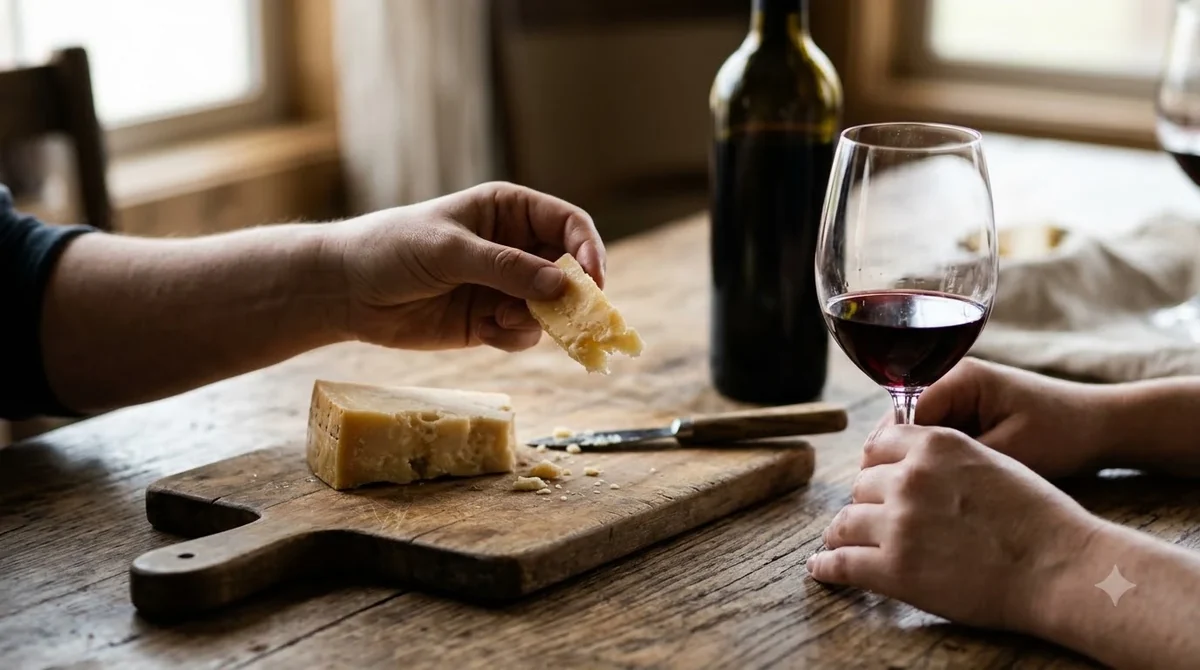
Rich pasta dishes also work well. A hearty lasagna has tomato acidity, meat and cheese, which balance the wine’s tannins. For cheese, retailer listings suggest aged Cheddar and Gorgonzola. The sharp, salty character of these cheeses holds up against the wine’s concentration.
Avoid delicate fish, light salads and very spicy Asian dishes with this wine. The high alcohol and heavy oak can overwhelm subtle flavors. If you are serving a mixed menu, choose a lighter red or white for the first course and save the Zinfandel for the main.
How Earthquake Zin Compares to Other Zinfandels
Earthquake Zin belongs to the bold, Lodi-style group of Zinfandels, which tend to be riper and more powerful than wines from cooler regions. The style differs from lighter, more peppery Zinfandels that are built around acidity and spice.
Compared with a restrained Zinfandel, Earthquake shows more concentrated fruit, more oak and a warmer, longer finish. Compared with a bold Cabernet Sauvignon, it can taste just as big but with a jammier, less structured profile. Many drinkers reach for it when they want something more intense than a typical everyday red.
If you want to compare this style with another large-format red from a different producer, the 14 Hands Hot to Trot wine guide covers a very different approach to the big red category. Likewise, the Ariel wine profile can help you see how a different producer frames a similar style. Compare alcohol levels and tasting notes side by side before you decide.
Serving, Storage, and Buying Tips
Serve Earthquake Zin slightly below room temperature, and give it time to open in the glass. Big reds show more aroma after a short rest. The producer and retailers recommend decanting for a short time, which can soften the tannins and open the fruit.
Store the bottle on its side in a cool, dark place with steady temperatures. Retail notes from one California seller say that wines older than a few years may vary in quality, so check the vintage before you buy for long-term storage. Buy from a shop that stores its stock carefully.
Check the vintage and availability before you buy. Retail listings show different vintages, and the 2021 and 2022 bottlings have appeared in different shops. Read the return policy and check the local rules for shipping, since alcohol laws vary by state and province.
Frequently Asked Questions
Is Earthquake Zin a high-alcohol wine?
Yes. A 2022 retailer listing shows 15.50 percent alcohol by volume, which is high for most red table wines. The strength makes the wine feel warm and full, so many drinkers pair it with hearty food and pour smaller glasses.
What foods go best with Earthquake Zin wine?
Barbecue ribs, brisket, grilled pork chops with dark berry relish and hearty lasagna are strong matches. Aged Cheddar and Gorgonzola also work well. Choose rich, smoky or fatty dishes so the wine’s fruit and oak feel balanced rather than overpowering.
Where is Earthquake Zin made?
The wine is made by Michael David Winery in Lodi, California, and the listings name the Lodi AVA as the appellation. The winery farms its own vineyards and works with growers who follow the Lodi Rules for sustainable winegrowing.
Should I decant Earthquake Zin before serving?
Many producers and retailers suggest decanting bold reds like this one. A short rest in a decanter or a wide glass can soften the tannins and open the aromas. Taste the wine after a short time to see whether it needs more air.
Earthquake Zin wine is a good choice if you want a bold, oak-driven Zinfandel for hearty meals. Start with a moderate pour, pair it with barbecue or pasta, and check the vintage before you buy. For more background on producers and labels, explore the Wine Brands guide.
More in Wine Brands
 Underwood Wine Price: Compare Bottles, Cans, and Pack SizesUpdated Nov 21, 2026
 Zenato Wine Price: Compare Styles and Choose the Right BottleUpdated Nov 21, 2026
 Zuccardi Wine Price: Compare Bottles and Find the Right RangeUpdated Nov 21, 2026
 Yellow Tail Moscato Review: Taste, Sweetness and Serving TipsUpdated Nov 21, 2026
 Wolf Blass Yellow Label Review: Choose Your Best StyleUpdated Nov 21, 2026
 Wolffer Estate Rose Review: Choose the Right Bottle for Your TableUpdated Nov 21, 2026