

We may earn a commission when you buy through links on this page, at no extra cost to you. Learn more.
Bonterra organic wine is a line of wines made from grapes grown under organic farming practices, mostly in Mendocino County, California. The company says its estate fruit now meets the Regenerative Organic Certified standard, which goes beyond basic organic rules. That makes the label a useful starting point for shoppers who want to know how their grapes were grown.
This guide explains what the organic and regenerative labels mean for the bottle, where the brand’s vineyards are, and which styles are worth trying. It also covers food pairings, storage basics, and how Bonterra compares with other wine brands on your shelf.
What Is Bonterra Organic Wine?
Bonterra is the organic wine label of Bonterra Organic Estates, a winery in Mendocino County. The brand builds its identity on grapes farmed without synthetic inputs. Its own materials say the company has made wine from 100 percent organically grown grapes since 1993, and that its approach centers on composting, cover crops and biodiversity.
The name matters for shoppers. Bonterra was once a label under the Fetzer portfolio, but the company later chose to make its organic identity the front of its brand. Today the Bonterra name covers the organic lineup, while the Fetzer name still appears on other products.
Because the brand sells a wide range of styles, you do not need to be a wine expert to choose a bottle. Start with the variety you already like, then check whether it is part of the organic lineup. The back label and the company website list the details for each release.
History and Mendocino County Roots
Bonterra’s story begins with the vineyards. The company says its first organic vineyards were planted in 1987, and it now farms a large block of estate land in Mendocino County. Its materials describe the county as well suited to organic growing because of its hot, dry summers and rich soils.
Mendocino is a cooler, coastal-influenced growing area compared with many inland California districts. According to the 2023 Bonterra Estate Collection launch release, the Butler Ranch vineyard sits at high elevation on the North Coast, where the altitude and maritime climate shape the fruit. The brand argues that this setting produces grapes with intensity and complex flavors.
The company’s history also includes a long chain of ownership. Fetzer was founded in 1968, sold to Brown-Forman in 1992, and later passed to Concha y Toro in 2011. The current company is a certified B Corp, a status it has held since 2015. These steps show how the brand grew from a regional winery into one of the larger organic sellers in the United States.
What Organic Certification Means for Bonterra Wines
Organic certification refers to how the grapes were grown, not to a specific taste. Organic farms avoid synthetic fertilizers and pesticides, and they rely on practices such as composting and cover crops. Bonterra follows these rules for its organically grown fruit, and the brand says that healthier vines produce more flavorful grapes.
The regenerative label goes further. According to Wine Spectator’s report on the program, the Regenerative Organic Certified standard starts with organic certification as its baseline. It then adds requirements around soil health, animal welfare and farmer and worker fairness. Bonterra earned the Silver level for its winery and vineyard holdings in late 2021, and its executives have said they hope to reach Gold in the future.
Read the labels carefully. Certification applies to the farming and sometimes the winery, but it does not guarantee that a wine will suit your palate. Think of the seal as information about production, and use your own taste to decide which bottle you enjoy most.
| Label or program | What it covers | How it applies to Bonterra |
|---|---|---|
| Organic farming | Grapes grown without synthetic fertilizers and pesticides | The brand’s core approach since its early vineyards |
| Regenerative Organic Certified | Organic baseline plus soil, animal welfare and worker fairness rules | Silver level for the winery and vineyard holdings |
| Demeter biodynamic | Biodynamic farming standards set by a separate certifier | Five vineyard estates are certified, including Butler Ranch |
| B Corp status | Business practices and social and environmental performance | Certified since 2015, according to company materials |
Tip: Certification details can change as vineyards are added or re-certified. Check the current brand website or the bottle for the latest information.
Popular Bonterra Wines by Varietal
The brand offers a broad range of varieties, so you can match the wine to the meal or the occasion. Some of the best-known names are whites such as Chardonnay and red styles such as Cabernet Sauvignon. Older records from the tasting database Tastingbook also list Merlot, Syrah, Zinfandel, Sangiovese, Viognier and Muscat among past Bonterra releases.
The Estate Collection is the most specific place to start if you want wines tied to particular vineyards. Its first releases were a 2021 Chardonnay from Ledford Ranch Vineyard and a 2021 Cabernet Sauvignon from Butler Ranch. The company launched these as its first Regenerative Organic Certified wines from Mendocino County, with a focus on transparency about where the fruit was grown.
If you prefer lighter wines, look for the white varieties in the organic range. If you like structure, the Cabernet-style reds from the estate vineyards show the most distinct sense of place. For a broader view of brand lineups and how they compare, the Wine Brands section covers other producers in the same way.
Bonterra Wines Compared to Other Wine Brands
Many large wine brands focus on consistency and price rather than farming methods. Bonterra puts its farming story at the center of its marketing, which makes it stand out in the organic category. The company also argues that organic viticulture does not have to stay limited to small sites.
When you compare brands, look at the same things you would check on any bottle: the variety, the region, the vintage and the producer’s stated methods. Bonterra gives more detail about vineyards and farming than many large producers, which helps if certification matters to you. It is not automatically better for every taste, so compare styles directly.
Some shoppers prefer to compare Bonterra with other single-serve or easy-drinking choices. For example, readers who want a lighter white can read our notes on the Avaline white wine lineup, and then decide which style fits their routine.

Food Pairings for Bonterra Organic Wines
Pairing starts with weight. Lighter whites suit salads, seafood and roasted vegetables, while fuller reds fit grilled meats and hearty pasta. Chardonnay works well with creamy sauces and roast chicken, and a structured Cabernet pairs well with beef and aged cheeses.
Balance is the simplest rule. Match acidity with rich or fatty foods, and match body with the weight of the dish. A wine that tastes too strong beside a delicate meal will overwhelm it, so choose a lighter style for simple plates and save bolder bottles for dishes with more sauce or spice.
Serve reds slightly cooler than room temperature and whites well chilled, but not icy. Pour in moderation, and plan for water and food alongside your glass. If you are hosting, have a non-alcoholic option ready for guests who are not drinking.
Where to Buy and How to Store Bonterra Wine
The Estate Collection was launched for sale online and rolled out to major retailers nationwide, according to the company’s 2023 release. Check the brand website’s store locator or a large wine retailer near you for current availability. Stock changes by region and season, so a local store may not carry every release.
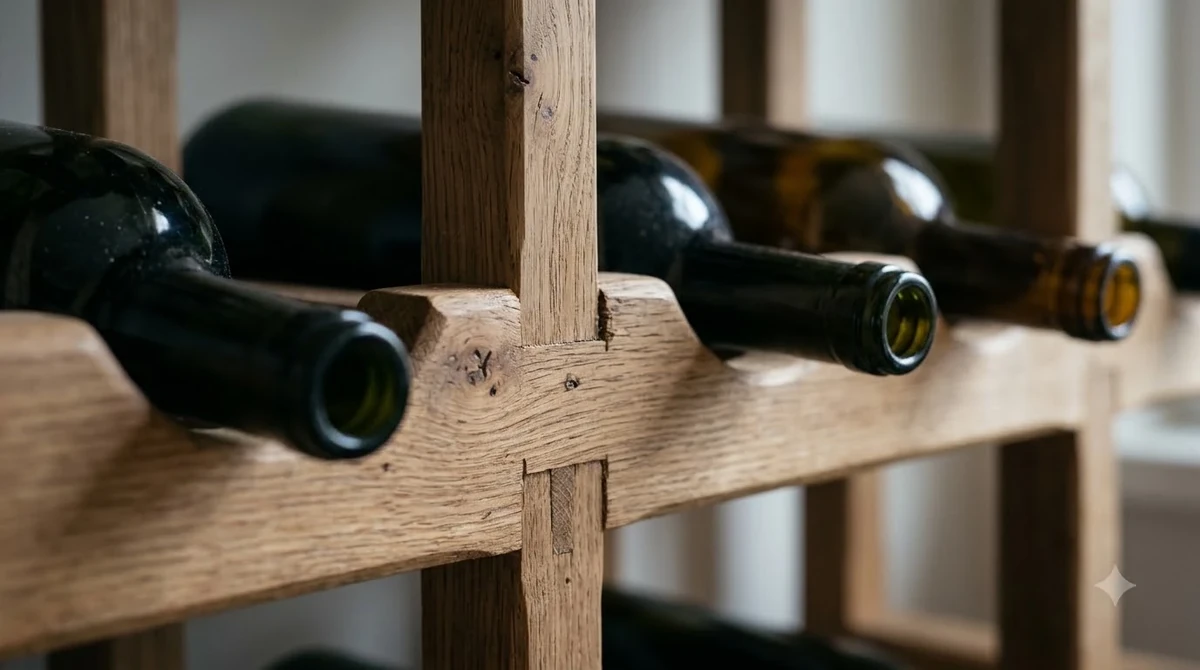
Storage is simple. Keep bottles away from heat and direct sunlight, and store them in a cool, steady place. Lay bottles on their sides if they have natural corks, so the cork stays moist. Most wines are best enjoyed within a few years of release, though many whites are meant for early drinking.
Once opened, reseal the bottle and refrigerate it if it is a white or a light red. Most open wines keep better for a few days than they do for weeks. If you are unsure whether a wine has turned, trust your nose and taste, and pour it out if it smells sharp or flat.
Frequently Asked Questions
Is all Bonterra wine organic?
Bonterra says it has produced wine from organically grown grapes since 1993, and its materials describe organic farming as central to the brand. Check the label and the brand website for the specific bottle, since product lines and sourcing can differ across releases.
What does Regenerative Organic Certified mean on a Bonterra bottle?
The Regenerative Organic Certified seal builds on organic farming and adds requirements for soil health, animal welfare and fair treatment of workers. Wine Spectator reports that Bonterra earned the Silver level for its winery and vineyards. The seal describes how the grapes were grown, not how the wine will taste.
Which Bonterra wine should I try first?
Start with a style you already enjoy. Chardonnay suits people who like rounder whites, while Cabernet Sauvignon appeals to fans of structured reds. The Estate Collection is a good place to explore vineyard-specific wines and see how the brand presents its fruit.
Does organic wine taste different from conventional wine?
Organic certification describes farming methods, and it does not guarantee a particular flavor. Winemaking, climate, grape variety and vintage shape the taste more directly. Compare bottles side by side to decide what you like, and drink responsibly whatever style you choose.
Bonterra organic wine offers a clear farming story and a wide range of styles from Mendocino County. Read the label, check the certification level, and choose a variety that fits your meal. For more context on how brands compare, explore the 14 Hands Hot to Trot wine guide next, and enjoy any bottle in moderation.
More in Wine Brands
 Underwood Wine Price: Compare Bottles, Cans, and Pack SizesUpdated Nov 21, 2026
 Zenato Wine Price: Compare Styles and Choose the Right BottleUpdated Nov 21, 2026
 Zuccardi Wine Price: Compare Bottles and Find the Right RangeUpdated Nov 21, 2026
 Yellow Tail Moscato Review: Taste, Sweetness and Serving TipsUpdated Nov 21, 2026
 Wolf Blass Yellow Label Review: Choose Your Best StyleUpdated Nov 21, 2026
 Wolffer Estate Rose Review: Choose the Right Bottle for Your TableUpdated Nov 21, 2026