

We may earn a commission when you buy through links on this page, at no extra cost to you. Learn more.
The kerner grape is a white variety from Germany, bred in 1929 as a cross of Trollinger and Riesling. It makes aromatic, fruity wines with a pale straw color, a pronounced varietal bouquet often showing a Muscat tone, and lower acidity than Riesling. Most of the crop is grown in Germany’s Palatinate, Rheinhessen, Mosel and Württemberg regions, with smaller plantings in Austria, Switzerland, Japan, Michigan and South Tyrol in Italy.
Kerner is one of those grapes that many American shoppers have not heard of, even though it has been grown in Germany for more than half a century. It sits in the same family of cool-climate whites as Riesling, and it shares some of that grape’s bright fruit. This guide covers where the grape came from, what its wines taste like, and how to find a bottle that suits the way you like to drink.
Where Kerner came from
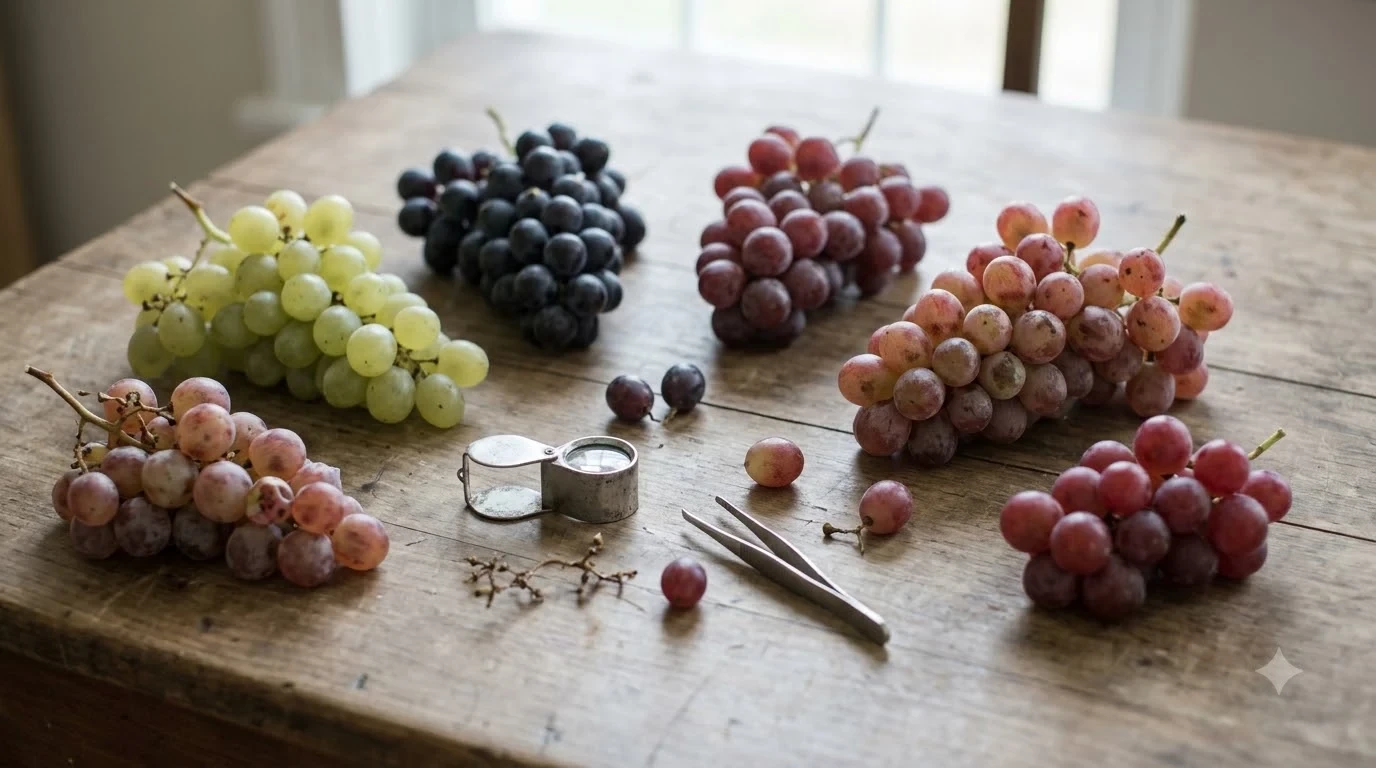
Kerner was created by August Herold, who bred it in 1929 at a plant breeding station in Lauffen, in the Württemberg region of Germany. It is a cross of two parents: Trollinger, a red variety also known as Schiava grossa or Vernatsch, and Riesling. The grape was released for general cultivation in 1969. The wider family of German varieties is covered in our guides to Côtes du Rhône grapes, Fiano and La Crescent, and the overview of styles is in Wine by Type.
The parentage explains a lot about the wine. The Riesling side contributes the bright, fruity character, and the Trollinger side adds a fuller texture. That mix is why Kerner is often described as a bridge between two traditions in German winemaking, one focused on crisp Riesling and one on softer, rounder white wines.
Flavor and style
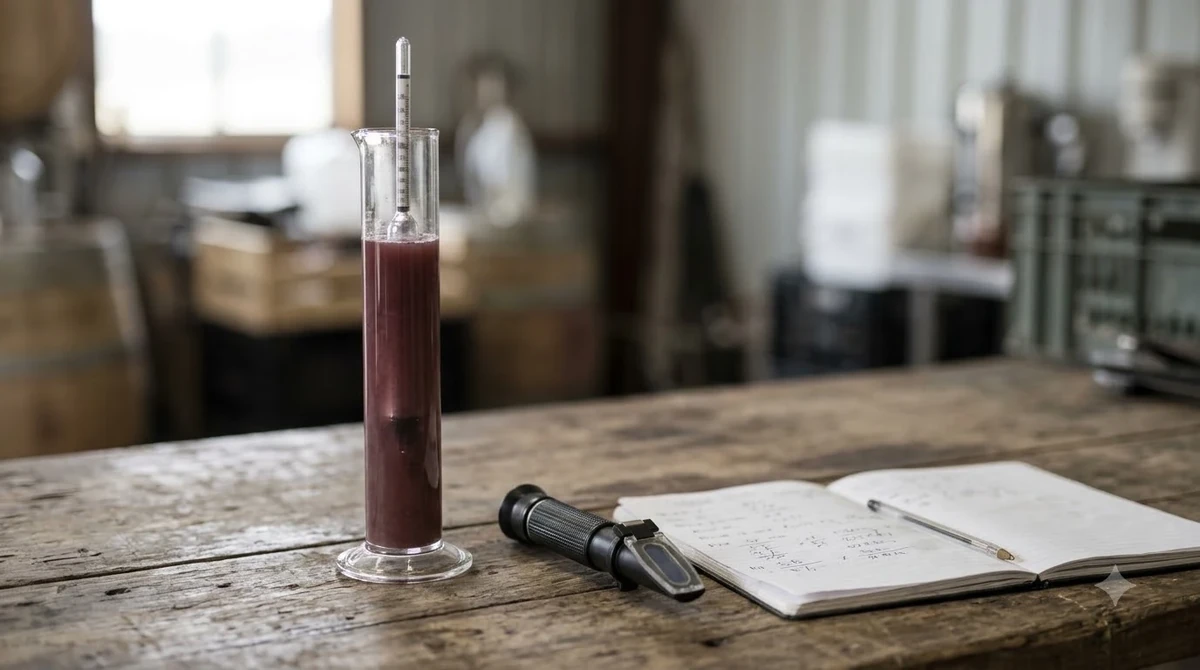
Kerner wines are a transparent straw yellow, sometimes with a golden reflection in the glass. The aroma is one of the grape’s most recognizable features. It has a pronounced varietal bouquet, often with a Muscat tone, so the nose can be floral and perfumed before the first sip. On the palate the wine is bright and fruity, with flavors that are close to Riesling in character.
The main difference from Riesling is the acidity. Kerner has lower acidity than Riesling and a fuller taste, so the wine tends to feel softer and rounder. That makes it approachable for drinkers who find very high-acid whites too sharp. It also means the wine often needs food or a touch of sweetness to balance the fruit, which is one reason German producers make a range of styles from dry to sweet.
| Feature | Kerner | Riesling, for comparison |
|---|---|---|
| Parentage | Trollinger crossed with Riesling | Riesling, as one parent |
| Acidity | Lower than Riesling, fuller taste | Higher acidity |
| Aroma | Pronounced varietal bouquet, often with a Muscat tone | Bright, fruity character |
| Color | Transparent straw yellow, sometimes golden | Pale straw wine |
| Main regions | Palatinate, Rheinhessen, Mosel, Württemberg | Germany and cool regions worldwide |
Where Kerner grows today
Germany is the heart of Kerner’s range. The grape is grown mainly in the Palatinate, Rheinhessen, Mosel and Württemberg regions. In 2006 it covered about 4,004 hectares in Germany, making it the eighth most planted variety there, at roughly 3.9 percent of the country’s vineyard surface. German plantings peaked around 1990 at about 8,000 hectares.
Outside Germany the grape has a smaller footprint. It is planted in Austria’s Styria region, in Switzerland, in Japan’s Hokkaido, on the Old Mission Peninsula in Michigan, and in South Tyrol in northern Italy. Those plantings show that the vine can handle cool climates, which is one reason it has found a second home in North America.
Serving and food pairing
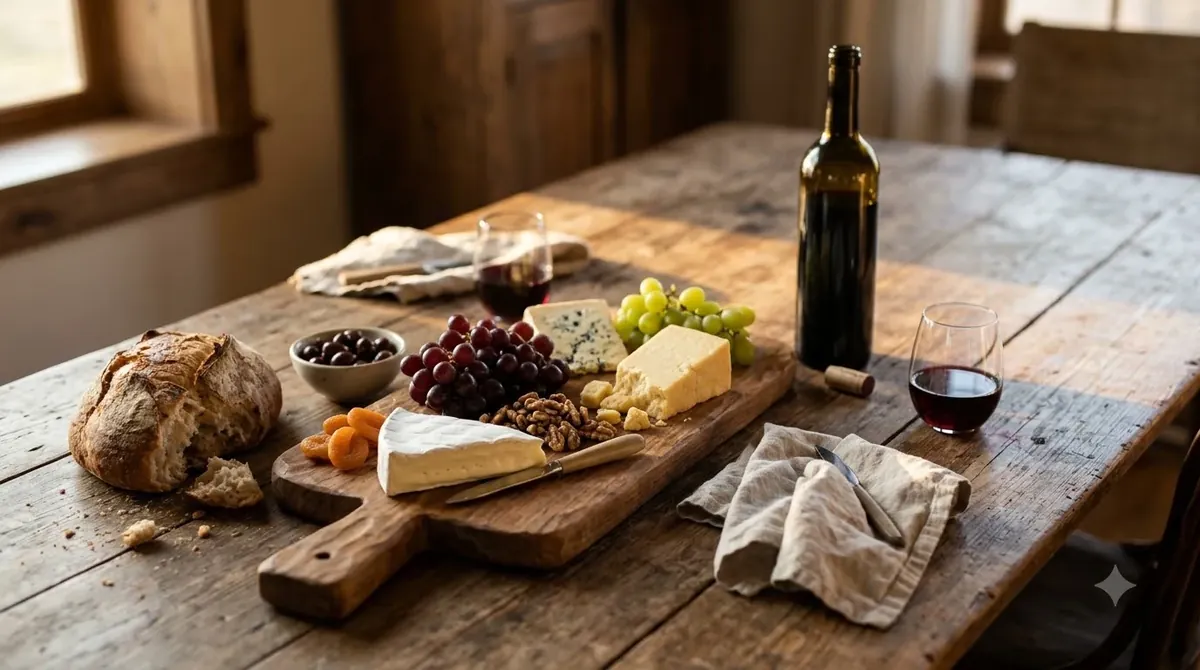
Kerner is best served chilled but not ice cold, since very low temperatures hide the bouquet that makes the wine distinctive. Use a standard white wine glass so the aroma can gather near the rim. Because the wine is softer than Riesling, it works with a wide range of lighter dishes, including salads with fruit, soft cheeses, and fish or chicken served with herbs.
The fruit and Muscat-like aroma also make Kerner a good match for dishes with a little spice. A slightly sweet German-style Kerner can balance dishes with heat, such as Thai or Indian cooking, because the sweetness softens the chili and the acidity keeps the mouth fresh. A dry Kerner is better suited to simpler dishes, where the wine’s aroma can carry the meal without overwhelming it.
How to choose a bottle
When you shop for Kerner, the label does most of the work. German labels use terms such as trocken for dry and halbtrocken for off-dry, and they usually name the region and producer. Because the grape is grown in many places, the region on the label tells you more about the style than the grape name alone. A bottle from the Palatinate or Rheinhessen is likely to be drier and more fruit-forward than one from a cooler, higher-acid site.
If you are new to the grape, start with a bottle that describes itself as fruity and aromatic. Check the producer’s tasting notes for the sweetness level, and treat the words Muscat tone as a guide to the aroma you can expect. Storage is simple: keep the bottle cool and out of direct light, and drink it fairly young, since most fruity white wines of this kind are meant for early drinking.
Tasting Kerner: what to notice in the glass
Start with color. A transparent straw yellow, sometimes with a golden tint, is the typical look of the wine, and a deeper color can signal more age or more oak. Swirl gently and smell before tasting. The bouquet should be clearly varietal, with the Muscat tone that the grape is known for. If the aroma is muted, the wine may be too cold or simply young.
On the palate, pay attention to the balance between fruit and acidity. Kerner’s acidity is lower than Riesling’s, so the fruit feels fuller and the finish is softer. That difference is the main thing to notice when you compare the two. A good Kerner should taste clean and fruity rather than heavy, even though its texture is rounder than a crisp Riesling.
Finally, consider the finish. A bright, fruity wine tends to leave a lingering impression of fruit and aroma, and that aftertaste is a good sign of quality. If the wine tastes flat or overly sweet without fruit to support it, try another producer before deciding that the grape is not for you.
Who Kerner suits
Kerner suits drinkers who like aromatic whites but find very high-acid wines too sharp. It is also a practical choice for people exploring German wine beyond Riesling. Because the grape is grown in several regions, including cooler sites in Michigan and Japan, it offers a way to explore how the same variety changes with climate and winemaking.
It is less suited to anyone who wants a very crisp, mineral white with high acidity, since that style is closer to Riesling at its driest. For that reason, the choice depends on what you want from the glass rather than on whether the grape is good or bad in general.
Frequently Asked Questions
What does Kerner taste like?
Kerner is fruity and aromatic, with flavors close to Riesling and a pronounced floral or Muscat-like bouquet. The wine tends to feel softer and fuller than Riesling because its acidity is lower.
Is Kerner sweet or dry?
Kerner is made in both dry and off-dry styles. The label and the producer’s tasting notes are the best guide to sweetness, since German producers choose their level of residual sugar for each bottling.
Where is Kerner grown?
Most Kerner is grown in Germany, especially in the Palatinate, Rheinhessen, Mosel and Württemberg. It is also planted in Austria, Switzerland, Japan, Michigan and South Tyrol.
How is Kerner related to Riesling?
Riesling is one of Kerner’s two parents, along with Trollinger. That relationship explains the bright fruit the two wines share and the lower acidity that sets Kerner apart.
Kerner is a fruity, aromatic white grape with a family link to Riesling and a softer, rounder style. If you enjoy the bright character of German whites but want something less sharp, a Kerner from a known German region is a good place to start, and the grape’s background summary is a useful next read.
More in Wine Types & Grapes
 Zinfandel Sugar Content: Dry Red vs. White Zinfandel GramsUpdated Nov 21, 2026
 Best Zinfandel Substitute Options for Sipping and CookingUpdated Nov 21, 2026
 Zweigelt Food Pairing: Best Dishes, Cheeses, and Serving TipsUpdated Nov 21, 2026
 Zinfandel Tannins Explained: How Structure Shapes Every BottleUpdated Nov 21, 2026
 Zinfandel Sweetness Level: Dry Red vs. Sweet White Zin ExplainedUpdated Nov 21, 2026
 Xinomavro Food Pairing: Best Dishes, Styles, and Serving TipsUpdated Nov 21, 2026