

We may earn a commission when you buy through links on this page, at no extra cost to you. Learn more.
Passerina wine comes from the Passerina grape, a rare local white variety from Italy’s Marche region that is known for clear, focused fruit and a regional DOC name. The grape is rarely planted outside the Marche, and its origins are described as uncertain in the main reference. For shoppers, the practical question is simple: a Passerina bottle is usually a light, regional white, and it is best approached as a local Italian style rather than a famous international name.
This guide explains what Passerina wine is, where the grape grows, what names it goes by, what is known about its flavor, and how to serve and choose a bottle. It also flags where the available information is thin, so shoppers know what to expect.
What Passerina Wine Is
Passerina is a white wine grape. It is grown mainly in the Marche, a region on Italy’s Adriatic coast, and the wine made from it carries the grape name on the label. Because it is a local variety rather than a widely planted one, Passerina is more often found in regional Italian shops and specialist wine lists than on large supermarket shelves.
The name is sometimes used for the wine, the grape, or both, and that can cause confusion. When you see Passerina on a label, it usually signals a white from the Marche that was made from this grape, or from a blend in which it plays a part.
Like many local Italian whites, Passerina is best understood through its origin. The grape’s identity is tied to its home region, and the wine’s style reflects that place more than an international template would.
Where Passerina Grows
The grape is described as a rare local white variety found in the Marche. The region has a DOC for wines of the same name, and the grape also appears in some Marche blends, including Falerio dei Colli Ascolani. Those blends mean a bottle labeled with a regional name may contain Passerina alongside other local whites.
The exact origin of the grape is described as uncertain, so it is difficult to trace it confidently to one village or family of vines. What is clear is that its strongest identity is in the Marche, and that is where shoppers are most likely to find a dedicated bottle.
| Name you may see | What it means |
|---|---|
| Passerina | The grape, and the wine made from it |
| Passerina DOC | A regional denomination for wines of the same name in the Marche |
| Falerio dei Colli Ascolani | A Marche blend in which Passerina can appear |
| Pagadebito Gentile, Campolese, Uva Passera | Synonyms listed for the grape |
Names and Synonyms
Several synonyms are associated with the grape, including Pagadebito Gentile, Campolese, and Uva Passera. Synonyms are common in Italian viticulture, where the same vine can carry different local names. Seeing one of these names on an older list or a regional menu is a useful clue that the grape is the same.
The name Passerina itself is attributed to grapes with small, often seedless berries, although the vine’s own description in the main reference notes large berries and high yields. The reference does not resolve that difference, which is a good reminder that the grape’s history is not fully settled.
Flavor and Style
Descriptions of Passerina’s flavor are limited. The main reference describes the wines as appealing, with clear, focused fruit. That phrase points to a white that is more about freshness and clarity than about heavy texture or heavy oak.
Shoppers looking for detailed tasting notes will find less information here than they would for a major international variety. A sensible approach is to treat Passerina as a light, fruit-forward white and to check the producer’s own notes on the label or website for the specific character of a bottle.
Because the wine is a local style, the producer and vintage matter more than they might with a widely known grape. Two bottles from the same region can taste quite different depending on the vineyard and the winemaking approach.
Vine Traits and Ripening
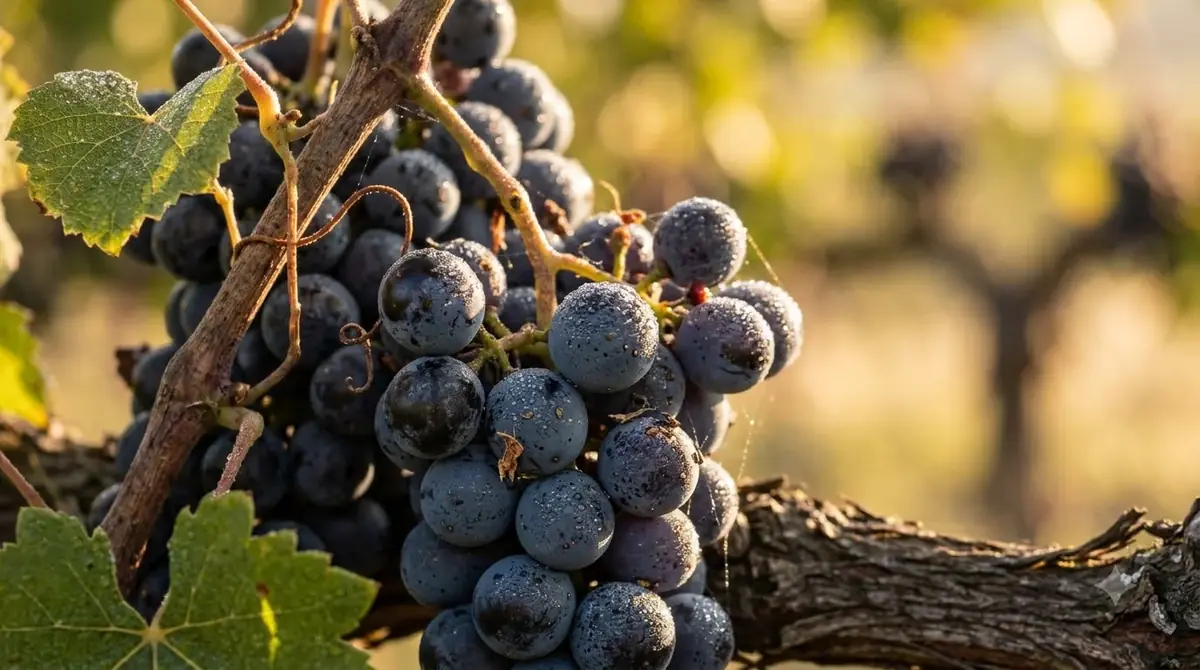
The vine is described as carrying large berries, with high yields and a long ripening period. In practical terms, a grape that takes longer to ripen can give the winemaker more time to shape acidity and aroma, but it also means the vintage and the site have a large influence on the final bottle.
Vine traits are not a direct guide to taste, but they help explain why a bottle may vary from year to year. Shoppers who want consistency may do better by choosing a producer who has a steady track record with the grape.
How to Serve Passerina
Because the flavor descriptions are light, the safest serving advice is the standard one for a fresh white: serve it cool rather than warm, in a white wine glass, and drink it with food. A chilled glass keeps the fruit clean and makes the wine feel lively.
Decanting is unlikely to be needed for a young, fresh white. If a bottle is older or shows more complex aromas, a short rest in the glass is usually enough to let its character open up. Check the producer’s guidance for any specific bottle.
Food Pairing Ideas
Passerina is a versatile choice for lighter meals. Its clear fruit and freshness suit salads, seafood, vegetable dishes, and simple pasta with olive oil, herbs, or lemon. These are the kinds of dishes that are common in the Marche and along Italy’s Adriatic coast, which fits the wine’s regional identity.
For heavier dishes, a richer white or a light red may be a better match. The aim with Passerina is to keep the food and the wine in the same weight class, so that the glass does not disappear under a rich sauce.
How to Choose a Bottle
Start with the label. A bottle that names the Passerina grape or a Marche DOC tells you the region and the grape, which are the two most useful clues. Check the vintage too, since a fresh, recent bottle is usually the best way to enjoy a light white.
If you are unsure, ask the shop staff or check the producer’s website for a description of the wine. Because Passerina is less widely documented, the producer’s own notes will often tell you more than a general guide can. Compare a few bottles from different producers before you decide which style you prefer.
Tip: Serve Passerina with the same care you would give any light white. Cool the bottle, pour into a clean glass, and pair it with food that has its own freshness.
Frequently Asked Questions
What is Passerina wine?
Passerina wine is made from the Passerina grape, a rare local white variety from the Marche region of Italy. The name can refer to the grape, the wine, or a DOC for wines of the same name.
Where does Passerina grow?
The grape is most associated with the Marche, on Italy’s Adriatic coast. It also appears in some Marche blends, including Falerio dei Colli Ascolani.
What does Passerina taste like?
Descriptions are limited, but the main reference describes the wines as having clear, focused fruit. Producer notes are the best guide to the style of a specific bottle.
What are the other names for Passerina?
Listed synonyms include Pagadebito Gentile, Campolese, and Uva Passera. Seeing one of these names on a label or regional list can point to the same grape.
Passerina is a good example of a local Italian white that rewards curiosity. For a broader view of how grape names and wine styles connect, browse our wine by type guide, or compare Passerina’s regional character with the crisp Alicante Bouschet wine and the aromatic albarino tasting notes. The main reference for the grape’s origin and synonyms is the Wikipedia entry on Passerina.
More in Wine Types & Grapes
 Zinfandel Sugar Content: Dry Red vs. White Zinfandel GramsUpdated Nov 21, 2026
 Best Zinfandel Substitute Options for Sipping and CookingUpdated Nov 21, 2026
 Zweigelt Food Pairing: Best Dishes, Cheeses, and Serving TipsUpdated Nov 21, 2026
 Zinfandel Tannins Explained: How Structure Shapes Every BottleUpdated Nov 21, 2026
 Zinfandel Sweetness Level: Dry Red vs. Sweet White Zin ExplainedUpdated Nov 21, 2026
 Xinomavro Food Pairing: Best Dishes, Styles, and Serving TipsUpdated Nov 21, 2026