

We may earn a commission when you buy through links on this page, at no extra cost to you. Learn more.
Knowing how to store sake comes down to two habits: keep unopened bottles cool, dark, and upright, and keep opened bottles refrigerated and sealed. Sake is sensitive to heat and light, and its flavor fades faster than many people expect. Storing it well protects the clean, rice-based character that makes the drink worth buying in the first place.
This guide explains why sake spoils, how to store unopened and opened bottles, how special styles such as namazake need extra care, and which mistakes are most common at home.
Why Sake Is Sensitive to Heat and Light
Sake is a brewed rice drink, and its flavor is delicate. According to the Wikipedia entry on sake, the flavor tends to deteriorate under ultraviolet light or high temperatures. The effect is strongest for ginjo-zukuri styles and for unpasteurized namazake, which can lose their aroma and freshness if handled carelessly.
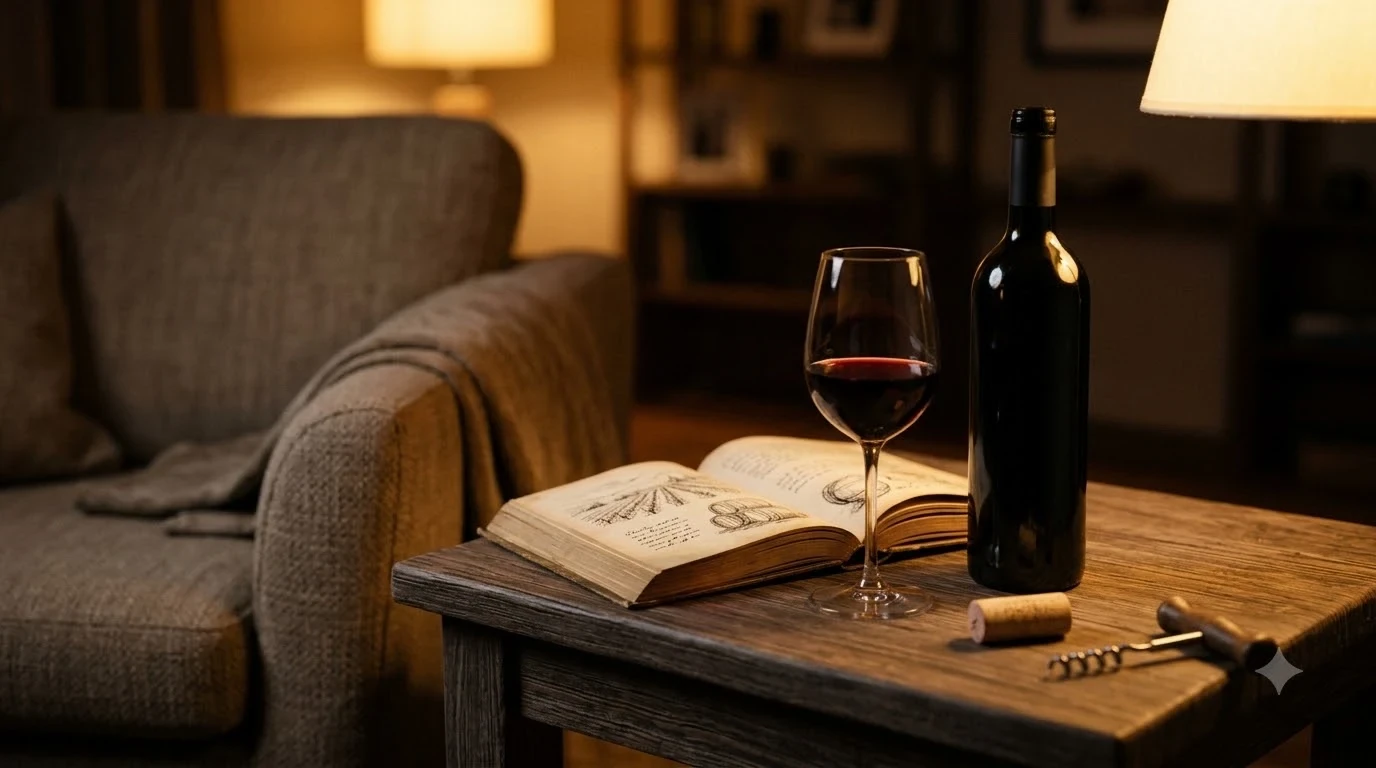
Heat and light work on sake in similar ways to other drinks. Warmth speeds up changes in flavor, and light, especially sunlight and fluorescent lighting that emits ultraviolet rays, shortens the time a bottle stays at its best. The same source notes that best-before dates are shortened in bright places, so a bottle sitting in a sunny kitchen may age faster than the label suggests.
Reading the label helps before you store anything. Look for the production date, the style name, and any note about pasteurization or refrigeration. A bottle marked as unpasteurized or as needing cold storage tells you how to store it before you even open it. If the label is unclear, ask the seller how the bottle was kept on the shelf, since a bottle that spent weeks in a warm store will not age the same way as one that was kept cold from the start.
Storing Unopened Bottles
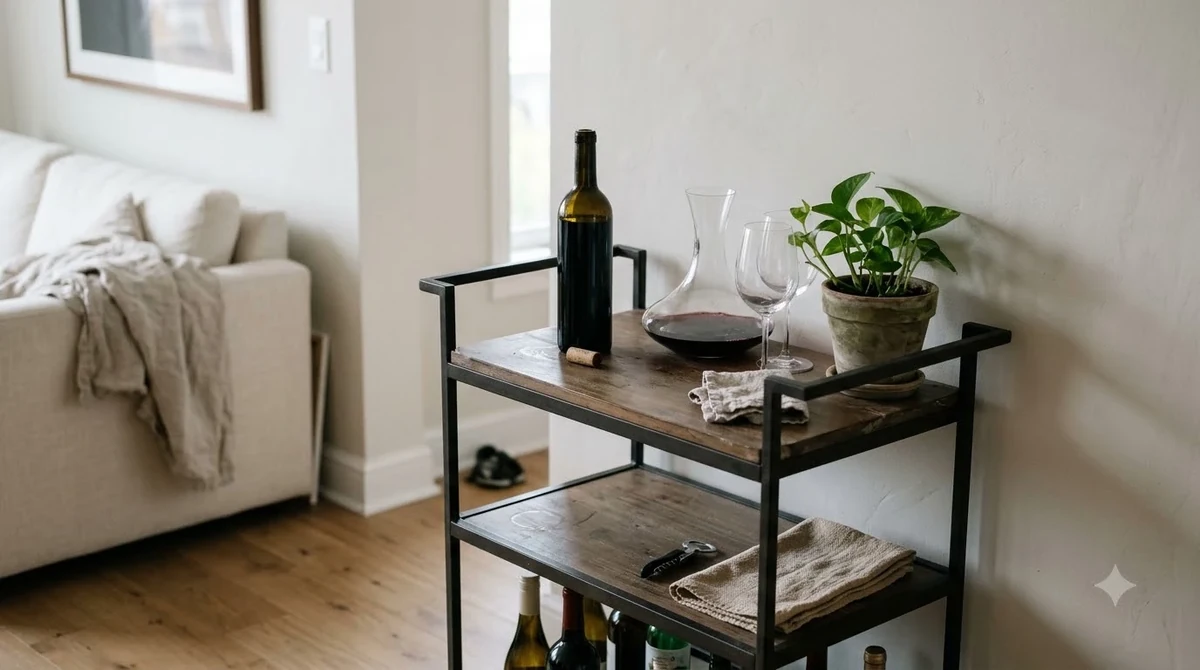
Store unopened sake in a cool, dark place, away from windows, appliances that give off heat, and any spot that gets warm in the afternoon. A cupboard in a room with stable temperatures is a good choice. Keeping the bottle away from direct light also protects the label and the color of the liquid, since clear sake that turns yellow or brown has usually lost some of its freshness.
Bottles should be stored upright. Lying a bottle down exposes more of the sake to air through the cap, which speeds up oxidation and can affect the flavor where the liquid touches the closure. Upright storage is a simple habit that makes a real difference over several months. If you want to know how long a particular bottle keeps unopened, our guide to how long sake lasts unopened goes into more detail.
| Sake style | Approximate unopened shelf life | Storage note |
|---|---|---|
| Futsu-shu and honjozo-shu | About one year after production | Cool, dark, upright |
| Ginjo-shu and junmai-shu (pasteurized once) | About ten months after production | Cool, dark, upright |
| Special namazake sold at room temperature | Up to about eight months | Dark and cool, but drink soon |
| Unpasteurized namazake | Often three to six months | Keep refrigerated at all times |
The figures above reflect one producer’s guidance for bottles stored in the dark at about 20°C (68°F). They are a rough guide rather than a fixed rule. The safest approach is to buy sake close to the date you plan to drink it, and to check the label for a best-before date.
Refrigerating Opened Sake
Once a bottle is open, refrigeration is the most important step. The flavor of opened sake deteriorates faster than that of an unopened bottle, so keep the bottle in the refrigerator with the cap tightly closed. Many people leave the bottle in the door, but a shelf toward the back is more stable because the temperature changes less when the door opens.
How long an opened bottle stays good depends on the style. Guidance from the same producer suggests that junmai sake without added distilled alcohol keeps for about ten days after opening, while sake with added distilled alcohol keeps for about a month. Ginjo sake shows little flavor loss for two to three days, with a best-before window of about one week. Ordinary and special designation sake keeps well for about ten to fourteen days, with a best-before window of about one month.
Sparkling wines follow a different routine, which is covered in how to store sparkling wine. Check the color and smell before you pour. Clear or white sake that has turned yellow or brown has usually lost flavor, and a sour or dull smell is a clear sign the bottle should be finished or discarded. Aged koshu is the exception, since it is naturally amber from the start.
Special Cases: Namazake and Ginjo
Namazake is unpasteurized sake, and it needs more care than most styles. The source notes that namazake requires refrigerated storage and has a shorter shelf life than pasteurized sake. Keep it cold from the moment you bring it home, and plan to drink it soon after opening.
Ginjo-shu is brewed with highly polished rice and rewards careful handling. The same source recommends that ginjo sake be stored and transported cold and that it be drunk chilled. Storing a ginjo bottle in a warm cupboard or near a window can dull its fragrance quickly, so a refrigerator is a better home for it once you have opened it. Fortified wines like vermouth also benefit from cold storage after opening, as explained in how to store vermouth.
Nigorizake, the cloudy style, needs gentle handling as well. The source warns that it may spurt out of the bottle if shaken or exposed to high temperatures, so open it carefully and keep it cool. Shake it gently before serving, not vigorously.
Common Mistakes When Storing Sake
The most frequent mistake is leaving a bottle near a sunny window or on a shelf above a heat source. Warmth and ultraviolet light change the flavor over time, and the damage is not always visible on the label. Move the bottle to a cooler, darker place as soon as you get it home.
A second mistake is storing an opened bottle on the counter for days. Once the cap comes off, the wine is exposed to air, and the flavor starts to fade. Reseal the bottle tightly after each pour and return it to the refrigerator right away.
A third mistake is buying a large bottle of a delicate style and expecting it to last indefinitely. Namazake and ginjo are best bought in smaller quantities and drunk within a short window. Choosing the right size protects the flavor and avoids waste.
Finally, do not assume that a sake stored at room temperature is safe for the same length of time as one kept cold. Sake stored at room temperature is best consumed within a few months of purchase, so buy with your drinking schedule in mind.
Frequently Asked Questions
Should sake be refrigerated before opening?
Not always. Pasteurized sake can be stored in a cool, dark place. Unpasteurized namazake needs refrigeration at all times, and ginjo styles benefit from cold storage.
Should sake be stored upright or on its side?
Upright. Lying a bottle down exposes more of the liquid to air through the cap, which can speed up oxidation.
How long does sake last once opened?
It depends on the style. Junmai sake without added alcohol keeps about ten days, and sake with added distilled alcohol keeps about a month. Ginjo styles show little flavor loss for two to three days. Keep every opened bottle refrigerated.
What does it mean when sake changes color?
If clear or white sake turns yellow or brown, its flavor has usually deteriorated. Aged koshu is an exception, since it is amber from the start.
Good storage is mostly about keeping sake cool, dark, and upright before you open it, and cold and sealed afterward. Follow those habits and the bottle will taste the way the brewer intended from the first pour to the last. For more on how sake fits among other drinks, see our Wine by Type guide.
More in Wine Types & Grapes
 Zinfandel Sugar Content: Dry Red vs. White Zinfandel GramsUpdated Nov 21, 2026
 Best Zinfandel Substitute Options for Sipping and CookingUpdated Nov 21, 2026
 Zweigelt Food Pairing: Best Dishes, Cheeses, and Serving TipsUpdated Nov 21, 2026
 Zinfandel Tannins Explained: How Structure Shapes Every BottleUpdated Nov 21, 2026
 Zinfandel Sweetness Level: Dry Red vs. Sweet White Zin ExplainedUpdated Nov 21, 2026
 Xinomavro Food Pairing: Best Dishes, Styles, and Serving TipsUpdated Nov 21, 2026