

We may earn a commission when you buy through links on this page, at no extra cost to you. Learn more.
Knowing how to store vermouth is simple: keep unopened bottles in a cool, dark place, and keep opened bottles refrigerated and tightly sealed. Vermouth is a fortified, herb-infused wine, so it lasts longer than an open bottle of plain white wine. It still changes over time once it is opened, and cold storage slows that change down.
This guide explains why vermouth changes after opening, how to store it before and after you open a bottle, how long it is generally kept, and which mistakes are most common at home.
Why Vermouth Changes After Opening
Vermouth is a wine that has been fortified with spirit and flavored with herbs, roots, and spices. The fortification makes it more stable than ordinary wine. The Wikipedia entry on vermouth notes that because the wine is fortified, an opened bottle spoils more slowly than an opened white wine would. It also states that an opened bottle still declines over time.
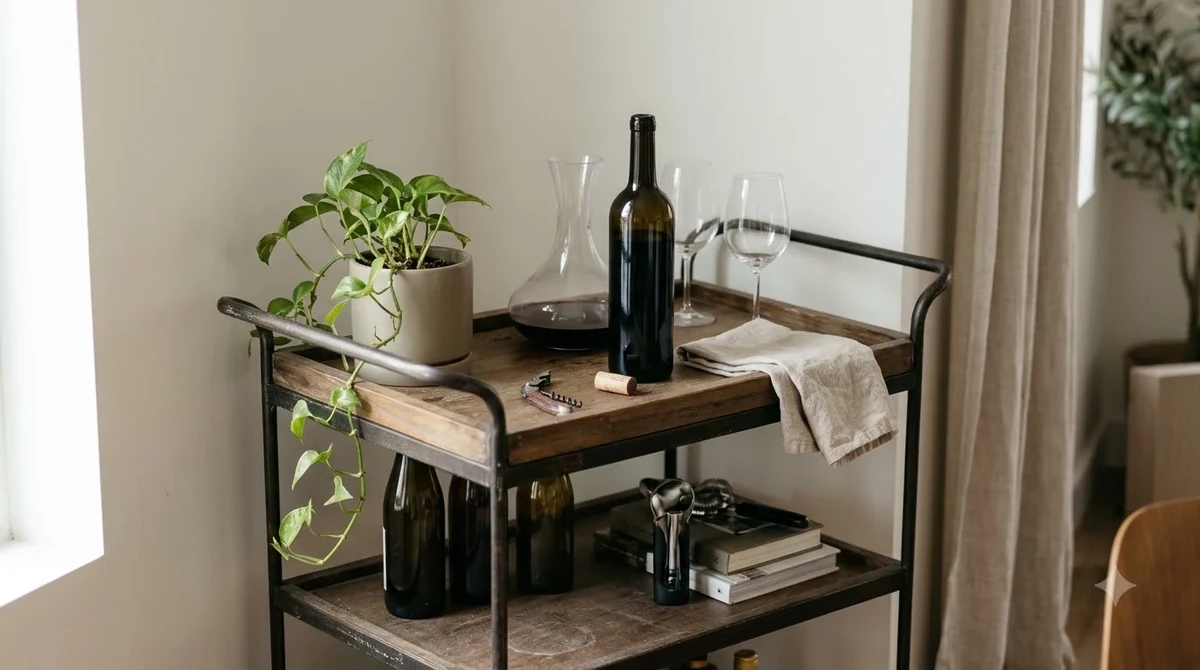
The main cause of that decline is oxidation. Once the cap is removed, air reaches the wine, and the bright herbal and floral notes gradually fade. The flavor can turn flat or dull, and the wine can lose the character that made it worth opening in the first place. Understanding that process explains why storage habits matter more after the bottle is open than before.
Storing Unopened Bottles
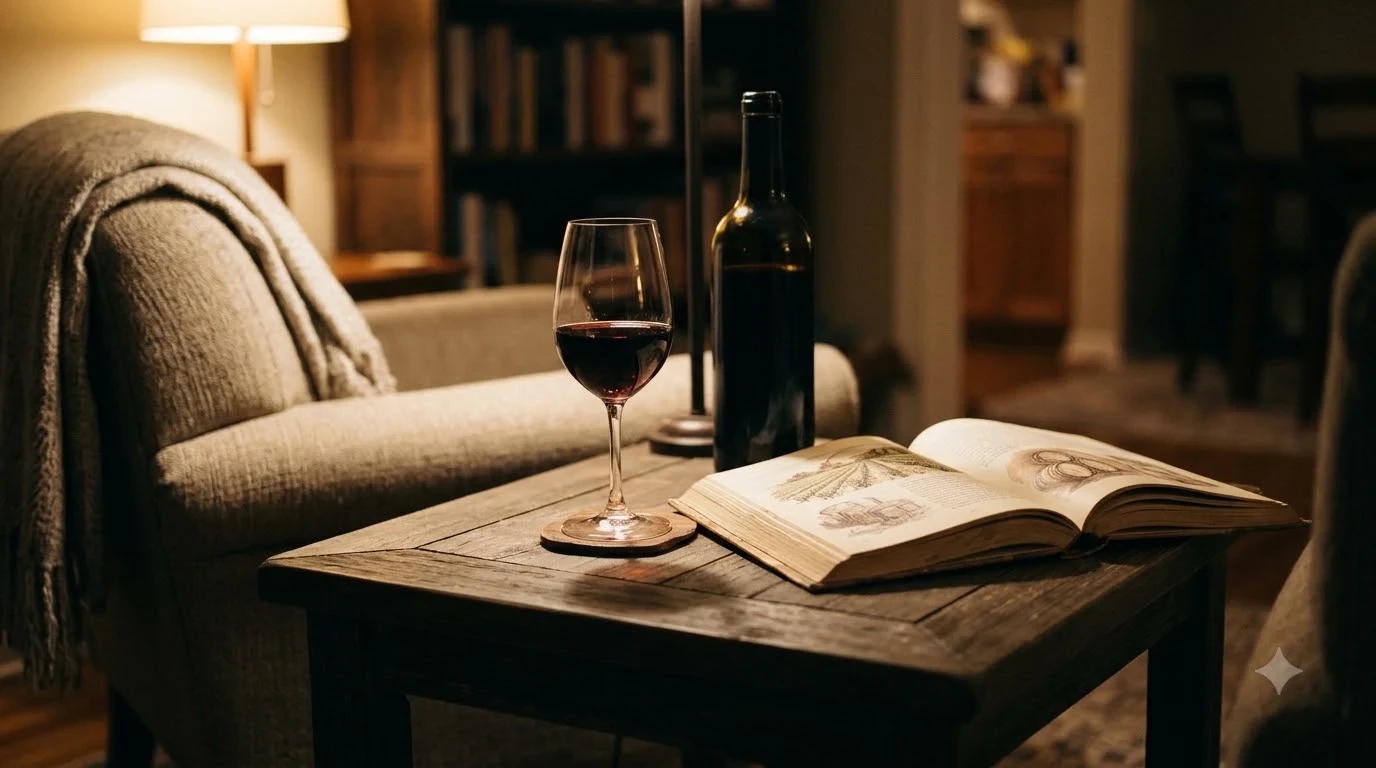
Store unopened vermouth in a cool, dark place, away from windows, heat sources, and the warmest part of the kitchen. A cupboard in a room with a stable temperature is a good choice. Light and warmth are the two main enemies of any aperitif wine, since both speed up the changes that make a bottle taste tired. A dark cabinet protects the color and the aroma.
Unlike sparkling wine, vermouth does not need a special position, but keeping the bottle upright is a sensible habit. Upright storage keeps the cork from drying out and keeps the surface of the wine away from the closure. For a bottle you plan to open soon, that is all you need to do.
The Wikipedia article gives no shelf-life figure for unopened bottles, so check the label for any date and buy with your drinking plans in mind. A bottle that sits unopened for a long time is still most enjoyable when it is fresh, so there is little reason to keep vermouth for years without a plan.
| Stage | Recommended storage | Why it matters |
|---|---|---|
| Unopened | Cool, dark cupboard, upright | Protects color and aroma from light and warmth |
| Just opened | Reseal tightly and refrigerate | Slows oxidation that flattens the flavor |
| Opened for a while | Keep refrigerated, check before serving | The wine still declines over time |
| Finishing the bottle | Plan to use within one to three months of opening | Matches the window the source describes |
Refrigerating an Opened Bottle
Once a bottle is open, refrigeration is the most useful step. The Wikipedia article says that gourmets recommend keeping opened bottles cold because it slows oxidation. Put the cap back on firmly and place the bottle on a shelf in the refrigerator. Keeping it cold does not stop the wine from changing, but it does slow the process considerably.
The same article suggests finishing an opened bottle within a short window, commonly one to three months. That is a useful target when you plan how many drinks you will make from a bottle. A small bottle used for weekend cocktails will be finished sooner, while a larger one used once a month will need more careful handling.
Check the bottle before each use, and keep the cap on between pours. Each time the bottle is opened, a little more air enters, so a slow pour and a quick reseal help the wine stay fresh across several servings. Vermouth that smells stale, looks cloudy in a way it did not before, or tastes flat has declined. You can still use it in a cooking sauce or a braise, where the herbal notes are less important, but a fresh bottle is always the better choice for drinking neat or on the rocks.
Serving Vermouth Well
Vermouth is usually drunk on its own as an aperitif, and the Wikipedia article notes that it is normally consumed in that way. Historically, fashionable cafes in Turin served it to guests at any hour of the day, which shows how naturally it fits into a relaxed pause before a meal. Serve it cold, with a twist of citrus, a little ice, or soda, and it becomes a light and easy drink.
Readers who track what they drink may also want to look at calories in vermouth, since a fortified, sweetened wine can carry more energy than many people expect.
Because vermouth is a fortified wine, a smaller serving is often enough. A modest glass with ice or a splash of soda suits its character, and it lets the herbal flavor stand out without overwhelming the palate. Vermouth also works well in classic cocktails, where it adds depth without making the drink heavy.
If you keep more than one bottle, label the opening date on the back of each one with a strip of tape or a marker. A visible date makes it easier to decide which bottle to finish first, and it prevents an old bottle from being pushed to the back of the refrigerator and forgotten. Keep the bottles grouped by type so the freshest one is always at the front.
Common Mistakes When Storing Vermouth
The most common mistake is leaving an opened bottle on a bar cart or kitchen counter for weeks. Warm air and light speed up oxidation, and the bottle loses its freshness long before it is empty. Move the bottle to the refrigerator as soon as you have poured the first serving.
Another frequent error is storing vermouth beside a sunny window or above an appliance that gives off heat. Both spots keep the bottle warm, and the flavor fades faster. Choose a cool, dark cupboard instead, even if it is less convenient.
A third mistake is assuming that vermouth lasts as long as spirits. Because it is a wine-based product, it changes after opening in a way that a high-proof spirit does not. The sensible approach is to buy a size you can finish in a few months, not a large bottle you will open once a year.
Finally, do not drink vermouth that smells sour, has turned cloudy in an unusual way, or tastes flat. Those signs mean the bottle has declined, and it is better to replace it than to serve it to guests.
Frequently Asked Questions
Does vermouth need to be refrigerated after opening?
Yes, the Wikipedia article on vermouth recommends refrigeration after opening, because cold storage slows oxidation.
How long does vermouth last once opened?
The source suggests finishing an opened bottle within one to three months. The wine keeps declining over time, so use it sooner if you can.
Is vermouth stored the same way as sake or sparkling wine?
The basics are similar: cool, dark storage before opening and cold storage after. Sake and sparkling wine each have their own details, which are covered in other guides on this site.
How is vermouth usually served?
Vermouth is normally drunk on its own as an aperitif. Serving it cold, with ice, a citrus twist, or soda, is a common way to enjoy it.
Good vermouth storage means a cool, dark cupboard before opening and a tightly sealed, refrigerated bottle afterward. Keep an eye on the bottle, buy a size you can finish, and the herbal character will last for the bottle’s useful life. For related questions, see how to store sake, or browse our Wine by Type guide.
More in Wine Types & Grapes
 Zinfandel Sugar Content: Dry Red vs. White Zinfandel GramsUpdated Nov 21, 2026
 Best Zinfandel Substitute Options for Sipping and CookingUpdated Nov 21, 2026
 Zweigelt Food Pairing: Best Dishes, Cheeses, and Serving TipsUpdated Nov 21, 2026
 Zinfandel Tannins Explained: How Structure Shapes Every BottleUpdated Nov 21, 2026
 Zinfandel Sweetness Level: Dry Red vs. Sweet White Zin ExplainedUpdated Nov 21, 2026
 Xinomavro Food Pairing: Best Dishes, Styles, and Serving TipsUpdated Nov 21, 2026