

We may earn a commission when you buy through links on this page, at no extra cost to you. Learn more.
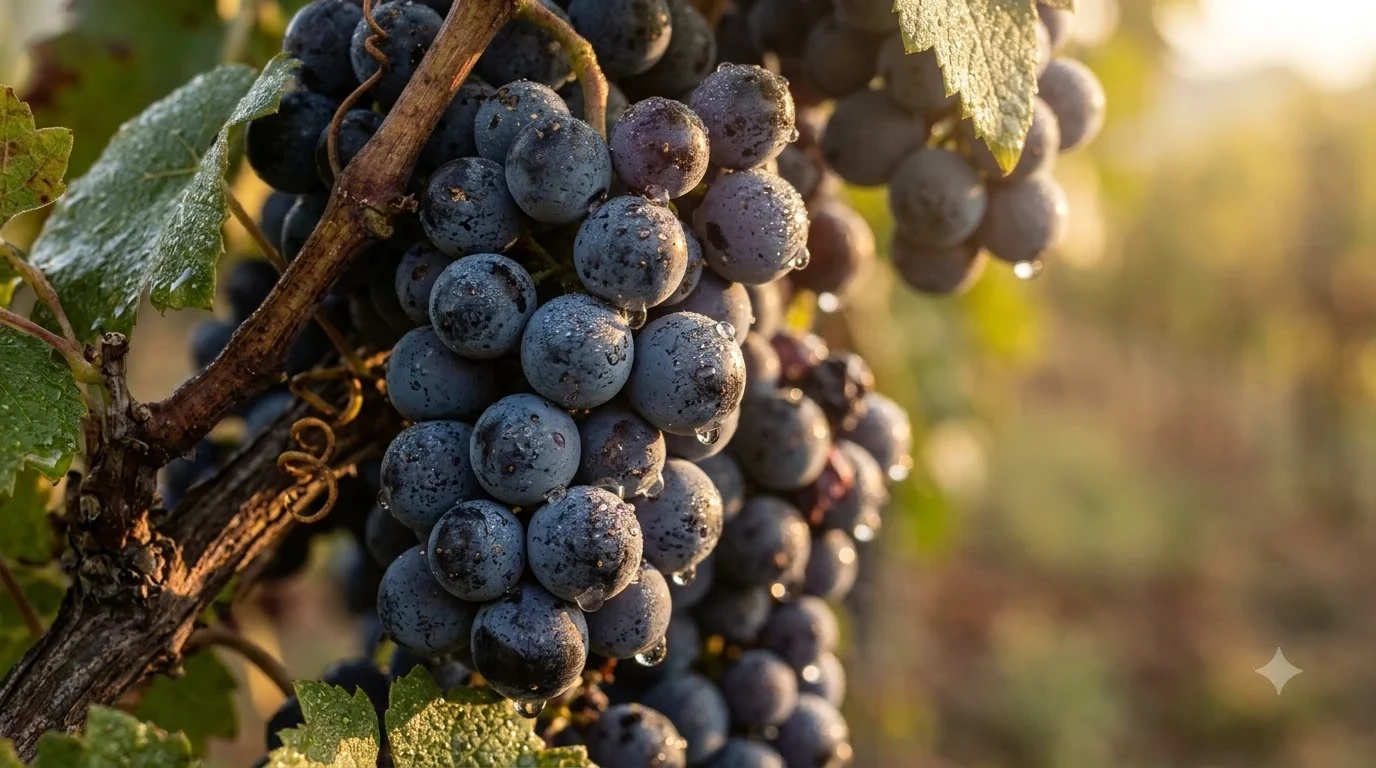
The black muscat grape, also called Muscat Hamburg, is a red Vitis vinifera variety that is used for table grapes, dessert wines and light red wines. It is a cross of Schiava Grossa and Muscat of Alexandria, first made in 1850, and it is grown in several wine and table grape regions around the world. Its aroma is strongly perfumed, which is typical of the muscat family, and its color is deep, which sets it apart from the pale muscats.
This guide explains where the black muscat grape came from, how it is used, what it tastes like, where it grows and how to recognize it on a label or a grape list. It is written for readers who have seen the name in a catalog or on a wine label and want a clear overview.
Where Black Muscat Comes From
Black muscat is an old variety with a complicated set of names. The Wikipedia overview of Muscat Hamburg lists its origin as England, and it credits the cross to Seward Snow in 1850. The parents are Schiava Grossa and Muscat of Alexandria, which helps explain why the grape combines a dark skin with the aromatic character of the muscat family.
The name is a common source of confusion. The variety is sold and described under many synonyms, including Golden Hamburg and Black Hamburg in the United States, Muscat de Hambourg in France and Moscato d’Amburgo in Italy. The Wikipedia article also notes that Black Hamburg is used for the grape’s maternal parent in some sources, so it is worth checking the variety name in the catalog or on the label before you assume the grape is the one you expect.
Flavor and Aroma
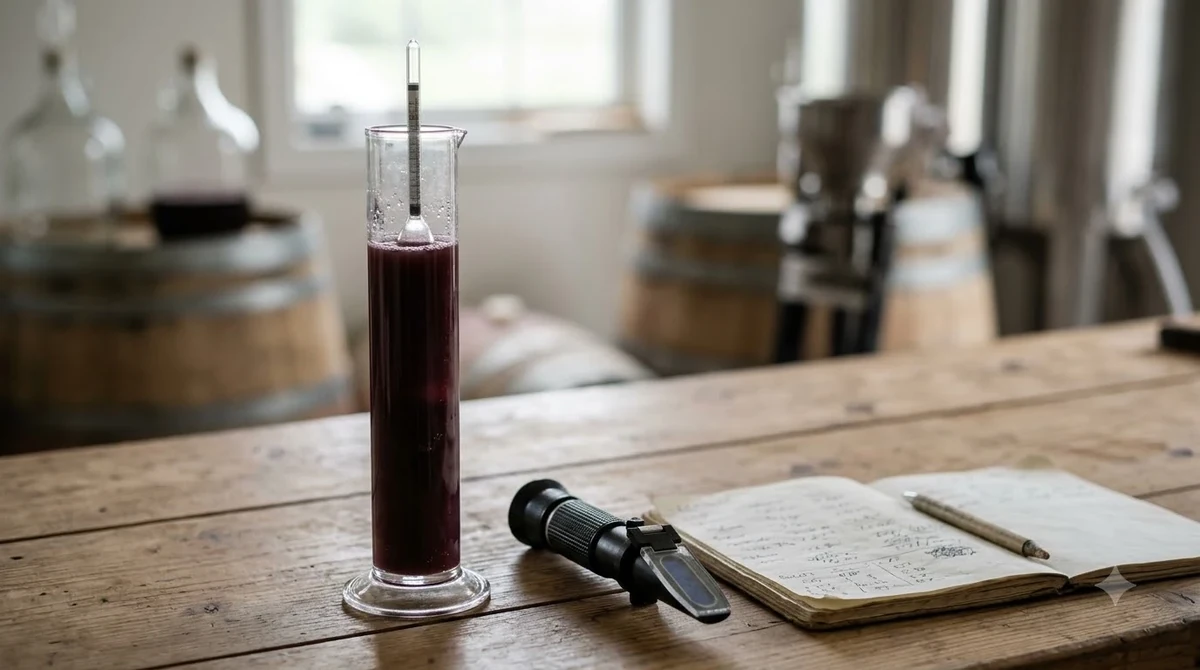
Black muscat is strongly aromatic, like other members of the muscat family, and the aromas are often described as perfumed and floral. In dessert wines, the grape can be highly aromatic with a rich coloring, which makes it attractive for producers who want a dramatic glass of wine with a sweet finish. The sweetness and aroma tend to come forward together, so the wine is easy to recognize even when it is served in a small pour.
As a table grape, black muscat is valued for its size, color and sweetness, and it can be eaten fresh. The fruit has a strong muscat character that many people enjoy, and it is often sold in the same markets as other black table grapes. When the grape goes into wine, the winemaker decides how much of that perfume to keep and how much sweetness to leave behind.
| Use | What the grape typically gives |
|---|---|
| Table grape | Sweet, aromatic fruit eaten fresh; commonly sold as a dark grape |
| Dessert wine | Highly aromatic, rich color and sweetness, especially in parts of California’s Central Valley and in France |
| Light red wine | Light, dry red in parts of Eastern Europe |
| Table wine | Commonly produced as a table wine, and gaining use as a blending component in China |
Where Black Muscat Grows
Black muscat is grown in a number of places, and its range is wider than many people expect. The Wikipedia article names California, Virginia, the Pacific Northwest, Vancouver Island, India, China and Eastern Europe as areas where it is grown. In the United States, it is grown in California, Virginia, Oregon, Texas and Washington, which shows how the grape adapts to different climates.
The variety is not confined to one style or one country. In California’s Central Valley it has been used for dessert wine, while in France it is mainly a dessert grape. In Eastern Europe, the grape is made into a light, dry red wine, which surprises drinkers who expect every muscat to be sweet. This range makes black muscat a useful example of how one grape can produce very different wines depending on the winemaker and the region.
Black Muscat in Winemaking
In winemaking, black muscat is used in several ways. A sweet, aromatic wine can be made by stopping fermentation early or by using a late harvest, which keeps sugar in the wine. A drier red can be made by fermenting the grape to dryness, and a blend can use the grape for perfume and color. The choice depends on the producer’s goal and on the style the grape supports in that region.
Because black muscat has a dark skin and a strong aroma, it can add both color and perfume to a blend. Winemakers who use it in blends often do so for the aromatic lift it brings, rather than for structure or tannin. That role is similar to how some other aromatic grapes are used, so tasting notes often point to floral and fruity character.
Tip: If a label lists black muscat or Muscat Hamburg, check whether the wine is sweet or dry. The grape alone does not tell you the style, so read the back label or ask the shop staff.
How to Serve and Pair
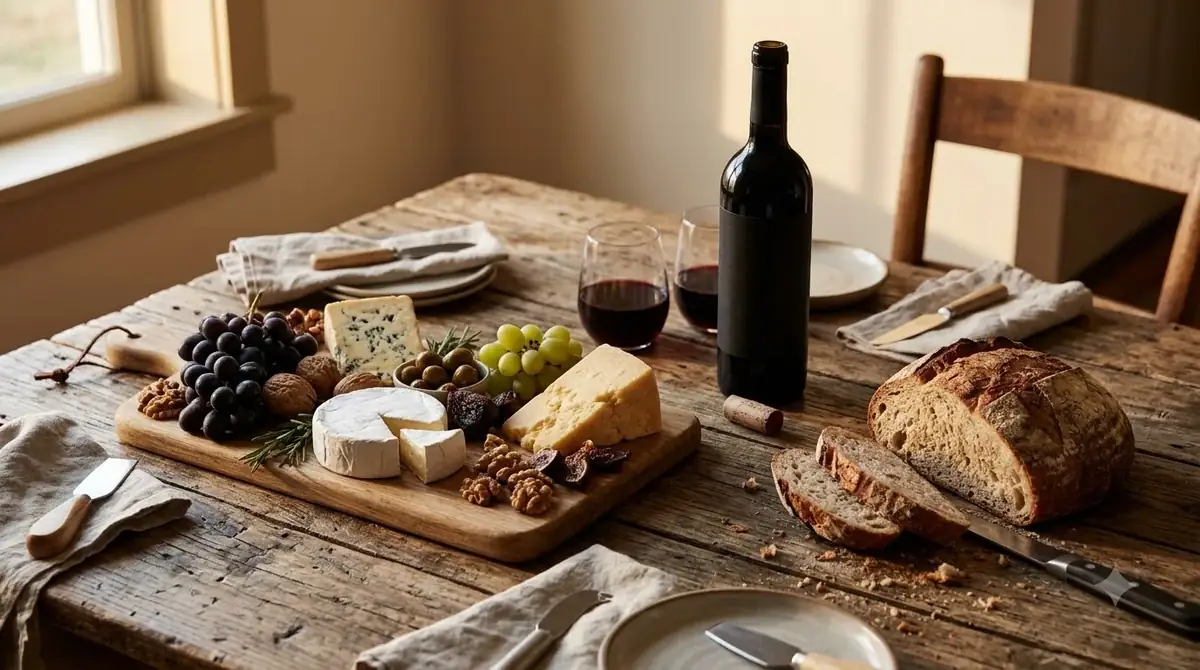
Black muscat wines are best served in the style they were made for. Sweet, dessert-style wines pair well with fruit tarts, light cakes and soft cheeses, and they can also be served alone after a meal. Drier red wines made from the grape can be served with simple dishes such as roast poultry, grilled sausages or tomato-based pasta, where the light body fits easily alongside the food.
Serve sweet black muscat wines chilled, which helps the perfume stay bright without making the wine feel heavy. Keep a light red version cool rather than warm so that the fruit stays fresh. Because the aroma is strong, avoid pairing the wine with very spicy or heavily perfumed foods, which can overwhelm the glass.
Buying and Reading Labels
Black muscat can appear under several names, so the label is worth reading closely. Look for Muscat Hamburg, Black Hamburg or the local name in the region where the wine was made. The vintage, the producer and the words dessert, late harvest or dry will tell you more about the style than the grape name alone.
Availability depends on the region and the season. Table grapes appear in produce markets when they are in season, while wines are sold through specialist shops and direct from producers. If you want to try the grape, look for a wine that clearly lists the variety and describes its style, and start with a small bottle to learn how the perfume and sweetness fit your taste.
Frequently Asked Questions
What is black muscat grape?
Black muscat, also called Muscat Hamburg, is a red grape variety used for table grapes, dessert wines and light red wines. It is a cross of Schiava Grossa and Muscat of Alexandria.
Is black muscat the same as Black Hamburg?
Black Hamburg is a name used for this grape in the United States, but the same name is also used in some sources for the grape’s maternal parent. Check the variety name in the catalog or on the label.
Is black muscat a sweet grape?
Often, yes. As a table grape it is sweet and aromatic, and in dessert wines it is typically rich and sweet. In Eastern Europe it is sometimes made into a light, dry red.
Where is black muscat grown?
It is grown in California, Virginia, Oregon, Texas, Washington and the Pacific Northwest, as well as parts of Vancouver Island, India, China and Eastern Europe.
The black muscat grape is a good example of how one variety can serve many purposes. Taste a sweet dessert version and a light dry red to see how the same aromatic character changes with winemaking. For a broader view of the grapes that appear on shop shelves, browse the wine by type guide, or compare the aromatic whites in the fiano grape guide.
More in Wine Types & Grapes
 Zinfandel Sugar Content: Dry Red vs. White Zinfandel GramsUpdated Nov 21, 2026
 Best Zinfandel Substitute Options for Sipping and CookingUpdated Nov 21, 2026
 Zweigelt Food Pairing: Best Dishes, Cheeses, and Serving TipsUpdated Nov 21, 2026
 Zinfandel Tannins Explained: How Structure Shapes Every BottleUpdated Nov 21, 2026
 Zinfandel Sweetness Level: Dry Red vs. Sweet White Zin ExplainedUpdated Nov 21, 2026
 Xinomavro Food Pairing: Best Dishes, Styles, and Serving TipsUpdated Nov 21, 2026