

We may earn a commission when you buy through links on this page, at no extra cost to you. Learn more.
Why do you swirl wine? Swirling moves the wine across the inside of the glass, which pulls in oxygen, opens the wine up, and helps its aromas rise toward your nose. Vinepair’s wine glass guide describes swirling as a way of aerating the wine so its scent comes forward. The motion does not change the wine’s basic character, but it can make the aromas easier to notice and the flavors feel more open.
Swirling looks like a habit borrowed from wine shows, and it can seem fussy at first. Yet the movement has a clear purpose tied to how wine releases its aromas. Once you understand the reason, the motion becomes a simple tool for tasting, not a ritual you have to perform. This guide explains what swirling does, when it matters most, and how to swirl without spilling.
What happens when you swirl a glass of wine
When you swirl, the wine travels up and around the bulb of the glass, spreading across a larger surface. Vinepair describes the action as churning the liquid as it moves around the bulb. That churning draws air into the wine, which is the aeration step most people are looking for. The wine is exposed to more oxygen for a short period, and its scent becomes easier to detect.
The process is brief, so swirling does not change the wine dramatically. It is a quick way to wake up the aromas and to let the wine breathe a little before you taste. A short swirl or two is usually enough, and a longer session does not necessarily improve the result.
Why aroma matters so much
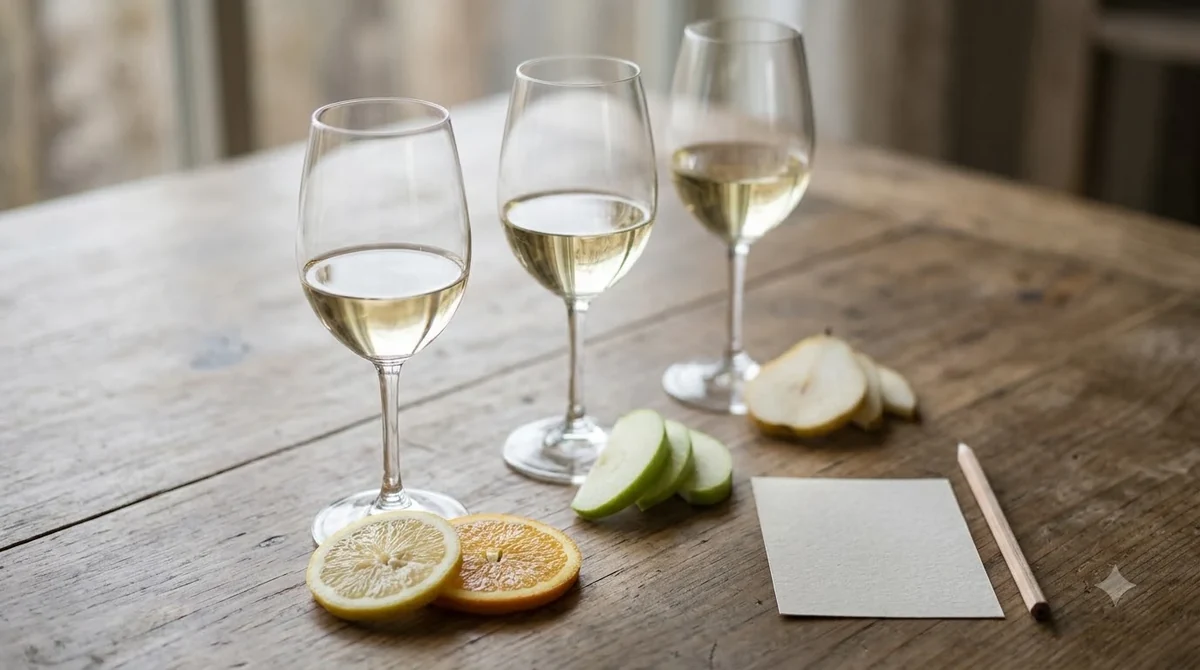
Most of what people call flavor is actually smell. Aroma compounds rise from the wine, travel up the glass, and reach the nose, where they combine with taste on the palate. When a wine is still, those compounds may stay close to the surface of the liquid, and the scent can seem muted. Swirling helps release more of those compounds into the air above the wine, so the nose can pick up more of the fruit, spice, floral, or savory notes.
Vinepair notes that swirling helps the wine release its aromas, and that holding the stem makes the motion easier to control. This is why many tasters bring the glass up to the nose after a swirl and take a short, deliberate sniff. The aroma you smell first is often the most vivid, before the wine settles.
How the glass shape helps
Glass shape plays a role in how well a swirl works. A wider bowl gives the wine more surface area and room to move, which makes the motion more effective. A narrower glass holds the aromas closer to the rim, which can concentrate the scent when you lift the glass to your nose. Vinepair’s glass guide makes the point that different wines benefit from different glass shapes, and the swirl works best when the bowl gives the wine enough room to travel.
Stemware also matters for a practical reason. Holding the stem keeps your hand away from the bowl, so the wine stays at its serving temperature. Warmth from your fingers can change how the wine tastes, especially for lighter whites and sparkling wines that are served cold.
| Swirl detail | What it does |
|---|---|
| Churning the liquid | Moves the wine around the bulb and spreads it across the glass |
| Drawing in oxygen | Aerates the wine so it opens up |
| Releasing aromas | Lets scent compounds rise toward the nose |
| Holding the stem | Makes the motion steadier and keeps the bowl cool |
When swirling makes the biggest difference
Swirling is most useful for wines with a lot of aroma, such as aged reds, aromatic whites, and some sparkling wines. Those wines often hold scents that benefit from a little air. A simple young red or a plain table white may gain less, but a quick swirl still helps you notice the nose before the first sip.
Oxygen also changes some wines over a longer period. A bottle left open for days will taste different than a fresh pour, and the swirl is not a substitute for proper storage. If you are curious about how wine interacts with air after opening, the guide on why wine has sulfites covers a related chemistry question.
How to swirl without spilling
The biggest risk with swirling is spilling the wine, especially in a tight space or with a full glass. Keep the glass low, with the base resting on the table, and make small circles rather than large sweeping motions. Filling a glass only about a third of the way gives the wine room to move without leaving the bowl.
Hold the glass by the stem, not the bowl, and keep the motion gentle. Place your other hand near the base to steady the glass. Practice on a glass of water first if you are new to the motion. Once you have the rhythm, the swirl takes only a few seconds and fits easily into a normal tasting.
Does swirling change the taste?
Swirling changes the aroma more than the taste. Oxygen can soften harsh notes and open the wine up, which many people perceive as a fuller flavor. Vinepair says swirling can enhance the tasting experience even though it may seem fussy. The effect is real but modest, and it is strongest when the wine has a lot of aroma to offer.
Temperature and glass choice have effects that can be just as noticeable. A cold white in a large bowl can warm quickly if you hold it too long, and a warm red can taste flat. Keeping the wine at a suitable temperature and using a bowl that suits the style will often matter as much as the swirl itself.
Tip: Swirl, then sniff before you sip. Take one short, gentle inhale near the rim, then a second one slightly deeper. The first scent is often the clearest, so note what you smell before the wine settles.
Swirling at a tasting or dinner table
At a dinner table, swirling is a small courtesy that signals you are paying attention to the wine. Guests usually notice when someone takes a moment to smell the glass before tasting, and it can start a useful conversation about what the wine shows. You do not need to swirl every glass or every time. A quick swirl before the first taste is enough to set up the rest of the tasting.
At a formal tasting, swirling becomes a routine step. Tasters often swirl, sniff, sip, and then reassess after the wine has sat in the glass for a minute. The aromas change as the wine opens, so a second smell can reveal notes that the first one missed. Keeping the glass low on the table between sniffs helps the wine stay steady and makes the process easier to repeat.
Frequently Asked Questions
Why do wine experts swirl wine?
Swirling aerates the wine and releases aroma compounds into the air above the glass. That makes the nose easier to read, which is why experts use the motion before tasting.
Does swirling wine add oxygen?
Yes. Vinepair describes swirling as drawing in oxygen from the air and opening the wine up. The exposure is brief, so the effect is a quick aeration rather than a major change.
Should you swirl white wine as well as red?
You can, and aromatic whites often benefit from a short swirl. Hold the stem and keep the motion gentle, since a cold white can warm up if you hold the bowl for long.
Does the glass shape matter when you swirl?
It does. A wider bowl gives the wine more room to move and spread across the glass, which makes the swirl more effective. Vinepair’s glass guide notes that different wines suit different glass shapes.
Swirling wine is a simple way to release aromas and add a little air before you taste. Keep the motion gentle, hold the stem, and use a glass with enough room for the wine to move. For more wine basics, visit the Wine Q&A section, or read whether red wine can be chilled to get the serving temperature right before you swirl.
More in Wine Basics
 Which Rose Is Best for Your Taste, Budget, and Food PairingsUpdated Nov 21, 2026
 Is Cheap Wine Bad? How to Find Bottles Worth DrinkingUpdated Nov 21, 2026
 What To Write On A Wine Gift Tag: Thoughtful Messages For Every OccasionUpdated Nov 21, 2026
 Which Wine Is Best For Weight Loss? Compare Lower-Calorie ChoicesUpdated Nov 21, 2026
 What Is The Best Wine For Mimosas? Choose Bubbly That Balances Orange JuiceUpdated Nov 20, 2026
 Which Prosecco Is Best for Your Taste and OccasionUpdated Nov 20, 2026