

We may earn a commission when you buy through links on this page, at no extra cost to you. Learn more.
Calories in dry red wine usually come to about 85 kilocalories per 100 grams, or roughly 120 to 130 calories in a standard 5-ounce pour. Most of those calories come from alcohol, with only a small amount from residual sugar, and the exact number shifts with the wine’s alcohol level and style.
If you are tracking what you drink, dry red wine is one of the easiest drinks to estimate once you know the basic numbers. The total depends on how much alcohol the wine contains, how much sugar is left after fermentation, and how much you pour. This guide explains where the calories come from, what a typical glass looks like, and how to estimate a bottle without guessing.
The Basic Calorie Number
The Wikipedia entry on wine lists red table wine at 355 kilojoules, or 85 kilocalories, per 100 grams. That figure is a good starting point for a dry red, because dry wines contain very little residual sugar. The same nutrition table lists sugars at 0.6 grams per 100 grams for red table wine, a small amount compared with the total energy.
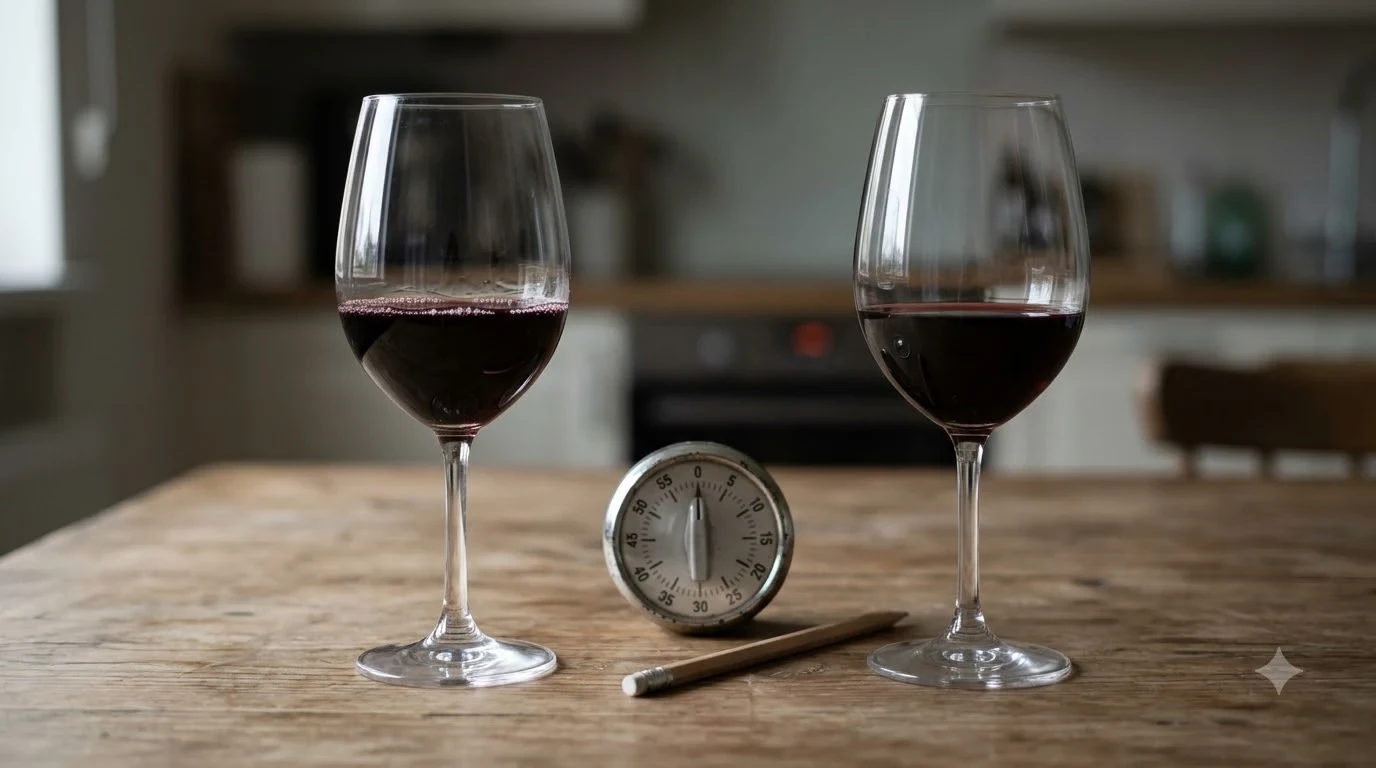
That per-100-gram figure is the easiest number to work with because it applies regardless of the bottle size. A 5-ounce pour weighs roughly 148 grams, so a rough estimate is about 125 calories. Real pours vary, and a generous glass at a restaurant may contain more, so it helps to measure at home at least once to see what a pour looks like in your own glassware.
| Serving | Approximate calories | Basis |
|---|---|---|
| 100 grams of red table wine | About 85 kcal | Wikipedia nutrition figure |
| 5 fl oz (about 148 g) pour | About 125 kcal | Estimate from the 100 g figure |
| 750 ml bottle (about 750 g) | About 640 kcal | Estimate from the 100 g figure |
| Half bottle (about 375 g) | About 320 kcal | Estimate from the 100 g figure |
Where the Calories Come From
Alcohol is the largest source of calories in wine. Alcohol provides energy on its own, and it is the main reason a wine with a higher alcohol level will carry more calories than a lighter one. Sugar also contributes, but in dry wines the amount is small because yeast has converted most of the sugar into alcohol during fermentation.
Other compounds, such as glycerol and acids, also add a little energy, though they are not the main driver. This is why two dry reds with the same sugar content can still differ in calories when their alcohol levels differ. The gap is easy to see on the label, which often lists alcohol by volume.
How Alcohol Level Changes the Count
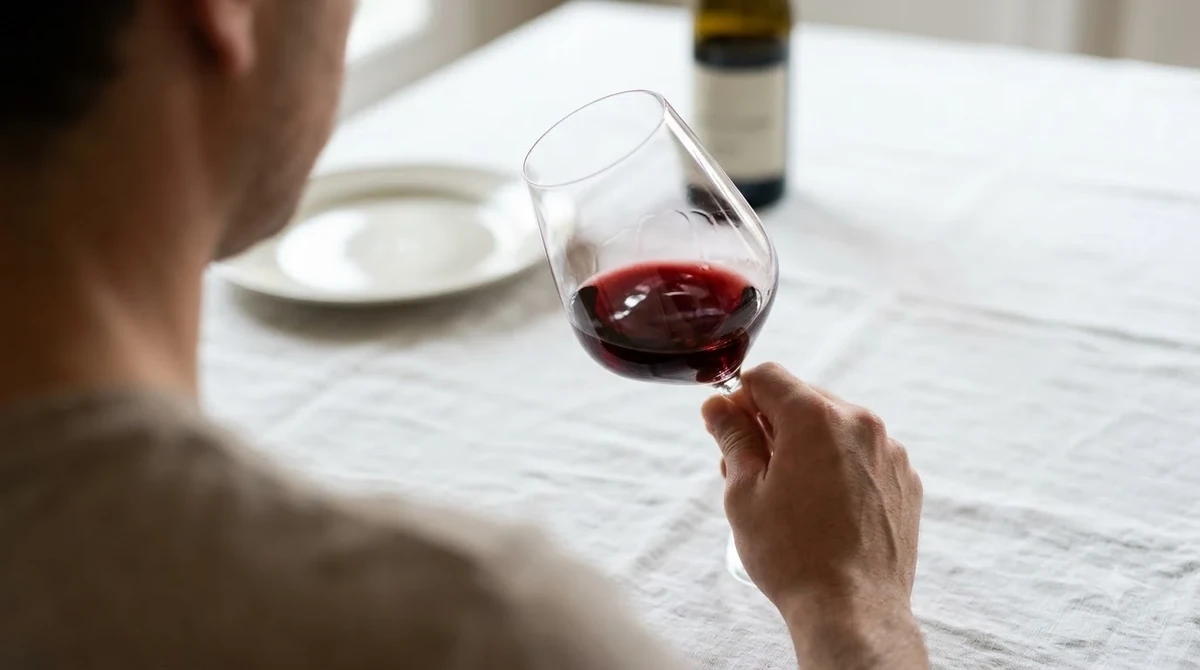
The Wikipedia entry on wine gives a typical range of 12.5 to 14.5 percent alcohol by volume for table wine, and it lists red table wine at 13 percent by volume, which sits in the lower half of that band. Wines at the lower end of the range tend to have fewer calories per glass, while bold, high-alcohol reds sit at the top.
Alcohol level depends on the grape, the climate and the winemaker’s choices. Warm regions often produce riper grapes with more sugar, which can become more alcohol if the winemaker lets fermentation finish. Cooler regions may yield lower-alcohol wines. The result is that two dry reds can look similar in color but differ in calories by a noticeable amount.
Dry Versus Sweet Red Wine
The word “dry” refers to residual sugar, not to calories. A dry red wine has very little sugar left, while a sweet or semi-sweet red keeps more. Because sugar carries calories, a sweet red usually has more energy per glass than a dry one at the same alcohol level.
The sugar in dry reds is low, but it is not zero. The Wikipedia nutrition table lists 0.6 grams of sugars per 100 grams for red table wine, and that small figure is a useful reminder that dryness is a matter of degree. When you see a label that says “dry” but lists a high alcohol level, the alcohol will usually account for most of the calories.
Estimating Calories for a Bottle or a Night Out
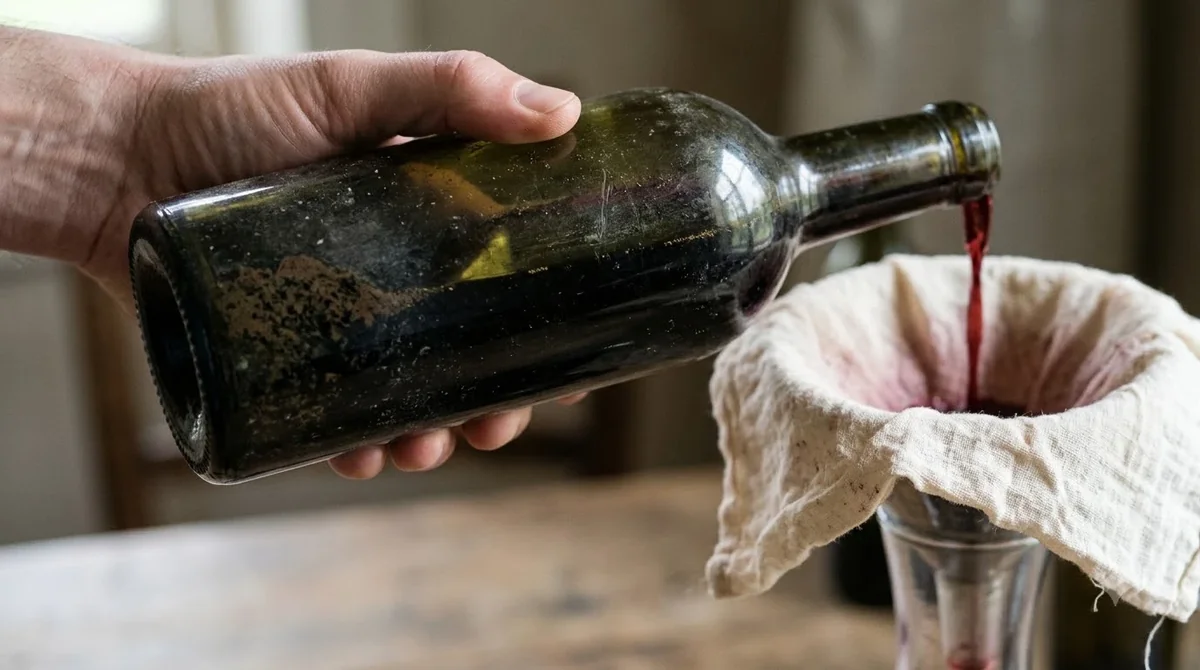
To estimate a full bottle, multiply the per-100-gram figure by about seven and a half. That gives roughly 640 calories for a 750-milliliter bottle, which is a rough estimate because the actual weight of the wine depends on its density and alcohol level. Splitting the bottle among four people, for example, gives about 160 calories each, though the number will be higher or lower depending on pour size.
When you eat out, the pour is usually the biggest unknown. Many restaurants pour five ounces or more, and some pour larger amounts. If you want a fixed number, measure one glass at home with the same glass you usually use, then count how many glasses are in the bottle. That simple step is more accurate than any general estimate. If a bottle lasts several evenings, count the glasses you actually pour across all of them rather than estimating by the night, since the per-glass number stays the same however the bottle is shared out.
Serving size also changes how a meal adds up. A 5-ounce glass and a 9-ounce glass of the same wine differ by almost double in calories, even though the wine is identical. Many people find it useful to pour into a smaller glass or to set a fixed amount before the meal starts, because that makes the total easier to track than estimating by eye.
Comparing Dry Red With Other Wines
Dry red wine is one of the more moderate options by calorie count, but the difference from other wines depends on style. Sparkling wines, sweet wines and fortified wines differ from a dry red in both sugar and alcohol, so their totals can be quite different. Reading the alcohol level and the sugar content is the most reliable way to compare.
Some readers also want to compare dry red with dry white. In most cases the per-glass totals are similar, because both are dry and both fall within a similar alcohol range. The bigger differences tend to come from the alcohol level of a specific bottle rather than from the color of the wine.
Frequently Asked Questions
How many calories are in a glass of dry red wine?
A standard 5-ounce glass of dry red wine is roughly 125 calories, based on the commonly cited figure of about 85 calories per 100 grams. Bigger pours and higher-alcohol wines will add more.
Where do most of the calories in dry red wine come from?
Most of the calories come from alcohol. Residual sugar adds a small amount, and dry wines contain very little of it after fermentation.
Does a higher alcohol wine always have more calories?
In general, yes. Alcohol provides energy, so a higher alcohol level usually means more calories per glass. Sugar levels also matter, but in dry reds alcohol is the bigger factor.
How can I check the calories in a specific bottle?
Start with the alcohol by volume on the label, then estimate from the per-100-gram figure. Some producers publish nutrition or tech sheets with more precise numbers, and those are the best source for a specific bottle.
Dry red wine is easy to estimate once you know the per-100-gram figure and the alcohol level on the label. For related numbers, see the guides on calories in sparkling wine and calories in vermouth, or compare with calories in white zinfandel. The full Wine by Type guide lists other styles to compare.
More in Wine Types & Grapes
 Zinfandel Sugar Content: Dry Red vs. White Zinfandel GramsUpdated Nov 21, 2026
 Best Zinfandel Substitute Options for Sipping and CookingUpdated Nov 21, 2026
 Zweigelt Food Pairing: Best Dishes, Cheeses, and Serving TipsUpdated Nov 21, 2026
 Zinfandel Tannins Explained: How Structure Shapes Every BottleUpdated Nov 21, 2026
 Zinfandel Sweetness Level: Dry Red vs. Sweet White Zin ExplainedUpdated Nov 21, 2026
 Xinomavro Food Pairing: Best Dishes, Styles, and Serving TipsUpdated Nov 21, 2026