

We may earn a commission when you buy through links on this page, at no extra cost to you. Learn more.
Nashik wine comes from the Indian district of Nashik in Maharashtra, where a tropical climate and a dry winter season support commercial wine grapes. The wines tend to reflect the grape varieties that each producer plants, so the label, the variety and the producer matter more than a single regional style. Sula Vineyards, the largest vineyard in the district according to Wikipedia, is the producer most often found in Western shops and restaurants, and its profile lists a broad range of white and red varieties.
This guide covers what Nashik wine usually tastes like, how to read a label, how to serve bottles at home and how to pair them with food. It is aimed at readers who are new to Indian wine and want practical guidance rather than a list of estates to visit. For the land and growing conditions behind the bottle, see the Nashik vineyards guide.
What Nashik Wine Is Made From
Nashik wine is a product of planting choices as much as place. Wikipedia’s profile of Sula Vineyards lists Chenin blanc, Riesling, Sauvignon blanc, Viognier, Grenache and Zinfandel in its infobox, and the article also mentions Shiraz, Cabernet Sauvignon, Chardonnay, Tempranillo, Malbec and Merlot among its grapes. Those names show a winery working with both cool-climate white varieties and warm-climate reds, which is typical of a producer trying different styles across one season.
The article on Nashik does not name particular grape varieties for the district as a whole, so the safest approach is to read each bottle’s label and treat the variety as the main guide to taste. A label that lists Chenin blanc or Sauvignon blanc points to a different glass of wine than one that lists Shiraz or Cabernet Sauvignon, even when both come from the same town.
Common Styles You Will Find
Most of the Nashik wines available outside the region are dry table wines in white, rosé and red. The styles follow the grape. Aromatic whites tend to show fresh fruit and a light, clean finish, while the reds are usually fuller and carry more tannin, which gives them a firmer structure in the mouth.
Sparkling and sweeter styles exist in many wine markets, but they are less central to the regional reputation, so a shopper should confirm the sweetness on the label or in the producer’s notes. Where the label is vague, a short description in the tasting notes or from the retailer is often the fastest way to check whether a bottle is dry or off-dry.
Quick Comparison of Common Variety Groups
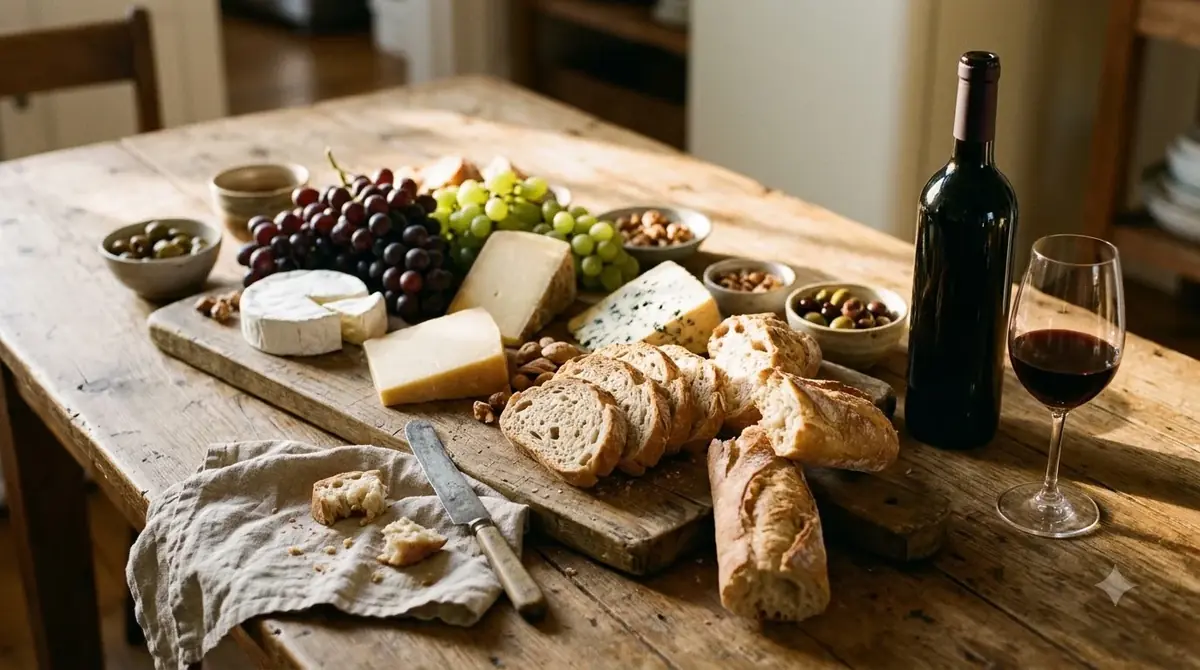
The table below groups the varieties most often named in Nashik producer material by their broad style. It is a starting point for choosing a bottle, not a ranking, because the same grape can taste very different depending on the vineyard, the winemaker and the year.
| Variety group | Examples named in Wikipedia’s Sula profile | Typical style to expect |
|---|---|---|
| Aromatic whites | Riesling, Viognier, Chenin blanc | Fresh, floral or fruit-led, light to medium body |
| Crisp whites | Sauvignon blanc, Chardonnay | Clean, citrus or tropical notes, lighter oak influence |
| Rich reds | Shiraz, Cabernet Sauvignon, Malbec | Fuller body, firmer tannin, darker fruit |
| Medium reds | Merlot, Tempranillo, Zinfandel | Softer tannin, red fruit, easier drinking |
Many labels also show the vintage year, the alcohol level and a short sentence on the style. Read those lines together. A label that gives a clear alcohol figure and a plain description of body and sweetness is usually easier to match with food, and it helps you compare one bottle with another when the grape names are unfamiliar.
When a bottle lists a variety that is not in the table, look at the body and tannin descriptors on the label first. The grape name is useful, but the producer’s own notes will say more about how the wine was made.
How to Serve Nashik Wine at Home
Serving temperature changes how a wine tastes, and the right range depends on the variety. Wine Folly advises serving Riesling at 38 to 45 °F (3 to 7 °C) in a white wine glass, noting that it does not need decanting. For Cabernet Sauvignon, the same site gives a serving range of 60 to 68 °F (15 to 20 °C), which is cooler than many people expect for a red.
Serve the reds slightly below room temperature in a warm kitchen, and chill the whites for about an hour before pouring. A simple test is to take a bottle out of the fridge about ten minutes before serving and see how the aromas open as it warms. Use a standard tasting glass for most bottles and fill it no more than halfway so the wine can show its aroma.
Food Pairing Ideas
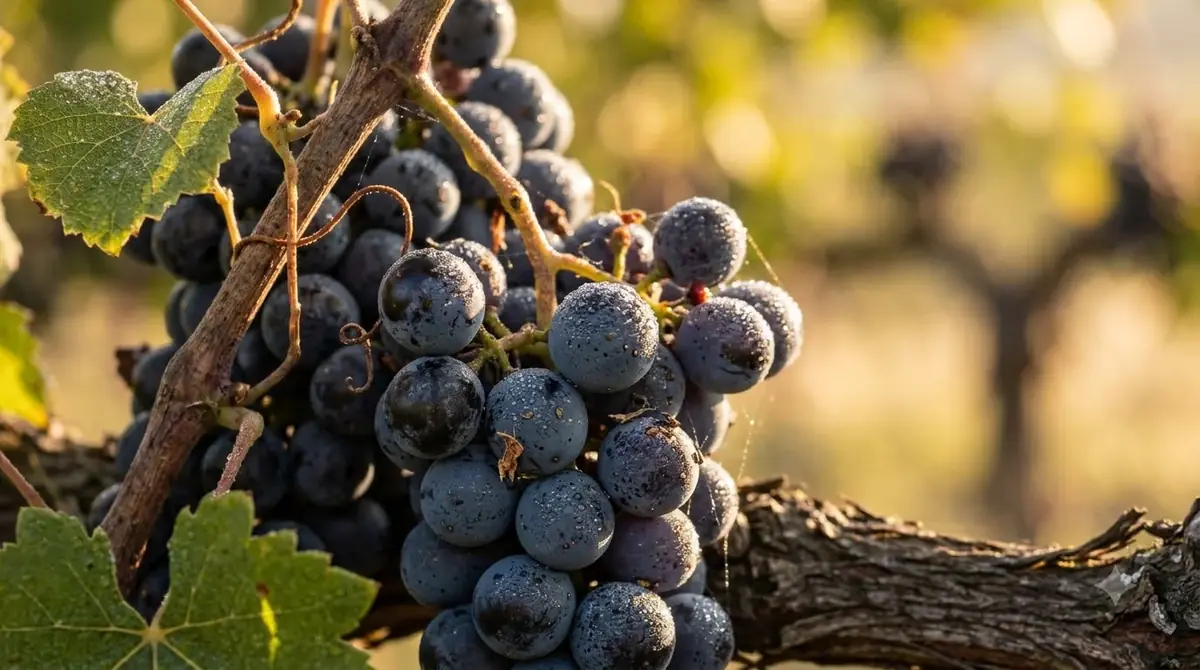
Pairings work best when the wine’s body and acidity match the dish. Lighter aromatic whites suit spiced dishes, fresh salads and seafood, where their acidity keeps the palate clean. Richer reds go well with grilled meats, roasted vegetables and dishes with a bit of smoke or char.
Wine Folly describes Cabernet Sauvignon as a good partner for grilled meats, peppery sauces and boldly flavored dishes, because its high tannins hold up against fat and spice. For spicy cooking, a lightly sweet or off-dry white is often a safer choice than a full red, since heat can make tannin feel harsher on the palate.
How to Choose a Bottle
Start with the variety, then check the producer and the vintage. A producer that lists its winemaking method, tasting notes and grape sources usually gives more reliable information than one with only a brand name on the label. Avoid guessing from the price alone, because the cost of a bottle depends on distribution and import rules as much as on quality.
Storage matters as much as the label. Keep bottles out of direct sun and away from the kitchen stove, since heat speeds up ageing and can dull fresh aromas. Once opened, a white is best finished within a few days, kept in the fridge with the cork or stopper replaced, while a red keeps its character for a shorter time than many people expect. A cheap vacuum stopper slows the change, but it does not stop it, so plan to drink opened bottles soon after you open them.
If you are shopping in a store that carries only one or two Indian labels, buy a bottle from each style group in the table and compare them side by side. That gives a clearer sense of what the region produces than a single bottle can, and it helps you decide which variety to buy again.
Frequently Asked Questions
Is Nashik wine the same as Indian wine in general?
Nashik is one of the best-known wine districts in India, but it is not the only one. Wikipedia reports that in 2013 Nashik had 22 of the 46 wineries operating in India, so the district is a large part of the national wine industry without being the whole of it.
Which grape should I try first from Nashik?
Choose the style you already enjoy. If you prefer fresh, aromatic whites, look for Chenin blanc, Riesling or Viognier. If you like fuller reds, look for Shiraz or Cabernet Sauvignon on the label.
Should Nashik wine be decanted?
Most whites do not need decanting, and Wine Folly advises against it for Riesling. Fuller reds such as Cabernet Sauvignon can benefit from a short rest in the glass, but a quick check of the producer’s notes is the best guide.
How can I tell if a Nashik wine is dry?
Check the sweetness description on the back label or the producer’s website. Terms such as dry, off-dry or sweet are usually stated, and a retailer’s tasting note can confirm the style if the label is unclear.
Nashik wine rewards curiosity. Start with one or two varieties, compare them with food you already cook, and then move to a wider range of producers as your taste becomes clearer. For a wider view of how regions shape the wines of the world, the wine regions guide is a useful next step.
More in Wine Regions
 Willcox Wine Trail: Discover Arizona’s High-Elevation Wine CountryUpdated Nov 20, 2026
 Yakima Valley Wine Region: Find the Best Styles to TryUpdated Nov 20, 2026
 Vosne Romanee Wine Tasting: Identify Aromas and Choose Better PairingsUpdated Nov 20, 2026
 Yakima Valley Wine Festival: Find the Best Seasonal Wine EventsUpdated Nov 20, 2026
 Wales Vineyards: Discover Cool-Climate Wines and Where to VisitUpdated Nov 20, 2026
 Yountville Wine Festival: Discover Napa Wines and Local FoodUpdated Nov 20, 2026