

We may earn a commission when you buy through links on this page, at no extra cost to you. Learn more.
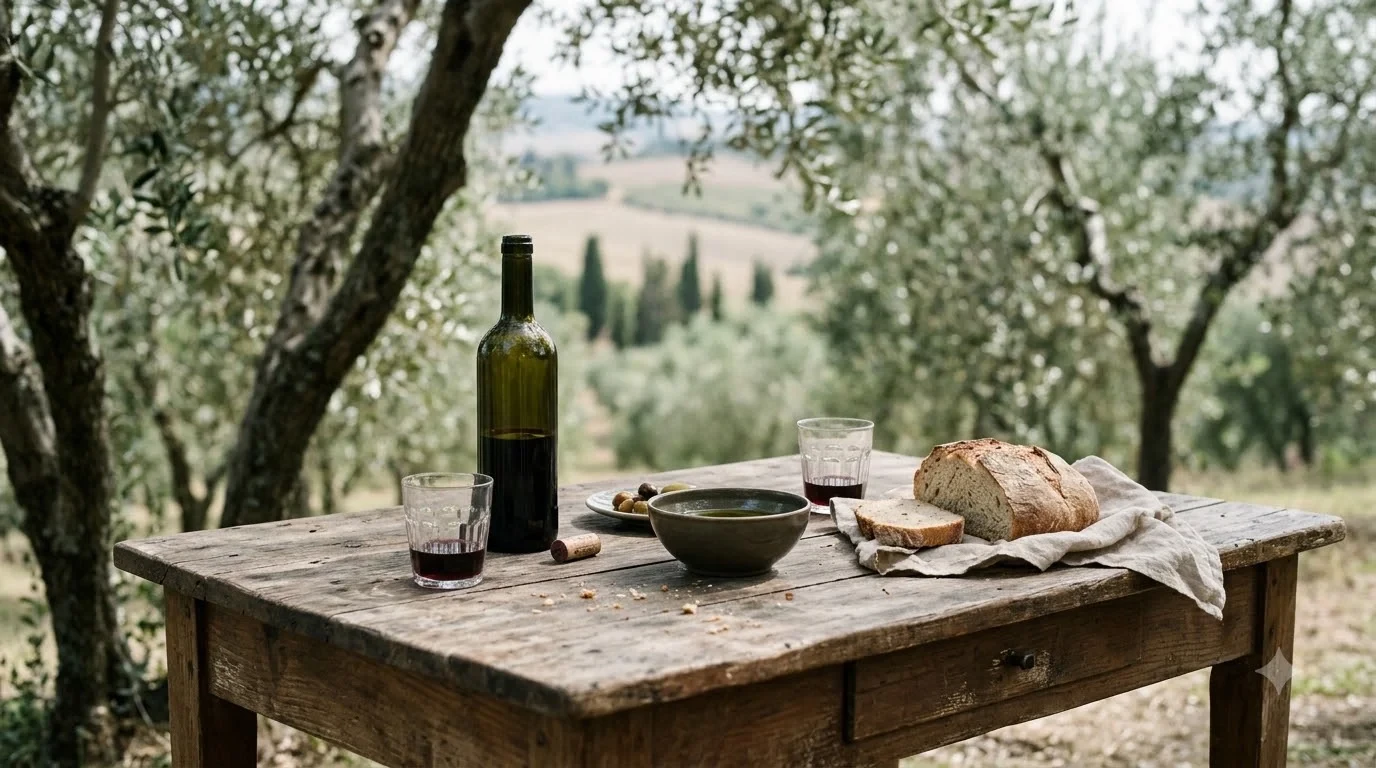
Adelaide Hills wine is usually crisp, aromatic, and fresh, with Sauvignon Blanc and Chardonnay leading the white styles and Pinot Noir leading the reds. The cool growing conditions give these wines bright acidity and a clean finish, which makes them easy to match with food and to enjoy without heavy oak.
If you are shopping for Adelaide Hills wine, the question is less about the region’s geography and more about what is in the glass. This guide focuses on the styles you are likely to find, how to choose a bottle, how to serve it, and what to eat with it. For the place itself, including its boundaries and subregions, see our separate guide to the Adelaide Hills wine region.
The style at a glance
Adelaide Hills wines tend to share a common thread. The cool climate slows ripening, so the fruit keeps its acidity, and the flavors stay lively rather than jammy. Whites often show citrus, green herb, and stone fruit, while reds lean toward red berries, herbs, and a savory finish. Producers vary in how much oak they use, so two bottles of the same grape can taste quite different.
According to the Wikipedia entry for the Adelaide Hills wine region, white varieties make up about two-thirds of the region’s plantings, with Sauvignon Blanc the largest single variety and Chardonnay second. That balance explains why the white wines are the region’s most familiar export style, though the reds have a loyal following.
Sauvignon Blanc from the hills
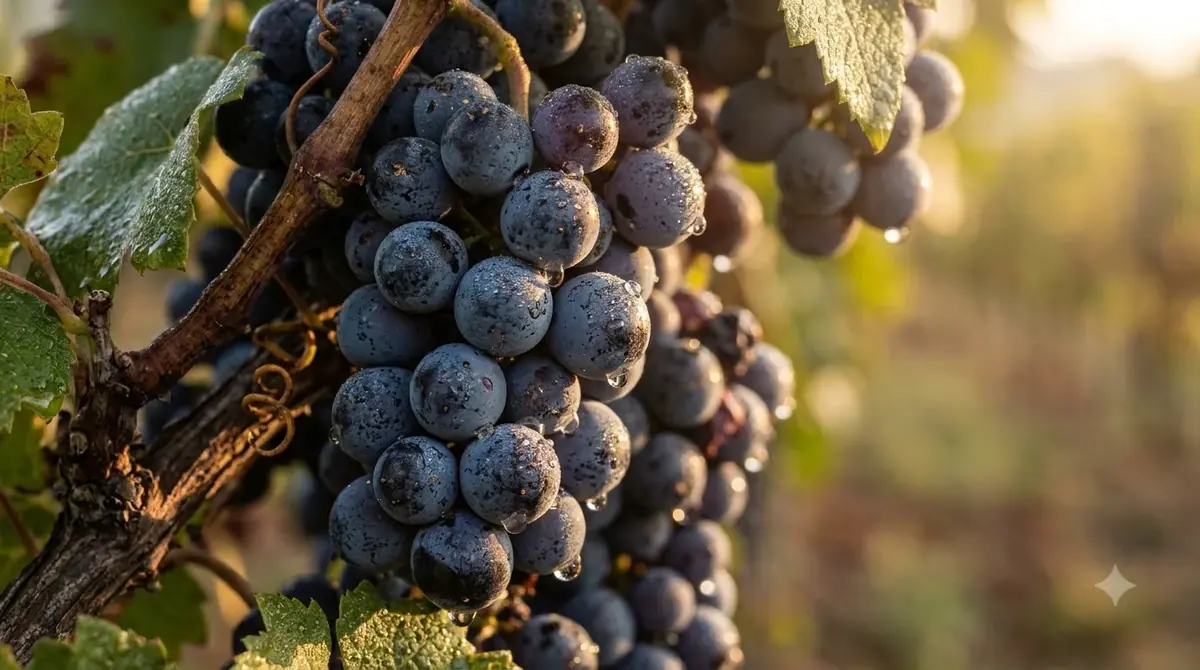
Sauvignon Blanc is the wine most people associate with the region. Expect a bright, lifted nose of citrus, passionfruit, and green herb, and a crisp palate with a clean, refreshing finish. The best examples carry a sense of minerality that comes from the hillside soils and cool nights.
These wines are excellent as an aperitif and pair well with fresh salads, goat cheese, grilled seafood, and light chicken dishes. Serve them chilled but not ice cold, around the temperature of a cool fridge, so the aromas open up. Most Sauvignon Blanc is meant to be drunk young, within a year or two of the vintage.
Chardonnay and Pinot Gris styles
Chardonnay from the Adelaide Hills covers a wide range. Some producers make lean, mineral wines with little or no oak, which keep the apple and citrus notes sharp. Others use barrel fermentation or oak aging to add texture, vanilla, and a softer finish. If you prefer a fresher style, look for “unwooded” or “lightly oaked” on the label or ask the staff directly.
Pinot Gris is also part of the picture. It is a lighter white with pear and floral notes, and it suits easy-drinking evenings. Because the variety is less common than Sauvignon Blanc, it can be a good way to try something different from the region.
| Wine | Typical aroma and taste | Good with |
|---|---|---|
| Sauvignon Blanc | Citrus, passionfruit, green herb, crisp finish | Salads, goat cheese, grilled seafood |
| Chardonnay (unwooded or lightly oaked) | Apple, citrus, mineral, clean finish | Roast chicken, creamy pasta, shellfish |
| Chardonnay (oaked) | Vanilla, toast, richer texture | Roast pork, mushroom dishes |
| Pinot Noir | Red berries, herbs, savory edge | Duck, salmon, mushroom dishes |
Pinot Noir and the reds
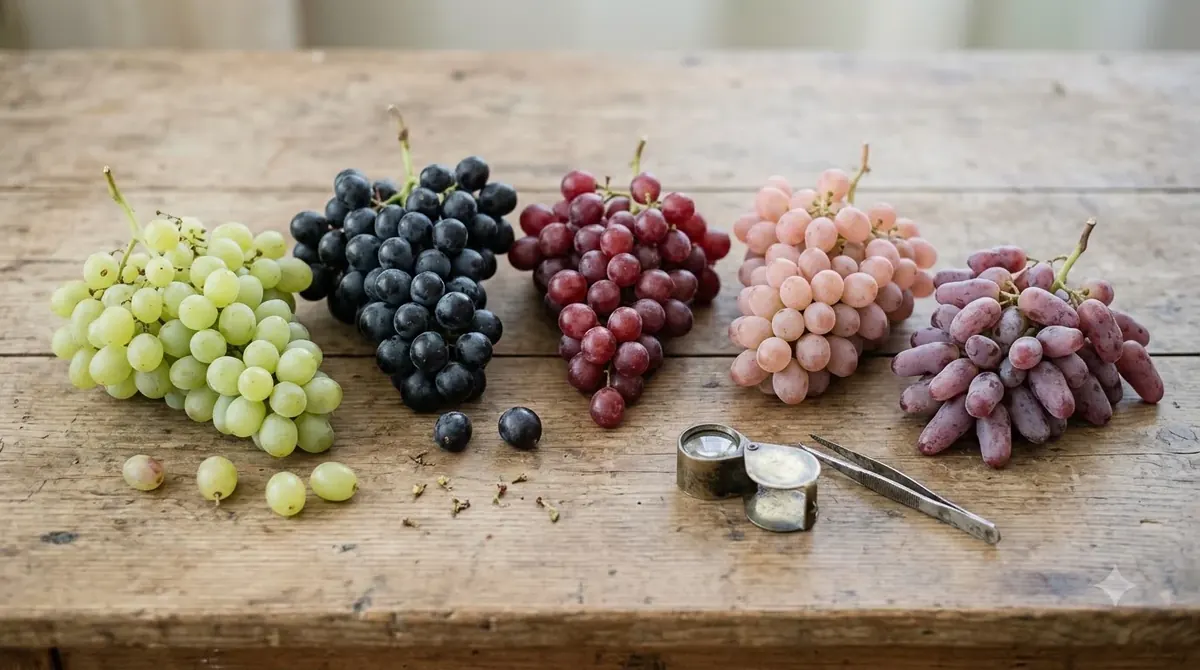
Pinot Noir is the region’s most important red. It rewards the cool climate with fresh red fruit, delicate tannins, and a savory finish. Good examples have a silky texture and a lighter body than many Australian reds, so they suit a wide range of foods and are easy to enjoy with dinner.
Serve Pinot Noir slightly cool, around cellar temperature, rather than warm from a sunny room. A brief time in the fridge before serving brings out the fruit and keeps the wine from tasting heavy. Pair it with duck, roasted salmon, or mushroom dishes where its acidity and earthiness can shine.
Reds from the region are a smaller part of the story, but they show how far the cool climate can carry a wine. Lighter reds often feel more like a fresh white in texture than a heavy red, and they suit people who find big Australian reds too powerful. If you are unsure, begin with a glass of Pinot Noir and compare it with a Sauvignon Blanc on the same evening. The contrast tells you quickly which style you prefer.
How to choose a bottle
Start with the grape you enjoy most, then look at the style. If you like crisp, bright whites, choose a Sauvignon Blanc or an unwooded Chardonnay. If you want more texture, choose an oaked Chardonnay. For reds, Pinot Noir is the obvious starting point, and it is often the best value for a cool-climate bottle.
Read the back label for the producer’s description, and note whether the wine is from a single vineyard or a blend. Single-vineyard wines show more of the site and often cost more, while blends tend to be consistent and reliable for everyday drinking.
Tip: Ask the staff at a wine shop or cellar door which bottle they would open at home on a weeknight. The answer often points you to a good value wine you would not have found on your own.
Serving and storage
Most Adelaide Hills whites are best served chilled and enjoyed within a year or two. Keep them in the fridge and drink them before the freshness fades. Reds keep a little longer, but the same rule applies: lighter styles such as Pinot Noir are best drunk young, while structured wines can age for several years when stored cool and dark.
Once opened, a white wine lasts a few days in the fridge with the cork or cap replaced, and a red lasts a short time at cool room temperature. Both fade gradually, so finish the bottle within a day or two for the best flavor.
Food pairing ideas
Cool-climate wines suit light, fresh dishes and food with herbs and citrus. Sauvignon Blanc matches shellfish, asparagus, and goat cheese, while Chardonnay suits roast chicken, creamy pasta, and grilled fish. Pinot Noir is a versatile red for mushrooms, duck, and salmon. If you are planning a menu, match the wine’s acidity to the richness of the dish, and bring in a little salt or herb to tie the flavors together.
For more food matches, see our wine regions guide, which compares how regional styles fit different meals, or read about gavi wine tasting to see how another crisp white compares with the Adelaide Hills style.
Frequently Asked Questions
What is the best Adelaide Hills wine to start with?
Sauvignon Blanc is a good starting point because it shows the region’s crisp, aromatic character clearly. Pinot Noir is the next step if you want to try a red.
Is Adelaide Hills wine sweet or dry?
Most wines from the region are dry. The cool climate keeps acidity high, so the wines tend to taste fresh and crisp rather than sweet.
Should I serve Adelaide Hills white wine chilled?
Yes. Serve whites chilled but not ice cold, so the aromas stay expressive. Pinot Noir is best served slightly cool, not warm.
How long can I keep an Adelaide Hills wine?
Most whites are best within a year or two of the vintage. Reds such as Pinot Noir are generally best young, though some structured bottles can age for several years when stored well.
Adelaide Hills wine is easy to enjoy once you know what to look for. Start with a Sauvignon Blanc or a Pinot Noir, pay attention to the oak, and match the bottle to the meal. For more on the place behind the wines, read our Adelaide Hills wine region guide, and plan a day of tastings with the region’s cellar doors in mind.
More in Wine Regions
 Willcox Wine Trail: Discover Arizona’s High-Elevation Wine CountryUpdated Nov 20, 2026
 Yakima Valley Wine Region: Find the Best Styles to TryUpdated Nov 20, 2026
 Vosne Romanee Wine Tasting: Identify Aromas and Choose Better PairingsUpdated Nov 20, 2026
 Yakima Valley Wine Festival: Find the Best Seasonal Wine EventsUpdated Nov 20, 2026
 Wales Vineyards: Discover Cool-Climate Wines and Where to VisitUpdated Nov 20, 2026
 Yountville Wine Festival: Discover Napa Wines and Local FoodUpdated Nov 20, 2026