

We may earn a commission when you buy through links on this page, at no extra cost to you. Learn more.
Argyle wine comes from Argyle Winery, an Oregon producer in the Willamette Valley that is known for sparkling wine, with Pinot Noir and Chardonnay also part of its lineup. The winery was founded in 1987 by Rollin Soles, and it is based in Downtown Dundee in the heart of the valley. This guide explains where Argyle comes from, what its wines are known for, and how to choose and serve a bottle.
If you have seen the Argyle name on a restaurant list or a shop shelf and wondered whether it is a sparkling wine, a Pinot Noir, or something else entirely, this page sorts out the basics. The name refers to an Oregon winery rather than a single wine, so the most useful way to understand it is through the winery’s history, its vineyard sites, and the styles it makes. Each section below covers one part of that picture.
What Argyle Wine Is
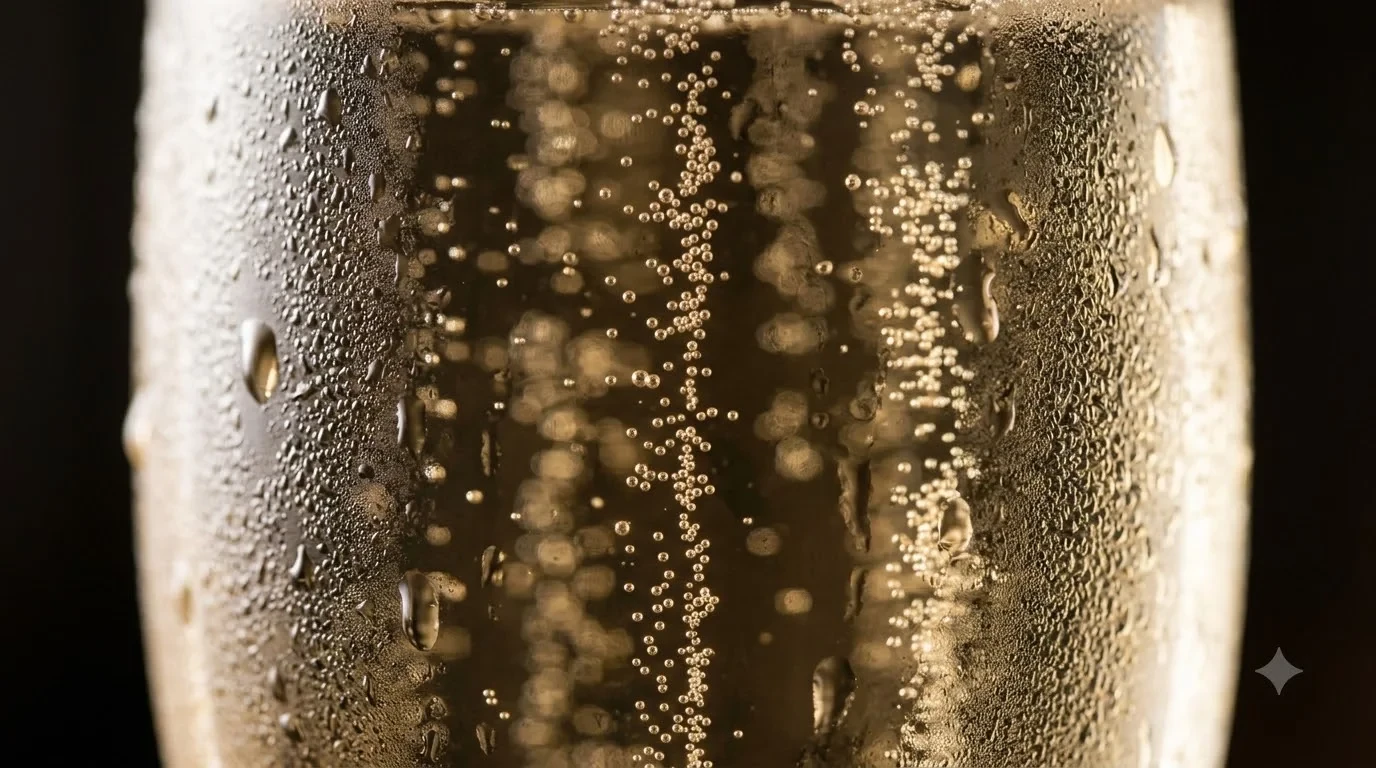
Argyle Winery is an Oregon producer that works in the Willamette Valley, a cool-climate region known for Pinot Noir and sparkling wine. The winery’s own pages describe a focus on sparkling wine made in the traditional method, along with still wines from the same vineyards. That combination is what sets Argyle apart from many other Oregon wineries that concentrate on still wine alone.
The winery’s tasting room sits in Downtown Dundee, which makes it an easy stop for visitors exploring the Dundee Hills. Because the wines are tied closely to their vineyards, the region’s climate and soils show up clearly in the glass. Shoppers who enjoy a sense of place in their wine often find Argyle a good example of what Willamette Valley winemaking looks like.
The Founding Story and Founder
Argyle was founded in 1987 by Rollin Soles, who had been drawn to the Willamette Valley since 1979. According to the winery’s own history, Soles set out to make sparkling wine in Oregon, judging the valley’s cool climate to be well suited to the job. The winery’s page on its sparkling story presents that decision as the foundation of the brand.
The winery also argues that its site helps shape the wine. One of its pages says the vineyards sit on ground that is purposely marginal for viticulture, and that this challenge gives the sparkling wines a sharper acidity. That claim comes from the winery itself, so it is best read as the producer’s view of its own vineyards. Still, it explains why the winery puts so much emphasis on its location.
Where the Grapes Grow
Argyle’s vineyards are in the Willamette Valley, with the winery’s pages naming the Dundee Hills and the Eola-Amity Hills as key growing areas. Both are known for well-drained soils and cool evenings, which help grapes hold their acidity. Together these hillside sites give the winery a wide base of fruit to draw on.
The hills matter for more than the numbers. Cool nights slow ripening, so the grapes keep more freshness, and the slopes improve drainage in a region that gets substantial rain. For sparkling wine in particular, that freshness is essential, since the wine needs enough acid to stay lively after the second fermentation in the bottle.
The Styles Argyle Is Known For
Argyle is most often associated with three categories: sparkling wine, Chardonnay, and Pinot Noir. The winery says it has been named to Wine Spectator’s Top 100 list for all three, and it describes itself as the only winery in the world to earn that combination. Treat that claim as the producer’s own statement, but the pairing of styles is a useful way to think about the range.
| Style | What to expect | Good for |
|---|---|---|
| Sparkling wine | Crisp, lively, with bright acidity and fine bubbles | Celebrations, brunch, and seafood |
| Chardonnay | Fresh and structured, with a clean finish | Roasted chicken, creamy pasta, and fish |
| Pinot Noir | Red fruit, silky texture, and gentle spice | Salmon, mushrooms, and roasted poultry |
The table reflects the general character of these styles rather than a tasting of any single vintage. Vintage conditions in Oregon change from year to year, so each release may show slightly different fruit and texture. The label and the winery’s current description give the most accurate picture of a specific bottle.
Winemaking Leadership at Argyle
Winemaking at Argyle has passed through a few hands over the decades. Its current winemaking team, led by Nate Klostermann according to a wine retailer’s listing, has guided the winery’s recent releases. A new winemaker usually shapes the style of the wines over time, so the leadership in place today is the best guide to what is likely in the bottle now.
Continuity is still an important part of the story. Careful blending and patient aging are the kinds of practices that tend to carry forward from one winemaker to the next. Looking at the producer’s current releases gives a clearer sense of the house style than comparing very old bottles.
How to Serve and Pair Argyle Wine
Serve Argyle sparkling wine well chilled in a flute or a tulip-shaped glass, which keeps the bubbles lively and the aromas focused. The Chardonnay also benefits from a cool serving temperature, and it pairs well with dishes that have some richness, such as roasted chicken or a cream-based pasta. The Pinot Noir is best served slightly cool rather than warm, so the fruit stays fresh and the texture stays silky.
Pairing is where Argyle’s range becomes especially useful. Sparkling wine is a natural match for fried foods and salty snacks, and it works with oysters and other shellfish. Pinot Noir has enough acidity to handle salmon, mushroom dishes, and roast duck, while Chardonnay can carry more weight than a lighter white. Matching the body of the wine to the body of the food is the simplest rule to follow.
When you shop for an Argyle bottle, the vintage and the bottling style are worth a closer look. Sparkling releases are often labeled by vintage or as non-vintage blends, and the difference affects the flavor you will get. A current-vintage bottle tends to show the fruit and acidity of a recent growing season, while an older release can develop softer, more toasty notes. Reading the back label or the winery’s release notes will tell you which style you are buying.
Tip: If you want to compare the winery’s styles at home, open a sparkling wine and a Pinot Noir from the same vintage side by side. The difference in texture and acidity will show you what the Willamette Valley does well.
Frequently Asked Questions
What is Argyle Winery known for?
Argyle is an Oregon winery known for sparkling wine, along with Chardonnay and Pinot Noir. It is based in the Willamette Valley and was founded in 1987.
Who founded Argyle Winery?
Rollin Soles founded Argyle in 1987. The winery’s own history says he had been drawn to the Willamette Valley since 1979 and wanted to make sparkling wine in Oregon.
Where are Argyle’s vineyards?
The winery names the Dundee Hills and the Eola-Amity Hills as its key growing areas, both within the Willamette Valley of Oregon. The tasting room is in Downtown Dundee.
Is Argyle a good sparkling wine to start with?
Argyle’s sparkling wines are a good choice for anyone who wants to learn about Oregon bubbles. Serve them well chilled, and compare one with a Pinot Noir or Chardonnay from the same winery to see how the styles differ.
If you are comparing Argyle with other sparkling options, the guide to La Marca Prosecco gives a useful contrast in style. For a sparkling bottle that is easy to find at a grocery store, the Stella Rosa wine guide offers a lighter, sweeter alternative, and the broader Wine Brands section covers more producers across the category.
For the winery’s own account of its founding, sparkling program, and vineyards, the Argyle Winery about page is the primary reference.
More in Wine Brands
 Underwood Wine Price: Compare Bottles, Cans, and Pack SizesUpdated Nov 21, 2026
 Zenato Wine Price: Compare Styles and Choose the Right BottleUpdated Nov 21, 2026
 Zuccardi Wine Price: Compare Bottles and Find the Right RangeUpdated Nov 21, 2026
 Yellow Tail Moscato Review: Taste, Sweetness and Serving TipsUpdated Nov 21, 2026
 Wolf Blass Yellow Label Review: Choose Your Best StyleUpdated Nov 21, 2026
 Wolffer Estate Rose Review: Choose the Right Bottle for Your TableUpdated Nov 21, 2026