

We may earn a commission when you buy through links on this page, at no extra cost to you. Learn more.
Chardonel wine is a white wine made from Chardonel, a hybrid grape created by crossing Seyval Blanc with Chardonnay. The grape was developed to keep some of Chardonnay’s flavor while being hardier in cold weather and more productive in the vineyard. Wines from Chardonel usually taste of green apple, pear and citrus, and they can carry a softer, more rounded texture when the winemaker uses oak or extra lees contact.
Chardonel is less familiar than Chardonnay, but it is a useful white for drinkers who like a fuller white wine with a clean finish. This guide covers where the grape came from, what its wines taste like, how to serve them, and which foods suit them. It also explains where the available information is thin, so you know which details are firm and which are still open.
Where Chardonel Comes From
Chardonel was produced by the New York State Agricultural Experiment Station, a research institution, by crossing two white grapes. One parent is Seyval, a French-American hybrid that already had good cold hardiness. The other is Chardonnay, the classic vinifera grape that produces many of the world’s best-known white wines. The reference entry for the grape lists the cross as half Seyval and half Chardonnay, with a recorded origin date of 1953.
The idea behind the cross is straightforward. Chardonnay gives quality and varietal character, while Seyval contributes resilience. Vinifera vines such as Chardonnay can struggle in cold winters, and growers in cooler areas often look for hybrids that survive those conditions without losing too much of the wine’s appeal. Chardonel is one of the varieties developed with that goal.
Flavor and Style
Chardonel wines typically show the fruit profile associated with Chardonnay: green apple, pear, lemon and sometimes tropical notes when the grapes ripen fully. Because the grape is late-ripening, it has time to build flavor on the vine, which is one reason the reference describes it as capable of making high-quality wine with clear varietal character.
The wine style depends on the winemaker. A stainless steel fermentation keeps the wine light, crisp and fruit-focused. Oak aging and lees contact add vanilla, butter and baking spice, and they make the texture rounder. Many producers choose a middle path, using a short stay in oak to add structure without masking the fruit. If you have tasted an unoaked Chardonnay, expect a similar fresh profile, with perhaps a slightly more rustic edge.
| Feature | Chardonel | Chardonnay |
|---|---|---|
| Parentage | Seyval Blanc crossed with Chardonnay | Vinifera variety from Burgundy, France |
| Cold hardiness | Described as stronger than Chardonnay | More sensitive to harsh winters |
| Ripening | Late-ripening | Mid to late ripening |
| Typical flavor | Green apple, pear, citrus | Green apple, citrus, peach, butter when oaked |
| Vineyard vigor | Strong-growing, productive | Varies by clone and site |
Where It Is Grown
The reference entry for Chardonel lists the United States as its main region, without a detailed map of production. That fits the grape’s purpose. A variety bred for cold resistance is most useful in areas where winters are hard on tender vines, and that is where growers have the most reason to plant it.
The Wikipedia entry for Chardonel is short and cites few sources, so its details are best treated as a starting point. Because the regional information is limited, treat any claim about a specific state or appellation as something to confirm with the producer. Look for the winery’s own description of the vineyard and the grape. Producers who use Chardonel often say so clearly on the label or on their website, which makes it easier to find the wine you want.
How to Serve Chardonel
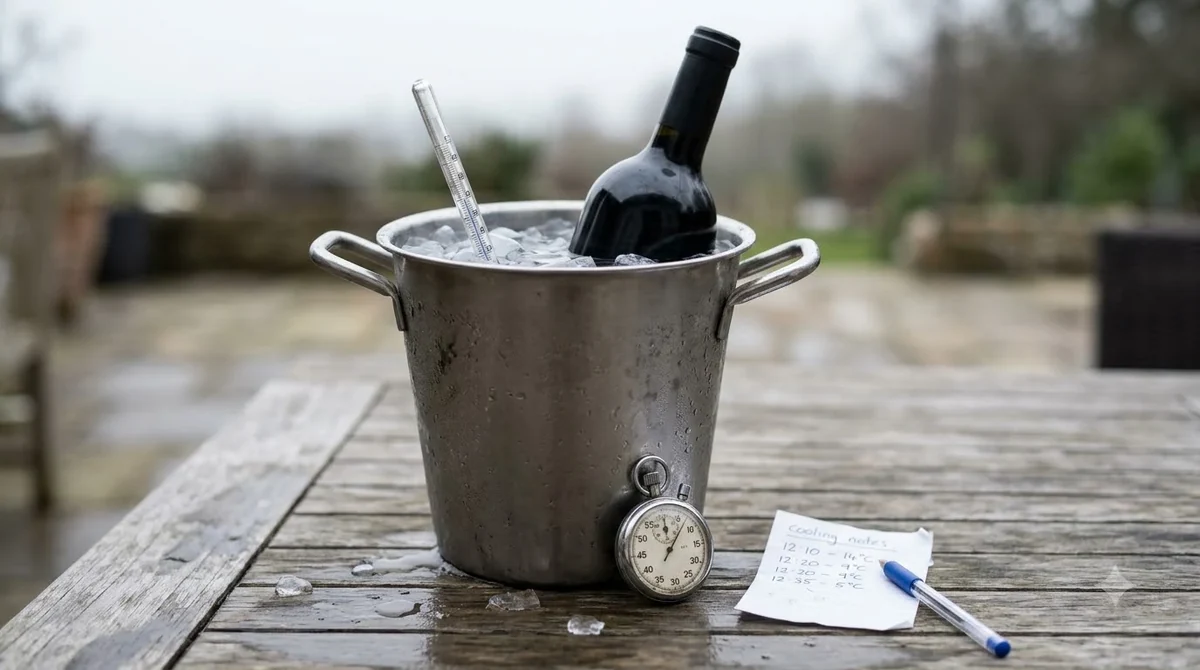
Serve Chardonel chilled, but not as cold as a sparkling wine. A range of about 45 to 50°F works well for a crisp, unoaked bottle, and a slightly warmer temperature around 50 to 55°F can bring out the fuller side of an oaked wine. Wine Folly’s Chardonnay guide gives 45 to 55°F as a general serving range for white wines of that style, which is a sensible starting point for Chardonel too.
A standard white wine glass suits a lighter Chardonel, while a wider bowl helps the aromas of an oaked version open up. Most bottles do not need decanting. If the wine has been aging for several years, a short rest in the glass can soften it and let the fruit come forward.
Food Pairing
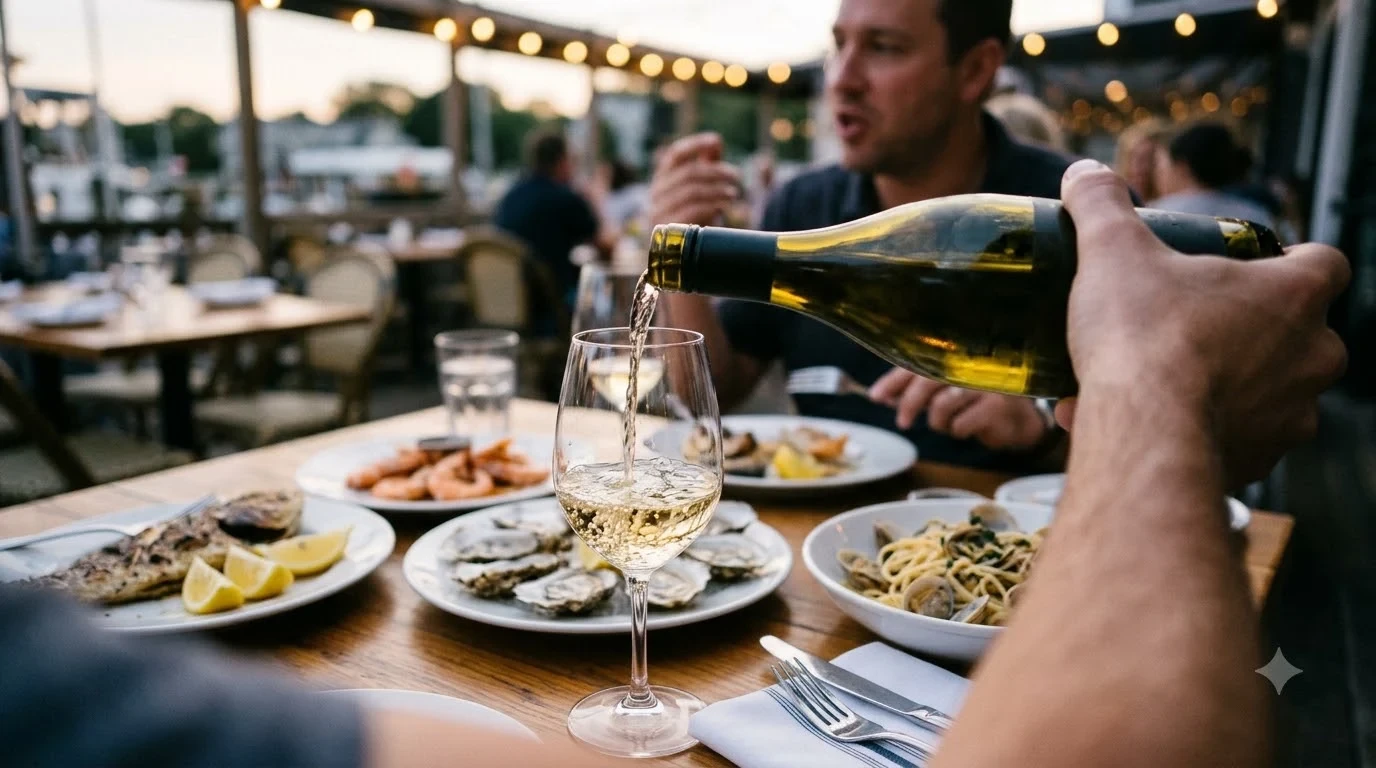
Chardonel’s acidity and fruit make it a flexible food wine. Unoaked styles are good with light seafood, grilled fish, salads and fresh goat cheese. The crisp finish cleans the palate after fatty foods, which is why these wines are often served with shellfish. Oaked versions have more weight and pair with roast chicken, pork with apples, creamy pasta sauces and mild cheeses.
Fresh goat cheese and soft, mild cheeses are a good match for a crisp, unoaked bottle, because the acidity balances the creamy texture. Aged cheeses with a stronger flavor are better with an oaked version, which has enough weight to stand up to them. Serve a small cheese board with a few fresh apples or pears to echo the fruit in the wine.
Vegetables are another good match. Corn, squash and mushrooms have enough body to stand up to an oaked Chardonel, while a lighter bottle suits green vegetables and herbs. For more ideas on pairing wines by style, the wine by type section lists the main white and red families with notes on food matches.
How to Choose a Bottle
Choosing a Chardonel depends on what you want from the glass. If you prefer a crisp, refreshing white for a warm afternoon, look for a label that mentions stainless steel or no oak. If you want a richer, more textured wine for a dinner, choose a bottle that describes oak aging or lees contact.
Read the back label or the winery’s technical notes when you can. They usually say whether the wine was oaked, how long it spent in barrel, and whether it went through malolactic fermentation, which softens acidity and adds buttery notes. Those details tell you more about the style than the grape name alone.
Age is another factor to weigh. Most fresh, unoaked white wines are meant to be drunk within a year or two of release, when their fruit and acidity are at their liveliest. Oaked and richer bottles can hold up for longer, and the reference entry for the grape notes that quality wines can develop complexity with time. If you are buying a bottle to keep, look for one with a clear vintage date and storage notes from the producer. For a bottle to drink soon, choose the most recent vintage on the shelf, since whites lose freshness as they age.
If you already enjoy other hybrid or cool-climate whites, Chardonel can be a natural next step. Comparing it with albariño tasting notes can help you understand how a fresh, mineral white differs from one with more body.
Frequently Asked Questions
Is Chardonel the same as Chardonnay?
No. Chardonel is a separate hybrid grape created by crossing Seyval Blanc with Chardonnay. It shares some flavor traits with Chardonnay, but it was bred for different growing conditions and has its own parentage.
Is Chardonel a dry wine?
Sweetness levels depend on the producer and the style the winemaker chooses. Check the label or the winery’s tech sheet if you want a specific level of sweetness, since the grape itself does not determine it.
Why do growers plant Chardonel?
The grape is described as more cold hardy than Chardonnay and as highly productive in the vineyard. Those traits make it useful where winters are hard on Chardonnay vines, which is why it is planted by growers looking for a dependable white variety.
What foods go well with Chardonel?
Unoaked Chardonel suits seafood, salads and fresh cheeses. Oaked versions pair with roast chicken, creamy sauces and pork. Match the weight of the wine to the weight of the dish, and you will get the best balance.
Chardonel is worth trying if you want a white wine with Chardonnay-style fruit and a sturdier background. Start with a bottle that states whether it is oaked, serve it cool, and pair it with food that has some body. For more white varieties to compare, browse the wine by type guide and pick the next bottle to try.
More in Wine Types & Grapes
 Zinfandel Sugar Content: Dry Red vs. White Zinfandel GramsUpdated Nov 21, 2026
 Best Zinfandel Substitute Options for Sipping and CookingUpdated Nov 21, 2026
 Zweigelt Food Pairing: Best Dishes, Cheeses, and Serving TipsUpdated Nov 21, 2026
 Zinfandel Tannins Explained: How Structure Shapes Every BottleUpdated Nov 21, 2026
 Zinfandel Sweetness Level: Dry Red vs. Sweet White Zin ExplainedUpdated Nov 21, 2026
 Xinomavro Food Pairing: Best Dishes, Styles, and Serving TipsUpdated Nov 21, 2026