

We may earn a commission when you buy through links on this page, at no extra cost to you. Learn more.
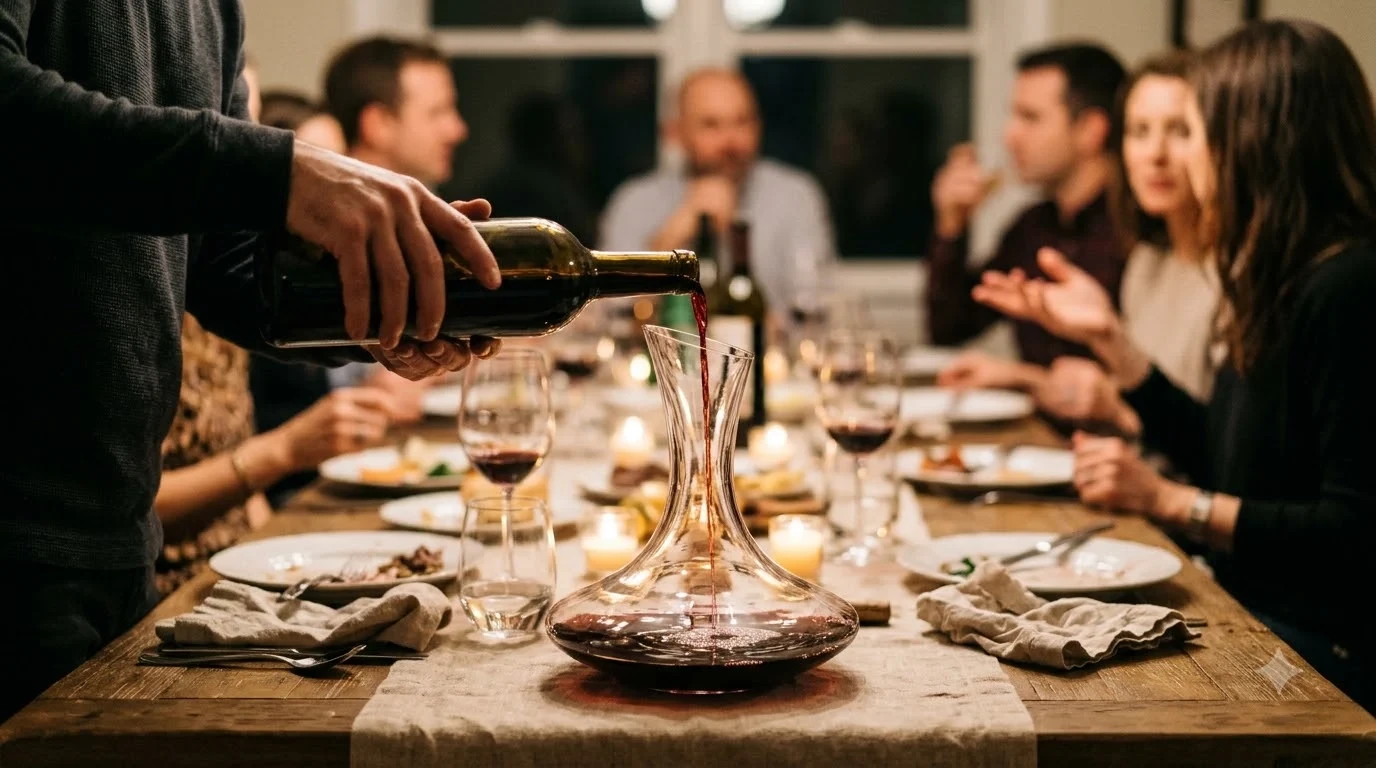
Can red wine be chilled? Yes, and many reds taste better slightly cooler than most people expect. Light-bodied reds such as Gamay can be served at a cool 55 to 60 degrees Fahrenheit. Medium to full-bodied reds are usually best at about 60 to 65 degrees, which means a short stay in the refrigerator for most bottles. Chilling does not ruin a red. It mainly softens the alcohol and tannin feel, so the wine tastes more balanced at the table.
Many people grew up with the phrase “serve red at room temperature,” and that advice causes a lot of confusion. The phrase dates from an era when homes were much cooler than today’s kitchens and living rooms. A bottle sitting on a warm counter or near a stove can easily reach a temperature that makes the alcohol feel hot and the flavors seem muddy. This guide explains which reds benefit from a chill, how long to put them in the refrigerator or freezer, and how to bring them back up to the right temperature.
Why Serving Temperature Matters for Red Wine
Serving temperature changes how the wine feels in the mouth. Warm wine tends to taste more alcoholic, and the fruit can seem heavy or jammy. A wine served slightly cool often shows more freshness, and its acidity and structure become easier to notice. The temperature does not change the grapes or the winemaking, but it changes which parts of the wine you taste most clearly.
Tannins also behave differently at different temperatures. Tannin is the drying sensation that comes from grape skins, seeds, and oak. A red served too warm can seem more bitter or astringent, while a cooler serving temperature can make the texture feel smoother. That is one reason why chilled reds are a good fit for dinners with rich or fatty food, where the wine needs to cut through the richness.
Which Red Wines Benefit From a Chill
The easiest way to decide is to look at body. Lighter reds usually have less tannin and more fresh fruit, so they benefit most from a cooler serving temperature. Fuller reds have more structure, and a slight chill keeps them from tasting hot. The guidelines below come from VinePair’s serving temperature guide, and they work well as a starting point for home drinking.
| Red wine style | Typical body | Suggested serving range | Examples |
|---|---|---|---|
| Light-bodied reds | Light | 55 to 60 degrees Fahrenheit | Gamay, Mencia, Trousseau |
| Medium-bodied reds | Medium | 60 to 65 degrees Fahrenheit | Pinot Noir, Sangiovese, Rioja |
| Full-bodied reds | Full | 60 to 65 degrees Fahrenheit | Cabernet Sauvignon, Syrah, Malbec |
VinePair places light-bodied reds in a chilled range of about 55 to 60 degrees and says they can thrive at a cooler temperature than heavier reds. It places medium to full-bodied reds in a cool range of about 60 to 65 degrees. Its wine body guide describes full-bodied wines as those above 13.5 percent alcohol, which is why bottles such as Syrah and Cabernet tend to need a little more cooling to taste their best. The VinePair serving temperature guide gives the full ranges by style.
Tip: A bottle that feels warm when you pick it up is usually too warm for a full-bodied red. Aim for a cool, not cold, feel when you pour it.
How Long to Chill Red Wine in the Refrigerator
For most red wines, the refrigerator is the simplest tool. The same VinePair guide recommends refrigerating a medium to full-bodied red for about an hour before serving. That time is usually enough to bring the bottle from a warm room temperature down into the cool range without making the wine taste flat.
A light red may need a little less time, and a bottle that has been sitting in a warm car or on a sunny counter may need a bit more. The easiest method is to put the bottle in the refrigerator when you start cooking, then check it about half an hour before the meal. Adjust by feel rather than by a fixed timer, since refrigerators differ.
Using the Freezer for a Quick Chill
When dinner guests arrive early or the bottle was left out too long, the freezer offers a faster option. VinePair suggests about 15 minutes in the freezer as a quick chill for medium to full-bodied reds. The margin for error is small, so set a timer. Forgotten bottles in the freezer can freeze, which can push the cork out and damage the wine.
After a short freezer session, let the wine stand for a few minutes before pouring. That gives the temperature a moment to even out between the outside of the bottle and the liquid inside, and it prevents a glass that is too cold at the first pour.
Why Some Reds Need Time to Warm Up
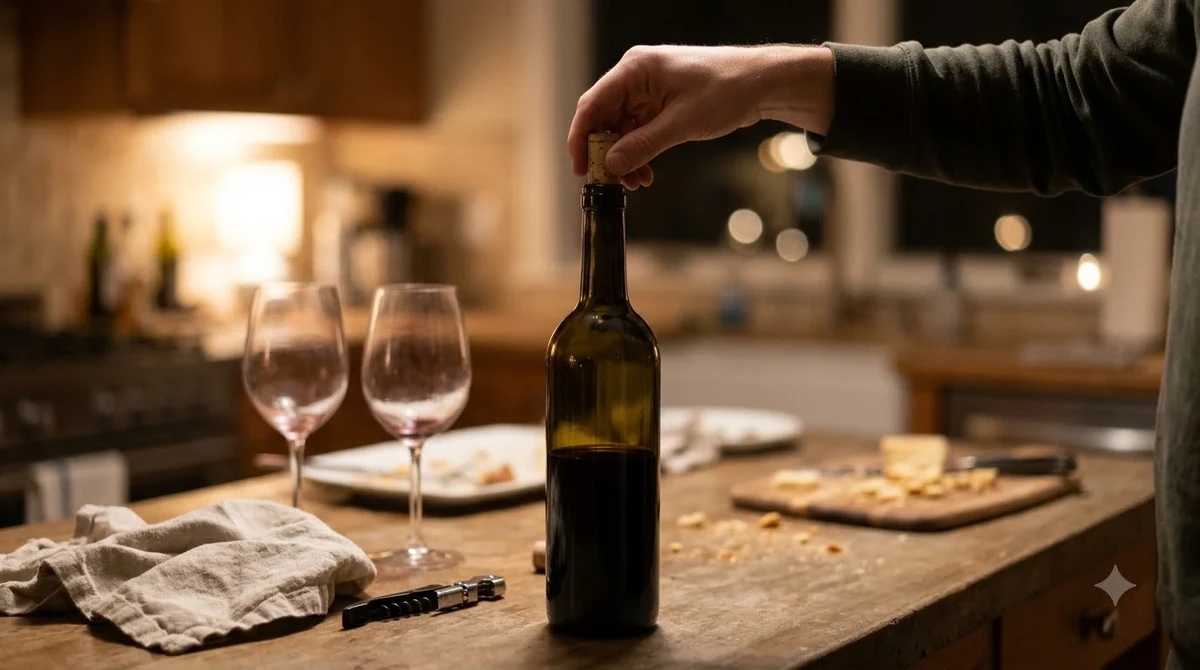
Chilling is not only about getting the wine cold. Once a red is opened, it can be left to warm slowly in the glass, and that gradual change often reveals more aromas and flavors. VinePair recommends decanting or pouring the wine, then leaving it out to warm slowly, which lets a cool bottle reach a good serving temperature over the course of the meal.
This is especially useful for a bold red that was chilled a little too much. A few minutes in the glass usually brings it into the right range. The reverse also works: a red that was served a bit warm can be moved to the refrigerator for a short time to cool down.
How Chilling Affects Taste and Aroma
A cooler red tends to show more fresh fruit and a clearer acidity. Alcohol is less prominent at lower temperatures, so the wine can feel balanced instead of hot. Tannins can taste smoother, and the finish may seem cleaner. These effects are most noticeable in lighter reds and in bottles with high acidity, such as many Sangiovese and Pinot Noir wines.
The effect is not dramatic in every case, and the wine itself matters more than temperature alone. A poorly made red will not become excellent because it is chilled, and a well-made one will still show its character at a slightly warmer temperature. Chilling is a tool for balance rather than a fix for a faulty bottle.
Mistakes to Avoid When Chilling Red Wine
The most common mistake is serving a full-bodied red straight from the refrigerator. A very cold bottle can mute the aromas and make the tannins feel harsher, which is the opposite of what chilling is meant to do. A brief rest at the table fixes this quickly.
Another mistake is leaving a bottle in the freezer and forgetting it. Liquid expands as it freezes, so the risk is real, and a frozen bottle is hard to rescue. A timer solves the problem. Also avoid heat sources such as radiators or sunny windowsills, since they warm the wine faster than most people expect.
Frequently Asked Questions
Is it bad to put red wine in the refrigerator?
No. A short stay in the refrigerator is a standard way to bring red wine into the right serving range. Leaving it there for many days is not a good idea, since the wine can lose its freshness, but an hour or two before serving is fine.
How cold should red wine be when served?
Light-bodied reds are often served around 55 to 60 degrees Fahrenheit. Medium and full-bodied reds are usually best at about 60 to 65 degrees. The wine should feel cool, not icy, when poured.
Can you chill red wine in the freezer?
Yes, for a quick chill of about 15 minutes. Set a timer, because a bottle left too long can freeze and push out the cork. Let the wine rest for a few minutes after removing it from the freezer before pouring.
Does chilling red wine change its flavor?
It can. A cooler red often tastes fresher, with less noticeable alcohol and smoother tannins. The change is most obvious in lighter reds and matters less for very structured wines, which still depend on quality and age.
Chilling red wine is a simple way to improve balance, especially for lighter bottles and for meals with rich food. Aim for a cool serving range, use the refrigerator for most bottles, and let the wine warm slowly in the glass. For storage questions that come up after the bottle is opened, the guide to whether boxed wine needs to be refrigerated covers a related topic, and the wine Q&A section has more answers on everyday serving questions.
More in Wine Basics
 Which Rose Is Best for Your Taste, Budget, and Food PairingsUpdated Nov 21, 2026
 Is Cheap Wine Bad? How to Find Bottles Worth DrinkingUpdated Nov 21, 2026
 What To Write On A Wine Gift Tag: Thoughtful Messages For Every OccasionUpdated Nov 21, 2026
 Which Wine Is Best For Weight Loss? Compare Lower-Calorie ChoicesUpdated Nov 21, 2026
 What Is The Best Wine For Mimosas? Choose Bubbly That Balances Orange JuiceUpdated Nov 20, 2026
 Which Prosecco Is Best for Your Taste and OccasionUpdated Nov 20, 2026