

We may earn a commission when you buy through links on this page, at no extra cost to you. Learn more.
How to saber champagne comes down to four things: chill the bottle to serving temperature, find the seam running up the glass, angle the neck at about 20 degrees, and strike the lip with one firm stroke of the blunt blade so the top separates cleanly. The technique is called sabrage. When it works, the cork and collar come off together and very little wine is lost. It takes practice, so most people start with a bottle they are happy to lose.
Opening a bottle of sparkling wine with a sword looks dramatic, but the mechanics are simple. The bottle is pressurized, and the glass has a weak point where the seam meets the lip. A sharp blow at that spot starts a crack that the pressure inside carries around the bottle. This guide walks through the setup, the stroke, and the safety points, and it explains why the technique works the way it does.
What sabrage is and where it comes from
Sabrage is a ceremonial way of opening a bottle of champagne or other sparkling wine by striking it with a sword. According to the Wikipedia article on sabrage, the technique is typically done with the dull side of a saber, although a special unsharpened champagne sword is more common today. The article stresses that it is the impact that matters, so a sharp edge is not needed.
The ritual is closely tied to celebrations, and it is most often performed by a trained sommelier or a host who has done it before. Because it is a show, many people treat it as a party trick. The mechanics are the same whether the audience is large or small.

Choose the right bottle and serve it cold
Only sparkling wine should be sabered. Still wine bottles are made with thinner glass and do not carry the same internal pressure, so the technique is not designed for them. Champagne and other sparkling wines are held under strong pressure from the second fermentation, and that pressure is what drives the top off the bottle.
Temperature matters for the wine itself. The Wine Folly champagne guide lists 38 to 45 degrees Fahrenheit (3 to 7 degrees Celsius) as the serving range, and that is the range to aim for before you open the bottle. A cold bottle is also easier to handle than a warm one, so chill it fully in the refrigerator or an ice bath before you start. Plan for the bottle to be fully chilled a few hours ahead, not at the last minute.
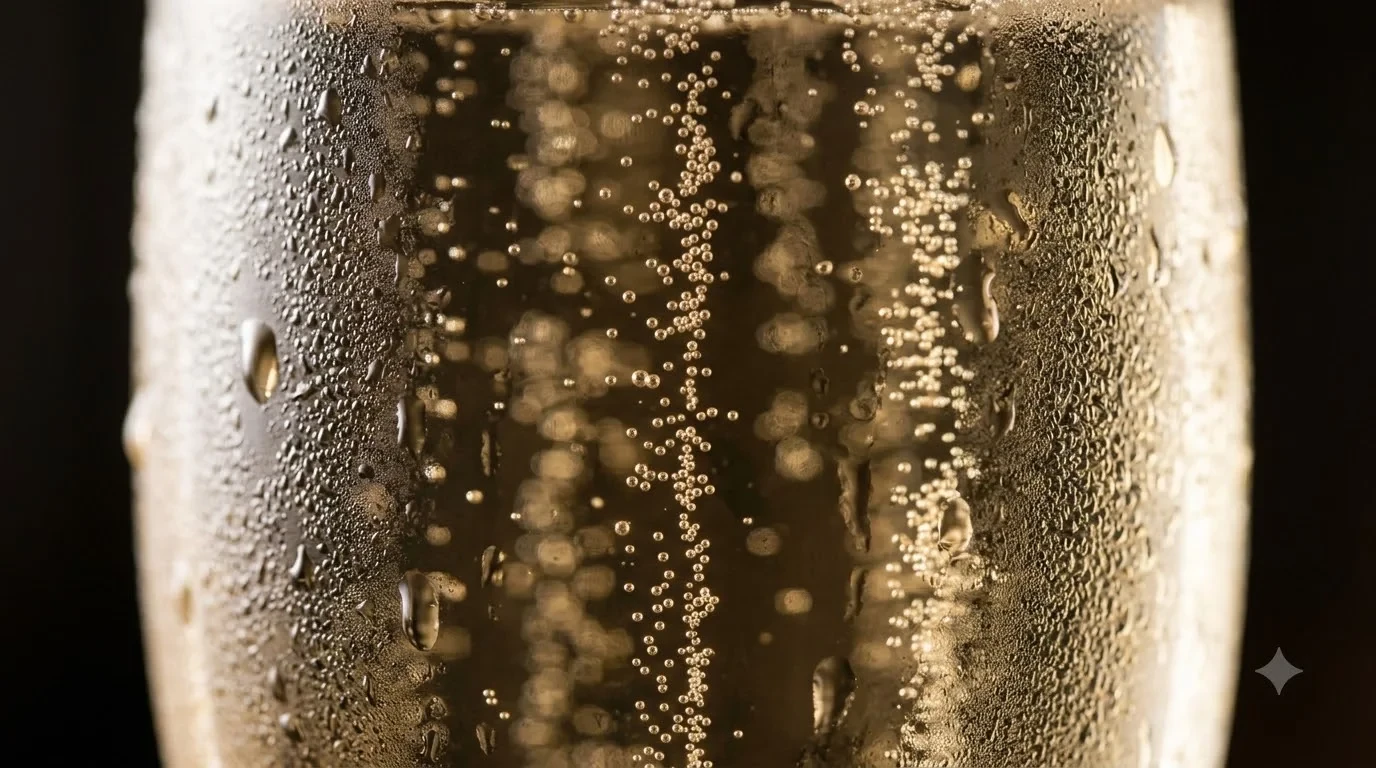
Once the bottle is open, the same Wine Folly guide recommends serving champagne in a flute glass and advises against decanting it. Pour the wine soon after opening so the bubbles are still lively when guests taste it.
Choose a bottle with a clearly visible seam, the faint line that runs from the base up the side of the glass to the lip. That seam is where the glass is weakest, and you want to strike exactly on it.
Step by step: how to saber champagne
Work through these steps in order, and keep the bottle pointed away from people and breakable objects at every stage.
- Remove the foil and loosen the wire cage, called the muselet, but leave it in place until you are ready to strike.
- Hold the bottle firmly by the base with one hand, keeping your fingers away from the neck and the path of the blade.
- Locate the seam and tilt the bottle so the neck sits at about 20 degrees, as the Wikipedia article on sabrage describes.
- Place the blunt edge of the blade flat against the bottle body, with the blade running along the seam toward the lip.
- Slide the blade up the seam in one smooth movement, then strike the lip with a firm, decisive stroke rather than a hesitant tap.
- Check the top of the bottle. If the cork and collar separated cleanly, pour a small amount of wine first to wash away any loose glass fragments.
If the top does not come off on the first attempt, do not strike the same spot again with more force. Set the bottle down, check the lip and seam for cracks, and open the wine with a standard corkscrew if the glass looks damaged. A bottle that cracks partway around the neck can still release pressure unevenly, so treat it as a sign to stop and open the wine another way.
Many people find that the hardest part is the nerve to strike firmly. A timid tap usually does not separate the top and can leave the glass cracked without releasing the collar. A confident, controlled motion works better than force.
Why the bottle breaks where it does
The Wikipedia article on sabrage explains that the bottle’s weak point is structural. The lip at the top creates one stress concentration, and the seam creates a second. Where the seam meets the lip, the strength of the glass drops by more than half. The saber’s impact starts a crack at that point, and the internal pressure carries the crack around the neck, separating the collar from the bottle.
This is also why the seam matters so much. If you strike at the wrong point on the glass, you may get a crack that spreads unevenly or a neck that breaks off in pieces instead of a clean top. Aiming at the seam is what turns a risky guess into a predictable result.
| Element | What to know |
|---|---|
| Tool | The blunt side of a blade or a champagne sabre |
| Neck angle | About 20 degrees, per the Wikipedia description |
| Strike point | The seam where it meets the lip |
| Serving temperature | 38 to 45 degrees Fahrenheit (3 to 7 degrees Celsius), per Wine Folly |
| Flight distance | The top can travel 5 to 10 metres (16 to 33 feet), per Wikipedia |
Tip: Keep the bottle pointed toward an empty area, not at people or a window. The removed top can travel several metres, so a clear line of sight is part of the setup.
Safety and common mistakes
The biggest risk is the glass itself. Small shards can come off with the collar, and the first pour can carry them into the glass. For that reason, many guides recommend letting a small flow of wine run out before filling glasses for guests. Check the first glass in good light before serving it.
Other common mistakes include striking with the sharp edge of a blade, which is unnecessary and raises the chance of an uneven break, and skipping the seam check. Some people also strike too far from the lip, which tends to crack the bottle body rather than separate the top. Practice on a bottle you do not plan to serve first, and treat every bottle with the same care.
Frequently Asked Questions
Can you saber any bottle of wine?
No. Sabrage is designed for sparkling wine, which is bottled under strong internal pressure. Still wines are not built for this technique, and striking one can break the bottle unpredictably.
Why does the cork come off with the neck?
The strike cracks the glass at the seam and lip, and the internal pressure drives the crack around the neck. The cork and collar separate together as one piece, which is why the top can travel several metres.
What temperature should champagne be before sabering?
Wine Folly lists 38 to 45 degrees Fahrenheit (3 to 7 degrees Celsius) as the serving range for champagne. Chill the bottle fully before you start so the wine is ready to pour once the top is off.
Do you lose a lot of wine when you saber a bottle?
Usually very little, if the technique is done well. The wine stays in the bottle until you pour it. Some wine may foam out at the neck, so it helps to hold the bottle steady and pour promptly.
Sabrage is a fun skill to learn, but it rewards patience more than force. Once you know where the seam is and how to set the angle, the rest is a single controlled stroke. For more about wine basics, visit the Wine Q&A section, and read whether red wine can be chilled if you want to compare serving temperatures for other bottles.
More in Wine Basics
 Which Rose Is Best for Your Taste, Budget, and Food PairingsUpdated Nov 21, 2026
 Is Cheap Wine Bad? How to Find Bottles Worth DrinkingUpdated Nov 21, 2026
 What To Write On A Wine Gift Tag: Thoughtful Messages For Every OccasionUpdated Nov 21, 2026
 Which Wine Is Best For Weight Loss? Compare Lower-Calorie ChoicesUpdated Nov 21, 2026
 What Is The Best Wine For Mimosas? Choose Bubbly That Balances Orange JuiceUpdated Nov 20, 2026
 Which Prosecco Is Best for Your Taste and OccasionUpdated Nov 20, 2026