

We may earn a commission when you buy through links on this page, at no extra cost to you. Learn more.
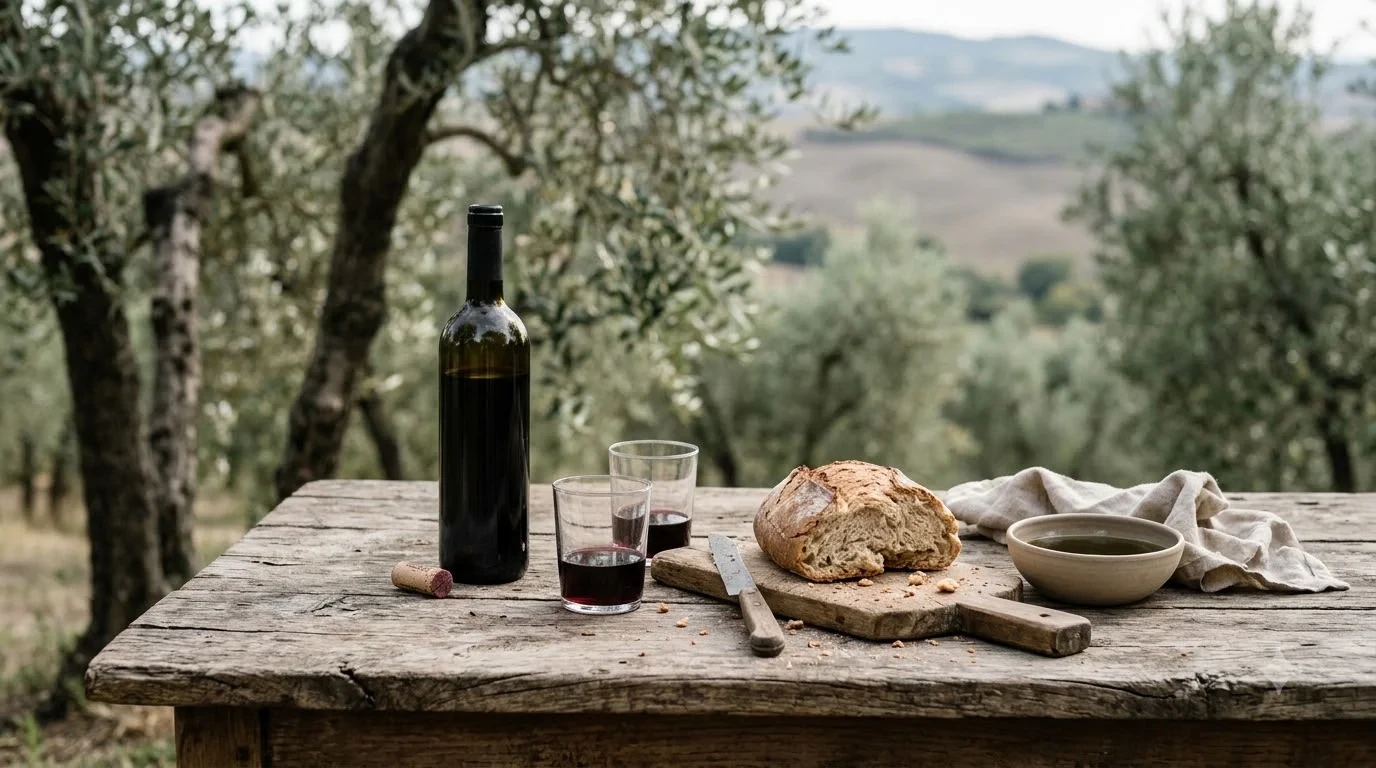
Lazio wine comes mainly from the region around Rome, and it is known for crisp white blends such as Est! Est!! Est!!! di Montefiascone and Frascati, plus the red Cesanese. About 90 percent of the region’s wine is white, so most bottles you find are light, fresh and meant for early drinking. A smaller share of reds, including Cesanese from the hills of Frosinone province, adds structure and a different side to the region.
Lazio is the central Italian region that contains Rome, and its wine history is older than most visitors expect. This guide explains the main styles, the grapes behind them, and how to choose a bottle that suits your meal or your visit.
Lazio Wine at a Glance
Lazio has a large vineyard base, with about 47,884 hectares planted according to the regional overview on Wikipedia. Most of that land produces white wine, and the region ranks well below the top Italian wine regions by total volume. For a buyer, the practical point is that Lazio wines are usually made to be drunk young, with fresh acidity and simple fruit.
Quick Comparison of Lazio’s Main Wines
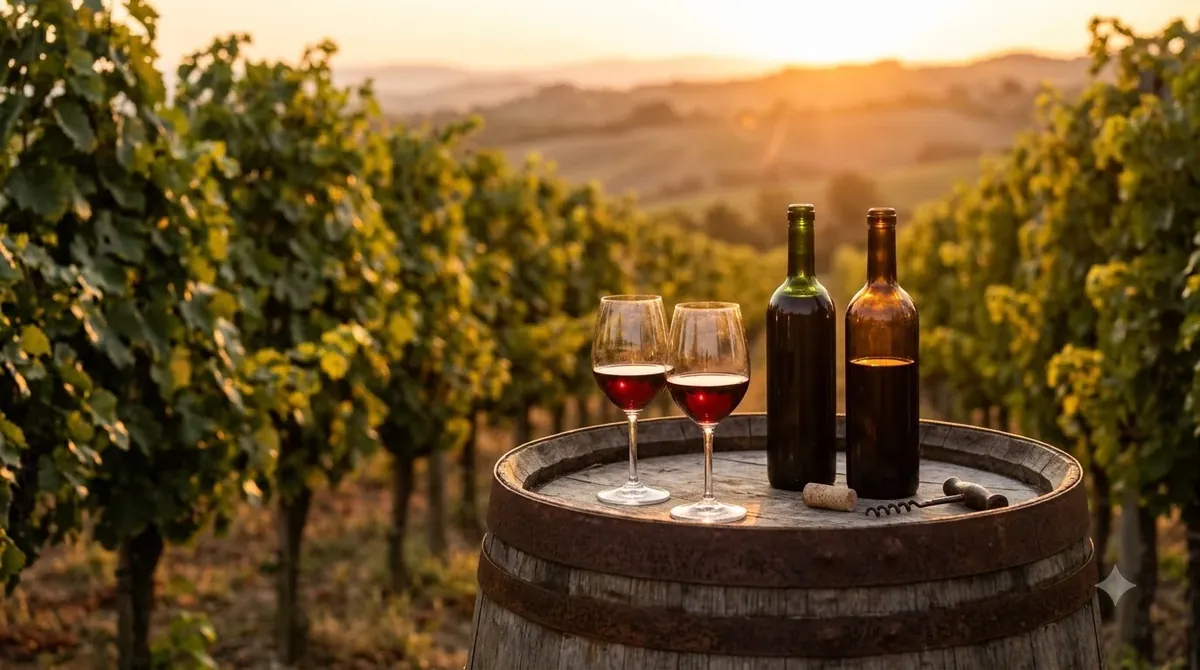
The table below sets the most common Lazio styles side by side. Use it as a starting point, then check the label for the exact grape blend and sweetness level.
| Style | Typical colour | Main grapes | Taste profile | Good with |
|---|---|---|---|---|
| Est! Est!! Est!!! di Montefiascone | White | Trebbiano Toscano, Malvasia bianca, Trebbiano Giallo | Mildly aromatic, apple notes, high acidity | Fried dishes, fresh cheese |
| Frascati | White | Mainly Trebbiano and Malvasia blends | Dry or sweeter styles, light body | Roman-style antipasti, seafood |
| Cesanese | Red | Cesanese (at least 90 percent in DOC rules) | Light bodied and soft, sometimes a slight bitter edge | Pork, pasta with tomato sauce |
Est! Est!! Est!!! di Montefiascone
This white wine is the best-known name from Lazio, and its origin story is as memorable as the bottle. The tale says that a 12th-century German bishop sent an agent ahead to mark good inns with the word “Est”, meaning “it is”. At one inn in Montefiascone the agent wrote the word three times. Wine historians such as Mary Ewing-Mulligan treat the story as apocryphal, so it is best read as a legend rather than a fact.
The production area lies on volcanic soils around Lake Bolsena, north of Rome. The DOC blend is built from Trebbiano Toscano, known locally as Procanico, at 50 to 65 percent, with Malvasia bianca at 10 to 20 percent and Trebbiano Giallo, known locally as Rosetto, at 25 to 40 percent. The wine received DOC status in 1966. The rules set a minimum alcohol level of 11 percent and a maximum yield of 13 tonnes per hectare.
Wine writer Joe Bastianich describes the style as mildly aromatic, with apple notes and lively acidity. It can be dry or made in a sweeter abboccato style. Both versions work with the fried and cured foods common in Roman cooking. For the full background on the bottle and the legend, the Est! Est!! Est!!! entry on Wikipedia gives a clear summary of the zone and its rules.
Because the wine is light and fresh, it is rarely meant for long ageing. Most bottles are at their best within a year or two of the vintage, so a recent release is usually the better buy. If you find an older bottle, check the storage history with the seller before you open it, since heat exposure can flatten the fruit.
Frascati and Its Sweeter Styles
Frascati is the other white name that most people meet when they start exploring Lazio. The Lazio overview on Wikipedia lists Frascati Superiore and Cannellino di Frascati among the region’s top-tier DOCG wines, which tells you the area has formal quality rules for its best examples.
When you shop, pay attention to the style word on the label. A dry Frascati tends to be light and easy to pair with starters, while a sweeter bottle, including the Cannellino style, fits better with dessert or a cheese course. The label is also the best source for the producer, vintage and alcohol level, since those details change from bottle to bottle.
Cesanese, the Region’s Traditional Red
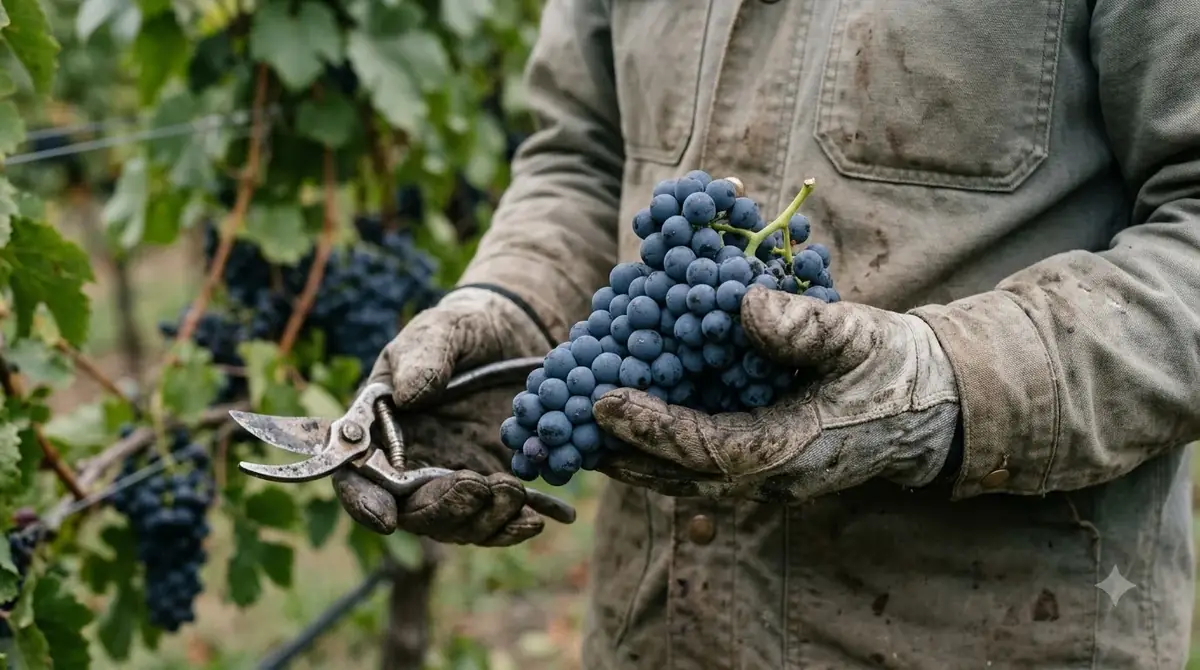
Cesanese is a red grape that is grown almost entirely in Lazio. Ampelographers regard it as indigenous to the region, and it may have been used in Roman winemaking. For much of the 20th century its planting area shrank, but it has recovered interest among producers who want a local red.
Most Cesanese grows in the hills of southeast Lazio, in Frosinone province, and it is linked to Anagni. Three DOC zones cover the grape: Cesanese di Affile, Cesanese di Olevano and Cesanese di Piglio. DOC rules require at least 90 percent Cesanese, with the remainder drawn from permitted varieties such as Sangiovese, Montepulciano and Barbera.
Historically, Cesanese was made as a sweet red that ranged from lightly sparkling to fully sparkling. Over recent decades more producers have made dry still wines. Describers generally call the reds light bodied and soft, and they are usually best enjoyed within a few years of the vintage. Wines from the Affile zone can show a slight bitter edge that some drinkers enjoy. The Cesanese grape entry on Wikipedia covers the grape’s origin and the three DOC zones in more detail.
Serving temperature matters with Cesanese. A slight chill, around cellar temperature rather than room temperature, keeps the fruit lively and stops the wine from tasting flat. A decanter is rarely needed for a young, light red, but a short pour into a wide glass helps the aromas open.
How to Choose a Lazio Bottle
Start with the colour you want and the meal you are planning. White Lazio wines suit lighter dishes, fried starters and simple seafood. Red Cesanese suits tomato-based pasta, roast pork and grilled meats. If you are unsure, a dry white is the safer first bottle because its acidity handles a wide range of foods.
Tip: Look for the DOC or DOCG name on the front label and the producer’s name on the back. Those two details tell you more about style than the marketing copy around the bottle.
If you are building a tasting plan, start with a white from Montefiascone, move to a dry Frascati, and finish with a Cesanese. That order lets you compare fresh whites with a soft red, and you can see how the region’s style changes from one zone to the next. You can also explore other regional guides on this site to compare how the same grape styles appear elsewhere, such as at our wine regions hub.
Frequently Asked Questions
Is Lazio known mainly for white or red wine?
Lazio is known mainly for white wine. The regional overview on Wikipedia notes that about 90 percent of its wines are white. Red wines such as Cesanese are a smaller but distinctive part of the output.
What is the best-known wine from Lazio?
Est! Est!! Est!!! di Montefiascone is the most famous name, a white blend from volcanic soils near Lake Bolsena. Frascati is the other white most people encounter first.
What grape is used for Cesanese wine?
Cesanese is a red grape indigenous to Lazio. DOC rules require at least 90 percent Cesanese in the blend, and the wines are usually light bodied and soft.
How should I serve a Lazio white?
Serve a dry Lazio white chilled rather than ice cold, so the aromas stay open. Pair it with light starters, fried foods or seafood, where its acidity balances the dish.
Lazio wine rewards curiosity. Start with a fresh white, compare a Frascati with an Est! Est!! Est!!! di Montefiascone, and end with a Cesanese to see how the region’s red side differs. For the next step, read our festival guide or the tasting guide to see how other wine regions structure their visitor experiences.
More in Wine Regions
 Willcox Wine Trail: Discover Arizona’s High-Elevation Wine CountryUpdated Nov 20, 2026
 Yakima Valley Wine Region: Find the Best Styles to TryUpdated Nov 20, 2026
 Vosne Romanee Wine Tasting: Identify Aromas and Choose Better PairingsUpdated Nov 20, 2026
 Yakima Valley Wine Festival: Find the Best Seasonal Wine EventsUpdated Nov 20, 2026
 Wales Vineyards: Discover Cool-Climate Wines and Where to VisitUpdated Nov 20, 2026
 Yountville Wine Festival: Discover Napa Wines and Local FoodUpdated Nov 20, 2026