

We may earn a commission when you buy through links on this page, at no extra cost to you. Learn more.
How long does cooking wine last? An opened bottle of cooking wine usually keeps for a long time because it contains salt, but its flavor fades gradually, so the label date and a quick smell-and-taste check matter more than a fixed number of months. Salt slows the spoilage that turns wine sour, which is why cooking wine can sit in the pantry far longer than the ordinary table wine it resembles.
Cooking wine is one of those pantry staples people buy for a single recipe and then forget about. The bottle sits behind the vinegar and the soy sauce until a stew or a pan sauce calls for it again. Knowing how long it stays good, and what changes as it ages, helps you decide when to replace it and when it is still fine to use.
What Makes Cooking Wine Different From Table Wine
Cooking wine is made to be used in the kitchen rather than poured into a glass. In North America it is usually treated with salt as a preservative and food coloring. Salt is the key difference, because it inhibits the microorganisms that would otherwise turn wine into vinegar. That added salt is one reason a cooking wine can be kept on a shelf in a way that a bottle of drinking wine cannot.
The alcohol content also varies by product and by region. The Wikipedia article on cooking wine notes that some cooking wines sold in New York State are kept below about 5 percent alcohol so they can be sold in grocery stores, while some Chinese cooking wines are far stronger. The strength of the bottle changes how it behaves in a recipe and how quickly it changes over time, so the label is the first place to check.
How Long Cooking Wine Lasts After Opening
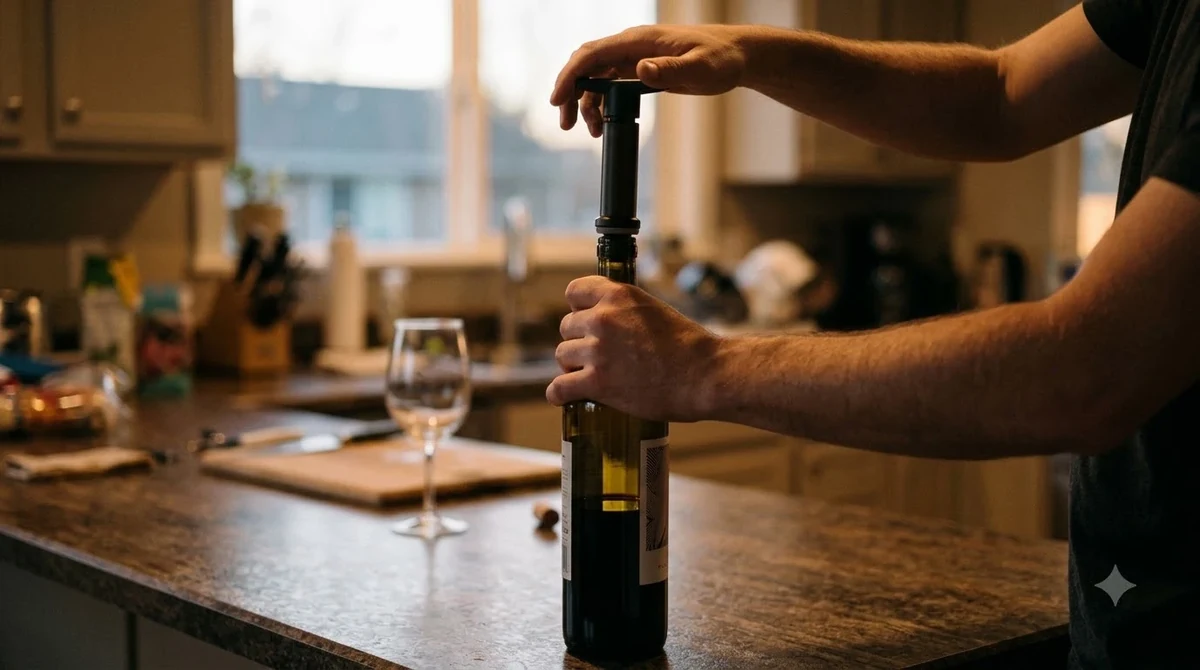
Once the seal is broken, a bottle of cooking wine is exposed to air each time it is used. Over time, oxygen slowly converts some of the alcohol into acetic acid, which is the sharp, vinegary character that signals a wine has turned. The added salt slows this process, and that is why a bottle used only now and then can remain usable for a long period.
No single number of months applies to every bottle. The printed date on the label is a sensible starting point, and most manufacturers recommend using the product within the window they state. Because storage conditions and how often the bottle is opened both affect the result, it is best to treat the date as a guide rather than a guarantee.
| Sign | What it usually means | What to do |
|---|---|---|
| Sharp, vinegar-like smell | Alcohol has begun turning into acetic acid | Replace the bottle rather than cooking with it |
| Flat or dull aroma | Flavor has faded through air exposure | Use it only in long-simmered dishes where the wine is a background note |
| Cloudiness or sediment | Possible spoilage or contamination | Discard the bottle |
| Normal color and clean smell | Still in usable condition | Use it as the recipe directs |
How to Store an Opened Bottle of Cooking Wine
Storage makes a real difference. Keep the bottle tightly sealed and away from heat, which speeds up oxidation. The Wikipedia article on wine preservation notes that wine kept above about 25 degrees Celsius (77 degrees Fahrenheit) for long periods can spoil, and that steady, cool conditions are best. A cupboard away from the stove is usually a better home for cooking wine than the space directly above the range.
Refrigeration is not required for safety in most cases, but it slows the change in flavor. Many cooks keep an opened bottle of cooking wine in the refrigerator, especially in warm kitchens, and that habit is simple to follow. Wipe the rim before recapping so the cork or cap seals well, and avoid pouring from the bottle over steam or boiling pots, which can heat the neck and introduce more air.
Does Cooking Wine Go Bad Faster Than Drinking Wine?
In practical terms, cooking wine often lasts longer than an open bottle of drinking wine because of its salt content and because it is used in small amounts over time. An open bottle of table wine is usually poured for a glass or two, so the remainder is exposed to air more often in a shorter span. A cooking wine used only for a stew or a sauce may sit for months with little change.
That longevity has a downside. The flavor of cooking wine is not as fresh as a newly opened bottle, and it can become muted before it becomes unsafe. For dishes where the wine is a major flavor, such as a braise or a reduction, a fresh bottle makes a visible difference. For a splash in a pan sauce or a soup, an older bottle often works without anyone noticing.
If you prefer to cook with a wine you would also drink, the same storage rules apply, but the wine will change faster because it is unsalted. Chilling an opened bottle of drinking wine helps it hold its character for a few days, and it is a good habit to adopt for any bottle you plan to use in the kitchen as well.
Substitutes When the Bottle Has Gone Off
If the cooking wine has turned or simply lost its flavor, a few alternatives can stand in for it. Broth adds savory depth without the acidity, and a small amount of vinegar can add the sharp lift that wine usually provides. Many cooks also use a splash of fresh juice or stock with a little acid for a brighter result. Each substitute changes the dish a little, so start with a small amount and taste as you go.
When you buy a fresh bottle, write the open date on the label. That simple habit removes the guesswork and makes it easier to decide when the wine should be replaced rather than used up in a hurry.
Frequently Asked Questions
How long does cooking wine last after it is opened?
There is no single fixed number of months. Salt helps an opened bottle keep longer than ordinary table wine, but flavor fades over time. Use the label date as a starting point and replace the bottle if it smells sharp or looks cloudy.
Does cooking wine need to be refrigerated?
Refrigeration is not strictly required in most cases, but it slows the decline in flavor. Keeping an opened bottle in a cool, dark place or in the refrigerator is a sensible way to preserve it for longer.
How can I tell if cooking wine has gone bad?
Check the smell first. A sharp, vinegar-like odor, a dull or flat aroma, or cloudiness are all signs that the bottle has changed. If any of these appear, it is best to replace the wine rather than cook with it.
Is cooking wine the same as drinking wine?
No. Cooking wine is usually salted and sold for use in recipes, while drinking wine is made to be poured and tasted. Some cooks use drinking wine in the kitchen, but the storage rules and the way the wine ages are different.
Cooking wine is a practical pantry item that lasts longer than most people expect, but its flavor is the first thing to fade. Keep the bottle sealed and cool, write the open date on the label, and replace it when it smells sharp. For a related storage question, see whether boxed wine needs to be refrigerated, and for background on the compounds in wine, the guide to why wine has sulfites explains how winemakers protect wine from oxidation.
More in Wine Basics
 Which Rose Is Best for Your Taste, Budget, and Food PairingsUpdated Nov 21, 2026
 Is Cheap Wine Bad? How to Find Bottles Worth DrinkingUpdated Nov 21, 2026
 What To Write On A Wine Gift Tag: Thoughtful Messages For Every OccasionUpdated Nov 21, 2026
 Which Wine Is Best For Weight Loss? Compare Lower-Calorie ChoicesUpdated Nov 21, 2026
 What Is The Best Wine For Mimosas? Choose Bubbly That Balances Orange JuiceUpdated Nov 20, 2026
 Which Prosecco Is Best for Your Taste and OccasionUpdated Nov 20, 2026