

We may earn a commission when you buy through links on this page, at no extra cost to you. Learn more.
Does boxed wine need to be refrigerated? Unopened boxed wine can be stored at room temperature, but it should stay cool and out of heat, and opened boxed wine is best kept chilled. The bag inside the box keeps air away from the wine, so a box lasts far longer after opening than a bottle does. Storage temperature still matters for flavor, and the rules differ a little for red and white.
Boxed wine has become a common choice for everyday drinking, and many buyers are unsure how to store it once the box is on the counter. The answer depends on whether the box is sealed or already open, and on how warm the room gets. This guide explains the storage basics, what the packaging does for the wine, and how to keep a box tasting fresh from the first glass to the last.
Why Boxed Wine Stores Differently From Bottled Wine
A boxed wine uses a plastic bladder inside a cardboard box. The wine sits in the bladder, and a tap at the bottom dispenses it. As the wine comes out, the bladder collapses, so air does not rush in to replace the liquid the way it does when a bottle is poured. That design is the main reason boxed wine keeps longer than a bottle that has been uncorked.
The Wikipedia article on bag-in-box packaging describes the principle plainly: wine in a bag is not touched by air and is not subject to oxidation until it is dispensed. Oxidation is the chemical change that flattens fruit flavors and gives wine a stale, sherry-like taste, so limiting air contact is the key advantage of the box. The packaging does not make the wine immune to heat, light, or time, though, and storage habits still shape how the wine tastes.
Does Boxed Wine Need to Be Refrigerated Before Opening?
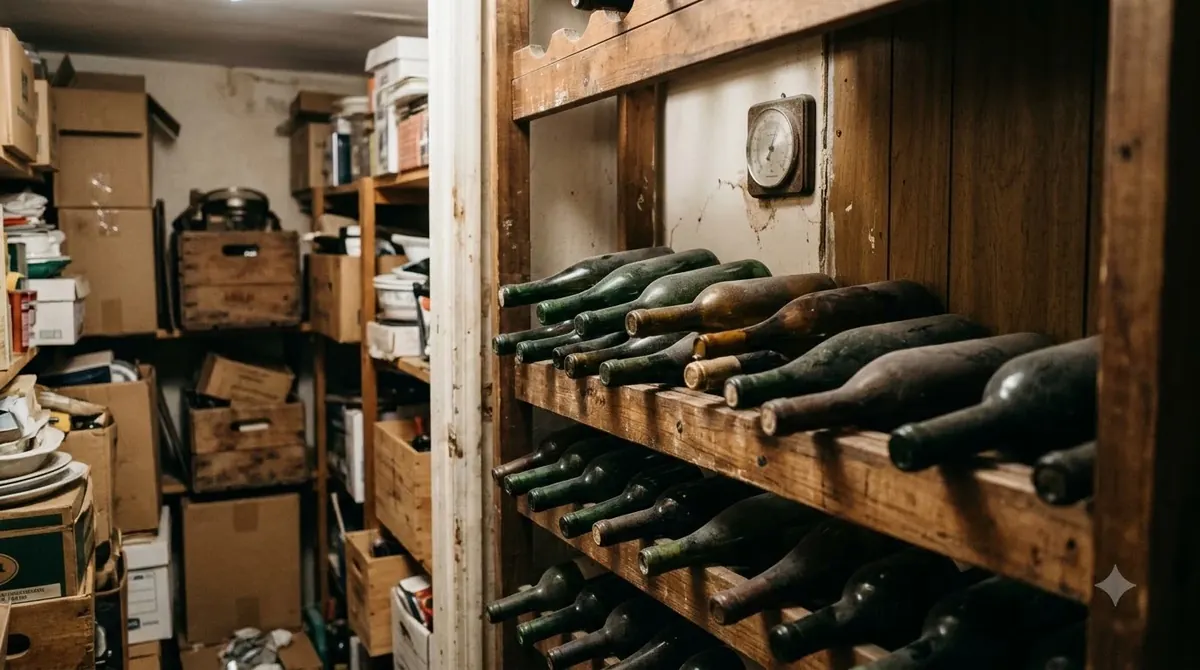
Unopened boxed wine does not need a refrigerator to stay drinkable. A closed box sitting in a cool cupboard or a pantry away from the stove will generally hold its character until the printed date on the box. Most people keep an unopened box at ordinary room temperature, and that is a reasonable approach for a wine intended to be drunk within a few months.
The concern is heat rather than the lack of a fridge. Storage guidance from wine references, such as the Wikipedia article on wine preservation, notes that wine held above about 25 degrees Celsius (77 degrees Fahrenheit) for long periods can spoil, and that the best conditions are steady temperatures in the range of roughly 10 to 15 degrees Celsius (50 to 59 degrees Fahrenheit). A box stored in a hot garage, a car, or beside a sunny window is more likely to suffer than one kept in a cool room.
Temperature swings matter too. Repeated warming and cooling can push wine through chemical changes that dull its aroma. A box that spends its life in a steady, moderate space is the easiest to keep in good condition, whether or not it ever sees the inside of a refrigerator.
How Long Boxed Wine Lasts After Opening
Once the tap has been used, the wine is exposed to a small amount of air each time a glass is poured, and the bladder begins to shrink. The rate at which the wine ages depends on the wine style, the temperature, and how often the box is used. The printed label and the producer’s own storage notes are the most reliable guide for a specific product, because brands do not all use the same packaging or the same wine.
As a general rule, a boxed wine that has been opened lasts considerably longer than a bottle that has been opened, which is why the format appeals to people who drink a glass or two at a time. Chilling an opened box slows the aging process, so many owners move it to the refrigerator after the first pour and keep it there between servings.
| Situation | Where to keep it | What to watch for |
|---|---|---|
| Unopened box, everyday drinking | Cool, dark cupboard away from heat | Keep away from direct sun and heating vents |
| Unopened box, stored for longer | Steady cool room, around 10 to 15 degrees Celsius if possible | Check the printed date and avoid hot storage spaces |
| Opened box, red wine | Refrigerator between servings | Let the glass warm slightly before pouring |
| Opened box, white or rosé | Refrigerator at all times | Chilled storage keeps the fruit lively |
Red Wine vs. White Wine in a Box
Red and white boxed wines respond to storage in slightly different ways. Red wines are usually served at cellar-like temperatures, so a box of red can sit in a cool room and be poured without much fuss. Their tannins and fruit hold up well in mild conditions, although heat still flattens them over time.
White wines and rosés are generally more sensitive to warmth once opened, and their fresh, crisp character fades faster. Keeping an open box of white in the refrigerator is the simplest way to preserve its brightness, and it also suits how these wines are typically served.
Tip: Write the date the box was opened on a sticky note and attach it to the front. It takes the guesswork out of deciding whether the wine is still fresh enough to pour.
How to Store Boxed Wine at Home
Good storage starts with the place you choose. Pick a spot that stays cool and dark, away from the oven, dishwasher, and any appliance that gives off heat. Keep the box upright so the bladder does not sit under unnecessary pressure, and make sure the tap is closed tightly after each pour.
After opening, move the box to the refrigerator if you have room. The fridge is not required for safety in most cases, but it helps the wine keep its flavor for longer, especially for white wine and rosé. If the refrigerator is crowded, a cool cellar or basement corner works well for red. Avoid storing an open box beside strong-smelling foods, because the wine can take on odors through the tap and the cardboard.
When you are ready to serve, take the box out ahead of time if you prefer red slightly cooler than room temperature, or let a chilled white sit for a few minutes to open up. Boxed wine is designed for convenience, so a little planning goes a long way toward a consistently good glass.
Frequently Asked Questions
Does an unopened box of wine need to go in the fridge?
No. An unopened box can be kept in a cool, dark place at ordinary room temperature. The main risk is heat, so avoid hot spots such as garages, cars, and spots near a stove or a sunny window.
Should I refrigerate boxed wine after opening?
Refrigeration is a good choice after opening, especially for white wine and rosé. Chilling slows the aging process and helps keep the fruit bright. Red wine can also be kept in the fridge between servings, then allowed to warm slightly before it is poured.
Why does boxed wine last longer than an opened bottle?
The bladder inside the box collapses as the wine is dispensed, so little air enters to replace the liquid. Air is what drives oxidation, so limiting it slows the decline in flavor. A bottle that has been uncorked takes in air with every pour.
Can boxed wine go bad if it gets too warm?
Yes. Prolonged exposure to high temperatures can spoil wine and speed up unwanted chemical changes. Storing the box somewhere steady and moderate protects the flavor. If a box smells sharp, vinegary, or flat, it is best to pour it out rather than drink it.
Boxed wine is practical, affordable, and easy to store once you know the basics. Keep unopened boxes cool and out of heat, chill the wine after the first pour, and use the printed date as your guide. For more on keeping wine at its best, the wine Q&A section covers related storage questions, and the answer on whether red wine can be chilled explains the temperature side in more detail.
More in Wine Basics
 Which Rose Is Best for Your Taste, Budget, and Food PairingsUpdated Nov 21, 2026
 Is Cheap Wine Bad? How to Find Bottles Worth DrinkingUpdated Nov 21, 2026
 What To Write On A Wine Gift Tag: Thoughtful Messages For Every OccasionUpdated Nov 21, 2026
 Which Wine Is Best For Weight Loss? Compare Lower-Calorie ChoicesUpdated Nov 21, 2026
 What Is The Best Wine For Mimosas? Choose Bubbly That Balances Orange JuiceUpdated Nov 20, 2026
 Which Prosecco Is Best for Your Taste and OccasionUpdated Nov 20, 2026