


We may earn a commission when you buy through links on this page, at no extra cost to you. Learn more.
A dry gewurztraminer is a white wine made from the Gewurztraminer grape with little or no residual sugar, so it keeps the grape’s intense rose and lychee aromas without the sweetness many people expect. Its alcohol usually runs from about 13.5 to 15 percent ABV, and it is best served well chilled. Many bottles smell sweet on the nose but finish dry, which is the detail that surprises most first-time buyers.
This guide covers how dry gewurztraminer tastes, where it comes from, how to read a label that does not say “dry” in large type, and what to serve with it. The information comes from Wine Folly’s grape profile for Gewurztraminer and from general reference material on how wine sweetness is measured.
What Dry Gewurztraminer Tastes Like
Gewurztraminer is one of the most aromatic white grapes. The nose is dominated by lychee, rose petal, and orange blossom, and many glasses also show ginger and delicate spice. In a dry version, those aromas stay bright while the palate turns crisp and clean rather than syrupy.
Wine Folly describes the body as medium to full, sometimes with an oily, textural richness, and the acidity as moderate to low. The primary flavors it lists are lychee, rose, grapefruit, tangerine, and ginger. Because the grape has no tannin, the texture comes from body and fruit rather than drying grip, which makes it feel round in the mouth.
Why Gewurztraminer Smells Sweeter Than It Is
The perfume of Gewurztraminer is so strong that many people assume the wine is sweet before they taste it. Wine Folly notes that many examples smell sweet but are dry, with little or no sugar. The aromatic compounds give an impression of sweetness, but the actual sugar level is what determines whether a wine tastes sweet on the palate.
Sweetness in wine is measured as residual sugar, the sugar left after fermentation, in grams per liter. Under the European Union’s table wine rules, a wine is classed as dry when it contains up to 4 grams per liter of sugar, or up to 9 grams per liter if its acidity is high enough to balance the sweetness. Even the driest wines rarely fall below about 1 gram per liter. Acidity, alcohol, and tannin also change how sweet a wine feels, which is why a dry Gewurztraminer with strong perfume can still taste balanced and clean.
Where Dry Gewurztraminer Comes From
The grape is closely tied to Alsace in northeastern France, which has more than a quarter of the grape’s plantings, and to Alto Adige in northern Italy, which some growers consider its homeland. Other significant plantings are in Germany, the United States, Moldova, and Italy. Wine Folly cites a total planted area of about 31,686 acres (12,823 hectares) according to a 2021 University of Adelaide dataset.
Alsace is also the region where the dry-versus-sweet range is easiest to see on the label. Its classifications include Alsace AOC, Grand Cru, Vendanges Tardives, and Selection de Grains Nobles. The first two are typically dry to off-dry, while the later designations are made from late-harvested or botrytized grapes and are sweet. A dry bottle is usually labeled simply as Alsace or as a Grand Cru from a named vineyard.
How to Serve It
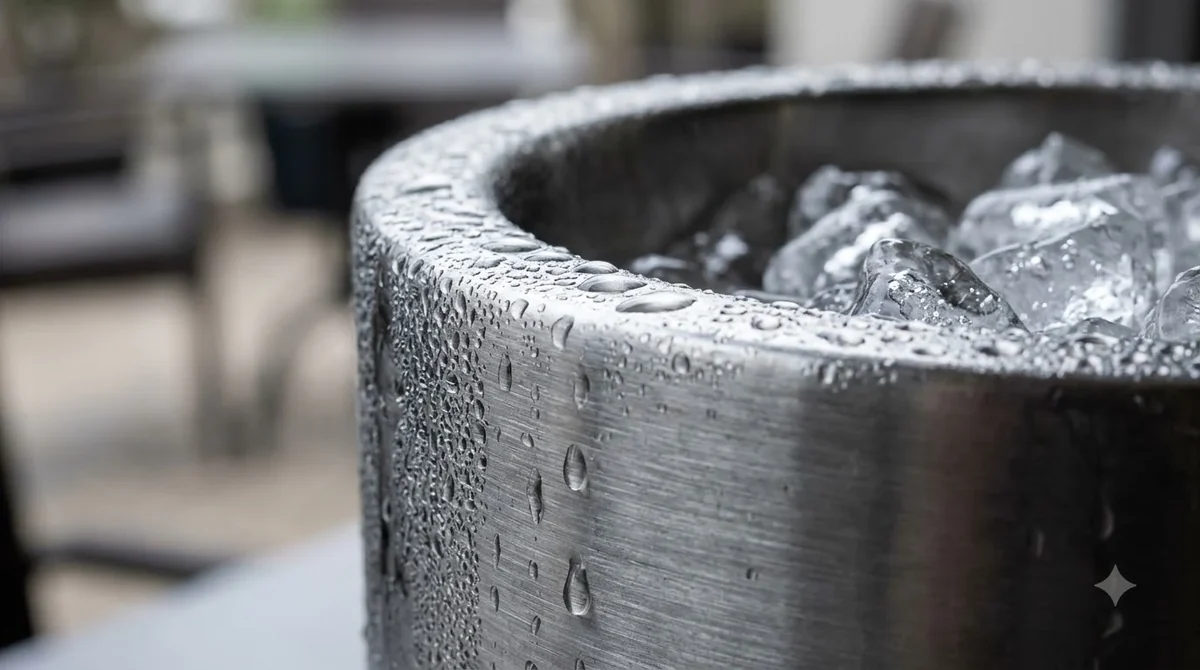
Wine Folly suggests serving Gewurztraminer between about 38 and 45 degrees Fahrenheit, served in a white wine glass. Decanting is not needed. Well-chilled service keeps the aromas lifted without letting the wine taste flat, and a slightly warmer glass can show more of the body and spice in richer examples.
| Style | What to expect | Serving approach |
|---|---|---|
| Dry Alsace or Alto Adige | Floral, lychee, crisp finish | Well chilled, white wine glass |
| Dry Grand Cru | Fuller body, more texture and spice | Slightly warmer than a basic bottle |
| Late-harvest or botrytized | Sweet, rich, honeyed | Served chilled with dessert or alone |
Tip: Wine Folly notes that Gewurztraminer can cellar for three to five years, though most bottles are best enjoyed young while the perfume is fresh.
Food Pairings for a Dry Bottle
Dry Gewurztraminer is a useful food wine because its aromatic style matches spiced and aromatic dishes. Wine Folly suggests it with soft, strong-smelling cheeses such as Munster or Gorgonzola, and with Moroccan and Middle Eastern dishes that combine nuts, dried fruit, and roasted meats.
Asian and Indian cooking also suits the grape well, especially dishes with ginger, chili, or coconut. The perfume can stand up to these flavors where a delicate white would fade. Pork with apples and roast duck are other classic choices, because the wine’s body and fruit balance rich meat without overwhelming it.
How to Choose a Dry Bottle
Labels can be confusing, so a few practical checks help. Start with the word “dry” or “sec” on the back label, then look for the producer’s description of residual sugar. If the label says nothing about sweetness, the wine is often dry, but a quick look at the producer’s technical sheet confirms it.
- Read the region first. Alsace and Alto Adige produce many dry examples, so a bottle from either place is a reasonable starting point.
- Check the classification. Grand Cru and dry-style labels usually point to a fuller, more structured wine.
- Avoid the late-harvest words. Terms such as Vendanges Tardives or Selection de Grains Nobles usually mark sweet wines.
- Compare the alcohol statement. A dry Gewurztraminer is often between 13.5 and 15 percent ABV, which helps you judge the weight before you open the bottle.
If you are still unsure, ask the shop for a dry Gewurztraminer from Alsace and tell them you want a clean finish. Staff can usually point to a bottle that matches that description.
How Dry Gewurztraminer Compares With Other Dry Whites
Shoppers who usually drink crisp white wines often ask how a dry Gewurztraminer differs from Riesling, Chardonnay, or Pinot Gris. The short answer is that the aroma is louder and the texture is rounder, while the acidity is usually softer than in a cool-climate Riesling.
Compared with a lean, unoaked Chardonnay, dry Gewurztraminer tends to show more floral and tropical notes and less green apple or chalk. Compared with a Pinot Gris from Italy, it usually feels fuller and more perfumed, with less of the bitter almond note that often shows up in Italian examples. Those differences matter at the table, because the wine’s aroma can carry a dish that a plainer white would not.
For a buyer who wants a dry white with personality, Gewurztraminer is a good step up from neutral styles. It rewards a slightly longer pour, a little time in the glass, and a dish with some spice or herbs.
Tip: If a bottle smells sweet but you want it dry, look for the producer’s technical sheet or a “dry” statement on the back label before buying. Shops can often look this up on request.
For a wider view of buying choices by style, the Wine Buying Guides section covers how to read labels and compare bottles.
Frequently Asked Questions
Is dry gewurztraminer really dry?
Yes, when the label or producer describes it as dry. Many dry examples smell sweet because of their strong lychee and rose aromas, but they contain little or no residual sugar.
What does dry gewurztraminer taste like?
Expect lychee, rose petal, grapefruit, and ginger on the nose and palate. Body is medium to full, acidity is moderate to low, and the finish is clean rather than syrupy.
How strong is dry gewurztraminer?
Most bottles fall between about 13.5 and 15 percent ABV. Check the label, because the exact figure depends on the producer and the vintage.
Should dry gewurztraminer be served cold?
Yes, serve it well chilled, roughly 38 to 45 degrees Fahrenheit. A slightly warmer glass can help richer styles show more body and spice.
If you enjoy this style, compare it with a lighter option in the dry sweet white wine guide or with a crisp alternative in low sugar pinot grigio. For a fuller look at the grape itself, Wine Folly’s Gewurztraminer profile covers aromas, regions, and serving in more detail. Serve it with food when you can, and drink responsibly.
More in Wine Buying Guides
 Riesling Gift: Choose a Bottle They’ll LoveUpdated Nov 21, 2026
 Sweet Red Wine Gift: Choose a Bottle They’ll LoveUpdated Nov 21, 2026
 Malbec Gift: How to Choose a Memorable Bottle for Any OccasionUpdated Nov 21, 2026
 Sherry Gift Ideas That Match Every Wine LoverUpdated Nov 21, 2026
 Moscato Gift: How to Choose a Sweet Wine They’ll LoveUpdated Nov 21, 2026
 Merlot Gift: How to Choose a Bottle They’ll AppreciateUpdated Nov 21, 2026