

We may earn a commission when you buy through links on this page, at no extra cost to you. Learn more.
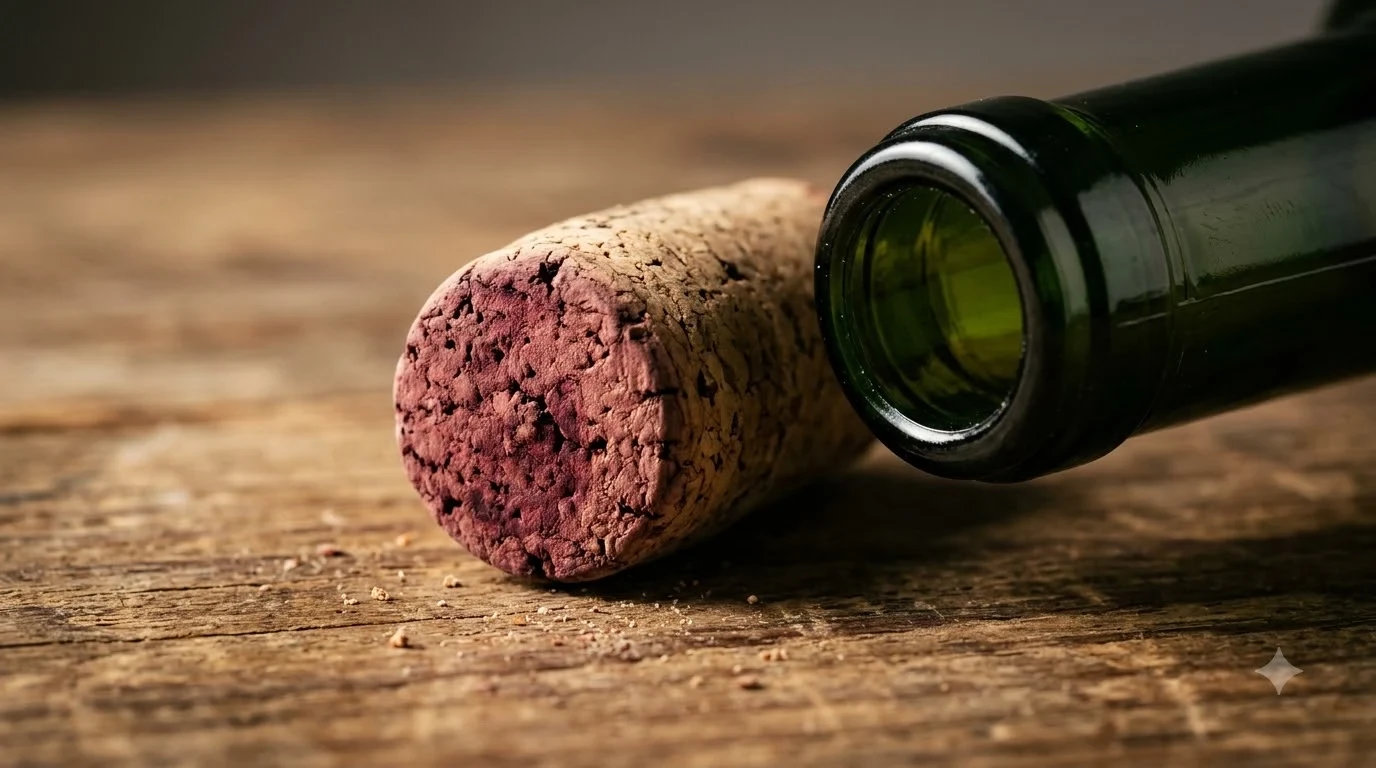
What is dealcoholized wine? Dealcoholized wine is wine from which most of the alcohol has been removed, leaving a drink that is much lower in alcohol than the original wine while keeping some of its grape character. It is one of the main styles in the non-alcoholic wine category. The aim is to keep the look, aroma, and structure of wine while reducing the alcohol to a very low level.
Dealcoholized wine has grown quickly as more people look for drinks that fit a sober or lower-alcohol routine. The category can be confusing, because the labels use several terms, and the taste can differ a lot from a normal bottle. This guide explains what dealcoholized wine is, how it is made in general terms, what it tastes like, and how to serve it well.
What Dealcoholized Wine Means
A dealcoholized wine starts as a regular wine that has been fermented normally. The producer then removes most of the ethanol, the alcohol that gives wine its warmth and body. What remains is a drink with grape sugars, acids, and many aroma compounds from the original wine, but with far less alcohol.
The term is not the same as a wine that is simply made with less sugar or picked earlier. Those are low-alcohol wines, and they are made by changing how the grapes are grown or fermented. Dealcoholized wine goes a step further by removing alcohol after fermentation. This is why the two styles can taste quite different even when the label claims a lower strength.
How Alcohol Is Removed
Producers use several methods, and each one changes the final wine. The basic idea is to separate the alcohol from the rest of the liquid, so the process must balance removing ethanol with keeping the flavors that make the wine recognizable. Some systems use heat under vacuum to lower the temperature needed for evaporation, which protects delicate aromas. Others use membrane filtration, which passes the wine through a filter that holds back most of the alcohol while letting water and flavor compounds pass.
Whatever method is used, the result is never identical to the original wine. Some of the aroma is lost during the process, and producers often add back flavor components that were removed. The best examples keep a strong sense of fruit and structure, while weaker examples can taste flat or thin. Reading the producer’s description is a good way to see how the wine was made.
What Dealcoholized Wine Tastes Like
Most dealcoholized wines taste lighter and less warm than their alcoholic versions. Without ethanol, the wine loses some of its body and its sense of heat on the finish, so the fruit and acid stand out more. A dealcoholized red may taste juicy and bright, while a white may taste crisp and fresh. Some drinkers find the sweetness more noticeable, because alcohol can make a wine seem drier.
The texture is the main difference people notice. A full-bodied red loses much of its weight and grip after alcohol is removed, and the mouthfeel becomes simpler. Tannins still provide some structure in reds, so the wine does not feel completely empty. Expectations matter here: a dealcoholized wine is a different drink, and it is best judged on its own terms rather than against a full bottle.
| Feature | Regular wine | Dealcoholized wine |
|---|---|---|
| Alcohol | Typically around 12 to 15 percent ABV | Very low, often close to zero |
| Body | Fuller, with warmth | Lighter, with less weight |
| Aroma | Ethanol adds lift and heat | Fruit and acid stand out more |
| Best use | Dinner, celebrations, aging | Daily drinking, alcohol-free occasions |
How the Label Defines Non-Alcoholic
Labels for non-alcoholic drinks follow specific rules, and these differ by country and by product type. According to the Wikipedia entry on non-alcoholic wine, a US labeling rule for malt beverages uses 0.5 percent alcohol by volume as the threshold for a non-alcoholic statement, and a label that says “alcohol free” should contain no alcohol. The same reference notes that the EU requires drinks above 1.2 percent ABV to state their actual alcoholic strength on the label.
Naming can also differ between producers. Some brands use “dealcoholized,” others use “alcohol removed” or “non-alcoholic wine,” and a few use “low alcohol” for products that have simply been made with less alcohol from the start. Each term tells you something about the process, so it is worth reading the front and back labels together rather than choosing on the name alone.
These rules matter for shoppers. A bottle labeled “dealcoholized” or “low alcohol” may still contain a small amount of alcohol, so the strength statement on the bottle is the most reliable guide. If you need a strictly alcohol-free drink, look for a label that says so directly and check the alcohol content rather than relying on the name alone.
How to Serve Dealcoholized Wine
Serve dealcoholized wine chilled, especially whites and rosés. Cold temperatures keep the fruit crisp and make the drink feel refreshing, which suits its lighter body. Reds can be served slightly cool rather than at room temperature, since warmth tends to make the drink taste flatter.
Use a standard wine glass so the aroma can collect. Because there is no alcohol to lift the scent, a wide bowl helps you notice the fruit and any herbal or floral notes. A dealcoholized wine can also be used as a base for spritzers or sparkling drinks, where the added bubbles give the glass more lift.
Tip: Taste a dealcoholized wine next to a regular bottle from the same producer, if you can. The comparison shows what has changed and helps you decide which style you prefer.
Food Pairing With Dealcoholized Wine
Pairing works much like pairing with regular wine, but the lighter body means the food should also be fairly light. Crisp dealcoholized whites go well with salads, grilled fish, and soft cheeses. Lighter reds can suit roast chicken, mushroom dishes, and tomato-based pasta. Rich, heavily spiced food may overwhelm the wine, so a simpler plate is often better.
Desserts need more care. A dealcoholized wine can accompany fruit-based desserts, such as berries with cream or a simple poached pear, but it may taste thin next to a dense chocolate cake. Matching the weight of the dessert to the weight of the drink usually gives the best result.
Because the wine lacks alcohol, it works well with dishes that people might otherwise pair with a glass of wine at dinner. Many diners enjoy it with the same meal but without the strength of a full bottle, which is one of its clearest practical uses.
Frequently Asked Questions
Is dealcoholized wine the same as non-alcoholic wine?
The terms are often used together, but the label matters. Dealcoholized wine is made by removing alcohol from a finished wine. Some non-alcoholic wines are made by other methods, so check the bottle’s description and alcohol statement.
Does dealcoholized wine have any alcohol at all?
Most products contain a very small amount, and some labels say “alcohol free” only when the alcohol is effectively zero. The label’s alcohol statement tells you the exact level for a given bottle.
Does dealcoholized wine taste like regular wine?
It can share the fruit and aroma of the original wine, but the body is lighter and the warmth from alcohol is missing. Most drinkers find it a related style rather than an exact copy.
Can you cook with dealcoholized wine?
Yes. It can add fruit and acid to sauces and marinades. Keep in mind that cooking removes some alcohol from regular wine anyway, so the flavor effect is closer than many people expect, but the result will be lighter.
Dealcoholized wine is a practical option for people who want the flavor of wine without a full dose of alcohol. Serve it cold, read the alcohol statement on the label, and judge it as its own style. For a broader look at the main wine families, the Wine by Type guide is a useful reference, and albarino tasting notes offers a good example of a crisp white that works well chilled.
More in Wine Types & Grapes
 Zinfandel Sugar Content: Dry Red vs. White Zinfandel GramsUpdated Nov 21, 2026
 Best Zinfandel Substitute Options for Sipping and CookingUpdated Nov 21, 2026
 Zweigelt Food Pairing: Best Dishes, Cheeses, and Serving TipsUpdated Nov 21, 2026
 Zinfandel Tannins Explained: How Structure Shapes Every BottleUpdated Nov 21, 2026
 Zinfandel Sweetness Level: Dry Red vs. Sweet White Zin ExplainedUpdated Nov 21, 2026
 Xinomavro Food Pairing: Best Dishes, Styles, and Serving TipsUpdated Nov 21, 2026