

We may earn a commission when you buy through links on this page, at no extra cost to you. Learn more.
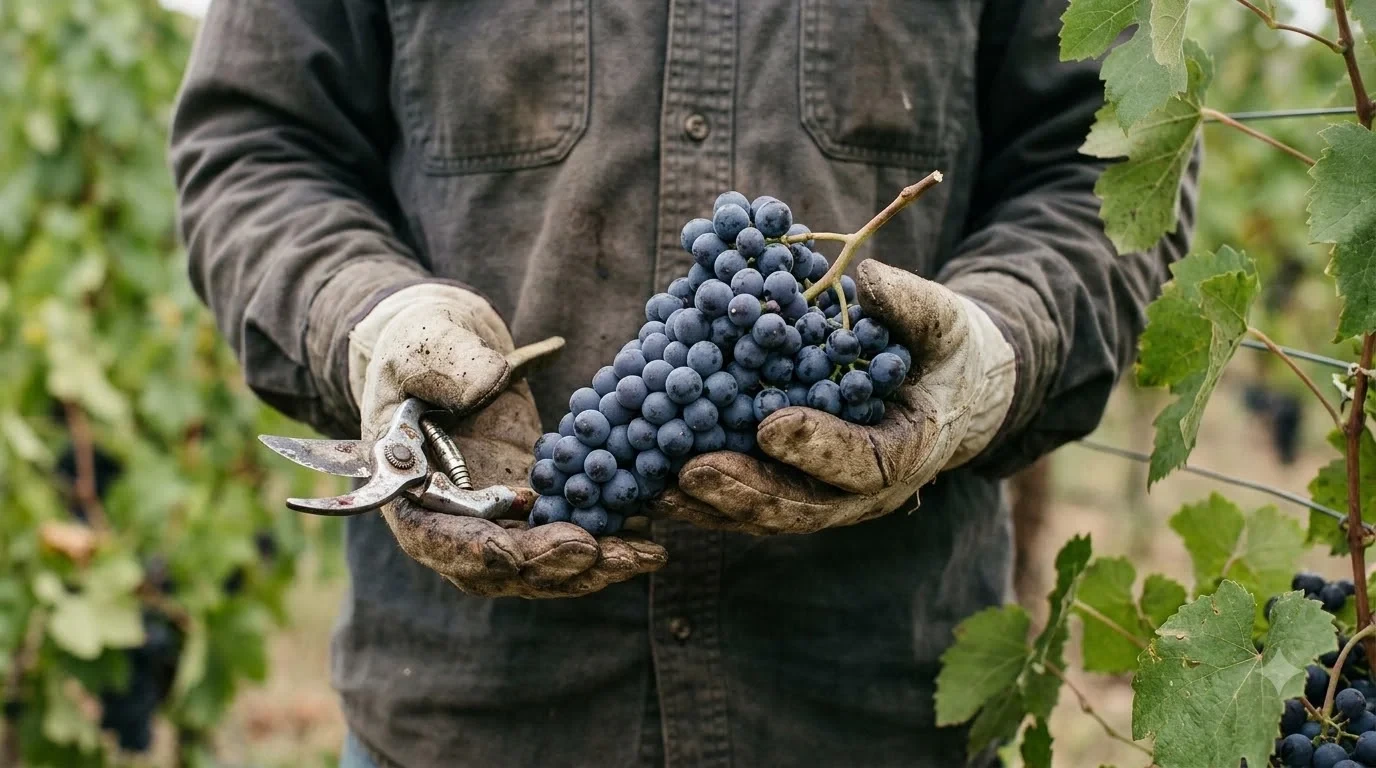
The valpolicella grape is mainly Corvina, a red variety from northeast Italy that gives Valpolicella its cherry, plum, and herbal character. Corvina is usually blended with local grapes such as Rondinella and Molinara. Its flavor shifts with how the grapes are handled, from tart and fresh in the everyday wine to dark, spiced, and concentrated in wines made from partly dried grapes.
Many shelves carry several Valpolicella styles side by side, which can make the choice confusing. This guide looks at the grape behind the wine rather than the wine itself. It explains what Corvina tastes like, which supporting varieties show up in the blend, how drying the grapes changes the result, and what to expect when you open a bottle labeled Valpolicella, Ripasso, or Amarone.
What Corvina Brings to Valpolicella
Corvina is the grape most people associate with the Valpolicella zone. According to Wine Folly’s Corvina guide, it is the main grape in Valpolicella and is typically blended with local varieties, most often Molinara and Rondinella. Those partners add structure and color, but Corvina sets the tone of the blend.
Fresh-grape wines from Corvina show tart red cherry, plum, and herbal notes. Some bottles also carry hints of almond and pepper. Wines made from partly dried grapes add spice, chocolate, and aged notes of leather and earth. The same grape can therefore taste bright in one bottle and brooding in another, depending on how it is made.
Where the Grape Is Grown
Corvina is grown mainly in the Veneto region of northeast Italy. Wine Folly notes that Veneto accounts for nearly all of the roughly 15,419 acres planted with the grape worldwide. Small plantings exist in Argentina, Chile, and Canada, but these are very limited, which means the authentic style almost always comes from the Italian zone.
Within Veneto, Corvina is central to three main appellations. Valpolicella DOC produces fresh, light-bodied, easy-drinking reds. Amarone della Valpolicella DOCG makes bold, richly fruited, high-alcohol reds from partly dried grapes that can age for a long time. Recioto della Valpolicella DOCG produces sweet and complex reds from the same drying method. Understanding these three names helps shoppers decide what they are buying.
| Wine made from Corvina | Grape treatment | Typical character |
|---|---|---|
| Valpolicella DOC | Fresh grapes | Light, high acidity, low tannin, red cherry |
| Ripasso | Fresh grapes re-fermented on Amarone skins | Fuller, more color and tannin, extra flavor |
| Amarone della Valpolicella | Partly dried grapes | Bold, high alcohol, grippy tannin, dried fruit and spice |
| Recioto della Valpolicella | Partly dried grapes, sweet style | Sweet, complex, dark fruit and chocolate notes |
How Drying Changes the Grape
The biggest difference in the Valpolicella family comes from drying. Grapes for the richer styles are partly dried before fermentation, which concentrates sugar, color, and flavor. Wine Folly notes that wines from dried grapes have high, grippy tannins, high alcohol, and a hint of sweetness. These are the bottles that feel dense and warming, and they reward patience.
Ripasso sits between the two extremes. Producers add the skins left over from Amarone production to a Valpolicella and ferment again, which adds flavor, color, and tannin. The Ripasso style is one of the most practical ways to taste the depth of the grape without paying for a full Amarone.
How Corvina Compares With Other Red Grapes
Corvina is an Italian red, but its fresh and dried-grape styles invite comparison with red blends from other countries. A reader who enjoys the spice and dark fruit of a dried-grape Valpolicella may find a useful parallel in the cotes du rhone grape guide, which covers a French red tradition built around blending several grapes rather than relying on one.
The biggest contrast is in how the wine is shaped. Corvina-based reds lean on drying and re-fermentation to build depth, while many blended French reds rely on the balance between grapes grown in different spots. Both approaches show that the grapes alone do not decide the final taste; the winemaking choices shape much of what reaches the glass.
For a shopper, the simplest comparison is by style. A fresh Valpolicella is closest to a light, fruit-forward red for everyday meals. A Ripasso or Amarone sits closer to a richer, more structured red that suits roasted and braised dishes. Matching the style to the meal matters more than matching the grape name alone.
Serving and Cellaring Valpolicella Wines
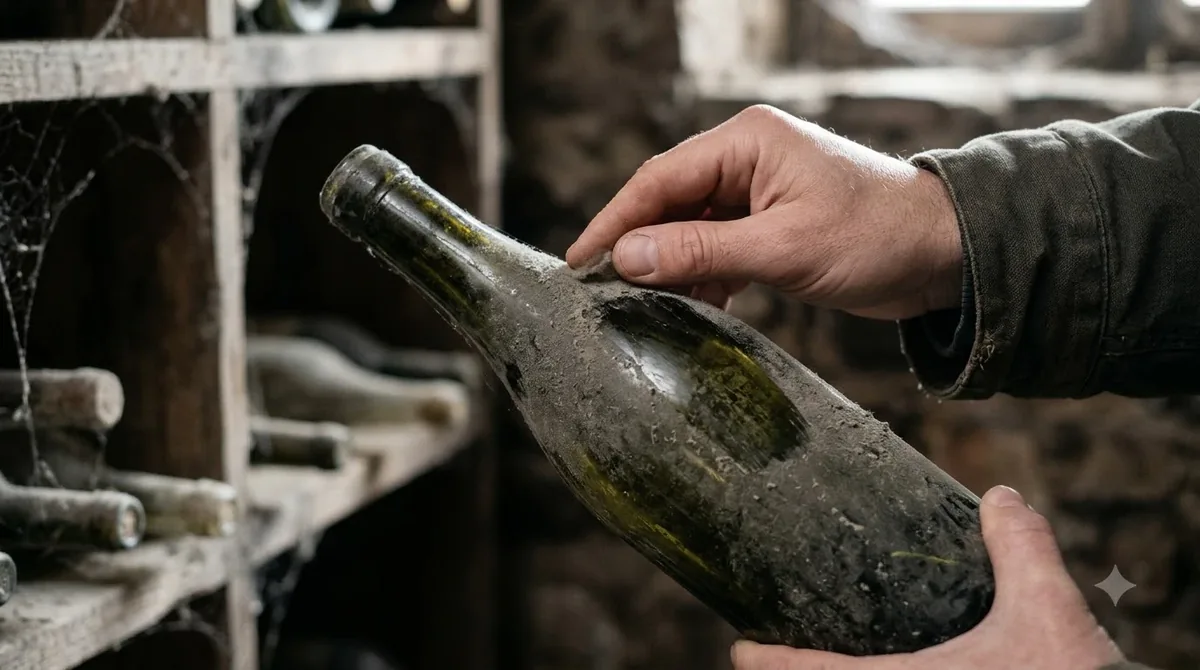
Wine Folly recommends serving Valpolicella at 55 to 60 degrees Fahrenheit, or 12 to 15 degrees Celsius, and says the wines can be cellared for five to ten years. The fresh-grape styles need no decanting, which makes them easy to open on a weeknight. Amarone is different: Wine Folly suggests decanting it for 30 minutes to one hour and serving it in a large glass that can hold its aromas.
Glassware also makes a difference. A standard red glass suits the fresh Valpolicella, while the bigger aroma-collector shape helps the fuller Amarone show its dried-fruit and spice notes. How long an opened bottle keeps varies by style, so the producer’s notes are the best guide once a bottle is open. Shoppers who buy several styles at once often find it useful to open the lighter wine first and save the richer bottle for later in the week.
Because the grape’s flavor depends on the style, the best guide is the label. A plain Valpolicella is the right choice for casual meals. A Ripasso or Amarone suits a special dinner, and a sweet Recioto pairs with dessert rather than with a main course.
Food Pairing for Corvina Wines
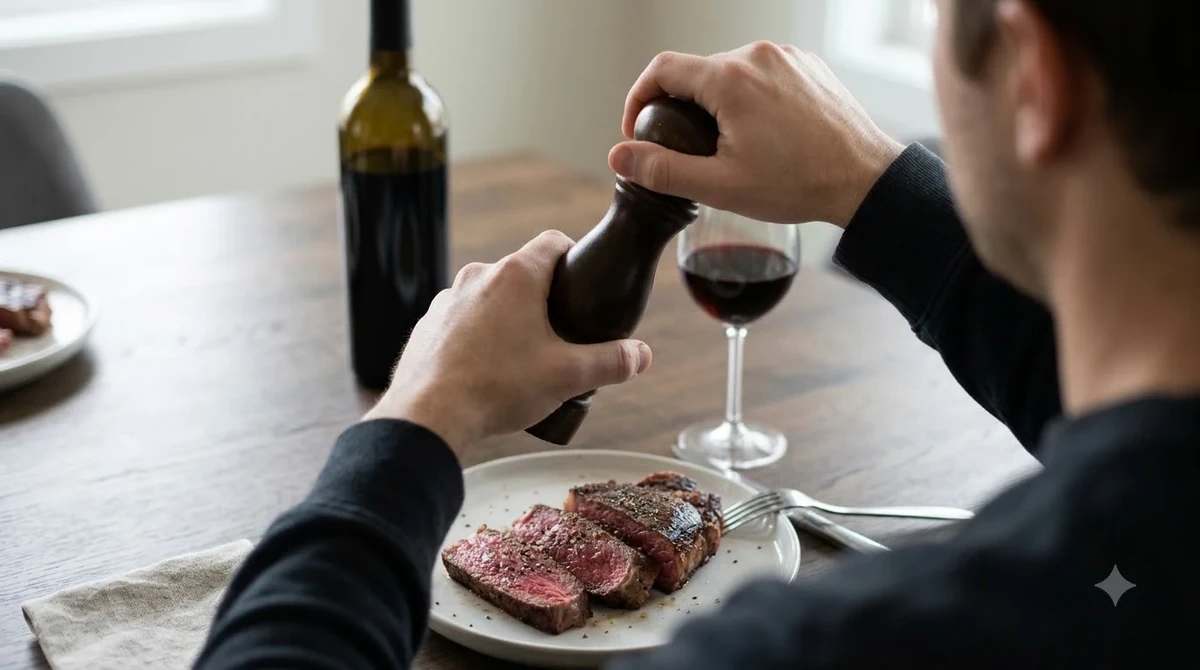
Pairing starts with the style. Wine Folly suggests that Valpolicella goes well with pizza, antipasti, and red pasta sauces, all of which match the wine’s fresh acidity and cherry notes. The richer Amarone pairs with flame-grilled porcini, medium-rare T-bone steak, and lamb stew, where its dried-fruit depth and firm tannins can stand up to the food.
Sweet Recioto works best with dark chocolate and dried-fruit desserts. The dark cocoa notes in the wine mirror the flavors in the dessert, so the pairing feels natural rather than heavy. Small pours also keep the sweetness in proportion with the meal.
Tip: If a shop lists a bottle only as red from Veneto, check whether the label says Valpolicella, Ripasso, Amarone, or Recioto. Those words tell you whether the grapes were fresh or partly dried.
Frequently Asked Questions
Is Corvina the same as Valpolicella?
No. Corvina is the grape, and Valpolicella is the wine made from it, along with other permitted local varieties. Corvina is the main grape in the blend and gives the wine much of its character.
What is the difference between Valpolicella and Amarone?
Valpolicella is made from fresh grapes and is light and easy to drink. Amarone is made from partly dried grapes, which makes it bolder, higher in alcohol, and more concentrated. Amarone also needs decanting, while the everyday Valpolicella does not.
Which grapes are blended with Corvina?
Wine Folly names Molinara and Rondinella as the most common local partners. These supporting grapes add structure and color, while Corvina sets the main flavor.
Should Valpolicella be served chilled?
A lightly cool serving temperature works well. Wine Folly suggests 55 to 60 degrees Fahrenheit for Valpolicella, which keeps the fresh cherry and acidity in balance without making the wine taste heavy.
Corvina shows how one grape can produce light everyday reds and dense, long-lived wines. To place the style among other red varieties, browse the wine by type guides and compare how each grape changes with the way it is grown and made.
More in Wine Types & Grapes
 Zinfandel Sugar Content: Dry Red vs. White Zinfandel GramsUpdated Nov 21, 2026
 Best Zinfandel Substitute Options for Sipping and CookingUpdated Nov 21, 2026
 Zweigelt Food Pairing: Best Dishes, Cheeses, and Serving TipsUpdated Nov 21, 2026
 Zinfandel Tannins Explained: How Structure Shapes Every BottleUpdated Nov 21, 2026
 Zinfandel Sweetness Level: Dry Red vs. Sweet White Zin ExplainedUpdated Nov 21, 2026
 Xinomavro Food Pairing: Best Dishes, Styles, and Serving TipsUpdated Nov 21, 2026