

We may earn a commission when you buy through links on this page, at no extra cost to you. Learn more.
Sherry color ranges from pale straw in fino to dark brown or near black in sweet styles, and the shade mostly reflects how the wine was aged. Flor yeast keeps some styles pale, while exposure to oxygen darkens others. This guide explains each color, what causes it, and how to use color as a clue when you choose a bottle.
Sherry is a fortified wine from Jerez in southern Spain, and it comes in a wider range of colors than most wine drinkers expect. A glass of fino can look almost like water with a faint gold tint, while a glass of Pedro Ximénez looks like syrup. The color is not decoration. It tells you a great deal about the wine’s age, its flavor, and how it was made.
Why sherry comes in so many colors
Color in sherry comes from two processes: flor and oxidation. Flor is a layer of yeast that grows on the surface of the wine in the barrel. It protects the wine from air and keeps the color pale, which is why fino and manzanilla look so light. Where flor does not form, or is allowed to die, the wine meets more oxygen during aging. Oxidation gradually darkens the wine and adds nutty, toasted flavors.
The length of aging matters as well. Sherry is commonly aged in a solera system, in which wine is drawn from the oldest barrels and replenished from younger ones. Over time this blending keeps the house style steady, and the color of the final wine reflects the proportion of older and younger wine in the blend.
Fino and manzanilla: the palest sherry
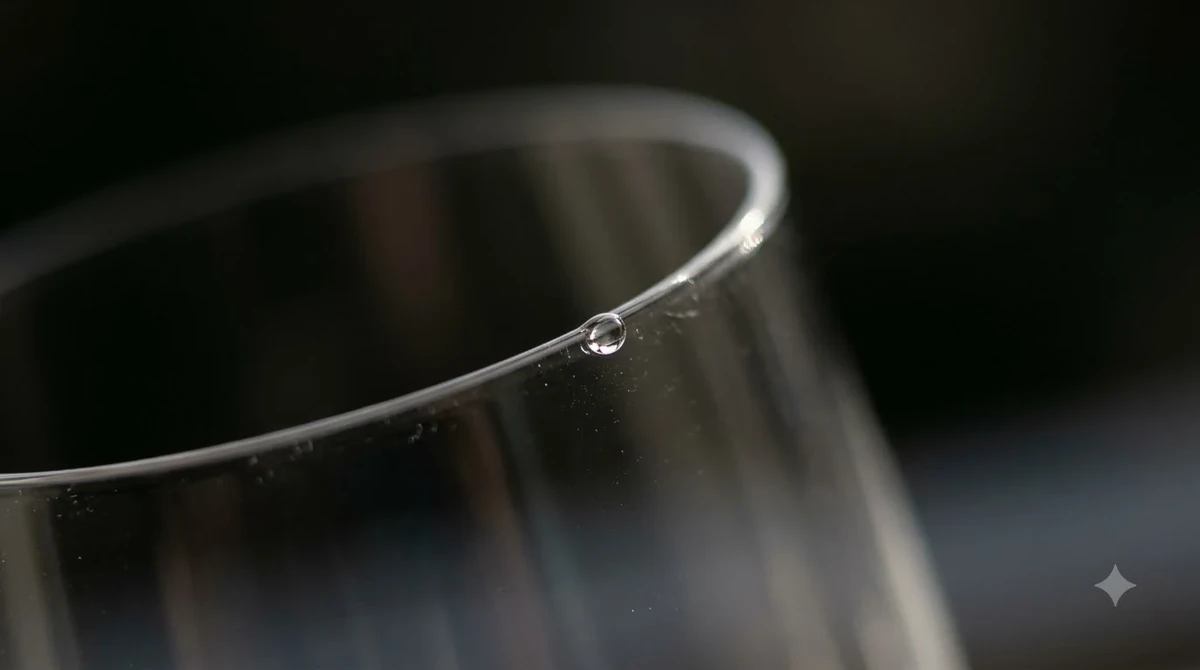
Fino is the driest and palest of the traditional sherry styles, according to the Wikipedia overview of sherry. It ages under a layer of flor, which limits contact with oxygen and keeps the wine light in color. Its typical look is pale straw or light gold, with a clean, dry finish and a faint saline quality.
Manzanilla is an especially light variety of fino. It comes from the coastal town of Sanlúcar de Barrameda and is usually even more delicate in color and flavor. Manzanilla pasada is a version that has aged longer or been partly oxidized. It gains a richer, nuttier taste, and its color moves toward deeper gold, although the exact shade varies by bodega.
| Sherry style | Typical color | What causes it |
|---|---|---|
| Fino | Pale straw to light gold | Aged under flor, limited oxygen |
| Manzanilla | Very light gold | Light variety of fino from Sanlúcar |
| Amontillado | Amber, darker than fino | Flor first, then exposure to oxygen |
| Oloroso | Deep amber to dark brown | Long oxidative aging without flor |
| Pedro Ximénez | Dark brown to near black | Sun-dried grapes and very sweet wine |
Tip: A darker sherry does not always mean sweeter. Oloroso and amontillado are often dry, while Pedro Ximénez is the style that is both dark and very sweet.
Amontillado: the bridge between pale and dark
Amontillado starts its life like a fino, aging under flor for a period. Then the flor fades, and the wine is exposed to oxygen. According to the Wikipedia overview, amontillado is darker than a fino but lighter than an oloroso, which makes it a useful middle point for drinkers who want more depth without heavy sweetness.
Its color is a clear amber, often described as a warm copper or deep gold. Amontillado tends to show more nuttiness and dried-fruit notes than fino, and the color is a reliable indicator that the wine has seen more air than its paler cousins.
Oloroso and palo cortado: the dark dry styles
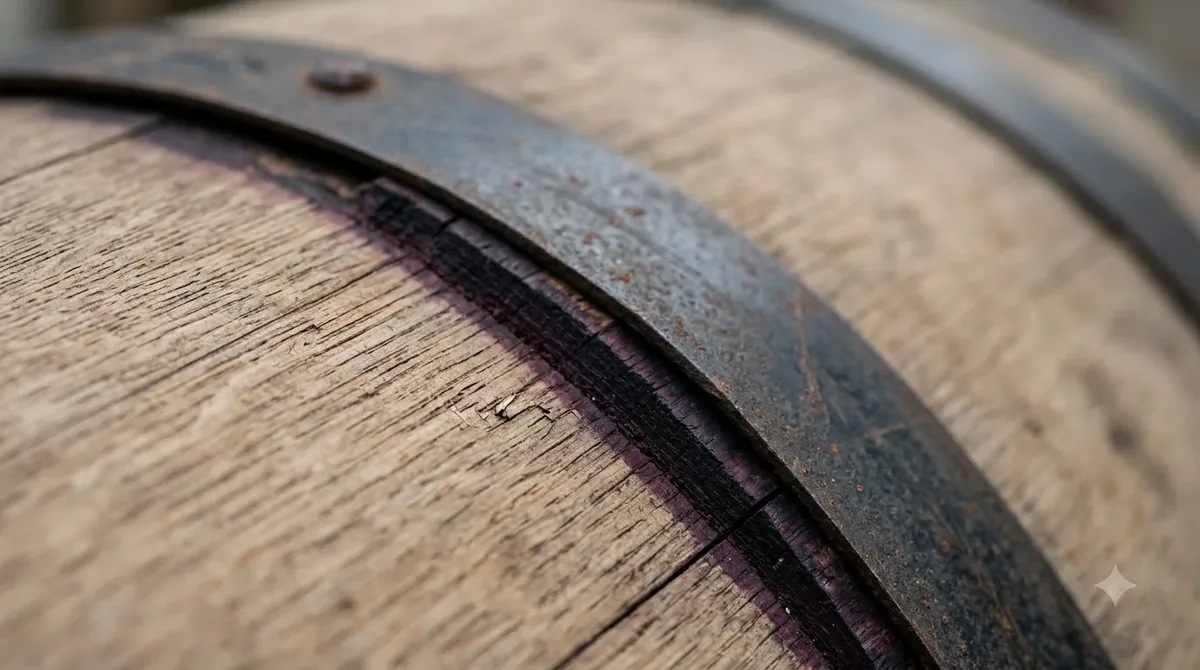
Oloroso is aged oxidatively for longer than fino or amontillado, and it does not develop a protective layer of flor. The result is a darker and richer wine, often deep amber to dark brown. The color comes from slow oxidation rather than from sweetening, which is why a dry oloroso can look as dark as a sweet one.
Palo cortado sits between amontillado and oloroso. It starts out aged like an amontillado, but its character moves toward oloroso as the flor dies or is killed off. Its color tends to be deep amber, and the wine usually has more weight and fragrance than a standard amontillado.
Pedro Ximénez: the darkest and sweetest
Pedro Ximénez, often shortened to PX, is the darkest sherry style in many shops. Wine Folly describes the grape as very sweet, with grapes dried in the sun to concentrate their sugars. The resulting wine is thick and syrupy, and its color is dark brown or black. Winemakers use it both as a standalone dessert wine and as a sweetening component in other sherries.
Because PX is so concentrated, a small pour goes a long way. It is often served over vanilla ice cream or with dark chocolate desserts. Its color alone signals the style, so a very dark glass usually means a sweet, dessert-leaning sherry.
Can you judge sherry by color alone?
Color is a useful first guide, but it does not tell the whole story. Two sherries of similar color may taste different because of their aging, sweetness, and producer style. A pale fino and a pale manzanilla share a shade, yet manzanilla is usually lighter and more delicate. Reading the style name on the label gives more reliable information than the color alone.
Sweetness, alcohol, and serving temperature also matter. Fino and manzanilla are usually served chilled, while darker, richer styles can be enjoyed slightly warmer. For a sense of how color connects to sweetness in another wine, the prosecco color guide explains how bubbles and shade relate in a different style. Sherry drinkers who also like red wines may want to compare the shiraz color profile to see how depth of color tracks with structure.
When you pour sherry for the first time, take a moment to look at the glass against a white background. Tilt it slightly and note the edge of the liquid, then compare that shade with the style you expected. Many people find that this quick check builds confidence in reading labels and choosing bottles, because color, style, and sweetness begin to line up in the mind.
Tasting notes often mention color alongside aroma. Pale sherries are described with words such as citrus, almond, and sea breeze, while dark styles bring raisin, fig, coffee, and caramel-like notes. Using both the color and the tasting notes gives a fuller picture than either alone.
How to choose a sherry by color
If you want a dry, light sherry for an aperitif, look for fino or manzanilla. These pale styles pair well with olives, almonds, and seafood. If you prefer something with more nutty depth, choose amontillado. Oloroso suits richer foods, such as roasted meats, and Pedro Ximénez fits dessert.
A simple rule is to match the color with the meal. Pale sherry for lighter dishes, amber for mid-weight food, and dark brown for dessert. A quick look at the glass helps you select the right style before you check the label for sweetness.
For a cocktail-friendly option, many bartenders use fino as a base for a dry, aromatic drink. The fino sherry cocktail guide shows how the pale style works in a mixed drink.
Frequently Asked Questions
What color is fino sherry?
Fino is usually pale straw to light gold. Flor yeast protects the wine during aging, which keeps the color light and the flavor dry.
Why is oloroso so dark?
Oloroso ages for a long time with oxygen exposure and without a protective layer of flor. The slow oxidation darkens the wine and adds richer, nuttier flavors.
Is a darker sherry always sweet?
No. Oloroso and amontillado can be dark and dry. Pedro Ximénez is the darkest style and is very sweet, so the style name is the better clue.
What is the palest sherry?
Manzanilla and fino are the palest styles. Manzanilla is a particularly light variety of fino made in Sanlúcar de Barrameda.
Sherry color moves from pale straw to dark brown, and each shade signals a different aging path and flavor profile. Use the style name on the label as your main guide, then let the color confirm what you expect. To explore more wine styles and terms, visit the wine by type section.
More in Wine Types & Grapes
 Zinfandel Sugar Content: Dry Red vs. White Zinfandel GramsUpdated Nov 21, 2026
 Best Zinfandel Substitute Options for Sipping and CookingUpdated Nov 21, 2026
 Zweigelt Food Pairing: Best Dishes, Cheeses, and Serving TipsUpdated Nov 21, 2026
 Zinfandel Tannins Explained: How Structure Shapes Every BottleUpdated Nov 21, 2026
 Zinfandel Sweetness Level: Dry Red vs. Sweet White Zin ExplainedUpdated Nov 21, 2026
 Xinomavro Food Pairing: Best Dishes, Styles, and Serving TipsUpdated Nov 21, 2026