

We may earn a commission when you buy through links on this page, at no extra cost to you. Learn more.
What is marquette? It is a red hybrid wine grape developed at the University of Minnesota and built for cold climates. The variety was introduced in 2006 as part of a breeding program that aimed for high quality alongside strong winter hardiness and disease resistance. Marquette wines are typically red, and the grape is now grown in parts of the United States and Canada where classic European vines struggle to survive.
Marquette is a useful example of how modern grape breeding works. Instead of coming from the European species that produced most famous wines, it is an interspecies hybrid, which means it carries genes from more than one Vitis species. This guide explains where the grape came from, what it is good for, how its wine tends to taste and how to decide whether a bottle is worth trying.
Where Marquette Comes From
Marquette was bred at the University of Minnesota, where researchers worked on wine and table grapes that could handle severe winters and resist common vineyard diseases. The variety is a cross of two other hybrids, MN 1094 and Ravat 262, and its family tree includes several wild and cultivated species. It carries the breeding code MN 1211 before it received its name.
The grape was introduced in 2006, which is recent by winemaking standards. That short history is one reason its place in the market is still developing. Growers choose it because it can survive very low temperatures, not because it has centuries of reputation behind it.
Official recognition has followed in some wine regions. According to the Wikipedia entry on the grape, Ontario’s VQA rules permitted the variety from August 2019, and British Columbia followed in 2021. Those approvals made it easier for wineries to label and sell wines made from the grape within those regions.
Cold Hardiness and Disease Resistance
The main reason Marquette exists is its hardiness. Vines are described as able to survive temperatures around minus 37 °C (minus 35 °F) when fully dormant. That tolerance matters in regions with harsh winters, where many vinifera varieties would be killed by a single severe cold snap and would have to be replanted.
The grape also shows good resistance to several common fungal diseases, including downy mildew, powdery mildew and black rot. Fewer required sprays mean lower production costs and less exposure to chemical treatments, which is one reason hybrid varieties have attracted growers who want to farm more lightly.
Hardiness and disease resistance do not guarantee a particular style of wine, though. Those traits describe how the vine survives. The flavor of the finished wine depends on the site, the ripeness at harvest and the choices the winemaker makes afterward.
| Characteristic | Marquette |
|---|---|
| Grape type | Red interspecies hybrid |
| Bred by | University of Minnesota |
| Introduced | 2006 |
| Cold hardiness | Survives around minus 37 °C when dormant |
| Disease resistance | Downy mildew, powdery mildew, black rot |
| Wine color | Red |
What Marquette Wine Tastes Like
Marquette wine is red, and it is usually made in a fruit-forward style. Expect red and dark berry flavors, and depending on the winemaking, a touch of spice or oak. Many producers aim for a wine that is approachable and smooth rather than austere, which suits drinkers who want a red without a lot of hard tannin.
Because the grape is a hybrid, its profile differs from the European varieties that dominate most wine shelves. Hybrids can have a distinct aromatic character, and the best producers work to balance that with ripe fruit and careful handling. Tasting notes from individual wineries are the best guide to how a particular bottle will taste.
Some Marquette wines are made in a lighter, chilled-serve style, while others are aged in oak for more structure. The difference between those two approaches is usually clear on the label or in the producer’s description, so it is worth checking before you buy.
How to Serve Marquette
Serve red Marquette at cellar temperature or a little cooler, roughly 13 to 16 °C (55 to 60 °F). Lighter styles can benefit from a short rest in the refrigerator before serving, while fuller oak-aged versions are best a little closer to room temperature so the fruit and oak can show.
A medium red wine glass is a sensible choice. It gives the aromas room while keeping the wine from feeling too sharp. If the bottle is young and seems closed, a few minutes in the glass or a short decant can bring out the fruit.
Tip: Chilling a fruit-forward red for 15 to 20 minutes is often enough to make it taste fresher and more balanced on a warm day.
Food Pairings That Fit Marquette
Marquette fits casual, hearty food. Burgers, roast chicken, pork and grilled vegetables all work well with a fruity red that is not heavily tannic. Tomato-based dishes such as pasta with a simple sauce or a chili also suit the wine’s fruit and acidity.
Because the wine is usually easygoing, it is a practical choice for groups with mixed tastes. It can sit comfortably beside a pizza night, a potluck table or a holiday buffet without demanding a special dish. Serving it with a range of foods lets each guest see how the fruit responds to different flavors.
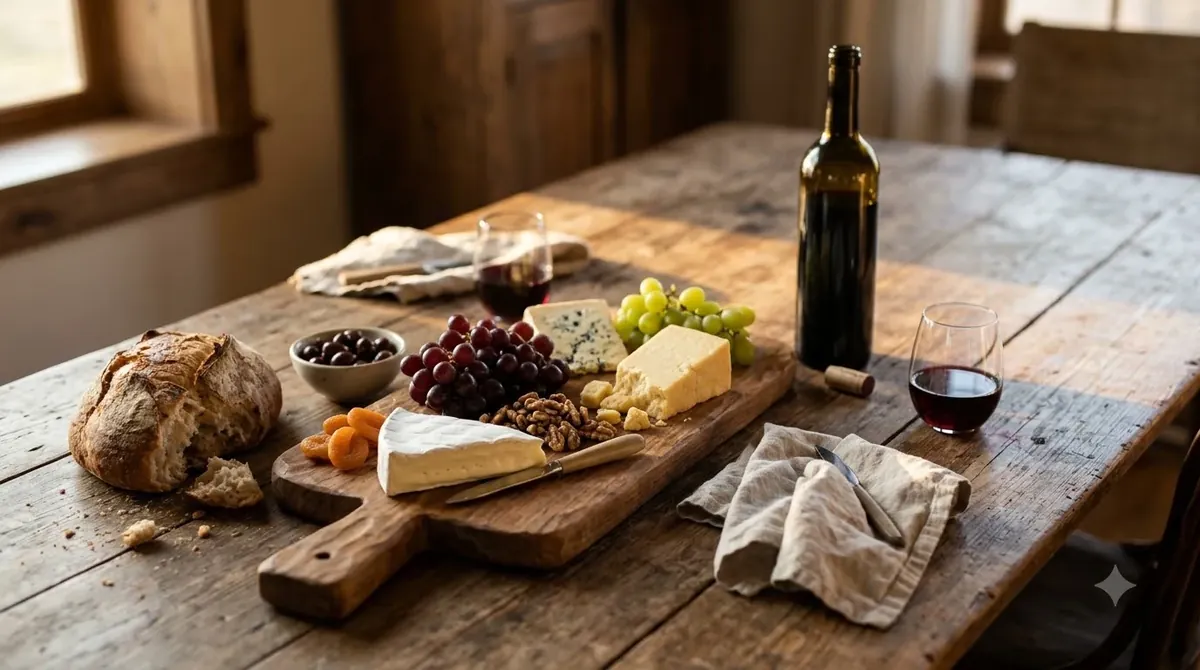
For a lighter match, try a cheese plate with mild cheeses such as Gouda or fresh goat cheese. The wine’s fruit can pick up the sweetness in the cheese without overpowering it. Dishes with smoky barbecue flavors are another natural fit.
How to Choose a Marquette Bottle
Start by checking the style on the label or in the winery’s description. Words like “fruit-forward,” “smooth” or “light-bodied” point to an easygoing wine, while “oak-aged” or “structured” suggests more body and spice. If you are new to the grape, a fruit-driven bottle is the most reliable starting point.
Buying from a local winery or a specialist retailer can also help. Staff often know the producer’s approach and can recommend a style that matches your taste. Because the grape is grown in a limited number of regions, you may have fewer options than with a classic European variety, so it is useful to ask questions.
Finally, consider what you plan to eat. A lighter Marquette suits everyday dinners, while a richer bottle is better for a meal with roasted meats or a barbecue spread.
Frequently Asked Questions
Is marquette a red or white wine?
Marquette is a red grape, and the wines made from it are red. The variety was bred for cold climates, so its wines are generally fruit-driven and approachable.
Is marquette a hybrid grape?
Yes. It is an interspecies hybrid, bred at the University of Minnesota from crosses between other hybrid parents. That background gives it cold hardiness and disease resistance that many European vinifera varieties lack.
Is marquette similar to Pinot Noir?
Not in parentage. Pinot Noir is a European vinifera grape, while marquette is a cold-climate hybrid. Some drinkers find the fruit-forward style of marquette approachable in a similar way, but the flavors and structure can differ.
How should marquette be stored?
Keep it in a cool, dark place away from heat and sunlight, as you would with most red wines. Drink fruit-forward bottles within a few years of release, and check the producer’s guidance for oak-aged versions that may improve with a bit more time.
Marquette is a good choice if you want to explore how grapes bred for harsh climates taste in the glass. To compare it with other cold-climate reds, read about baco noir wine, and for a broader overview of varieties, visit the guide to wine by type.
More in Wine Types & Grapes
 Zinfandel Sugar Content: Dry Red vs. White Zinfandel GramsUpdated Nov 21, 2026
 Best Zinfandel Substitute Options for Sipping and CookingUpdated Nov 21, 2026
 Zweigelt Food Pairing: Best Dishes, Cheeses, and Serving TipsUpdated Nov 21, 2026
 Zinfandel Tannins Explained: How Structure Shapes Every BottleUpdated Nov 21, 2026
 Zinfandel Sweetness Level: Dry Red vs. Sweet White Zin ExplainedUpdated Nov 21, 2026
 Xinomavro Food Pairing: Best Dishes, Styles, and Serving TipsUpdated Nov 21, 2026