

We may earn a commission when you buy through links on this page, at no extra cost to you. Learn more.
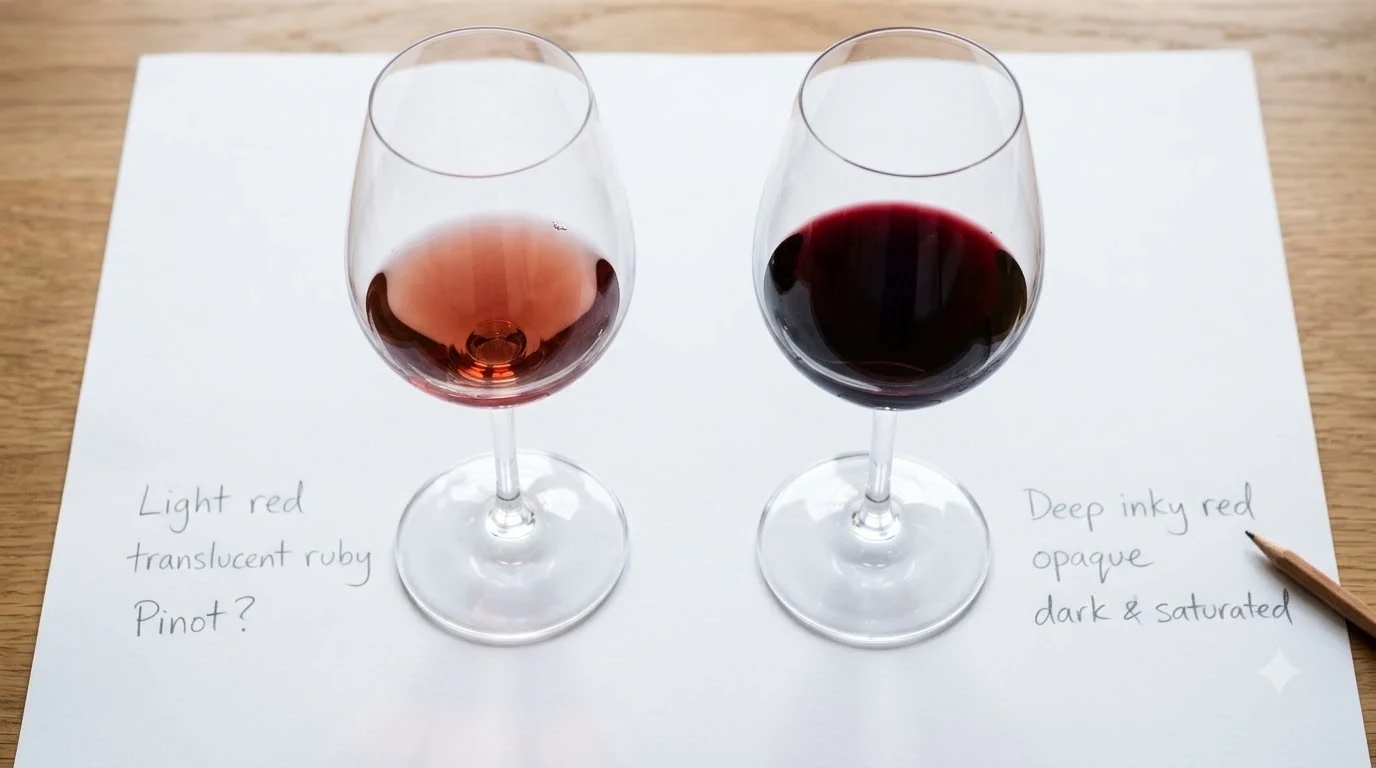
Pinot noir with duck is one of the most classic food pairings in wine, because pinot noir’s bright acidity cuts through duck’s rich fat while its red fruit and earthy notes match the meat’s gamey flavor. Light to medium bodied with low tannin, pinot noir rarely overwhelms roast duck, which is why it is often the first red that cooks and sommeliers reach for.
This guide explains why pinot noir and duck work so well together, how different ways of cooking duck change the match, and which sauces and side dishes help the pairing shine. It also covers serving temperature, glassware and how to pick a bottle that suits the meal.
Why Pinot Noir Works With Duck
According to Wine Folly’s pinot noir guide, duck is a classic pairing for this grape. The reason is acidity. Duck has a high fat content, and a wine with lively acidity refreshes the palate after each bite instead of letting the fat coat the mouth. Pinot noir’s medium-high acidity does that job while keeping the wine light enough not to clash with the bird.
Flavor is the second reason. Pinot noir typically shows ripe cherry and raspberry, with earthy notes of forest floor and tea leaves. Those red fruit and savory tones mirror the sweet, roasted, slightly gamey character of duck, so the two feel connected rather than competing.
The Key Traits of Pinot Noir
Understanding the grape makes the pairing easier to predict. Pinot noir is usually light to medium bodied, has low tannin because its skins are thin, and sits at about 12% to 14% alcohol by volume. Its low tannin is important with duck, because heavy tannins can feel harsh against rich meat and can leave a metallic taste.
| Trait | Pinot Noir | Why It Matters With Duck |
|---|---|---|
| Body | Light to medium | Does not overpower the meat |
| Acidity | Medium-high to high | Cuts through duck fat |
| Tannin | Low | Avoids a harsh or bitter finish |
| Fruit | Cherry, raspberry | Complements sweet roasted notes |
| Earth | Forest floor, tea leaves, mushroom with age | Echoes gamey, savory flavors |
| Alcohol | About 12% to 14% | Keeps the pairing balanced |
How the Cooking Method Changes the Match
Duck can be roasted, pan-seared, braised or confited, and each method changes how rich the meat tastes. A roasted duck breast with crisp skin is fatty and needs bright acidity, so a lighter pinot noir with fresh fruit works well. A braised or confit leg is softer and deeper in flavor, which can handle a slightly more structured pinot from a cooler region.
Spicing matters too. Wine Folly notes that spicing the duck can bring out the nuances of the wine, which suggests that herbs, orange zest or a touch of warm spice can make the pairing more interesting. A brushed glaze with honey or fruit can also echo the wine’s fruit, as long as the sauce is not so sweet that it hides the pinot.
Sauces and Side Dishes That Help
The sauce often decides whether the pairing feels right. Fruit-based sauces such as cherry, plum or cranberry reflect the pinot’s red fruit and tend to work very well. Earthy sauces built on mushrooms, thyme or a light jus add savory depth that matches the wine’s forest floor character.
Side dishes can follow the same logic. Roasted root vegetables, wild mushrooms, lentils and creamy polenta all suit pinot noir. Salads with bitter greens and a sharp vinaigrette can also refresh the palate between bites of rich duck.
Tip: If the sauce is very sweet or very sharp, pick a pinot with a little more fruit and softer acidity. If the duck is plain, a bright, fresh pinot will keep the meal lively.
Serving Pinot Noir With Duck
Serving temperature affects how pinot noir tastes with food. Wine Folly recommends serving pinot noir at about 55 to 60°F (12 to 15°C), slightly cooler than room temperature. At that range the fruit stays clear and the acidity feels fresh, which is what you want beside rich duck.
Glassware is worth a small thought. A wide-bowl glass lets the aromas develop, and many people find it helpful to pour a modest amount so the wine stays cool through the meal. Young bottles can also benefit from about 30 minutes of decanting, which softens the wine and lets its fruit open up before dinner.
Other Pairings for Pinot Noir
Pinot noir is a flexible food wine, and it pairs well with salmon, mushroom dishes and other earthy or fatty foods. That makes it a useful reference when you are planning a menu around duck and want a backup choice. The wine’s gentle structure means it works with many proteins, not only poultry.
For a broader look at how wine matches with different foods, the wine pairing guides on this site explain how acidity, body and flavor interact. For comparisons with other reds and whites, see the barolo food pairing article, which covers a bolder red that suits heartier meat.
How to Choose a Pinot Noir for Duck
Look for a pinot noir with bright red fruit, good acidity and modest oak. Bottles that describe cherry, raspberry or strawberry flavors with a fresh finish usually match duck well. Heavier, very oaky or very jammy styles can overwhelm the bird, so they are better saved for stronger meats.
Region can also guide you. Cooler climates often produce pinot noir with higher acidity and more savory notes, which tend to suit duck. The label’s region and the producer’s tasting notes give the best clues about the style inside the bottle.
Common Mistakes With Pinot Noir and Duck
The most common mistake is choosing a pinot noir that is too big. A heavily oaked or very jammy bottle can taste overpowering next to a simply roasted bird, and the fruit can feel heavy instead of fresh. A lighter style almost always works better with duck.
Another mistake is serving the wine too warm. Pinot noir served near room temperature can taste soft and alcoholic, and it loses the acidity that makes it cut through the duck’s fat. A short time in the fridge before dinner usually fixes this.
Sauce is the third area where pairings go wrong. A glaze that is too sweet can push the meal toward dessert, while a heavy cream sauce can dull the wine’s acidity. Choosing a fruit or herb-based sauce keeps the dish balanced.
Finally, avoid over-decanting older bottles. Older pinot noir can fade quickly once it meets air, so a gentle pour is often enough. Young bottles are the ones that usually gain from a short decant.
Frequently Asked Questions
Why is pinot noir often recommended with duck?
Pinot noir has medium-high acidity that cuts through duck’s fat, plus red fruit and earthy notes that complement the meat. Its low tannin also keeps the pairing from tasting harsh.
What temperature should pinot noir be served at with duck?
Wine Folly recommends about 55 to 60°F (12 to 15°C). Slightly cool pinot keeps its fruit lively and its acidity fresh beside rich duck.
Does the cooking method change the pairing?
Yes. Crisp roasted duck breast suits a bright, fresh pinot, while braised or confit duck can handle a slightly more structured bottle. Sauce choice matters as much as the wine.
Should a pinot noir be decanted before serving with duck?
Young bottles can benefit from about 30 minutes of decanting, according to Wine Folly. Older bottles usually need less time, and sediment can make decanting more important for them.
Pinot noir and duck is a pairing that rewards a simple approach: choose a fresh, medium-bodied red, keep the sauce balanced, and serve the wine slightly cool. Start with the classic combination and adjust the sauce or side dishes to suit your table.
More in Food & Wine Pairing
 Risotto With White Wine Recipe: Make a Creamy Dinner at HomeUpdated Nov 20, 2026
 Wassail With Wine Recipe for a Festive Spiced Holiday DrinkUpdated Nov 20, 2026
 Spritz Veneziano Recipe: Make a Classic Venetian Aperitivo at HomeUpdated Nov 20, 2026
 Summer Wine Punch Recipe for Easy Homemade EntertainingUpdated Nov 20, 2026
 Bishop Recipe: How to Make a Bright, Citrus-Forward Red Wine CocktailUpdated Nov 20, 2026
 Wine Cupcakes Recipe: Bake Rich Chocolate Cupcakes at HomeUpdated Nov 20, 2026