

We may earn a commission when you buy through links on this page, at no extra cost to you. Learn more.
Germany wine is mostly white, led by Riesling, and most of it is dry, even though many shoppers still picture German wine as sweet. Germany has 13 official wine regions, and the country grows more than 140 grape varieties. Its cool climate, steep slate slopes and long, slow ripening give many of its wines high acidity, light body and a clear mineral edge, with alcohol levels that often sit between 8 and 13.5 percent ABV.
Germany is one of the most useful countries to explore for anyone who likes crisp, food-friendly wine. The label can look intimidating at first, with long words and terms that describe ripeness rather than flavor. This guide explains the main regions, the grapes that matter most, how to read a German label, and how to serve and pair these wines without guessing.
Why German Wine Feels Different
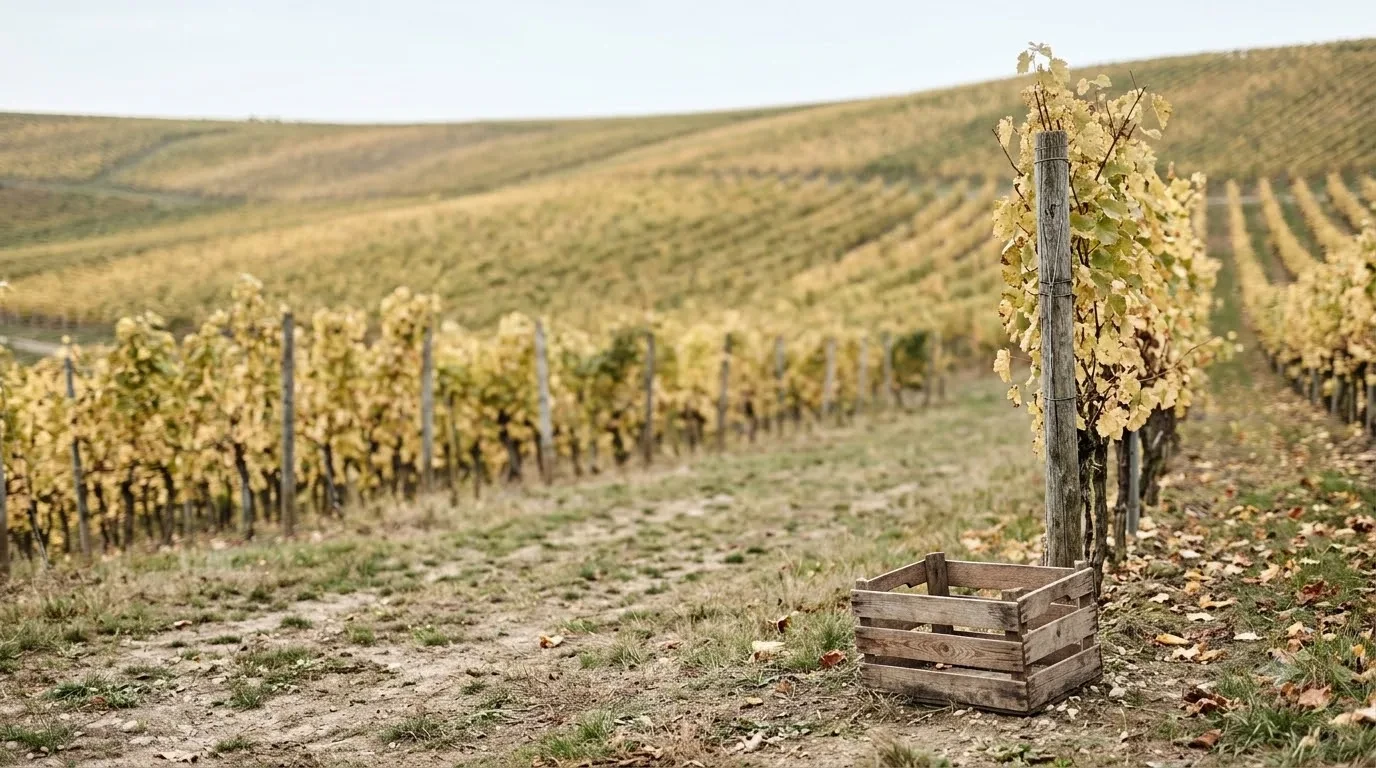
Most German vineyards sit at the northern edge of where grapes ripen reliably. That cool climate is the reason German wines usually taste fresh and light, and it is also why some vintages are harder to ripen than others. Growers work around that limit by choosing their sites carefully, and many of the best vineyards sit on steep slopes where the soil holds heat.
The regional overview from Wine Insiders’ German wine guide describes the same pattern, with Mosel and Rheingau on one side and warmer Pfalz and Baden on the other. The dry style is now the norm across much of the country. Warmer regions such as Pfalz and Baden produce fuller, fruit-forward wines, while cooler sites produce lighter, sharper bottles. Sweetness is only one part of the picture. Acidity, body and aroma tell you more about how a wine will taste with food.
The Main Regions and Their Character
Germany’s regions differ in soil and temperature, and those differences show up clearly in the glass. The Mosel and Rheingau are known for racy, high-acid whites with precise minerality, while Pfalz and Baden give warmer, more textural wines. Rheinhessen is the largest region and offers the widest range of styles.
| Region | Soils and setting | Typical character |
|---|---|---|
| Mosel | Slate soils on steep slopes | Racy, high-acid whites with mineral tension |
| Rheingau | Known for Riesling and Spätburgunder | Precise, structured wines with strong acidity |
| Nahe | Slate in parts of the region | Mineral-driven wines with a range of styles |
| Pfalz | Loess and limestone soils | Warmer sites, fuller and fruit-forward whites |
| Rheinhessen | Volcanic and porphyry soils | Largest region, wide range of styles |
| Baden | Warmer sites | Fuller-bodied, fruit-forward wines, including Spätburgunder |
| Franken | Loess and limestone soils | Home of Silvaner, a traditional white grape |
| Ahr | Cooler valley vineyards | Noted for Spätburgunder, or Pinot Noir |
For a broader look at how climate and soil shape flavor across countries, see our guide to wine regions. Germany fits well into that framework because its wines show the relationship between latitude, slope and acidity so clearly.
Riesling and the Other Grapes Worth Knowing
Riesling is the signature grape of German wine and accounts for 23.4 percent of the country’s plantings, the largest share of any variety. It can taste of green apple, lime and wet stone in cool sites, and riper, peach-like flavors in warmer ones. Its acidity keeps it lively even when it is sweet, which is why good German Riesling is so versatile at the table.
Müller-Thurgau, Silvaner, Pinot Gris (Grauburgunder) and Pinot Blanc (Weissburgunder) also appear often on German wine lists. Müller-Thurgau tends to be softer and easy-drinking, while Silvaner shows up most often in Franken and can be quite savory. On the red side, Spätburgunder (Pinot Noir), Dornfelder and Portugieser are the main varieties. Spätburgunder is especially associated with the Rheingau, Ahr and Baden.
Five varieties account for more than half of all German vineyards, so a few grapes do most of the work. Learning those few names gives you a useful map for shopping, even before you learn the regions in detail. Growers in other cool-climate countries face similar choices, which is why a guide to italy wine can be a helpful comparison when you want to see how different terroirs shape similar grapes.
How to Read a German Wine Label
German labels can look like a code, but a handful of terms cover most bottles. Some describe sweetness, some describe where the grapes came from, and others describe how ripe the grapes were at harvest. Knowing the difference helps you choose the right bottle for a specific meal or mood.
| Term | What it means |
|---|---|
| Trocken | Dry |
| Halbtrocken or Feinherb | Off-dry, with a touch of sweetness |
| Kabinett | Often off-dry, though a Kabinett labeled “trocken” is dry |
| Spätlese | Riper, and potentially sweeter |
| GG (Grosses Gewächs) | Top-quality dry wines from single vineyards |
The Prädikat levels, such as Kabinett and Spätlese, describe how ripe the grapes were when they were picked, not necessarily how sweet the finished wine tastes. A dry Spätlese is possible, so the word on the label is only a starting point. Check the front label for “trocken” or “halbtrocken” if sweetness matters to you.
Tip: If you are unsure about sweetness, look for “Trocken” on the label. It is the clearest sign that the wine is dry.
Serving and Pairing German Wine
Serving temperature changes how a German wine tastes. White wines are usually best around 45 to 50 degrees Fahrenheit, which keeps the acidity crisp without muting the fruit. Red wines, including Spätburgunder, are usually served a little warmer, around 55 to 60 degrees Fahrenheit, so the fruit and structure show clearly.
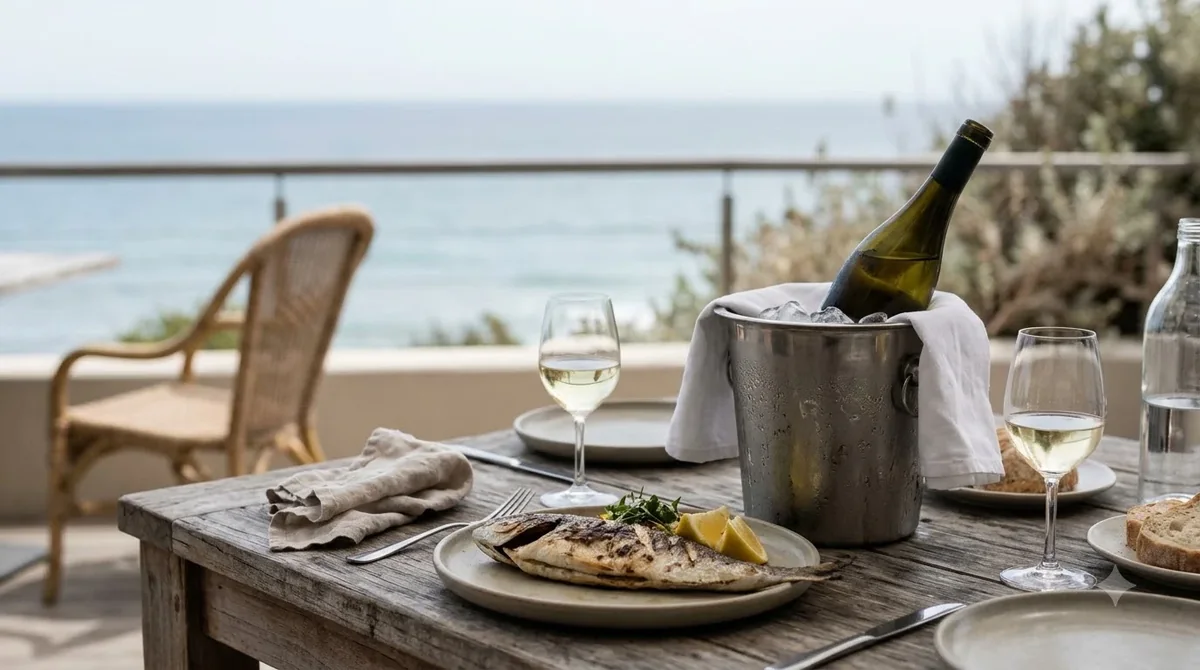
Pairing is where German wine shines. Dry Riesling works well with pork, roast chicken, seafood and Asian dishes with ginger or chili, because its acidity cuts through rich food. Off-dry styles suit spicy cooking, and riper Spätlese can complement fruit-based desserts. Spätburgunder pairs with mushroom dishes, duck and salmon, and Silvaner suits fresh herbs, asparagus and soft cheese.
Buying German Wine Without Guessing
Shopping for German wine is easier if you start with the grape and the sweetness level, then choose a region. A Mosel Riesling labeled dry gives you a sharp, mineral-driven bottle, while a Pfalz white offers a rounder, riper style. Reds from Baden or the Ahr are a good route into German Spätburgunder.
Alcohol levels can help you match a bottle to the occasion. Most German wines fall between 8 and 13.5 percent ABV, which makes many of them lighter than a typical California red or a warm-climate white. That lower alcohol is one reason German wines often pair well with long meals.
For a starting point, look for wines from a producer with a clear regional label and a consistent style. Many shops group German bottles by sweetness, which makes it easier to compare dry and off-dry options side by side. Once you know a region you like, you can explore how it compares with a more famous wine area, such as bordeaux wine, which takes a very different approach to structure and aging.
Frequently Asked Questions
Is German wine always sweet?
No. Germany makes a large share of dry wine, and many shoppers are surprised by how crisp the country’s Riesling can be. Look for “Trocken” on the label if you want a dry bottle, and check the producer’s notes for sweetness.
What is the most important German grape?
Riesling is the most important German grape, accounting for 23.4 percent of plantings. It can be dry or sweet, and its high acidity makes it one of the most food-friendly white wines in the world.
What does Kabinett mean on a German label?
Kabinett is a Prädikat level that describes grape ripeness at harvest, and it is often off-dry. A Kabinett labeled “trocken” is dry, so read the full label to understand the sweetness of the bottle.
How should I serve German white wine?
Serve German white wines around 45 to 50 degrees Fahrenheit. That range keeps the acidity crisp and lets the fruit and mineral notes show clearly. Red wines such as Spätburgunder are best around 55 to 60 degrees Fahrenheit.
German wine rewards curiosity. Start with a dry Riesling, compare it with a Pfalz white or a Baden red, and you will quickly see how the country’s regions shape its character. Once you understand the label and the few grapes that matter most, the whole country becomes much easier to explore.
More in Wine Regions
 Willcox Wine Trail: Discover Arizona’s High-Elevation Wine CountryUpdated Nov 20, 2026
 Yakima Valley Wine Region: Find the Best Styles to TryUpdated Nov 20, 2026
 Vosne Romanee Wine Tasting: Identify Aromas and Choose Better PairingsUpdated Nov 20, 2026
 Yakima Valley Wine Festival: Find the Best Seasonal Wine EventsUpdated Nov 20, 2026
 Wales Vineyards: Discover Cool-Climate Wines and Where to VisitUpdated Nov 20, 2026
 Yountville Wine Festival: Discover Napa Wines and Local FoodUpdated Nov 20, 2026