

We may earn a commission when you buy through links on this page, at no extra cost to you. Learn more.
What is viognier? It is a white wine grape from the Northern Rhône Valley in France, known for perfumed aromas and a full, oily texture. Wines made from viognier are usually dry despite their fragrance, with flavors of tangerine, mango, peach and honeysuckle. Some producers age the wine in oak, which adds vanilla and a richer finish.
Viognier can seem like a contradiction at first. Its bouquet suggests sweetness, yet most bottles are dry and fairly weighty in the mouth. This guide explains where the grape comes from, what it tastes like, how to serve it and which dishes suit it best.
Where Viognier Comes From
Viognier originates in the Northern Rhône Valley, and that region remains its spiritual home. In Condrieu, the best-known appellation for the grape, wines must be made entirely from viognier. Wine Folly’s viognier profile notes that the nearby red appellation Côte-Rôtie allows up to 20 percent viognier blended with Syrah, a practice that adds perfume to the red wine.
A small estate called Château-Grillet produces a single-variety viognier from its own vineyard. The estate releases around 10,000 bottles each year, which is one reason its wines are so sought after by collectors. Outside the Rhône, viognier is planted in regions such as California, Australia and parts of South America, where growers have adapted it to warmer sites.
The grape’s relatively small total planting is part of its character. Growers who work with viognier often have to manage its vigor and timing carefully, since the fruit can lose its freshness if it is picked too late.
Aromas and Flavors
The aroma is what most people remember about viognier. Expect tangerine, mango, peach and honeysuckle, with a floral layer that often suggests rose petals. These notes are present in both young and mature wines, although they shift as the bottle ages.
Fruit and floral aromas are only part of the story. Oak-aged versions add vanilla, caramel and a toasty character that can resemble a fuller style of Chardonnay. Unoaked viognier keeps the fruit and perfume in front and tends to feel lighter and crisper on the finish.
Because the aromas are so forward, viognier is easy to recognize in a blind tasting. Many drinkers find it an approachable alternative to heavily oaked whites, since it offers richness and texture without tasting like butter.
Body, Texture and Acidity
Viognier is typically full-bodied, and it often has an oily or almost creamy texture on the palate. Despite that weight, the wine is usually dry. Its acidity is medium-low, so it feels round rather than sharp, and that is why it pairs well with dishes that have rich sauces or gentle spice.
Alcohol levels commonly fall between 13.5 and 15 percent ABV. That warmth is noticeable on the finish, especially in riper, warmer-climate bottles. Cooler sites produce wines that feel leaner and more floral, so the same grape can read quite differently depending on where it grew.
| Characteristic | Typical viognier |
|---|---|
| Style | White, usually dry |
| Body | Full-bodied, oily texture |
| Acidity | Medium-low |
| Alcohol | About 13.5 to 15 percent ABV |
| Main aromas | Tangerine, mango, peach, honeysuckle, rose |
| Oak influence | Vanilla, caramel, toast |
How to Serve Viognier
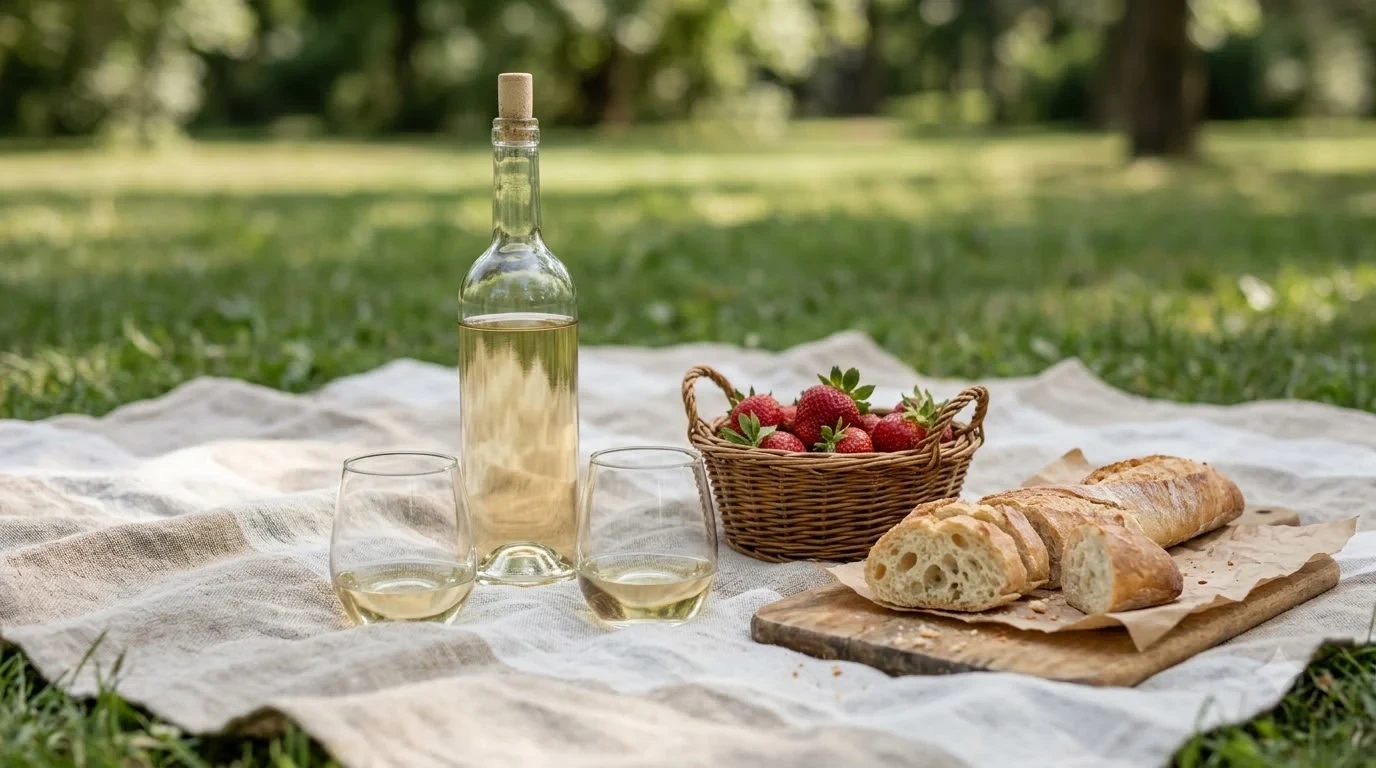
Serve viognier cool rather than ice cold. The recommended range is about 7 to 12 °C (45 to 55 °F). At that temperature the perfume stays lively, and the texture feels smooth rather than heavy. Bottles served too cold lose much of their aroma, while overly warm wine can taste flabby and alcoholic.
A standard white wine glass with a moderate bowl is a good choice. It concentrates the aromas without making the wine feel too sharp. Give the glass a gentle swirl after pouring, since the floral notes open up quickly once the wine meets air.
Tip: If a bottle has been in a warm room, place it in the refrigerator for about 30 minutes before serving. That is usually enough to bring it into the recommended range.
Food Pairings for Viognier
Viognier suits delicate meats and seafood that have some sweetness or herbal character. Scallops served with stewed fruit, citrus or herbs such as tarragon are a classic match. The wine’s perfume and weight complement the sweetness of the fruit without overwhelming the shellfish.
Two dishes often recommended for viognier show the range of pairings. Chicken tagine with apricots and almonds over saffron rice picks up the wine’s stone-fruit and floral notes. Roasted guinea fowl with lemon, fennel, herbs and potatoes matches the wine’s body and gives the lemon and herbs room to shine. Richer dishes with cream or butter also work, since the wine’s texture holds up well.
Oaked or Unoaked: How to Choose
The first decision when buying viognier is whether you want oak. Unoaked bottles are fresh and fragrant, with mango and citrus in front. They suit warm evenings, salads and lighter seafood. Oak-aged bottles are fuller and creamier, with vanilla and toasty spice, and they pair well with roast poultry and richer sauces.
Look at the producer’s tasting note for words like “lifted,” “round” or “toasty,” which signal the style. Check the alcohol on the label as well, since the 13.5 to 15 percent range can help you predict how warm and weighty the wine will feel.
Viognier is also useful for mixed tables. A bottle with floral aromas and a rounder texture can bridge the gap between guests who prefer Sauvignon Blanc and those who enjoy a buttery Chardonnay.
A Simple Way to Taste Viognier
Tasting viognier in a structured way helps you notice what the grape is doing. Start by smelling the wine before you sip. Look for citrus peel, stone fruit and flowers. If the aroma is dominated by flowers, the wine probably comes from a cooler site or was made in a lighter style. If the aroma leans toward ripe mango and apricot, the wine likely comes from a warmer area.
Next, take a small sip and let it coat the palate. Pay attention to weight and texture. Viognier often feels round or oily, and that sensation is one of its main features. Notice whether the finish is short and bright or long and warm, since that will tell you how much alcohol and oak are involved.
Finally, compare two bottles side by side if you can, one unoaked and one oak-aged. The contrast makes the role of oak easy to see. The unoaked bottle will show more fruit and lift, while the oaked one will have more vanilla, caramel and body. Many people find that the difference clarifies their preference quickly.
Frequently Asked Questions
Is viognier sweet?
Usually not. Most viognier is made dry, even though the aroma suggests ripe fruit and honey. Read the producer’s description to confirm the style of a particular bottle.
Is viognier the same as Chardonnay?
No. Viognier is a separate grape with more perfume and a different texture. Oak-aged viognier can resemble a fuller Chardonnay in weight, but its aromas of tangerine, mango and honeysuckle are distinct.
What does viognier taste like?
Expect tangerine, peach, mango and honeysuckle, often with a rose-like floral note. Oak aging can add vanilla, caramel and toast, and the wine usually feels full and round on the palate.
Should viognier be served chilled?
Yes, but not too cold. Around 7 to 12 °C (45 to 55 °F) keeps the aromas expressive and the texture pleasant. Very cold service mutes the perfume.
Viognier is a good next step if you enjoy aromatic whites and want something richer than a basic Sauvignon Blanc. For a broader look at white varieties, see the guide to wine by type, or try albarino tasting notes for another white with a bright, distinctive profile.
More in Wine Types & Grapes
 Zinfandel Sugar Content: Dry Red vs. White Zinfandel GramsUpdated Nov 21, 2026
 Best Zinfandel Substitute Options for Sipping and CookingUpdated Nov 21, 2026
 Zweigelt Food Pairing: Best Dishes, Cheeses, and Serving TipsUpdated Nov 21, 2026
 Zinfandel Tannins Explained: How Structure Shapes Every BottleUpdated Nov 21, 2026
 Zinfandel Sweetness Level: Dry Red vs. Sweet White Zin ExplainedUpdated Nov 21, 2026
 Xinomavro Food Pairing: Best Dishes, Styles, and Serving TipsUpdated Nov 21, 2026