

We may earn a commission when you buy through links on this page, at no extra cost to you. Learn more.
Is cava vegan? Often yes, but not every bottle qualifies. Cava is a Spanish sparkling wine made from plant-based grapes such as Macabeo, Parellada and Xarel-lo. The grapes are not the issue. What matters is how the winery clarifies the wine, because some producers use animal-derived fining agents during production. Check the producer’s technical sheet or website before assuming a bottle is vegan.
If you follow a vegan diet, drink wine for religious or ethical reasons, or simply want to know what goes into your glass, the question is worth asking. Wine labels in the United States rarely list fining agents, so a quick check before you buy saves guesswork. This guide explains where animal-derived ingredients can show up, how to check a specific bottle, and what the basics of cava production mean for the answer.
What Makes Cava Vegan or Not
Whether a wine is vegan depends mostly on the clarification step, not on the grapes. Once grapes are pressed and fermented, many wines contain tiny suspended particles that make them look hazy or cloudy. Winemakers often add a fining agent that binds to those particles so they settle out and can be filtered away. Some fining agents come from animals, and a small amount may remain in the finished wine, which is why vegans often avoid them.
Cava is made by the traditional method, where a second fermentation happens inside the bottle. That process produces a fine sediment that producers remove through riddling and disgorgement. Clarification can happen at more than one stage, so the answer can differ from one winery to the next even within the same region.
Common Fining Agents to Look For
Several substances are used to fine wine, and they do not all come from the same source. The table below shows the most common ones and whether they are generally considered vegan. The list is a general guide to the substances themselves, not a verdict on any specific cava.
| Fining agent | Origin | Usually vegan? |
|---|---|---|
| Bentonite | Clay (mineral) | Yes |
| Egg white (albumin) | Egg | No |
| Casein | Milk protein | No |
| Gelatin | Animal collagen | No |
| Isinglass | Fish bladder | No |
| Activated carbon or silica | Mineral or synthetic | Yes |
A wine that uses bentonite or a mineral-based process alone can be vegan, while a wine that used egg white or isinglass usually cannot be called vegan, even if the final product has been filtered. Many wineries that sell to vegan buyers choose the mineral route on purpose and say so on their websites.
What Cava Is Made From
Cava follows strict rules set by its designation of origin. The wine is produced mainly in Penedès, in Catalonia, where the largest producers are based in Sant Sadurní d’Anoia. The traditional white grapes are Macabeo, Parellada and Xarel-lo, and Chardonnay is also permitted. Red grapes such as Garnacha, Monastrell and Pinot Noir are used for rosé styles. The wine is labeled cava only when it is made by the traditional champagne method, according to the overview of Spanish cava on Wikipedia.
Xarel-lo is one of the three main grapes behind most cava blends. According to Wine Folly’s Xarel-lo guide, its high acidity balances the richness of Macabeo, and the wine is typically bone dry with no perceptible residual sugar. That dryness is one reason cava works well as a simple aperitif. The grapes themselves are plant material, so the vegan question comes down to the winery’s cellar practices.
How to Check a Bottle Before You Buy
Most cava labels do not mention fining agents, so you will need to look a little further. The fastest option is the winery’s website, where many producers publish a technical data sheet covering clarification, filtration and allergens. Some wineries state directly that their wine is suitable for vegans, while others describe the process without using that word.
If the website is silent, you can contact the winery or the importer. A short, specific question works best, such as asking which fining agents were used during clarification. If the answer is unclear, treat the bottle as unverified rather than assuming it is vegan.
Questions to Ask a Winery
A specific question gets a clearer answer than a general one. Winery staff and importers usually know their clarification process even when the label is silent. The questions below cover the points that matter most for a vegan buyer.
- Did you use any animal-derived fining agents, such as egg white, casein, gelatin or isinglass, during clarification?
- Is the wine filtered, and if so, what type of filter is used?
- Is the cava produced without animal products at any stage, including the bottling line?
- Do you publish a technical sheet for this bottling that lists the clarification method?
Keep the answers in writing. If a producer replies that a bottle is suitable for vegans, save the message with the bottle name and vintage. Vintages and bottlings can change, so a yes on one release may not cover the next.
Why Winemakers Use Fining at All
Fining is not a sign that a winery is careless. Wines that are not fined can look hazy, and haze may return in the bottle if the wine is not stable. Fining helps producers deliver a clear, consistent product and remove compounds that could cause cloudiness later. Wineries that use only bentonite or other mineral clarifiers are making a deliberate choice, and they often mention it on their sites because customers ask.
The same logic applies to sparkling wine. Cava needs a clean base wine before the second fermentation in the bottle, and clarification at that stage helps the wine stay bright during the long period it spends on its lees. Producers therefore have clear reasons to fine, and the vegan question depends on which agent they choose for that job.
Cava Styles, Sweetness and Serving
Cava ranges from very dry to sweet. The official sweetness levels run from brut nature, which has the least sugar, through brut, brut reserve, seco, semiseco and dulce. Most cava sold in shops is brut, so the bottle will usually be dry and crisp. Serving it chilled in a white wine glass shows its citrus and green apple notes best. Xarel-lo-based cavas, for example, are often described as lemon, peach and lime blossom in style, according to Wine Folly.
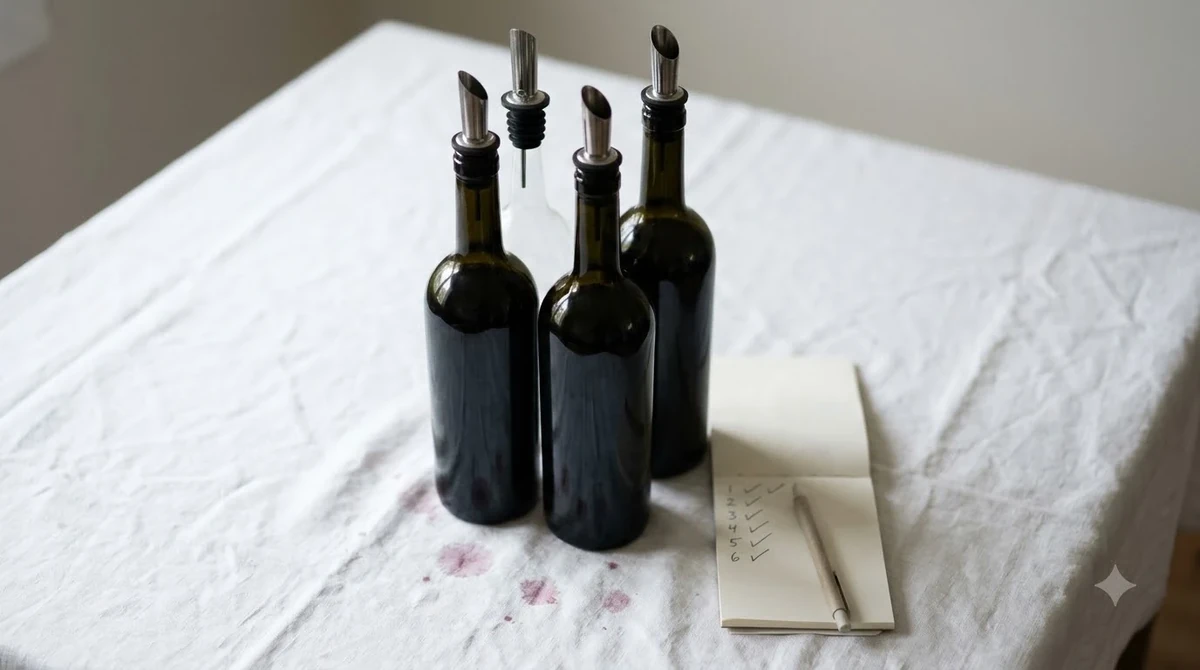
Tip: If you need to avoid animal-derived products, keep a short list of cavas that a producer has confirmed in writing. A saved list is faster than checking every bottle at the shelf.
Cava and Other Sparkling Wines
Cava is not the only sparkling wine with this question. Champagne and Prosecco are also clarified by the same kinds of fining agents, so the same label check applies. Many readers look at the producer rather than the region, because two cavas from the same town can use different clarification methods. For a broader view of sparkling wine styles, see the Wine by Type guide.
For background on the wine itself, the cava history article covers where the style came from and how it was named. If you are still deciding how to say the name, the how to pronounce cava guide covers the most common pronunciations.
Frequently Asked Questions
Is all cava vegan?
No. The grapes are plant-based, but some wineries use animal-derived fining agents such as egg white, casein or isinglass. Vegan status depends on the specific producer and bottle.
How can I tell if a cava is vegan from the label?
Labels rarely list fining agents. Check the winery’s technical sheet or contact the producer directly. A clear statement on the website is the most reliable signal.
Is Prosecco vegan too?
The same rule applies. Prosecco can be vegan or not, depending on how the winery clarifies it. Ask the producer rather than assuming either way.
Does filtering remove the fining agent completely?
Filtering removes most of the fining material, but winemakers do not always describe the trace amounts left behind. Many vegans therefore choose wines that were fined with mineral agents from the start.
In short, cava is often plant-based, but the answer depends on the bottle. Check the winery’s clarification practices, and keep a list of producers you trust. Once you know your options, choosing a vegan cava is simple.
More in Wine Types & Grapes
 Zinfandel Sugar Content: Dry Red vs. White Zinfandel GramsUpdated Nov 21, 2026
 Best Zinfandel Substitute Options for Sipping and CookingUpdated Nov 21, 2026
 Zweigelt Food Pairing: Best Dishes, Cheeses, and Serving TipsUpdated Nov 21, 2026
 Zinfandel Tannins Explained: How Structure Shapes Every BottleUpdated Nov 21, 2026
 Zinfandel Sweetness Level: Dry Red vs. Sweet White Zin ExplainedUpdated Nov 21, 2026
 Xinomavro Food Pairing: Best Dishes, Styles, and Serving TipsUpdated Nov 21, 2026