
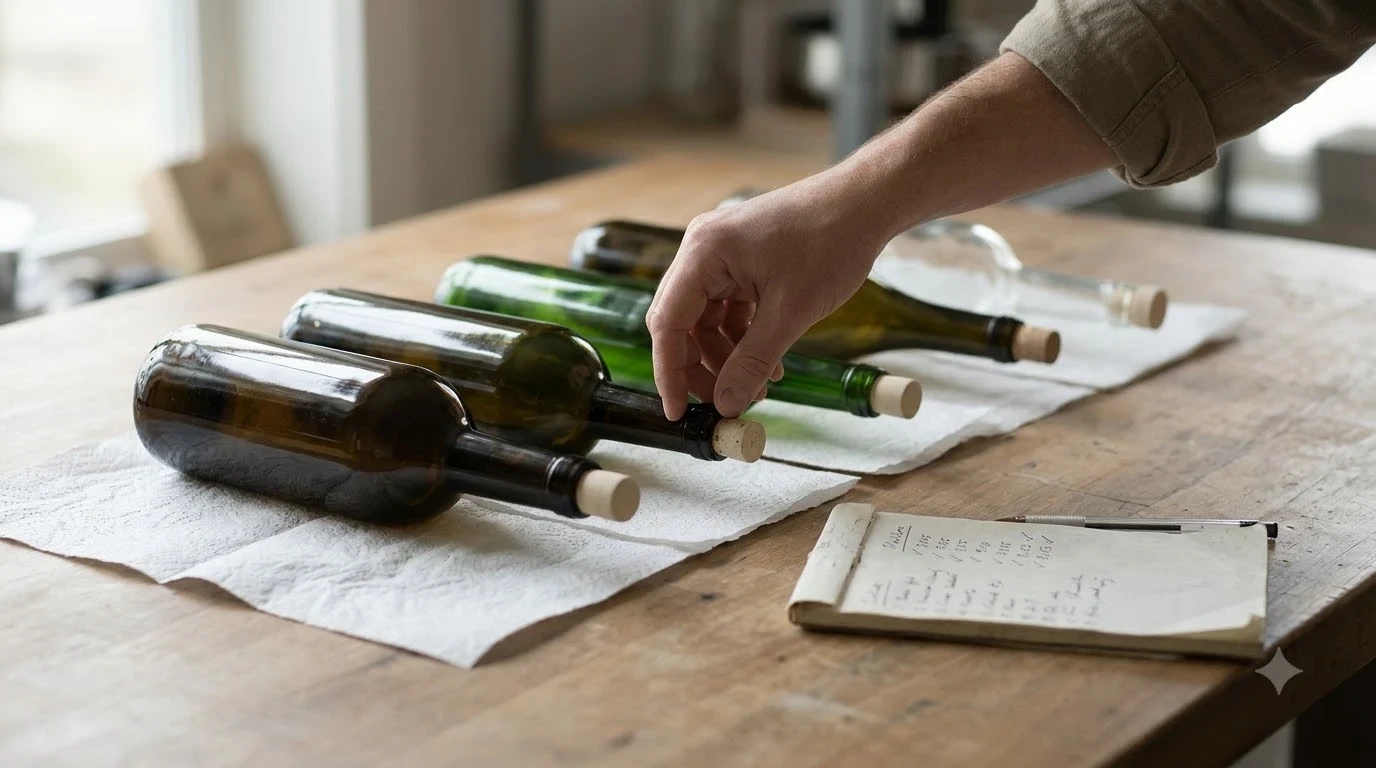

We may earn a commission when you buy through links on this page, at no extra cost to you. Learn more.
The best wine tasting journal reviews favor a format that matches how you taste: a printed tasting sheet for structured notes, a pocket notebook for tastings on the go, and a dated journal for recording food pairings over time. A journal is only useful if you will fill it in, so the right choice depends on how much detail you want and where you will be writing.
This roundup compares wine tasting journals by layout, portability, and how well they capture what you see, smell, and taste. It is written for people who want to remember which bottles they liked and why, without relying on memory after the third glass. The sections below group the options by use rather than by brand name.
A useful starting point is the order of a tasting. VinePair’s guide to looking at wine begins with color, noting that a pale, bright white usually had little skin contact, while deeper color points to oak aging or longer skin contact. A journal with a space for appearance first makes the rest of your notes easier to follow.
Quick Comparison of Journal Formats
Journals come in a few clear formats. Each one trades detail for speed, and some suit a single evening while others suit a long record of many bottles. The table compares them on the features that matter most.
| Format | Best for | Detail level | Main limit |
|---|---|---|---|
| Printed tasting sheet | Structured notes on one bottle | High, with fields for each sense | Single use, easy to lose |
| Pocket notebook | Quick notes at a winery or shop | Medium, flexible layout | Little room for detail |
| Dated journal with meal fields | Pairings and dinner notes | High over many bottles | Takes time each evening |
| Guided prompt journal | Beginners learning the basics | Medium, with questions | Can feel rigid to experienced tasters |
Whatever format you choose, record the wine’s name, vintage, region, and the glass you used. Those details let you compare bottles later, and they matter more than any fancy layout.
Best for Structured Tasting Notes
A printed tasting sheet with fields for appearance, aroma, palate, and finish suits someone who wants a clear method on every bottle. The fixed fields keep the notes consistent, which makes two wines easy to compare side by side.
Why it stands out
The layout pushes you to look before you smell and smell before you taste, which mirrors the order VinePair describes. Each field prompts a specific observation, such as color depth or the balance between fruit and acidity.
Keep in mind
A single sheet works best for one bottle at a time. If you taste several wines at once, use one sheet per bottle so the notes stay clean, and keep the sheets in a folder for later.
Best for Notes at a Winery or Shop
A pocket notebook is the simplest choice when you are tasting in a tasting room, a wine shop, or a friend’s kitchen. It fits in a jacket or bag, and it records quick impressions without interrupting the visit.
Why it stands out
It is small, flexible, and easy to write in standing up. A few lines per wine are enough to recall the style later, especially when you are comparing bottles from the same region.
Keep in mind
Pocket notebooks have little room for detail, so use abbreviations you will recognize later. A simple code for color, sweetness, and body keeps each line short while still giving you enough to compare wines after the trip.
Write the producer and vintage first, then add a short note on the wine’s color, weight, and finish.
Best for Pairing Wine with Dinner
A dated journal with fields for the meal suits anyone who cooks often and wants to know which wines work with which dishes. Recording the food alongside the wine turns each dinner into a useful reference.
Why it stands out
Over a few months, the journal shows which styles pair well with rich meals, which ones suit lighter food, and which combinations fall flat. The record is far more reliable than a remembered impression.
Keep in mind
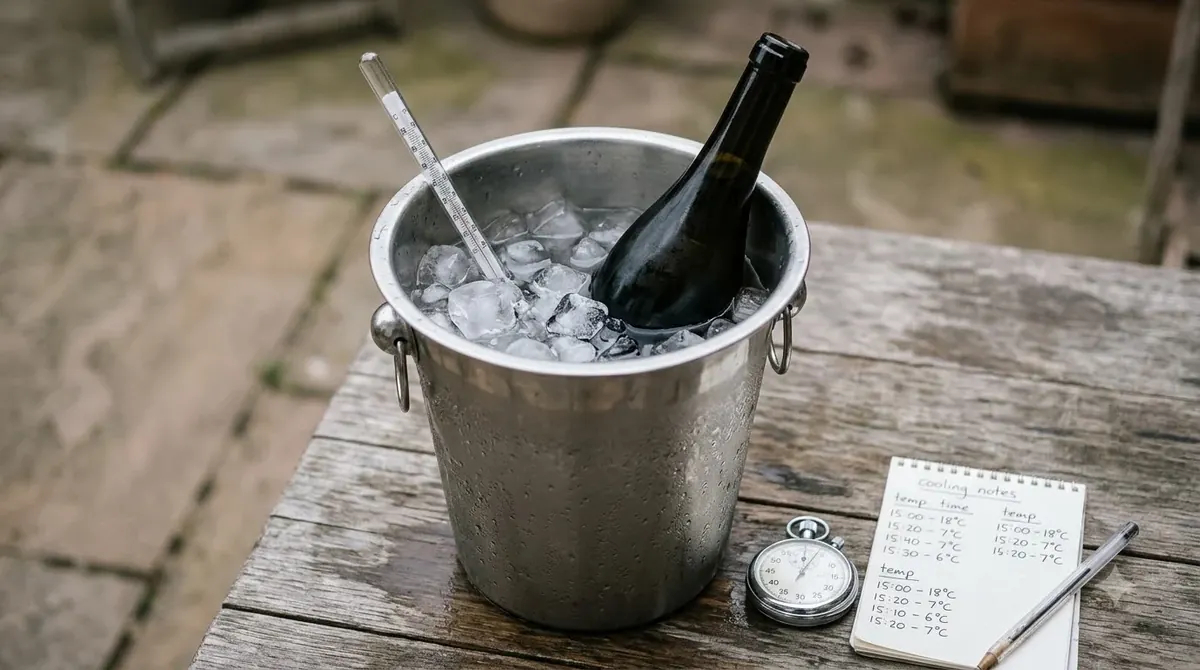
Serving temperature is worth noting too. A wine that was too cold or too warm can taste very different from the same bottle later, so a short entry about the temperature helps explain a result that surprised you.
This format takes time after each dinner, so keep the entries short.
A two-line note is enough when you return to the journal, and a quick score for the pairing helps you spot patterns.
Best for Tracking a Wine Region Trip
A travel-style journal with space for winery visits and maps suits a trip through one wine region. It keeps the producers, the tasting notes, and the travel details together, so the trip stays easy to review afterward.
Why it stands out
Organizing notes by winery and day makes it simpler to compare estates in the same area. The notebook becomes a travel record as well as a tasting log, which is useful when you plan a return visit.
Keep in mind
A trip journal can become crowded if you visit many estates. Limit each winery to a few lines, and note the bottles you bought so you can match them to the notes later.
Best for Beginners Learning the Basics
A guided journal with prompts is a good fit for someone new to tasting. Each page asks a specific question, such as how bright the color looks or whether the fruit leans toward citrus or stone fruit, so the habit of noticing builds over time.
Why it stands out
The prompts remove the blank-page problem and turn tasting into a short exercise. Beginners often find that the same questions become second nature after a dozen bottles.
Keep in mind
Beginners also benefit from comparing two bottles in one session. Writing a short line for each wine, then reading both lines together, shows the difference in weight and fruit far more clearly than a single bottle alone.
Experienced tasters may find the prompts limiting.
If you outgrow them, switch to a blank or lightly lined journal and keep the same order: look, smell, taste, and finish.
How to Choose a Wine Tasting Journal
Pick a journal that matches how much detail you want and where you will write. A format that you find easy to open at the table or on the couch is more valuable than one with the most fields.
A simple checklist makes the decision quicker.
- Decide how often you taste. Frequent tasters benefit from a dated journal, while occasional tasters may prefer a printed sheet.
- Check where you will write. A pocket size suits a tasting room, while a larger page suits notes at home.
- Look for fields or space for appearance, aroma, palate, and finish, so each sense gets a line.
- Choose a layout you will keep using. A journal that is easy to open and close is more likely to be filled in.
Frequently Asked Questions
What should I write down when tasting wine?
Record the wine’s name, producer, vintage, and region first. Then note the color, aroma, taste, and finish. VinePair’s guide suggests starting with appearance, since color hints at skin contact and oak aging.
Do I need a special journal for wine tasting?
No. Any notebook works, but a format with clear fields makes comparisons easier. Choose the layout that matches how often you taste and how much detail you want to keep.
Why does wine color matter in tasting notes?
VinePair notes that color reflects skin contact and oak. Pale, bright whites usually had little skin contact, while deeper yellow suggests oak aging. For reds, lighter colors often mean brighter, less oaked wines, and darker ones tend to be bolder.
How often should I update my tasting journal?
Update it after each tasting or dinner while the impressions are fresh. A few lines per bottle are enough, and a regular habit is more useful than long entries written once in a while.
A tasting journal turns a pleasant evening into a record you can use again, and the best format depends on how you taste. Start with one format for a month, then adjust it once you see which fields you actually use. For more accessories that suit a tasting kit, see the accessories library. If you plan to pair wine with a meal, the guide to glasses per bottle helps you estimate how many pours a dinner needs. Enjoy responsibly.
More in Wine Accessories
 Coravin Vs Vacu Vin: Choose the Right Wine Saver for Your BottlesUpdated Nov 21, 2026
 Zwilling Wine Stopper Review: Preserve Open Bottles LongerUpdated Nov 21, 2026
 Wine Enthusiast Wine Preserver Review: Features, Benefits and LimitationsUpdated Nov 21, 2026
 Wine Enthusiast Wine Stopper: An Easier Way to Reseal Open BottlesUpdated Nov 21, 2026
 Vintorio Wine Opener: Two-Step Cork RemovalUpdated Nov 21, 2026
 Zwilling Wine Aerator Review: Aerate, Pour, and Seal With One ToolUpdated Nov 21, 2026