

We may earn a commission when you buy through links on this page, at no extra cost to you. Learn more.
The best travel wine glass case reviews point to a padded case that fits your glass type: a hard-shell case with dividers protects stemmed glasses, a sleeve-style case suits stemless glasses, and a tube case keeps sparkling flutes upright. Choosing the right case depends on which glasses you carry and how far you plan to take them, because the padding and shape decide whether a glass survives the trip.
This roundup compares travel wine glass cases by protection, fit, and carrying comfort. It is written for people who want to bring a glass to a picnic, a hotel, a rental house, or a friend’s party without relying on whatever is in the cupboard. The sections below group cases by the glass they protect, not by brand name.
Glass shape also matters. VinePair’s wine glass guide notes that you do not need a different glass for every wine, and stemless glasses are described there as easier to handle and less fragile. Those points shape the cases below.
Quick Comparison of Travel Case Types
Travel cases differ mainly in how they hold the glass. A stem needs protection at the base and the bowl, a stemless glass needs padding around a thick base, and a flute needs a narrow tube. The table compares the common types on the criteria that matter most when you pack.
| Case type | Best glass | Protection | Main trade-off |
|---|---|---|---|
| Hard-shell with dividers | Stemmed red and white glasses | Strong, separates each glass | Heavier and bulkier |
| Padded sleeve or pouch | Stemless glasses | Good for everyday knocks | Less protection from a hard drop |
| Tube case | Sparkling flutes | Keeps the bowl upright | Only fits a single glass |
| Soft carry bag with padding | Two or three glasses | Light and flexible | Needs careful packing |
Before you pack, think about how many glasses you need and how long the trip will be. A case that fits two glasses is often enough for a weekend, while a longer trip or a larger group may call for a second case or a bigger hard shell.
Stemless glasses are the easiest to carry, but they still need padding.
A stemmed glass carried loose in a bag is more likely to snap at the stem, which is why a hard divider often matters more than the outer shell.
Best for Carrying Two Stemmed Glasses
A hard-shell case with dividers suits a couple who wants to bring their own glasses to a dinner or a weekend stay. Each glass sits in its own compartment, so the bowls and stems do not knock together on the road.
Why it stands out
The dividers hold each glass upright, and the rigid shell protects the bowl from crushing. It is the most protective option for stemmed glasses, especially when the case is set in a car boot or a crowded bag.
Keep in mind
Hard cases are bulkier and heavier than soft options. Measure the glass height first, since a case sized for a short bowl may not close over a tall stem.
Best for Stemless Glasses on the Go
A padded sleeve or pouch is the simplest choice for stemless glasses. The thick base and short profile make these glasses easy to slip into a bag, and a sleeve adds enough cushioning for everyday travel.
Why it stands out
Stemless glasses are already sturdy compared with stemmed ones, and a sleeve keeps them from clinking against keys or a phone. The case also stays slim, which suits a backpack or a tote.
Keep in mind
A soft pouch offers less protection from a hard drop. Wrap the glass in a cloth or a small towel inside the sleeve when you are carrying it over rough ground.
Best for Sparkling Flutes
A tube case keeps a flute upright and protects the tall, narrow bowl. Wine Folly notes that Champagne flutes have a tall, narrow bowl that limits surface area and helps preserve carbonation, and a case that keeps the bowl steady protects that shape on the way.
Why it stands out
The tube holds the glass tightly, which stops the long stem from bending and keeps the bowl off the sides. A single flute fits neatly into a suitcase or a picnic basket without taking much room.
Keep in mind
A tube case holds only one glass, so it is best for a pair of travelers who each bring one. Check the stem length against the tube before you buy.
Best for Picnics and Outdoor Trips
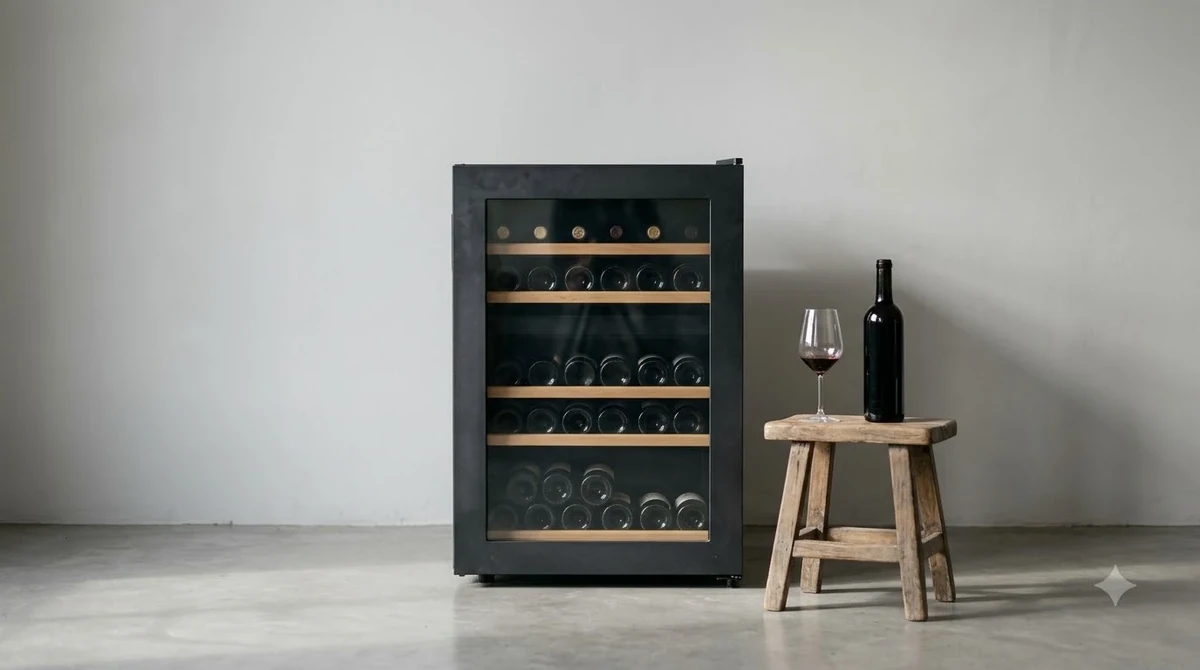
A lightweight soft case with padded sides is built for outdoor trips, where a glass has to travel over grass, a trail, or a cooler. The padding keeps the glass steady, and the carry strap leaves your hands free.
Why it stands out
It is light, easy to pack beside a blanket and food, and quick to open at the spot. Some models include an insulated layer that helps keep a chilled glass cool for a short time.
Keep in mind
Temperature is a practical concern outdoors. A glass left in a hot car or in direct sun can warm quickly, so keep the case in the shade and bring the wine in a cooler until you are ready to pour.
Soft cases do not protect against a hard fall as well as a rigid shell.
Pack glasses at the center of the bag, away from the zipper, and place a folded towel between them.
Best for a Shared Glass Kit
A carry bag with padded inserts suits a group that wants to bring a set of glasses to a shared house or a rented villa. It holds two or three glasses, which makes it practical for a planned gathering.
Why it stands out
One bag covers several guests, and the inserts keep each glass separated. It is a good way to bring the right glasses for a dinner party without carrying a full set in separate boxes.
Keep in mind
A shared kit also works well when guests agree on a glass style in advance. Matching stemless or stemmed glasses makes the set easier to count and return, and it keeps the glasses from getting mixed up at a busy table.
Packing takes care, since the inserts only protect glasses that sit firmly in place.
Wrap each glass in a towel and fill any gaps so the glasses do not shift when the bag is lifted.
How to Choose a Travel Wine Glass Case
A good case protects the glass you own and fits how you travel. Start with the glass type, then check the protection level and the weight.
- Confirm the glass type. Stemmed glasses need a divider, stemless glasses need padding, and flutes need a tube.
- Measure the glass height and width, including the stem, before you choose a case.
- Decide how you will carry it. A backpack favors a slim sleeve, while a car trip can handle a heavier hard case.
- Look at the material. Wine Folly notes that high-quality glass may use lead crystal in some traditional glassware, and modern glass is often lead-free, so check the glass and case together when you pack.
Frequently Asked Questions
Can I bring stemmed wine glasses on a plane?
Rules vary by airline and country, and checked bags can be rough on glass. Carry-on rules and the screening process may also affect how you pack, so confirm the policy before you fly and pack glasses with plenty of padding.
Are stemless glasses better for travel?
Stemless glasses are often easier to handle and less fragile, according to VinePair’s glass guide. They are a practical choice for casual trips, though a stemmed glass is still preferred for formal tasting and toasting.
Do I need a different glass for each type of wine?
No. VinePair’s guide argues that the wine matters more than the glass, and suggests two sets for most homes: flutes for sparkling and all-purpose glasses for red and white.
How do I keep a glass from breaking in a bag?
Wrap each glass in a towel or cloth, place it in a padded case, and keep it away from heavy items. A divider or a tube helps the glass stay upright during a bumpy ride.
A travel case makes it easy to bring the right glass to any occasion, and the best choice depends on the stem, the weight, and the trip. For more accessories that suit a travel kit, see the accessories library. If you are planning a shared bottle, the guide to glasses per bottle helps you estimate how many glasses to pack. Enjoy responsibly.
More in Wine Accessories
 Coravin Vs Vacu Vin: Choose the Right Wine Saver for Your BottlesUpdated Nov 21, 2026
 Zwilling Wine Stopper Review: Preserve Open Bottles LongerUpdated Nov 21, 2026
 Wine Enthusiast Wine Preserver Review: Features, Benefits and LimitationsUpdated Nov 21, 2026
 Wine Enthusiast Wine Stopper: An Easier Way to Reseal Open BottlesUpdated Nov 21, 2026
 Vintorio Wine Opener: Two-Step Cork RemovalUpdated Nov 21, 2026
 Zwilling Wine Aerator Review: Aerate, Pour, and Seal With One ToolUpdated Nov 21, 2026