

We may earn a commission when you buy through links on this page, at no extra cost to you. Learn more.
The best red wine at Total Wine is the one whose grape matches your meal and your taste for tannin, since the grape tells you more about the glass than the brand does. Merlot is the softer, easier choice, Cabernet Sauvignon is the firmer and more structured one, and the style of each bottle depends on the climate where its grapes grew.
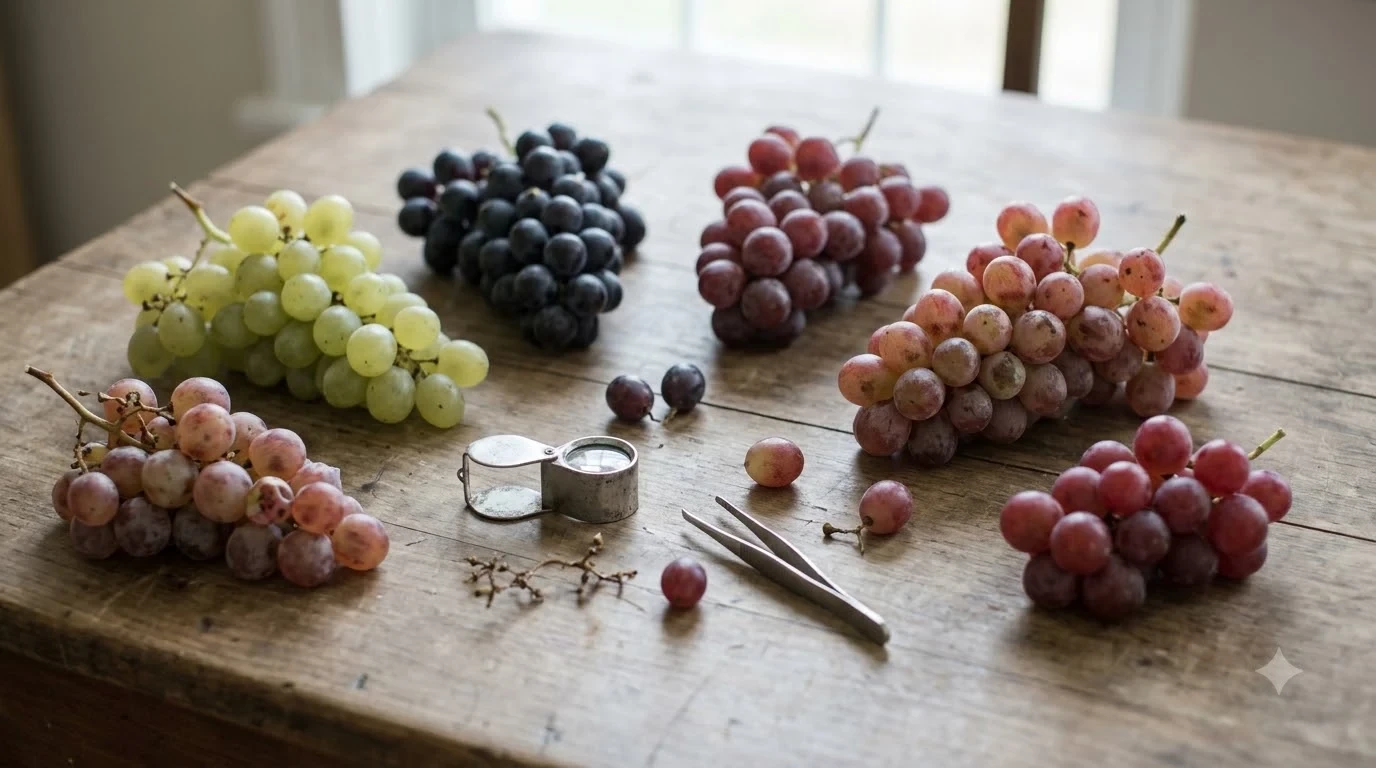
Red wine gets its color and much of its structure from the grape skins, which are left in contact with the juice during fermentation. That is why red wines vary so much in tannin, body and aging potential. Total Wine carries a large range of reds, so the practical question at the shelf is which grape and style to look for. This guide sorts the choices by grape, body and the meals they suit, so you can use the label to narrow your options before you buy.
Quick Comparison
The table below compares the main red grapes by how they taste and where they fit at the table. Use it to decide which style to look for before comparing specific bottles.
| Style | What to expect | Good fit for |
|---|---|---|
| Merlot | Medium-full body, medium-high tannin that feels softer than Cabernet, with plum and cherry notes | Weeknight dinners and a wide range of foods |
| Cabernet Sauvignon | Full body and medium-high tannin, with black cherry, black currant and cedar | Grilled meats and rich, bold dishes |
| Bordeaux-style blends | Often Merlot-led, with structure and oak influence | Roast turkey, beef and hearty dinners |
| Beaujolais-style light reds | Light and fresh, with a short time in the cellar before release | Lighter meals and casual drinking |
Best for Soft, Easy-Drinking Reds: Merlot
Merlot is the red many people reach for when they want something approachable. Wine Folly describes it as softer and less astringent than Cabernet Sauvignon, with cherry, chocolate, plum and vanilla as the usual flavors. Its body is medium-full and its tannins are medium-high, so it reads as smooth without feeling thin.
Merlot is also a flexible partner at the table. Wine Folly suggests an entry-level Merlot for an easy weeknight, with pizza, barbecue chicken or pasta alla Boscaiola. Serve it slightly below room temperature, at 60 to 68°F (15 to 20°C), and decant it for about 30 minutes if the bottle is young.
Because Merlot is widely planted, bottles can differ a lot in style. Wine Folly notes that cooler climates tend to give fresh red plum and cherry, while warmer ones give baked blackberry and fruitcake notes. Compare two Merlots from different regions if you want to see how much the place shapes the glass, and keep a note of which one you preferred for next time.
Oak aging adds another layer. Wine Folly says oak can contribute vanilla and spice, and that longer aging can bring earthy, meaty and chocolate-like notes. A Merlot that lists oak aging on the label may taste richer and rounder than an unoaked bottle from the same grape.
Best for Grilled Meat: Cabernet Sauvignon
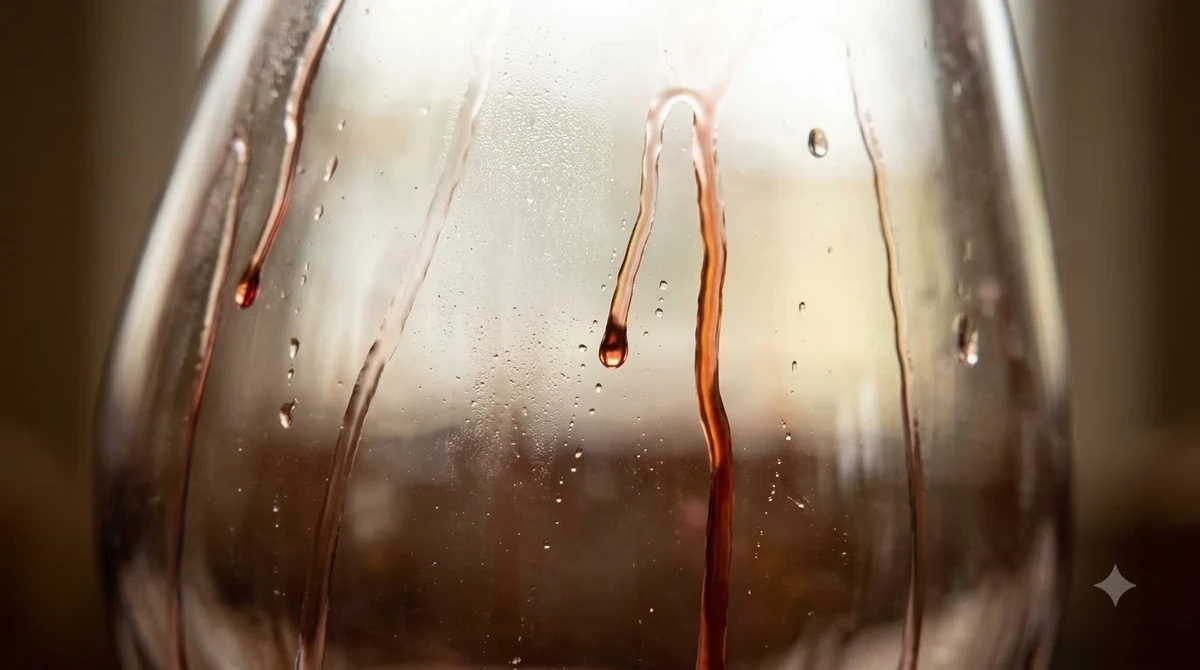
Cabernet Sauvignon has more structure than Merlot. Wine Folly’s Cabernet Sauvignon guide lists black cherry, black currant, cedar, baking spices and graphite as typical flavors, with a full body and medium-high tannins. The same guide describes the grape’s rich flavor and high tannin as a partner for grilled meats.
Choose Cabernet when the meal has weight. It pairs well with peppery sauces and boldly flavored dishes, and its tannin stands up to fat and char. Decant it for about an hour if the bottle is young, since the extra time softens the grip of the tannin.
Full-bodied Cabernets pair especially well with a rich, slow-cooked dish. Wine Folly’s Merlot guide describes full, lush warm-climate reds, such as Napa Valley styles, as a match for rack of lamb, roast veal or filet mignon with peppercorn sauce, and the same logic applies to a big Cabernet. These dishes give the tannin and the fruit something to balance against, so the wine tastes rounder and less sharp with the food.
Best for Aging: Structured, Long-Lived Reds
Some reds are made to develop over years rather than months. Wine Folly describes Cabernet Sauvignon as ageworthy, with a cellaring window of 10 years or more. Wikipedia notes that top Bordeaux reds may be aged for 18 months or more, and that aging varies widely by style.
Ask staff whether a bottle is meant to be opened now or kept. A young Cabernet can taste tight and grippy, while an older bottle shows softer fruit and more developed notes. If you do not plan to age a bottle, choose one that is labeled for drinking now.
Storage matters as much as the grape when a bottle is meant to age. Keep it on its side in a cool, dark place with steady temperatures, and avoid a warm kitchen or a sunny shelf. A bottle that was stored badly can lose its fruit faster than one kept well, so the same wine can taste very different depending on the conditions it has lived in.
Best for Lighter Meals: Fresh, Light Reds
Not every red needs to be big. Wikipedia notes that Beaujolais Nouveau is aged only a few days, which is why it is so fresh and fruity. Lighter reds of this kind suit lunch, a summer patio or a dinner that features fish or poultry rather than a heavy steak.
Chill a light red slightly before serving if the room is warm. A brief time in the refrigerator brings the fruit forward and keeps the wine from tasting heavy, and it is a simple step that makes a casual red more enjoyable.
Best for Dinner Nights: Bordeaux-Style Blends
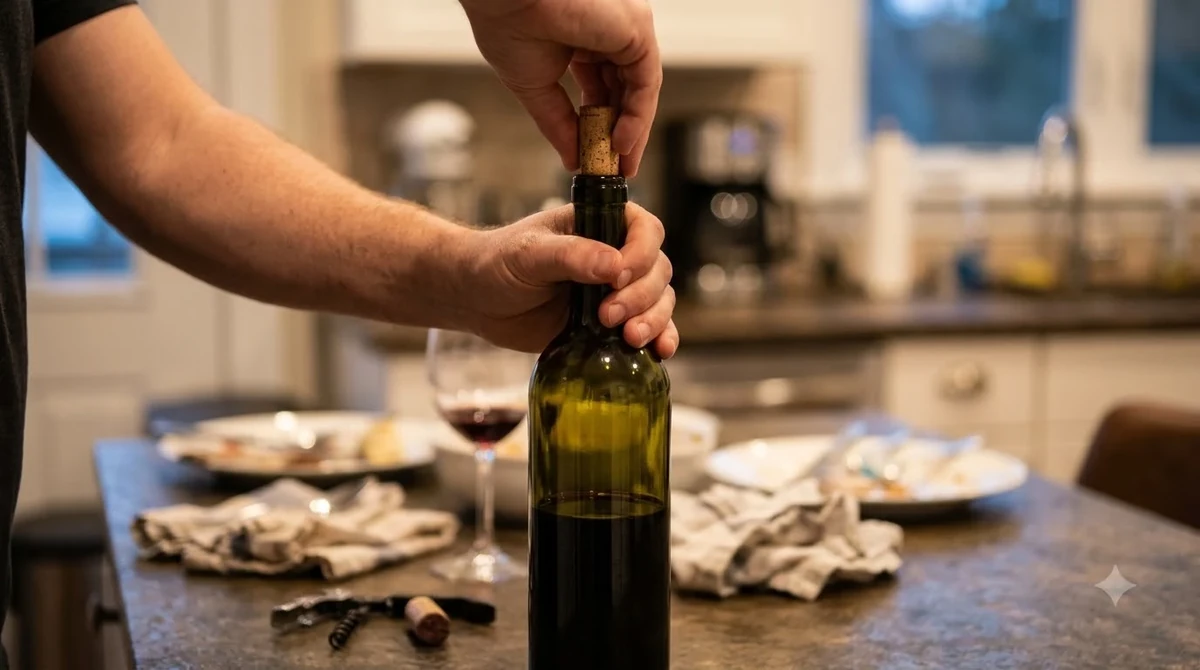
Bordeaux-style blends are built mostly on Merlot or Cabernet Sauvignon, and they often show structure and oak influence. Wine Folly suggests Merlot-dominant Bordeaux-style blends with roast turkey, beef short rib or a rustic ratatouille, which makes them a practical choice for a family dinner or a holiday table.
When you read a label, look for the blend description rather than only the grape name. A blend’s proportions shape the wine’s texture and tannin, so the description helps you predict how it will taste with the food on your table.
Bordeaux-style blends are also useful for a crowd. Their structure and tannin hold up to a wide range of dishes, from roasts to braised meats, and the blend gives the wine more complexity than a single-grape bottle at a similar style. If you are unsure which bottle to bring, a Bordeaux-style red is a safe middle ground between a soft Merlot and a firmer Cabernet.
How to Choose a Red at Total Wine
Start with the meal. Merlot suits a broad range of everyday dishes, Cabernet suits grilled meats and rich sauces, and a Bordeaux-style blend suits a roast or a hearty stew. Then consider how much tannin you want. Merlot is the softer choice, while Cabernet and many Bordeaux blends have a firmer grip.
Think about the bottle’s age and how you will serve it. A young, structured red benefits from decanting, while a light, fresh red can go straight from the fridge to the table. Readers comparing the shelf with other stores can use the same grape and tannin notes, and can look at the red wine at Costco guide to see how the choices differ across retailers. For a related pick, the pinot noir at Total Wine guide covers a lighter, more delicate red.
Tip: Look for the vintage and the region on the label. Climate changes how the same grape tastes: cooler regions tend to give fresher fruit, while warmer ones give riper, more concentrated flavors.
Frequently Asked Questions
What serving temperature is best for red wine?
Wine Folly recommends 60 to 68°F (15 to 20°C) for Merlot and Cabernet Sauvignon, which is slightly below room temperature. Light reds can be served a little cooler.
Is Merlot less tannic than Cabernet Sauvignon?
Merlot has medium-high tannin, and Wine Folly describes it as softer and less astringent than Cabernet Sauvignon. Cabernet is usually the firmer, more structured of the two.
Should I decant red wine?
Young, structured reds usually benefit from decanting. Wine Folly suggests about 30 minutes for Merlot and about an hour for Cabernet Sauvignon, which softens the tannin and opens the aromas.
What makes red wine red?
Red color comes from pigments in the grape skins. Wikipedia explains that winemakers extract color, tannin and flavor by keeping the juice in contact with the skins during fermentation, which is why red wines carry more structure than most whites.
The best red at the shelf depends on the meal you are planning and the tannin you like. Pick a grape first, then check the label for region and vintage. For general tips on choosing bottles, see the wine buying guide.
More in Wine Buying Guides
 Riesling Gift: Choose a Bottle They’ll LoveUpdated Nov 21, 2026
 Sweet Red Wine Gift: Choose a Bottle They’ll LoveUpdated Nov 21, 2026
 Malbec Gift: How to Choose a Memorable Bottle for Any OccasionUpdated Nov 21, 2026
 Sherry Gift Ideas That Match Every Wine LoverUpdated Nov 21, 2026
 Moscato Gift: How to Choose a Sweet Wine They’ll LoveUpdated Nov 21, 2026
 Merlot Gift: How to Choose a Bottle They’ll AppreciateUpdated Nov 21, 2026