

We may earn a commission when you buy through links on this page, at no extra cost to you. Learn more.
What is grenache? Grenache is a red wine grape that is widely grown in Spain and southern France, where it is known as garnacha and grenache noir. It is valued for soft, fruit-forward wines with warm spice notes and a generous body. Many bottles labeled as grenache are either varietal wines or blends that use it as a key component.
This primer explains what grenache is, where it comes from, how the wine tends to taste, and why it matters in regions like the Rhône and Spain. It is written for US drinkers who are new to wine types and want a clear starting point before choosing a bottle.
What Is Grenache?
Grenache is a dark-skinned grape variety used to make red wine. Winemakers grow it in many warm, sunny vineyards, and it is one of the more widely planted red grapes in the world. Because it ripens well in heat, it is a common choice in dry, sun-drenched growing areas.
The name you see on a label depends on where the wine was made. In Spain, the grape is usually called garnacha. In France and in much of the American market, the same red variety is called grenache, often with the word noir added to distinguish it from its white and gray relatives. The grape itself is the same; only the naming tradition changes.
For a new drinker, the simplest way to think about grenache is as a fruity, approachable red. It is rarely as structured as a big Cabernet Sauvignon, but it can be rich and warm, especially when grown in hot climates. That balance is one reason it appears so often in both single-variety bottles and blends.
Where Grenache Comes From
Grenache is generally traced to Spain, and the variety is well established in the country under the name garnacha tinta. According to the Foundation Plant Services grenache noir record, the variety probably originated in Spain and is also well known in southern France as grenache noir. That history helps explain why Spanish and French wines are the reference points most people encounter.
From Spain and southern France, grenache spread to many other wine regions with warm, dry summers. It is grown in California, including vineyards around Paso Robles, and it has a presence in Australia and Italy as well. In Italy, the grape is known by names such as cannonau in Sardinia, which shows how far the variety has traveled over time.
Vine growers value grenache partly because it handles heat and sunshine well. That makes it a practical choice in regions where other red grapes can struggle to ripen evenly. Growers still need to manage yields and canopy carefully, since the way a vine is farmed has a clear effect on the final wine.
Flavor Profile and Style
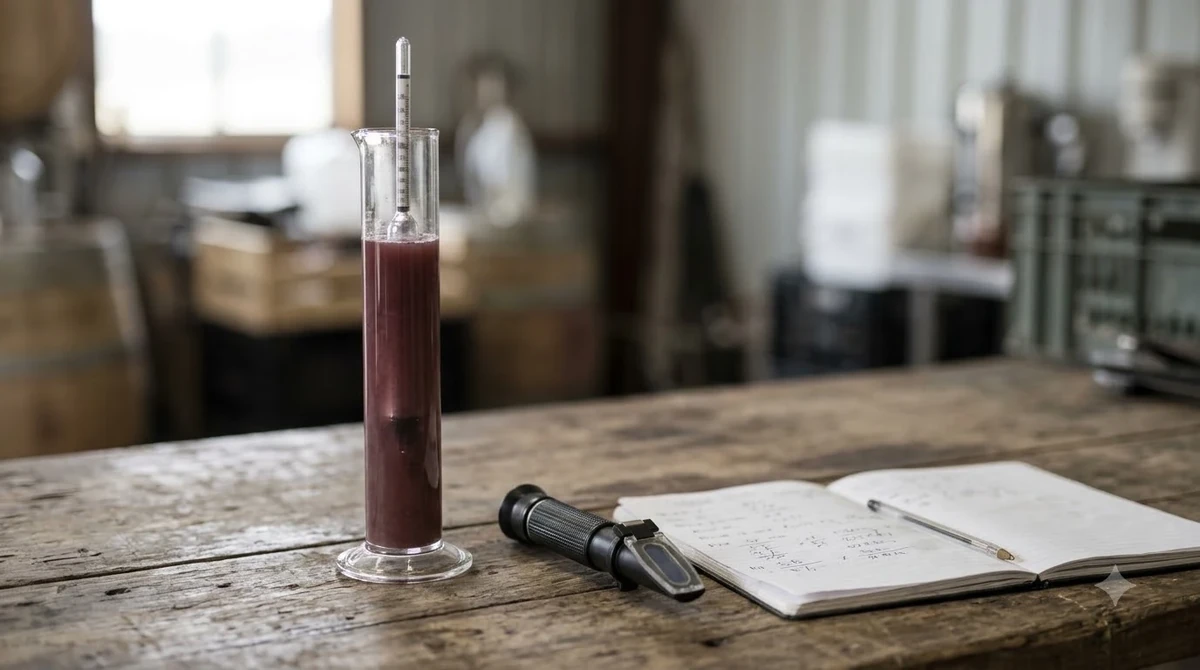
Grenache is known for ripe red fruit, a soft texture, and a hint of spice. The exact character depends on the climate, the vineyard site and the winemaking choices. Warmer sites usually produce riper, jammier fruit, while cooler sites tend to show brighter, fresher notes.
Most grenache wines are medium-bodied and generous rather than heavy. Tannins are usually softer than those in many Cabernet Sauvignon wines, which makes grenache feel approachable even when it is young. Acidity varies by region, and a well-made bottle usually keeps enough freshness to stay lively on the palate.
| Trait | What you can typically expect |
|---|---|
| Color | Medium ruby to garnet, often lighter than Cabernet Sauvignon |
| Fruit | Strawberry, raspberry, cherry, and ripe plum in warmer sites |
| Spice and herbs | White pepper, dried herbs, and a warm spice note |
| Body | Medium-bodied, with a round, generous mouthfeel |
| Tannin | Usually soft to moderate, depending on winemaking |
| Oak | Often lightly oaked or unoaked, though some producers use more |
Because of this profile, grenache is often described as an easygoing red. It can be enjoyed young and fresh or aged for a few years, depending on the producer. If you prefer wines that feel smooth and fruity rather than firm and dry, grenache is a sensible style to explore first.
Tip: Check the back label or the producer’s website for tasting notes and the alcohol level. Those details tell you more about a specific bottle than any general grape guide can.
Grenache vs. Garnacha: Same Grape, Different Names
Many shoppers are confused when they see garnacha on one label and grenache on another. The short answer is that the two names usually refer to the same red grape, with the name shaped by language and region. Spanish producers commonly use garnacha, while French and American producers more often use grenache.
The name on the label does not change what is in the glass. A Spanish garnacha and a French grenache from the same variety should share the core traits of ripe red fruit and softer structure, although the climate and winemaking will still shift the style. When you compare bottles, look at the region and producer more closely than the spelling.
Do not confuse grenache noir with grenache blanc. The red and white forms are related, but they produce very different wines. The Foundation Plant Services record for grenache blanc notes that it is the white mutation of the red variety and has identical foliage. You can read more about the white style in our guide to grenache blanc wine.
Popular Regions and Blends
Grenache is grown in many places, but the Rhône Valley in France and parts of Spain are the two regions most often cited when people discuss the grape. In the Rhône, grenache is a central variety in many red blends. In Spain, it is grown across a range of warm, dry areas and is often a leading red variety in its own right.
In the southern Rhône, grenache is often blended with syrah and mourvèdre. This Rhône-style blend is common in both France and the American market, and many US producers make similar wines in California. The grenache provides fruit and body, syrah adds color and structure, and mourvèdre contributes depth and savory character.
Spain’s garnacha wines range from fresh, everyday reds to more concentrated bottles from old vines. Because growing conditions vary so much, it helps to read the producer’s description or the region on the label. A bottle from a hot, dry area will usually taste riper than one from a cooler site.
Grenache also shows up in blends outside the Rhône. Its softness and fruit make it a useful partner for other varieties, and many producers use it to round out a wine. The Cabernet Sauvignon entry on Wikipedia notes that a 1961 cross of Cabernet Sauvignon and Grenache produced the French wine grape Marselan, which shows how often grenache is used in breeding and winemaking.
Food Pairings and How to Buy and Store Grenache
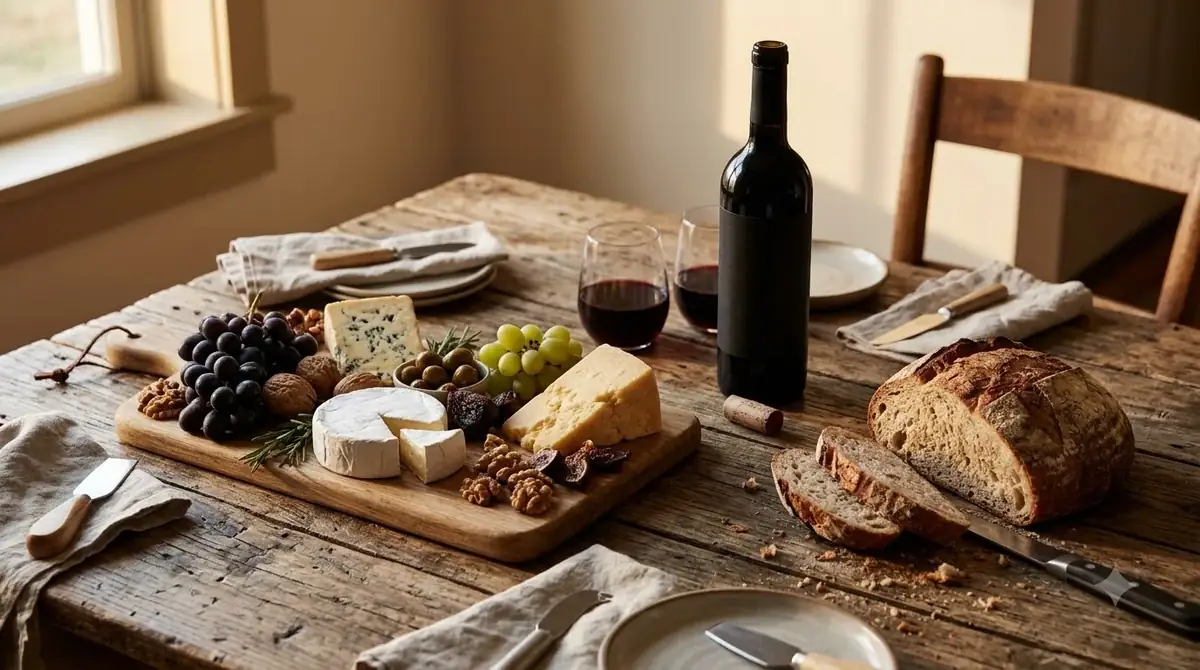
Grenache’s fruit and moderate tannins make it a flexible food wine. It pairs well with grilled and roasted meats, tomato-based dishes, and herb-forward recipes. Lighter grenache can also suit roasted chicken or a charcuterie board with mild cheeses.
Some pairings work especially well. Try grenache with grilled lamb, roasted pork, sausages with peppers, or a Mediterranean dish built on olive oil, garlic and herbs. A chilled, lighter red can also complement a picnic spread with cured meats and fresh bread.
- Choose a bottle that matches the dish’s weight: lighter grenache for poultry, fuller styles for grilled red meat.
- Serve reds slightly cooler than room temperature so the fruit stays fresh rather than heavy.
- Open the bottle 15 to 30 minutes ahead for a younger wine, so the aromas can open up.
- Store unopened bottles on their side in a cool, dark place away from heat and direct sunlight.
- Recork leftover wine tightly and keep it in the refrigerator, then bring it back to a comfortable serving temperature before pouring.
When you buy, look for the region, the producer and the vintage. Retailers and producers usually publish the grape composition on the label or website, which tells you whether the bottle is pure grenache or a blend. Responsible drinking matters, so pour moderate portions and enjoy the wine with food.
Frequently Asked Questions
Is grenache a red or white wine?
Grenache is most often made as a red wine, and the red form is called grenache noir in France and garnacha tinta in Spain. There is also a white form, grenache blanc, which is a separate style. Always check the label to see which one you are buying.
Is grenache the same as garnacha?
Yes, in most cases the names refer to the same red grape. Spanish producers commonly use garnacha, while French and American producers often use grenache. The name on the label reflects the producer’s language and region rather than a different variety.
Is grenache a good wine for beginners?
Grenache is often a good choice for newer drinkers because its fruit is forward and its tannins are usually softer than in many other reds. It is easy to pair with food. Starting with a grenache-based blend from a trusted producer can help you learn your preferences.
How should I store an open bottle of grenache?
Recork the bottle tightly and refrigerate it, then bring it back toward cellar temperature before serving. Fresh fruit and lively aromas tend to fade over a few days. For specific storage guidance, check the producer’s label or website.
Grenache is a fruity, versatile red grape that appears both as a single-variety wine and as a blending partner. To see how it compares with other grapes, browse the Wine by Type section, and read our notes on chianti grape for another red style to compare.
More in Wine Types & Grapes
 Zinfandel Sugar Content: Dry Red vs. White Zinfandel GramsUpdated Nov 21, 2026
 Best Zinfandel Substitute Options for Sipping and CookingUpdated Nov 21, 2026
 Zweigelt Food Pairing: Best Dishes, Cheeses, and Serving TipsUpdated Nov 21, 2026
 Zinfandel Tannins Explained: How Structure Shapes Every BottleUpdated Nov 21, 2026
 Zinfandel Sweetness Level: Dry Red vs. Sweet White Zin ExplainedUpdated Nov 21, 2026
 Xinomavro Food Pairing: Best Dishes, Styles, and Serving TipsUpdated Nov 21, 2026