

We may earn a commission when you buy through links on this page, at no extra cost to you. Learn more.
Chardonnay sangria is a white wine punch made with a dry or lightly oaked chardonnay, chopped fruit and a modest amount of sweetener, and it works best when the wine’s acidity keeps the fruit bright. Traditional sangria is built on red wine, but white wine versions are a more recent development, and the same principles of balance apply. Chardonnay is a fairly neutral grape, so the choice of style matters more than the variety name alone.
Sangria is one of the most adaptable wine drinks, and white versions have grown in popularity alongside lighter, fruit-forward flavours. Chardonnay is a common choice for a white sangria because it is widely available and offers body that can carry fruit. This guide explains how to build a balanced chardonnay sangria, which fruit and sweeteners work, and where the drink can go wrong.
What sangria is and where white versions fit
Sangria is a fruit punch made from wine and chopped fruit, often with other ingredients or spirits. The Wikipedia entry on sangria describes it as originating in Spain and Portugal, and it notes that red wine is the traditional base. Spanish Rioja red wine is the classic choice in most recipes described there.
White wine sangria, or sangria blanca, is described in the same entry as a more recent innovation. The entry records that food writer Penelope Casas recommends dry white wines such as Rueda, Jumilla or Valdepeñas for a white version. The entry does not mention chardonnay specifically, so the advice here applies the same principles of dry, balanced white wine to a chardonnay base.
Why chardonnay can work in sangria
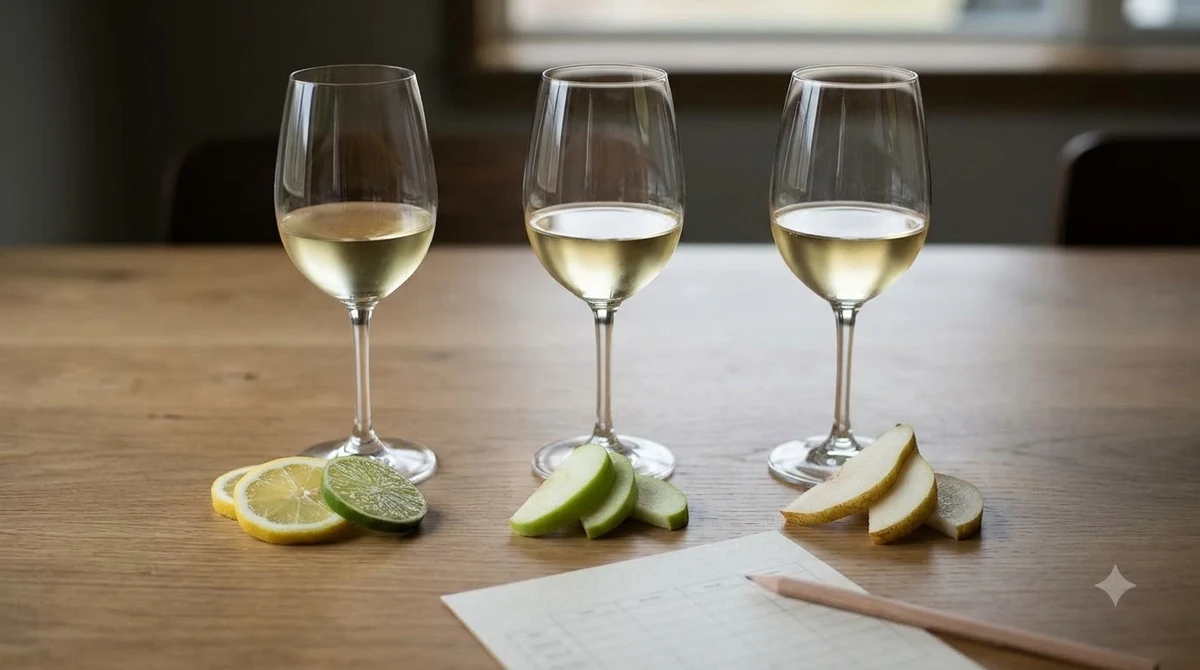
A chardonnay sangria depends on the wine’s structure. Chardonnay is usually a dry white wine, and its body and acidity can hold up to fruit, a little sugar and a spirit without falling apart. A lean, unoaked chardonnay gives a clean base with light fruit notes, while a more textured bottle adds weight that suits a longer-soaking punch.
The grape’s neutral character is an advantage here. Because chardonnay does not push a strong flavour of its own, the fruit in the jug can lead. That is the reason many people choose it over more aromatic whites when they want the drink to taste of peach, apple or citrus rather than of the wine itself.
How oak changes the result
Oak is the main variable in the bottle. According to the Wikipedia entry on chardonnay, oak can add caramel, vanilla and smoke notes, and some drinkers see those flavours as part of the grape’s character. In a sangria, heavy oak can taste out of place next to bright fruit, and it can make the drink feel heavier than the summer punch most people want.
A lightly oaked or unoaked bottle is the safer choice for a sangria that will sit for a few hours. Those styles tend to keep their fresh acidity, which lifts the fruit and stops the drink from tasting flat as the ice melts.
| Chardonnay style | What it brings to sangria | Fruit that suits it | What to watch |
|---|---|---|---|
| Crisp and unoaked | Clean acidity, light body, apple and citrus notes | Green apple, pear, citrus, berries | Can taste thin if too much soda is added |
| Lightly oaked | Balanced fruit with some texture | Peach, nectarine, apple | Sugar can overpower the wine |
| Rich and oaked | Caramel, vanilla and smoke, fuller body | Stone fruit, dried fruit | Oak can clash with citrus and herbs |
Tip: chill the wine and the fruit before mixing. Cold ingredients keep the sangria crisp and slow the dilution from ice, which matters more in a white base than in a red one.
Choosing fruit and sweetener
Fruit gives sangria its character, and the best choices are ones that hold their shape and release juice without turning mushy. Green apple, pear, peach, nectarine, berries and citrus are common in white versions. Soft fruit should be added closer to serving, while firmer fruit can soak longer. Sliced citrus adds aroma, though too much pith can make the drink bitter.
Sweetener is best kept modest. The Wikipedia entry notes that sugar and orange juice are often used in sangria recipes. In a chardonnay sangria, a small amount of sugar or a splash of fruit juice is usually enough, because the fruit already adds sweetness. Tasting the wine and fruit before adding any sweetener helps you judge how much is needed.
Adding spirits and bubbles
The Wikipedia entry notes that some sangria versions add brandy, sparkling water or a flavoured liqueur. Brandy can give a white sangria more body, though it should be added in small amounts so it does not mask the wine. Sparkling water adds lightness and makes the drink more refreshing for a hot day. Sangria de cava, a version made with sparkling wine, is also noted in the same entry, and it shows how the base can change while the fruit stays central.
When adding bubbles, do so at the last moment. Sparkling water or sparkling wine added too early will lose its fizz before the drink is served. A light hand with spirits works better than a heavy pour, since a strong spirit can take over the delicate notes of chardonnay.
A simple method for a chardonnay sangria
Start by choosing a dry, unoaked or lightly oaked chardonnay. Chill the bottle and slice the fruit into bite-sized pieces. Combine the fruit with a small amount of sweetener in a jug and let it sit for a short time so the juice starts to mix with the wine. Add the chilled wine, stir gently, and refrigerate until serving time.
Just before serving, add ice, any sparkling water and the softer fruit. Tasting at this stage shows whether the drink needs a touch more sweetener or a splash more wine. Keeping the method simple helps the wine and fruit stay in balance, which is the main goal of any sangria.
Common mistakes with white sangria
The first mistake is oversweetening. White sangria can taste sharp on its own, so sugar is sometimes added heavily, which hides the wine’s acidity and makes the drink cloying. The second is leaving soft fruit to soak too long. Peaches and berries can break down and cloud the jug, leaving a muddy texture. The third is using a heavily oaked chardonnay, whose vanilla and smoke can clash with citrus.
Timing matters as well. A chardonnay sangria is best served within a few hours of making it. The wine keeps its character better when the drink is not left at room temperature, and the fruit stays firm when it is served cold.
Frequently Asked Questions
Is chardonnay a good wine for sangria?
It can be, especially a dry, unoaked or lightly oaked style. Its acidity and body can hold up to fruit and a little sugar. The Wikipedia entry on sangria recommends dry white wines for white versions, and a dry chardonnay fits that guidance.
What fruit works best in a chardonnay sangria?
Green apple, pear, peach, nectarine, berries and citrus are common choices. Softer fruit should go in closer to serving so it does not break down. Matching the fruit to the wine’s style helps the drink taste balanced.
Should I add sparkling water to chardonnay sangria?
It is an option for a lighter drink. Add it just before serving so the bubbles stay lively. The Wikipedia entry notes that sparkling water is one of the additions some sangria versions use.
How long can chardonnay sangria sit?
A few hours in the refrigerator is a sensible window. Soft fruit can break down if it soaks too long, and the wine’s freshness fades over time. Taste the drink before serving and adjust if it has turned too sweet or flat.
A good chardonnay sangria balances a dry, well-chosen white wine with fruit, modest sweetness and a light hand with extras. Lightly oaked and unoaked styles give the cleanest result, and the fruit should lead the flavour. For related drinks, read cabernet sauvignon sangria or garnacha sangria, or browse the wine by type guide.
More in Wine Types & Grapes
 Zinfandel Sugar Content: Dry Red vs. White Zinfandel GramsUpdated Nov 21, 2026
 Best Zinfandel Substitute Options for Sipping and CookingUpdated Nov 21, 2026
 Zweigelt Food Pairing: Best Dishes, Cheeses, and Serving TipsUpdated Nov 21, 2026
 Zinfandel Tannins Explained: How Structure Shapes Every BottleUpdated Nov 21, 2026
 Zinfandel Sweetness Level: Dry Red vs. Sweet White Zin ExplainedUpdated Nov 21, 2026
 Xinomavro Food Pairing: Best Dishes, Styles, and Serving TipsUpdated Nov 21, 2026