

We may earn a commission when you buy through links on this page, at no extra cost to you. Learn more.
Cava history begins in Catalonia’s Penedès region, where the wine was first made in the 1870s after a Spanish winemaker copied the method used in Champagne. Josep Raventós is credited with creating the first Spanish sparkler in 1872, and the wine was given the name cava decades later, when Spanish producers adopted the term in 1970 to set their product apart from French champagne.
Cava is one of the most common sparkling wines on Spanish shelves, yet its story is less familiar to many buyers than the history of champagne. The name, the region and the production method all developed over a long period, and each step explains why cava tastes the way it does today. This guide walks through that history, from the first bottles in Penedès to the modern label rules.
The early sparkling wine of Penedès
Penedès is a wine region in Catalonia, in north-eastern Spain, and it is the home of cava. According to the Wikipedia entry on cava, Catalan sparkling wine was first made as early as 1851, although the article does not link that date specifically to Penedès. The region’s wine tradition was well established before sparkling production arrived, which is one reason the area became central to the style.
The modern story starts with a family of wine producers. The same Wikipedia entry describes Josep Raventós, who had been promoting the still wines of Codorníu in Europe. Inspired by champagne, he set out to make a Spanish wine with the same method. He created his first sparkler in 1872, a turning point that gave the region its path toward sparkling wine.
Phylloxera and the push toward sparkling wine
The timing of Raventós’s work is tied to a wider crisis in European vineyards. The phylloxera louse devastated many vineyards in the late nineteenth century, and the Wikipedia entry notes that the outbreak hit Penedès hard. Producers who had relied on still wine needed new products and new markets, and sparkling wine offered a way to add value to the grapes that remained.
That shift matters for understanding cava’s identity. The wine was not a copy of champagne in the sense of a single product. Instead, it was built on local grapes and the same bottle-fermentation approach, adapted to the vineyards and climate of Penedès. Over time, that combination became its defining feature.
The traditional method and what it means
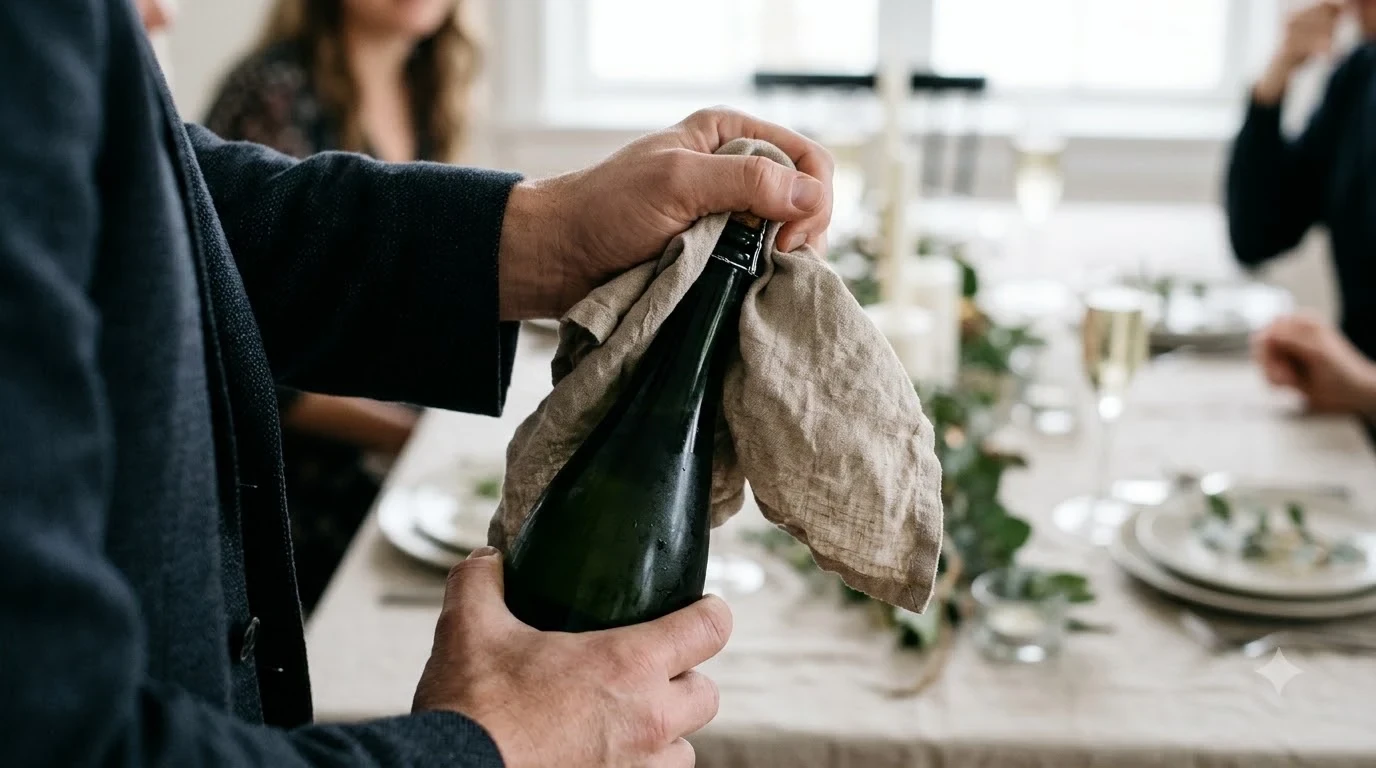
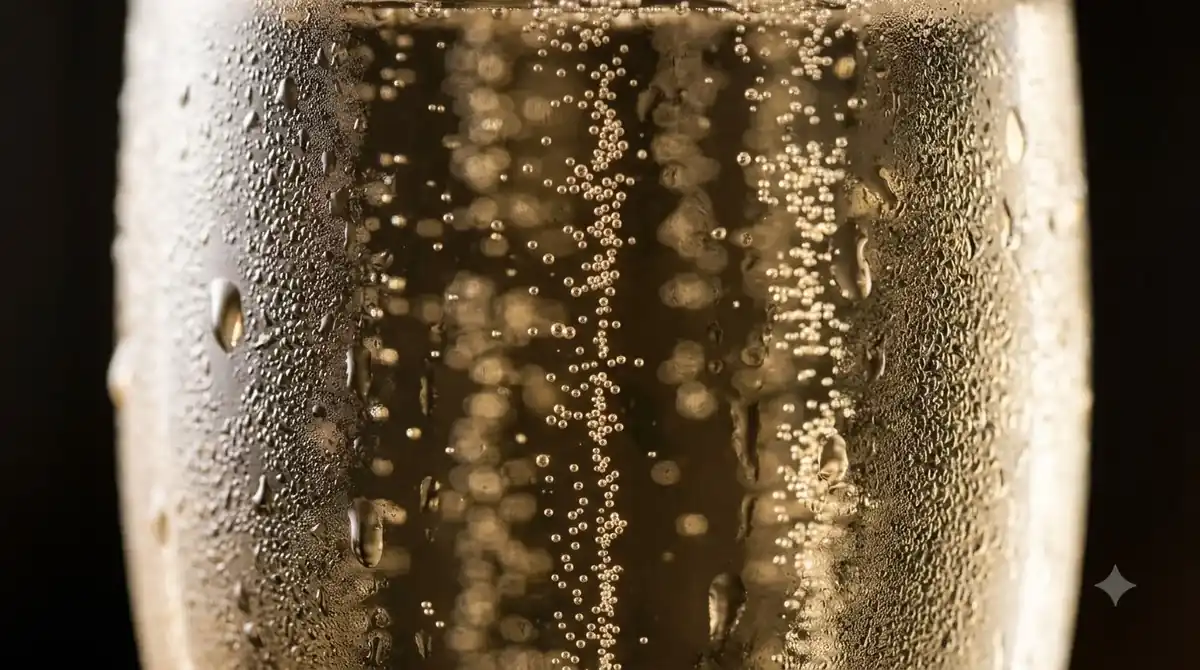
Cava is made with the traditional method, also called the champagne method. A base wine is fermented, then bottled with a small addition of sugar and yeast so that a second fermentation happens inside the bottle. The carbon dioxide stays in the wine, producing the fine bubbles. The aging that follows on the lees gives cava its toasty and bready notes.
Wine Folly’s cava page describes the wine as made using the traditional method and notes that it uses a quality tier system similar to champagne. That comparison is useful for a buyer who wants to know how cava is ranked. The same guide lists the Spanish native grapes used in the wine, which leads directly into the next part of the history.
The grapes that shaped cava
Cava’s character comes largely from its native grapes. the Wikipedia entry on cava lists Macabeo, Parellada and Xarel·lo as the most popular and traditional varieties. Chardonnay and Malvasia are also permitted, and permitted red grapes include Garnacha tinta, Monastrell, Trepat and Pinot Noir. The Wine Folly cava page names Macabeu (also called Viura), Xarel-lo and Parellada as the core Spanish grapes.
These grapes give cava a range of flavours that differ from many champagnes. Parellada is usually associated with a lighter, more floral profile, while Xarel·lo adds structure and body. The mix is one reason cava often feels fresh and fruity on the palate, even when it has spent time with the lees.
| Period or feature | What it marks in cava’s history |
|---|---|
| Mid-nineteenth century | Catalan sparkling wine production begins, according to the Wikipedia entry |
| 1872 | Josep Raventós creates his first sparkler in Penedès |
| Late nineteenth century | Phylloxera devastates Penedès vineyards, pushing producers toward sparkling wine |
| 1970 | Spanish winemakers officially adopt the term cava to distinguish it from French champagne |
| Today | About 95% of cava comes from Penedès, with Sant Sadurní d’Anoia home to many of the largest houses |
Tip: only wines made by the traditional method may be labelled cava. Sparkling wines made another way are sold as vi escumós, so the word on the label tells you how the wine was produced.
The 1970 name change and the label rules
The name cava is one of the most important parts of the history. According to the Wikipedia entry, Spanish winemakers officially adopted the term in 1970, a step that separated their product from French champagne. The name is now protected, and only wines produced by the traditional method can carry it on the label.
The Wikipedia entry describes cava as a denominación de origen, or DO, but it does not give the year that status was granted. Buyers who want that detail should check the regulatory body’s documents, not the general summary. For everyday shopping, the practical rule is simple: if the bottle says cava, it was made by the traditional method in the designated region.
The producers that built the modern style
Two large houses shaped much of cava’s modern reputation. The Wikipedia entry names Codorníu and Freixenet as the two major producers, and many of the largest cellars are in Sant Sadurní d’Anoia in the heart of Penedès. Their scale helped cava reach export markets, and their range of bottles gives buyers a wide choice of style, from light and brisk to richer and more toasty.
Smaller producers work within the same region and the same traditional method, so the differences between bottles usually come from the producer’s choices, such as grape blend, time on the lees and dosage, rather than from a different process.
How cava’s history explains today’s bottle
When you open a bottle of cava, several parts of its history are in the glass. The region gave it the Penedès grapes and the local climate. The traditional method gave it fine bubbles and a yeasty richness with time on the lees. The 1970 name change gave it an identity separate from champagne, even though the methods are related.
That history also explains why cava is so widely sold. The traditional method takes time and labour, but the Penedès base and the large-scale production of the big houses put many styles on shelves around the world. A buyer who knows the grapes and the label rules can choose a style with more confidence.
Frequently Asked Questions
When was cava first made?
According to the Wikipedia entry on cava, Catalan sparkling wine was first made as early as 1851, and Josep Raventós created his first Spanish sparkler in 1872 after drawing on the champagne method. The entry does not tie the 1851 date to Penedès, so the 1872 date is the clearer marker for the region’s sparkling tradition.
Why is it called cava?
Spanish winemakers officially adopted the term cava in 1970 to distinguish their product from French champagne. Today the name is used only for sparkling wines made by the traditional method in the designated region.
Is cava made the same way as champagne?
Cava uses the traditional method, also called the champagne method, with a second fermentation in the bottle. The grapes differ, with Macabeo, Parellada and Xarel·lo leading the mix in cava, while champagne relies mainly on Chardonnay, Pinot Noir and Pinot Meunier.
Where is most cava produced?
About 95% of cava comes from Penedès, according to the Wikipedia entry, and Sant Sadurní d’Anoia is home to many of the largest producers. Codorníu and Freixenet are named as the two major houses.
Cava’s history runs from the nineteenth-century sparkling wine of Penedès to the 1970 naming decision that set it apart from champagne. Knowing that story makes the label easier to read, whether you are choosing a bottle for a dinner or a celebration. For related questions, read how to pronounce cava, check whether cava is vegan, or browse the wine by type guide.
More in Wine Types & Grapes
 Zinfandel Sugar Content: Dry Red vs. White Zinfandel GramsUpdated Nov 21, 2026
 Best Zinfandel Substitute Options for Sipping and CookingUpdated Nov 21, 2026
 Zweigelt Food Pairing: Best Dishes, Cheeses, and Serving TipsUpdated Nov 21, 2026
 Zinfandel Tannins Explained: How Structure Shapes Every BottleUpdated Nov 21, 2026
 Zinfandel Sweetness Level: Dry Red vs. Sweet White Zin ExplainedUpdated Nov 21, 2026
 Xinomavro Food Pairing: Best Dishes, Styles, and Serving TipsUpdated Nov 21, 2026