

We may earn a commission when you buy through links on this page, at no extra cost to you. Learn more.
Gluhwein recipe: simmer one bottle of dry dark red wine with sugar, cinnamon, star anise, cloves, peppercorns and orange for about 30 minutes to an hour, then strain and serve warm. The method is gentle and forgiving, and the whole job takes under an hour. Keep the pot below a boil so the alcohol and the aroma stay in the glass, and use whole spices so the finished drink stays clear.
Gluhwein is the German version of mulled wine, a warm red drink that fills a kitchen with the smell of citrus and winter spice. It is most often served at Christmas markets across Germany, Austria and Switzerland, and the home version is very close to the market cup. This guide gives a simple recipe, explains which wine to buy, and shows how to keep the flavor balanced so the drink tastes like wine first and spice second.
What Gluhwein Is and Where It Comes From
Gluhwein means “glow wine,” a name that refers to the warmth of the drink rather than any particular ingredient. It is made by heating red wine with sweetener and spices, then serving it hot in a mug. Each family and each market stall has a slightly different mix, but the core is always the same: a dry red base, a little sugar, and a set of warm spices that include cinnamon and cloves.
Because the recipe is so flexible, you will see many variations online. Some add orange juice, lemon, or cardamom. Others use port or brandy. The version below follows a classic approach that keeps the wine at the center. Once you have made it once, you can adjust the sweetness and spice level to suit your taste.
Ingredients for a Classic Gluhwein
The base is a single 750ml bottle of dry, dark red wine. Dry matters because sugar and spice will add sweetness and body, and a sweet wine underneath can turn the mug cloying. The recipe below serves three to four people, depending on how large the mugs are.
| Ingredient | Amount | Why it is there |
|---|---|---|
| Dry dark red wine | 1 bottle (750 ml) | The base of the drink |
| Granulated white sugar | 3 tablespoons | Softens the tannins and adds a rounded sweetness |
| Cinnamon sticks | 3 | Warm, woody spice |
| Star anise pods | 3 | Licorice note that pairs well with citrus |
| Whole cloves | 15, divided | Sharp, warm spice for the top notes |
| Black peppercorns | 1/2 teaspoon | A faint bite that lifts the other spices |
| Oranges | 2, thinly sliced, divided | Citrus brightness and garnish |
| Cardamom (optional) | 1/2 teaspoon | Floral finish sprinkled on top |
These amounts follow a traditional gluhwein recipe published by Mashed, which makes a good starting point, and you can change the spice count in either direction. Three cinnamon sticks and three star anise pods are enough for a strong flavor without overpowering the wine.
Step-by-Step Method
The method is simple, and most of the time is passive. The wine should stay warm, not boiling, so the spices can steep slowly. Heating too hard can drive off alcohol quickly and leave a flat, harsh taste, so keep the flame low from start to finish.
- Pour the wine into a pot or Dutch oven over low heat. Add the sugar and stir until it dissolves completely.
- Add the cinnamon sticks, star anise, three of the cloves, the peppercorns and one sliced orange. Stir, cover, and let the wine warm on low for 30 minutes to one hour. Do not let it boil.
- While the spices steep, stud the rind of the remaining orange slices with the remaining cloves. These make attractive garnishes for each mug.
- Strain out and discard the solids. Pour the wine into mugs, add a clove-studded orange slice to each, and sprinkle a pinch of cardamom on top if you like it.
If you are short on time, you can heat the wine with the spices for a few minutes and serve it. The result is lighter and less round, but it still tastes like a holiday drink. A slow cooker set to low works as well, and it keeps the mulled wine warm during a long gathering.
Choosing the Right Red Wine
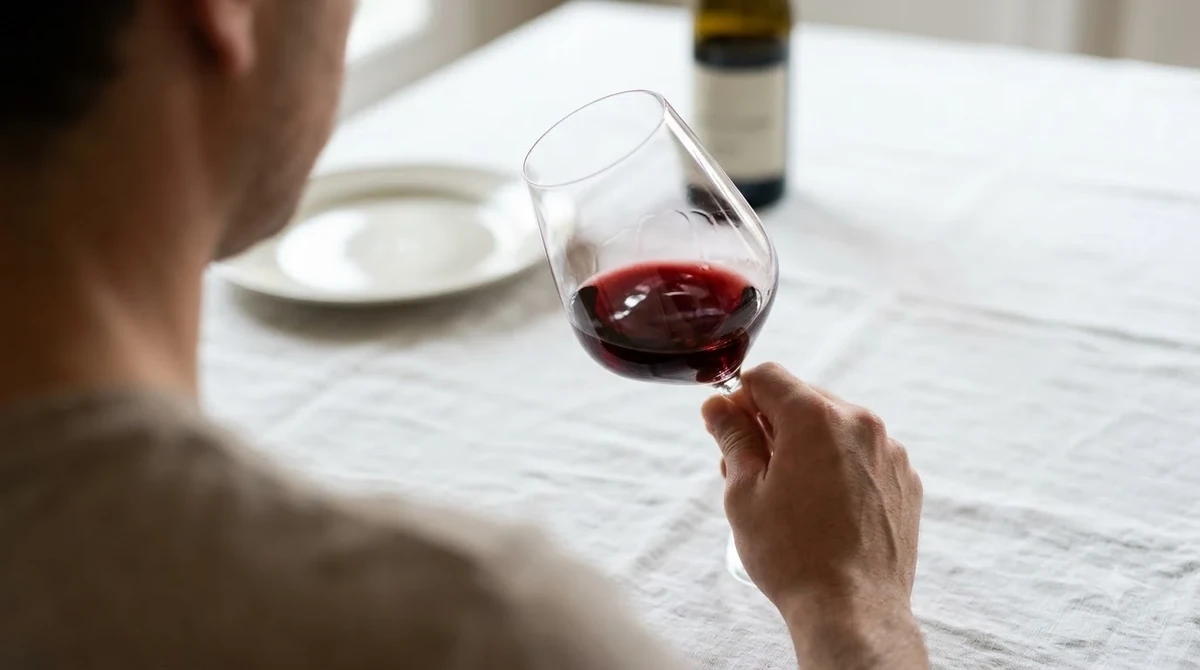
The wine you choose will do more to shape the finished drink than any single spice. Look for a dry dark red with rich fruit, such as a Zinfandel, a Syrah, or an inexpensive Italian or Spanish blend. The recipe source advises against wines labeled oaky or sweet, because oak adds a vanilla and smoky layer that competes with the spice, and a sweet base leaves the drink heavy.
You do not need an expensive bottle. The heat and spice mute the finer differences between wines, so a modest dry red works well. Avoid wines that taste harsh or very tannic on their own, since simmering tends to make those edges stronger. If a red tastes bitter before you add anything, it will likely taste bitter after heating, and a sweeter style may be a better choice for you.
Whole Spices, Clarity, and Flavor
Whole spices are the better choice for gluhwein. Ground spices release a fine powder that stays suspended in the liquid, making the drink cloudy and gritty at the bottom of the mug. Whole cinnamon sticks, star anise, cloves and peppercorns infuse the wine slowly and can be removed with a strainer when the flavor is right. The result is a clear, deep red with the spice carried in the aroma rather than in grit.
Some recipes use ground cinnamon, nutmeg and ginger for a faster, more powdery drink. That works, but it is harder to keep clear, and the spice can taste flat when the wine cools. If you prefer a quicker method with ground spice, strain the wine through a fine sieve or a cheesecloth before serving. For a closer match to a German market cup, though, whole spice is the better path.
What to Serve With Gluhwein
Gluhwein pairs well with rich, savory food and with simple desserts. In Germany it often accompanies sausages, potato pancakes, and roasted pork, because the warm spice cuts through fat and the wine’s fruit complements the meat. Sweet pastries, gingerbread, and warm nuts also work, since the drink’s sugar and spice match those flavors. A wine-forward dish such as chicken marsala shows the same principle, where a cooked wine sauce and a glass of red wine share a common base.
If you are planning a menu around the drink, think about balance. Choose dishes that are rich but not too salty, and serve a few small bites rather than one heavy plate. For more ideas on matching wine with food by style, the wine food pairing section covers common combinations in plain language.
Tips for a Better Batch
Taste the wine before you start and again after the spices have steeped, then add sugar in small amounts until the balance feels right. A little extra orange brings brightness, while more cloves increase warmth and bite. Keep the pot covered to hold in aroma, and reheat gently if the drink cools, since reheating at a hard boil can make the flavor rough.
Leftovers keep well in the refrigerator for a day or two. Strain the spices out before storing, then reheat on low. Do not leave the pot simmering for hours, because the wine will lose its fresh fruit and taste stewed.
Frequently Asked Questions
What is the best wine for gluhwein?
A dry, fruity dark red works best. Avoid wines labeled oaky or sweet, since oak competes with the spice and sweetness makes the drink heavy. You do not need an expensive bottle, because heat and spice soften the differences between inexpensive reds.
Should I use whole spices or ground spices?
Whole spices are better for a clear drink. They infuse the wine slowly and can be strained out, while ground spices leave a cloudy, gritty texture. If you use ground spice, strain the wine through a fine sieve before serving.
Can I make gluhwein in a slow cooker?
Yes. Combine the wine, sugar, spices and orange in the slow cooker on low, and let it warm for about an hour. Keep the lid on and do not let it reach a boil. The slow cooker is especially useful for holding the drink warm during a party.
Why should gluhwein never boil?
A hard boil drives off alcohol and aroma quickly and can leave the wine tasting harsh or flat. Keep the heat low so the spices steep gently and the fruit stays fresh. A steady warm temperature gives the most balanced result.
Gluhwein is one of the easiest warm drinks to make at home, and once you have the base method, the variations are endless. Start with the classic recipe, adjust the spice to your taste, and serve it in mugs while it is still warm.
More in Food & Wine Pairing
 Risotto With White Wine Recipe: Make a Creamy Dinner at HomeUpdated Nov 20, 2026
 Wassail With Wine Recipe for a Festive Spiced Holiday DrinkUpdated Nov 20, 2026
 Spritz Veneziano Recipe: Make a Classic Venetian Aperitivo at HomeUpdated Nov 20, 2026
 Summer Wine Punch Recipe for Easy Homemade EntertainingUpdated Nov 20, 2026
 Bishop Recipe: How to Make a Bright, Citrus-Forward Red Wine CocktailUpdated Nov 20, 2026
 Wine Cupcakes Recipe: Bake Rich Chocolate Cupcakes at HomeUpdated Nov 20, 2026