

We may earn a commission when you buy through links on this page, at no extra cost to you. Learn more.
Mercurey wine is a Burgundy appellation in the Côte Chalonnaise that makes both red Pinot Noir and white Chardonnay. The wines come from the communes of Mercurey and Saint-Martin-sous-Montaigu and include a set of Premier Cru vineyards. Mercurey reds are known for cherry and spice character, while the whites show minerality and apple notes.
This guide explains where Mercurey sits in Burgundy, which grapes go into the red and white wines, how the appellation is classified, and how to serve and buy a bottle. It is written for drinkers who want to understand the wine before they pick one from a restaurant list or a shop shelf.
Where Mercurey Is in Burgundy
Mercurey is part of the Côte Chalonnaise, the Burgundy subregion south of the famous Côte d’Or. According to the Wikipedia article on Mercurey AOC, the appellation covers wine produced in the communes of Mercurey and Saint-Martin-sous-Montaigu. The region is smaller and less known than the Côte de Nuits or Côte de Beaune, which makes it a practical choice for drinkers who want Burgundy character without the highest prices of the most famous villages.
The landscape is a mix of slopes and valleys with a long winemaking history. Burgundy as a whole is shaped by the Pinot Noir and Chardonnay grapes, and Mercurey follows that tradition. For a wider view of Burgundy’s best-known vineyards, Wine Folly’s Pinot Noir guide notes that the most prized vines grow on a narrow, east-facing slope south of Dijon, which sets the reference point for the grape across the region.
Grapes and Wine Styles
Mercurey reds are based on Pinot Noir and whites are based on Chardonnay. The Wikipedia article notes that reds may include up to 15 percent combined Chardonnay, Pinot blanc, and Pinot gris, although the article describes this as uncommon. Whites may use Chardonnay and Pinot blanc, but most are 100 percent Chardonnay. In practice, when you buy a Mercurey you will usually see a single-grape red or white, not a blend.
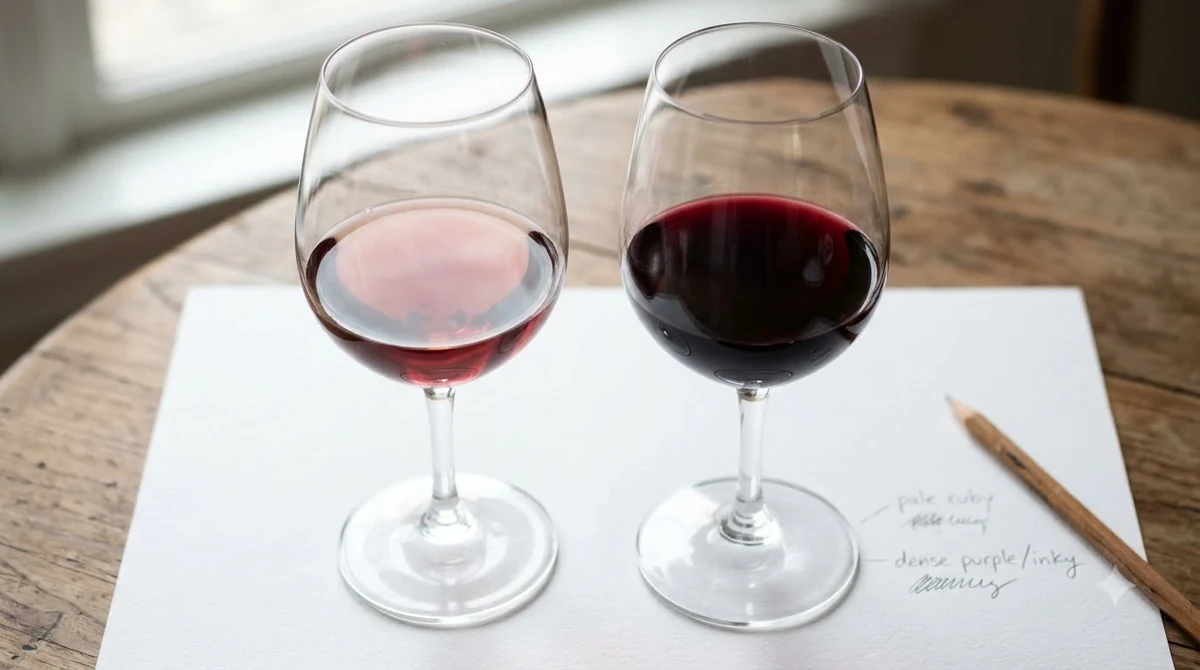
The reds are often deeply colored and fuller in body than many Burgundy villages, with spicy cherry notes that come from Pinot Noir grown in the Côte Chalonnaise. The quality varies by producer and vintage, so a good shop or sommelier can help you find a style you like. The whites are known for minerality and apple notes, and they show the cool, structured character that Chardonnay takes on in Burgundy.
| Feature | Mercurey details from the Wikipedia article |
|---|---|
| Location | Communes of Mercurey and Saint-Martin-sous-Montaigu, Côte Chalonnaise |
| Red grape | Pinot Noir, with up to 15 percent of other white grapes allowed but uncommon |
| White grape | Chardonnay, sometimes with Pinot blanc; most are 100 percent Chardonnay |
| Premier Cru vineyards | 32 vineyards classified as Premier Cru |
| Grand Cru vineyards | None |
| Area in production (2008) | 646.09 hectares (1,596.5 acres) at village and Premier Cru level |
| Aging window | Well-made examples generally peak 5 to 12 years after the vintage |
Premier Cru and Classification
The classification system in Burgundy ranks vineyards by quality, and Mercurey uses it in a simple way. The appellation has no Grand Cru vineyards, but it does have 32 Premier Cru vineyards. A Premier Cru label on the bottle usually means the wine comes from a named vineyard that has been classified above village level, and that often means a more concentrated and structured wine. Village-level Mercurey is a good everyday choice, while Premier Cru bottles are worth trying when you want more depth. Because the appellation is small, the number of producers is limited, and that makes it easier to follow a single estate across several vintages and compare how its style shifts from year to year.
Classification rules are the easiest way to compare value across Burgundy. A village wine from a respected producer can offer much of the regional character, and a Premier Cru from the same estate usually costs more and ages longer. Check the label for the vineyard name and the word Premier Cru, then match the bottle to your meal and the number of years you plan to keep it.
Tip: Mercurey reds can be enjoyed young with a short rest, but the best examples reward patience. If you plan to keep a bottle, check the producer’s recommendation and store it in a cool, dark place.
Serving and Pairing
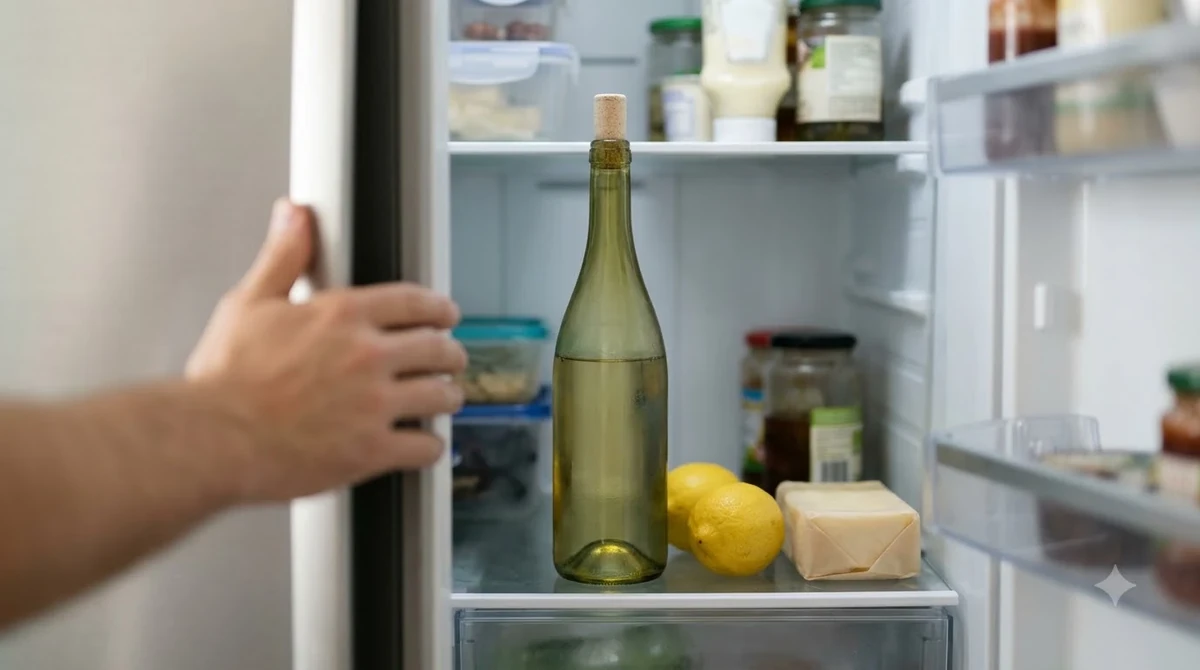
Serve Mercurey reds at a cool room temperature, and give them about 30 minutes in the glass before drinking so the cherry and spice notes open up. Wine Folly’s Pinot Noir guide suggests serving the grape between 55 and 60 degrees F (12 to 15 degrees C), which is a useful range for a Mercurey red as well. Serve whites slightly cooler, and let them warm a little as they sit in the glass.
Mercurey reds pair well with roasted poultry, mushroom dishes, grilled salmon, and aged cheeses. The wine’s acidity and moderate tannin suit dishes with herbs and earthy flavors. Mercurey whites suit roasted chicken, creamy sauces with restraint, and seafood, since the minerality and apple notes match the lightness of the fish.
If you want to compare Mercurey with another crisp white, the Gavi wine tasting guide covers a very different Italian white with citrus and almond notes. Putting the two side by side is a simple way to see how Chardonnay from Burgundy and Cortese from Piedmont differ in texture and finish.
How to Choose a Mercurey
Start with the color you prefer. If you like bright cherry and spice, look for a red from a producer with a clear style. If you prefer minerality and apple, choose a white from the same producer and compare. Read the label for Premier Cru or village status, then decide whether you want an everyday bottle or something for a special meal.
Buying from a shop with knowledgeable staff helps, because Mercurey quality varies with vintage and producer. Ask whether the bottle is from a recent or older vintage and whether the producer has a consistent style from year to year. For a general introduction to how Burgundy regions fit together, the Wine Regions guide explains how the main subregions and grape styles relate to one another.
Frequently Asked Questions
What grapes are used in Mercurey wine?
Red Mercurey is based on Pinot Noir and white Mercurey is based on Chardonnay. Some reds may include a small share of white grapes, but the article describes that as uncommon.
Is Mercurey a Grand Cru wine?
No. The appellation has no Grand Cru vineyards. It does include 32 Premier Cru vineyards, and many bottles are labeled at village level.
How long should I age Mercurey?
The Wikipedia article says that well-made examples generally peak 5 to 12 years after the vintage. Many bottles are enjoyable younger, but the best ones reward a few years of cellaring.
What is the difference between Mercurey and other Burgundy wines?
Mercurey comes from the Côte Chalonnaise, a subregion south of the Côte d’Or. Its reds are often more structured and fuller than some lighter Burgundy villages, and the whites show minerality and apple notes.
Mercurey offers a practical route into Burgundy. Pick a red or white from a producer you trust, check whether the bottle is village-level or Premier Cru, and serve it at the right temperature with food. Compare two bottles from the same vintage to see how the terroir and the grape show through, and you will have a clear sense of the appellation. Keep notes on the producer, vintage, and price you paid, so the next bottle you buy is easier to choose.
More in Wine Regions
 Willcox Wine Trail: Discover Arizona’s High-Elevation Wine CountryUpdated Nov 20, 2026
 Yakima Valley Wine Region: Find the Best Styles to TryUpdated Nov 20, 2026
 Vosne Romanee Wine Tasting: Identify Aromas and Choose Better PairingsUpdated Nov 20, 2026
 Yakima Valley Wine Festival: Find the Best Seasonal Wine EventsUpdated Nov 20, 2026
 Wales Vineyards: Discover Cool-Climate Wines and Where to VisitUpdated Nov 20, 2026
 Yountville Wine Festival: Discover Napa Wines and Local FoodUpdated Nov 20, 2026