


We may earn a commission when you buy through links on this page, at no extra cost to you. Learn more.
Alicante Bouschet wine is a dark, full-bodied red made from a teinturier grape, meaning its flesh as well as its skin is red, which gives the wine deep color and firm tannins. Typical flavors include black cherry, blackberry, black plum, and black pepper, with sweet tobacco in some bottles. The wine is usually served a bit cooler than room temperature and pairs well with smoky, grilled, and spiced foods.
Alicante Bouschet is one of the few red wines in its family that stains the glass and the palate with unusual depth. It is also a grape with a split reputation: it was once widely planted for color, and today it is valued by a smaller group of producers who want bold, structured reds. This guide explains what the wine tastes like, where it is made, and how to serve it.
What makes Alicante Bouschet unusual
Most red grapes have red skins and white flesh, which is why their juice runs pale. Alicante Bouschet is a teinturier, a term for grapes with red flesh as well as red skins. According to Wine Folly’s Alicante Bouschet profile, the grape has both red skins and red flesh, which is why the wine can be so dark. The Wikipedia entry on the grape notes that it is one of the few teinturier grapes in the Vitis vinifera species.
The grape was first cultivated in France in 1866 by Henri Bouschet, who crossed Petit Bouschet with Grenache. Its strong color and bold structure are the reasons it stands out in a glass, even among other deep-colored reds.
Flavor and structure in the glass
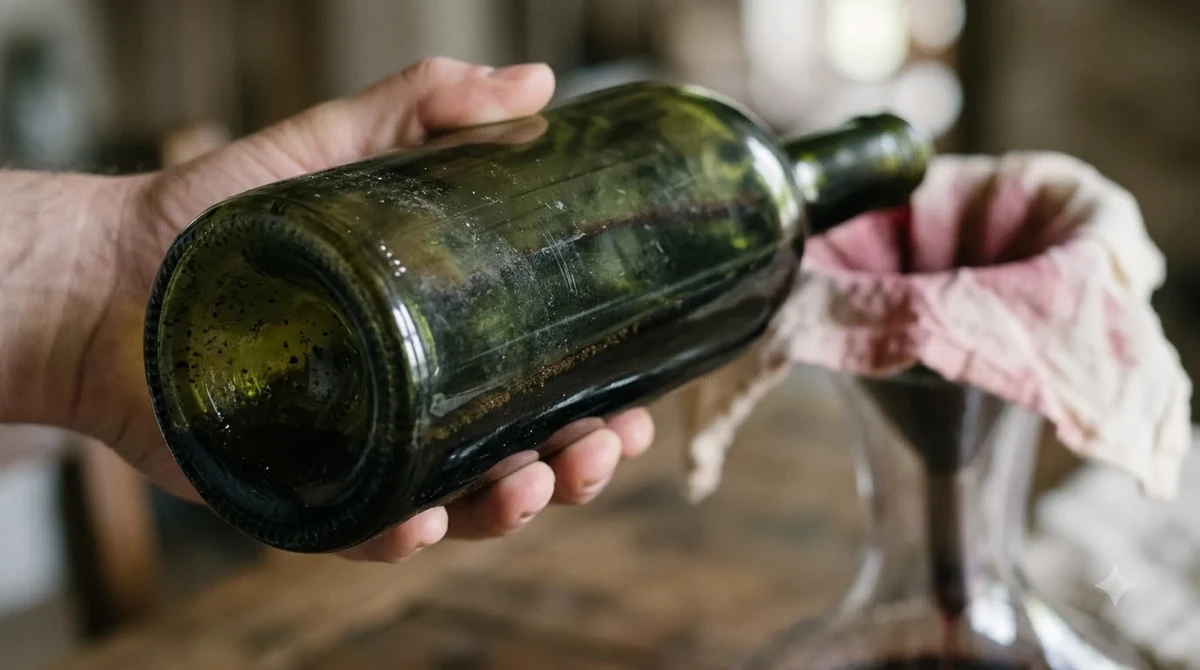
Expect a wine that is dry, full-bodied, and firm. Wine Folly lists medium-high tannins and medium acidity, with alcohol typically between 13.5 and 15 percent. Those numbers explain why Alicante Bouschet often feels weighty and warm on the palate. The tannins give it grip, and the acidity keeps the wine from tasting flat.
On the flavor side, the wine tends toward dark fruit. Wine Folly describes black cherry, blackberry bramble, and black plum, along with black pepper and sweet tobacco. Some bottles show a jammy character, especially when they come from warm growing areas. Young wines can be fruit-forward but less complex, which is why many producers age them before release. With time in the bottle, the fruit softens and the spice and savory notes come forward.
| Element | Typical Alicante Bouschet wine |
|---|---|
| Color | Very dark, deep, and dense |
| Fruit | Black cherry, blackberry, black plum |
| Spice and savory | Black pepper, sweet tobacco |
| Tannin | Medium-high, firm grip |
| Acidity | Medium, keeps the wine balanced |
| Alcohol | About 13.5 to 15 percent |
Tip: Because the wine is so dark, a wine glass with a wide bowl lets the aromas open. Pour a moderate amount so the glass has room to swirl.
Where Alicante Bouschet wine is made
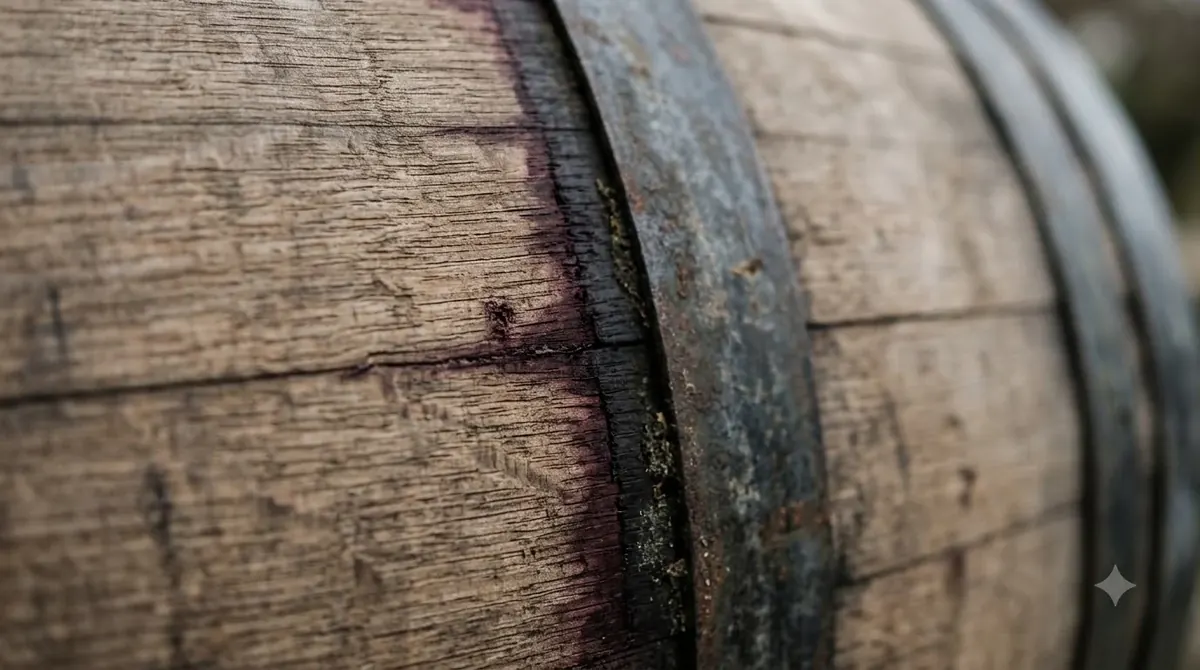
The grape has traveled far from its French origin. The Wikipedia entry says the Alentejo region of Portugal is where it is widely planted today, with the earliest known planting there at Herdade do Mouchão in the late nineteenth century. In Spain it goes by names such as garnacha tintorera and negral, and the entry reports about 22,572 hectares planted in 2015. It is also grown in California, including Napa, Sonoma, Madera, and Calaveras counties, and it had sizable plantings in the Languedoc in France around 2000.
Plantings in France declined sharply over the twentieth century. The same source reports a drop from about 24,168 hectares in 1958 to under 4,000 hectares by 2011. That shift is one reason the grape is less familiar to many drinkers today, even though it remains important in the places where producers still value its color and structure.
Typical styles and blending uses
Alentejo wines made from Alicante Bouschet are often bottled as single-variety reds. Wikipedia describes them as prized for their size, dense color, and phenolic content. They are high in alcohol and can taste jammy, but they may lack complexity when young. Those wines usually show their best character after some aging.
The grape is also used as a blending partner. Its deep color makes it useful for adding color to lighter reds, and in the past it was blended with Aramon in France. In Chile, it has been blended with Cabernet Sauvignon. If you see Alicante Bouschet on a label, check whether it is a single-variety bottle or a blend, because the flavor profile can change significantly.
How to serve Alicante Bouschet
Wine Folly recommends serving the wine between 60 and 68 degrees Fahrenheit, or 15 to 20 degrees Celsius. That range keeps the fruit clear and stops the alcohol from feeling hot. Decanting for about 30 minutes can help open up a young bottle, especially if the wine feels closed or very tannic. Wine Folly also suggests an oversized glass, which suits the wine’s dense, dark character.
The same profile suggests aging. Wine Folly says the wine can be cellared for five to ten years, so a bottle bought for a special meal might be worth keeping if it is young. Store it on its side if it has a natural cork, and keep it in a cool, steady spot away from heat and light.
Food pairings for a bold red
Alicante Bouschet wants food with strong flavors. Wine Folly suggests intense, smoky-sweet dishes such as barbecue, teriyaki, carne asada, and grilled vegetables. The wine’s tannins can handle grilled meat well, while its dark fruit complements sweet and smoky sauces. Spiced dishes, such as those with cumin or chili, also work well because the black pepper notes in the wine echo the spice.
For lighter meals, the match is harder. A bold, dark red can overpower delicate fish or fresh salads. If you want to explore a crisp white alongside a richer meal, the Albariño tasting notes guide shows how a very different style works at the table.
How to choose a bottle
When you shop for Alicante Bouschet, read the producer’s description carefully. Look for whether the bottle is a varietal wine or a blend, and whether it is described as ready to drink or meant for aging. If the label mentions a region such as Alentejo, the wine may show the warm, ripe style that the area is known for.
If you enjoy other dark, structured reds, you may also want to compare it with other deep-colored grapes. The Baco Noir wine guide covers a different hybrid red, and the Wine by Type hub gathers the main red and white styles in one place.
Frequently Asked Questions
Is Alicante Bouschet a red wine?
Yes. It is a dark red wine, and the grape is unusual because it has red flesh as well as red skins, which deepens the color of the juice and the finished wine.
What does Alicante Bouschet taste like?
Typical flavors include black cherry, blackberry, and black plum, with black pepper and sweet tobacco. The wine is full-bodied with medium-high tannins.
What temperature should Alicante Bouschet be served at?
Wine Folly recommends serving it between 60 and 68 degrees Fahrenheit. Decanting a young bottle for about 30 minutes can help it open up.
Can Alicante Bouschet be aged?
Yes. Wine Folly says it can be cellared for five to ten years, and Wikipedia notes that Alentejo wines show their best character with age. Young bottles can taste fruity but less complex.
Alicante Bouschet is a bold red with an unusual background and a strong color. Learn its dark fruit and firm structure, serve it with smoky or grilled food, and check the label for whether the wine is a single variety or a blend. Once you know its style, you can decide whether it suits a special meal or a bottle to keep for later.
More in Wine Types & Grapes
 Zinfandel Sugar Content: Dry Red vs. White Zinfandel GramsUpdated Nov 21, 2026
 Best Zinfandel Substitute Options for Sipping and CookingUpdated Nov 21, 2026
 Zweigelt Food Pairing: Best Dishes, Cheeses, and Serving TipsUpdated Nov 21, 2026
 Zinfandel Tannins Explained: How Structure Shapes Every BottleUpdated Nov 21, 2026
 Zinfandel Sweetness Level: Dry Red vs. Sweet White Zin ExplainedUpdated Nov 21, 2026
 Xinomavro Food Pairing: Best Dishes, Styles, and Serving TipsUpdated Nov 21, 2026