

We may earn a commission when you buy through links on this page, at no extra cost to you. Learn more.
Baga wine is a dry, tannic red made from the Baga grape, which is grown mainly in Portugal’s Bairrada region. Wine Folly describes its flavors as blackberry, black currant, dried cherry, cocoa, and tar, with high tannin, high acidity, and an alcohol range of 11.5 to 13.5 percent ABV. It is a structured wine that tastes best with food and with a little time in the glass.
Baga is one of the more demanding red grapes in Portugal. Many drinkers meet it without knowing the name, because it is a major component of some widely sold rosé wines, yet the red wines made from it on their own have a much firmer character. This guide explains where Baga grows, what it tastes like, why its tannins matter, and how to serve and pair it at home.
What Baga wine is and where it grows
Baga is a red wine grape from Portugal. Wikipedia notes that it is grown mainly in the Bairrada DOC, a wine region on the coast of central Portugal, and that the grape is planted primarily there. The region’s clay-rich soils and maritime climate shape the wines, which tend to be deeply colored and firm rather than soft and fruity.
The grape has a reputation for being difficult in the vineyard and in the winery. Its tannins and acidity are high, so producers often age the wines in oak or in bottle before release. That history explains why a young Baga can taste closed and austere, while a well-made bottle that has had time can show much more depth.
The Bairrada landscape is worth knowing about if you want to understand Baga. The vineyards sit near the Atlantic, so breezes and cooler nights slow ripening and help keep acidity in the grapes. Growers who work with the variety often talk about the balance between that freshness and the grape’s naturally firm structure. The result is a wine that can feel bright at the start and grippy at the finish, which is why many tasters describe it as a food wine.
Because the grape is so closely tied to one district, a bottle labeled Bairrada is usually the clearest guide to a traditional Baga style. Producers in the area work with the grape in a range of ways, from simple, fresh bottlings meant for early drinking to more ambitious wines held in oak for years.
Flavor profile and body
Baga wines are dry with a medium-full body. The fruit leans dark, with blackberry and black currant leading, followed by dried cherry. Wine Folly also lists cocoa and tar, which gives the wine the savory, gravelly edge that many people notice first. The overall impression is serious and earthy rather than sweet or perfumed.
Because the flavors are concentrated, Baga can seem intense on a first sip. Drinkers who usually reach for a soft Merlot or a fruit-forward Zinfandel may find it drier and more grippy. That contrast is the point for many people who enjoy savory reds with a long finish.
Some producers also use Baga for rosé and sparkling wine. Wine Folly notes that Baga is used heavily in Mateus Rosé, a widely sold Portuguese rosé, and that the grape can make complex sparkling rosé. That range shows how flexible the grape can be when a winemaker chooses a lighter approach, even though the red wines remain its most serious expression.
Tannin, acidity and aging
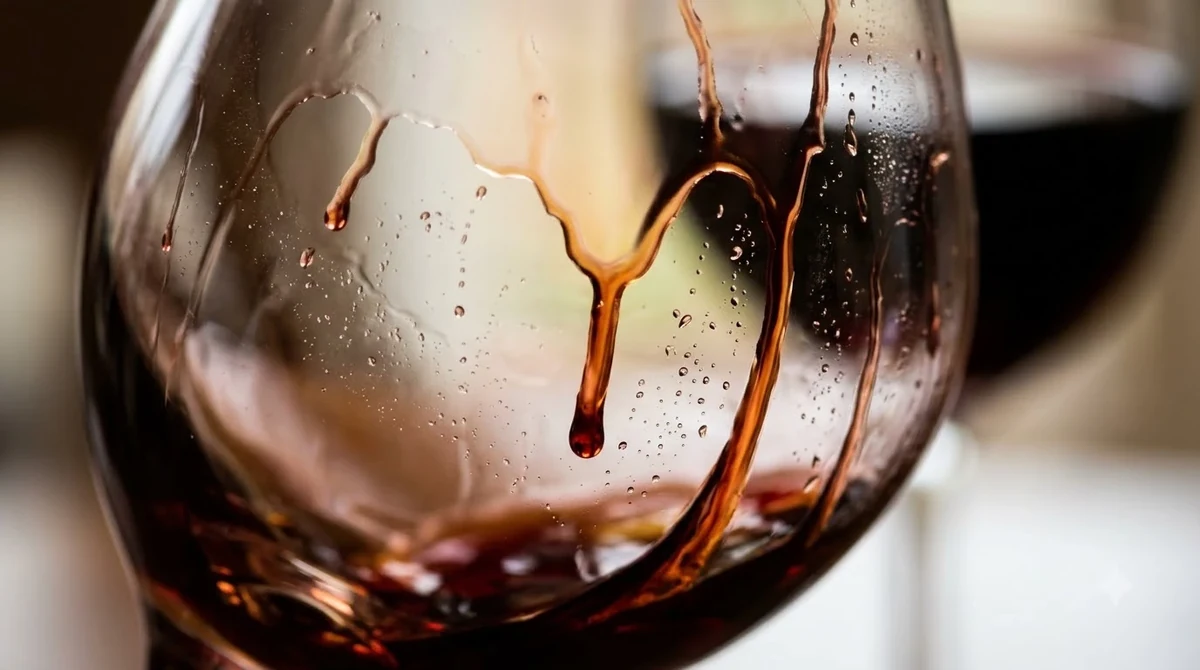
Tannin is the feeling of dryness and grip on the gums and tongue, and Baga has a lot of it. Wine Folly rates both tannin and acidity as high. The acidity keeps the wine lively and helps it pair with rich dishes, while the tannin gives it structure and the ability to age.
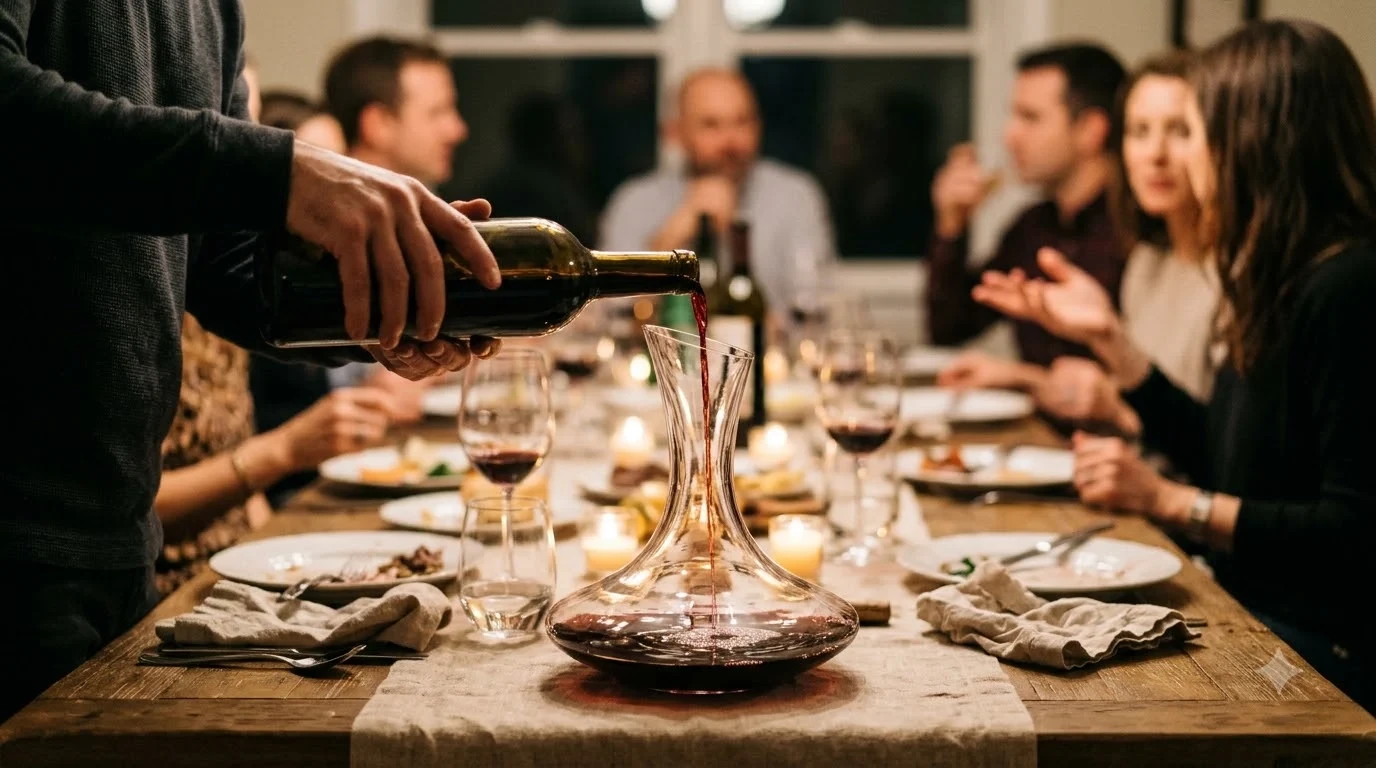
Wine Folly suggests that a Baga can be cellared for 10 years or more. Younger bottles usually benefit from decanting, which softens the first hard edges and lets the aromas open. Older bottles with more sediment need careful handling and a gentle pour.
The alcohol level sits in the middle range for a red wine. At 11.5 to 13.5 percent ABV, Baga is not as strong as many Californian reds, which often pass 14 percent, so it can feel balanced at the table when the food is generous.
Baga in the context of Portuguese reds
Portugal grows many red grapes, and drinkers often compare Baga with the country’s other structured varieties. Baga stands out for its acidity and its tannin, which are both higher than in many softer reds. A drinker who enjoys a firm, savory wine with a dark-fruit core will often find the style familiar, while someone who prefers a smooth, fruit-led red may want to start with a lighter bottle.
This comparison matters at the shop. When you read a label, look for words such as firm, grippy, or structured, which suggest a wine that needs food and some time. Words such as soft, juicy, or easy-drinking point toward a red that will suit an unplanned weeknight dinner without any preparation.
How to serve Baga wine
Serving temperature changes how the tannin feels. A Baga served too warm can taste heavy and hot, while one served slightly cool shows more fruit and a cleaner finish. The table below gives the basic guidance for most bottles.
| Factor | Suggested approach |
|---|---|
| Serving temperature | 55 to 60°F (12 to 15°C), according to Wine Folly |
| Glass | A universal wine glass with room to swirl |
| Decanting | About one hour for a young bottle |
| Cellaring | Ten years or more for structured bottles |
| Style | Dry, high tannin, high acidity |
Tip: If a young Baga tastes harsh, pour it into a decanter and wait. Give the wine time to open before judging it.
Food pairing for Baga
Baga suits foods that have enough fat and savory flavor to meet its tannin. Wine Folly points to rich, fatty, spiced, and roasted meats, which match the wine’s firm, gravelly character. Lamb with rosemary, roasted pork with herbs, and grilled beef are natural choices.
Cheese can work well too. A firm, aged cheese brings out the fruit and softens the grip. Mushroom dishes, roasted root vegetables, and dishes with smoky spices also suit the wine, because they echo its earthy notes without overwhelming it.
Lighter foods, such as delicate fish or fresh salads with a sharp vinaigrette, usually clash with Baga’s tannin. Save the bottle for a meal with some weight to it, and keep the portion moderate, since the wine is strong enough to be filling.
Food and serving also shape the experience. Baga is strong enough to stand up to grilled meats, but it can overpower delicate dishes. Pairing it with a meal that has some weight, such as a slow-cooked stew, a roast, or a plate of grilled vegetables with olive oil and herbs, lets the wine’s acidity and tannin work with the food rather than against it.
How to choose a Baga wine
Start by reading the label for the producer, the vintage, and the region. A bottle that names Bairrada on the label is the clearest signal that the wine follows the classic Baga style. Younger wines are usually more fruit-driven, while older or reserve bottles tend to show more structure and savory depth.
If you are new to Baga, choose a bottle from a producer who describes the wine clearly, and buy one bottle first before committing to a case. Reviewers and producers often describe the same flavors, so the tasting notes on the back label are a useful guide.
Storage matters as well. Keep unopened bottles in a cool, dark place away from heat and light. If you plan to age a bottle, choose one that is clearly built for it, and check the producer’s notes on how long the wine is meant to rest. Bottles that were made for early drinking will not improve much with time, so the producer’s guidance is the best place to start.
Frequently Asked Questions
Is Baga wine sweet or dry?
Baga is generally a dry red wine. Wine Folly describes it as dry with a medium-full body, so it will taste savory and firm rather than sweet.
Where does Baga wine come from?
The grape is native to Portugal and is grown mainly in the Bairrada DOC, according to Wikipedia. Its wines are known for high tannin and high acidity.
Does Baga wine need to be decanted?
Young Baga often benefits from decanting. Wine Folly suggests about one hour, which softens the tannin and lets the aromas open before serving.
What food goes well with Baga wine?
Rich, fatty, or roasted meats are the classic match, along with lamb, grilled beef, and aged cheese. The wine’s firm tannin needs food with some weight behind it.
Baga is a red that rewards patience and a good meal. Once you know its structure, it is easy to match with food and to store for later. For more background on other red grapes, read the guide to wine by type and compare the style with albarino tasting notes when you want a contrast in the glass.
More in Wine Types & Grapes
 Zinfandel Sugar Content: Dry Red vs. White Zinfandel GramsUpdated Nov 21, 2026
 Best Zinfandel Substitute Options for Sipping and CookingUpdated Nov 21, 2026
 Zweigelt Food Pairing: Best Dishes, Cheeses, and Serving TipsUpdated Nov 21, 2026
 Zinfandel Tannins Explained: How Structure Shapes Every BottleUpdated Nov 21, 2026
 Zinfandel Sweetness Level: Dry Red vs. Sweet White Zin ExplainedUpdated Nov 21, 2026
 Xinomavro Food Pairing: Best Dishes, Styles, and Serving TipsUpdated Nov 21, 2026