

We may earn a commission when you buy through links on this page, at no extra cost to you. Learn more.
The best boxed cabernet sauvignon is a dry, full-bodied bag-in-box wine that lists Cabernet Sauvignon on the label, shows an alcohol level near 13.5% to 15%, and is kept cool once opened. Cabernet is a bold grape with firm tannin and dark fruit, so the format matters less than the wine inside the box. A bag-in-box keeps the wine away from air until it is poured, which suits a red that is meant for everyday drinking and for hearty meals.
Boxed wine has moved well beyond the cheap jug of years past. Many boxes now hold red wine from recognizable grape varieties, and Cabernet Sauvignon is one of the most common choices for a red that is meant to be poured often. This guide explains how the packaging works, what a good boxed Cabernet should taste like, and what to check on the label and the box before buying.
What Makes a Boxed Cabernet Different
A boxed Cabernet is a normal wine in an unusual container. A bag-in-box holds the wine in a flexible bladder inside a corrugated outer shell. As the wine is poured through a tap, the bladder collapses, so outside air does not replace the liquid the way it does in an opened bottle. That design is the reason boxed wine is often described as protected from oxidation until it is dispensed.
The packaging is only half the story. The wine inside still depends on grape quality, winemaking, and style, and those factors matter more than the box itself. A boxed Cabernet can taste fresh and well built, or it can taste thin and simple, and the label and tasting notes are the best way to tell the difference. Treat the box as a convenient format, then judge the wine by its flavor, tannin, and balance.
Quick Comparison: Box or Bottle
The table below compares the two formats for a red that is meant for regular drinking. The differences are practical rather than a question of which is better in every case.
| Feature | Bag-in-box | Standard bottle |
|---|---|---|
| Air contact after opening | Limited, since the bladder collapses as wine is poured | Full exposure once the cork is removed |
| Serving method | Tap, poured as needed | Pour or decant from the bottle |
| Good for | Everyday dinners and larger gatherings | Special meals and cellaring |
| Shelf life after opening | Check the packaging; sources do not give one fixed figure | Check the producer’s guidance; freshness drops after opening |
Best for Everyday Dinners
A boxed Cabernet works well for a weeknight dinner that calls for a red with some structure. Cabernet is dry and full-bodied, with medium-high tannin and medium-high acidity, so it holds its own with a plate of meat or a hearty pasta. The box makes it easy to pour one glass without opening a full bottle, which suits a household that drinks a little wine most nights.
For this use, look for a wine that tastes balanced rather than sweet or flat. Cabernet should show dark fruit and some structure, and a clean finish after the tannin. If the wine tastes flat or heavily sweet, the box is probably not the right fit for a red that is meant to show the grape’s character.
Best for Grilled Meats and Hearty Plates
Cabernet’s rich flavor and firm tannin suit grilled meats, peppery sauces, and boldly seasoned dishes. Steak, lamb, and burgers with a char are classic matches, and the tannin helps cut through fat. A boxed Cabernet is a practical choice for a backyard meal where several people will be pouring during the evening.
When the food is heavy, choose a Cabernet with enough body to match it. A lighter red can get lost next to a grill, so look for the full-bodied style on the label or in the tasting notes. A box that is poured steadily through a long meal also avoids the rush of opening several bottles at once.
Best for Cabernet Newcomers
Cabernet can be intense for someone who is new to red wine, since its tannin dries the mouth and its flavors are concentrated. A boxed version is a low-pressure way to learn the style, because a glass can be poured and sipped without committing to a full bottle. Start with a single pour alongside a meal rich enough to balance the tannin.
Newcomers often find it helpful to compare two boxes or two Cabernets from different regions. The grape can taste quite different from one place to another. Cabernet from a cooler site may show more herbal or tobacco notes, while a warmer site may show riper, jammier fruit. Keeping notes on which one suits the table is a simple way to build a sense of personal taste.
Best for Hosting and Make-Ahead Entertaining
A box can simplify a gathering because it removes the need to open and track several bottles. Pour a glass for each guest from the tap, and keep a second box in reserve if the group is large. The approach also works well for a casual dinner where guests want to refill their glass without a fuss.
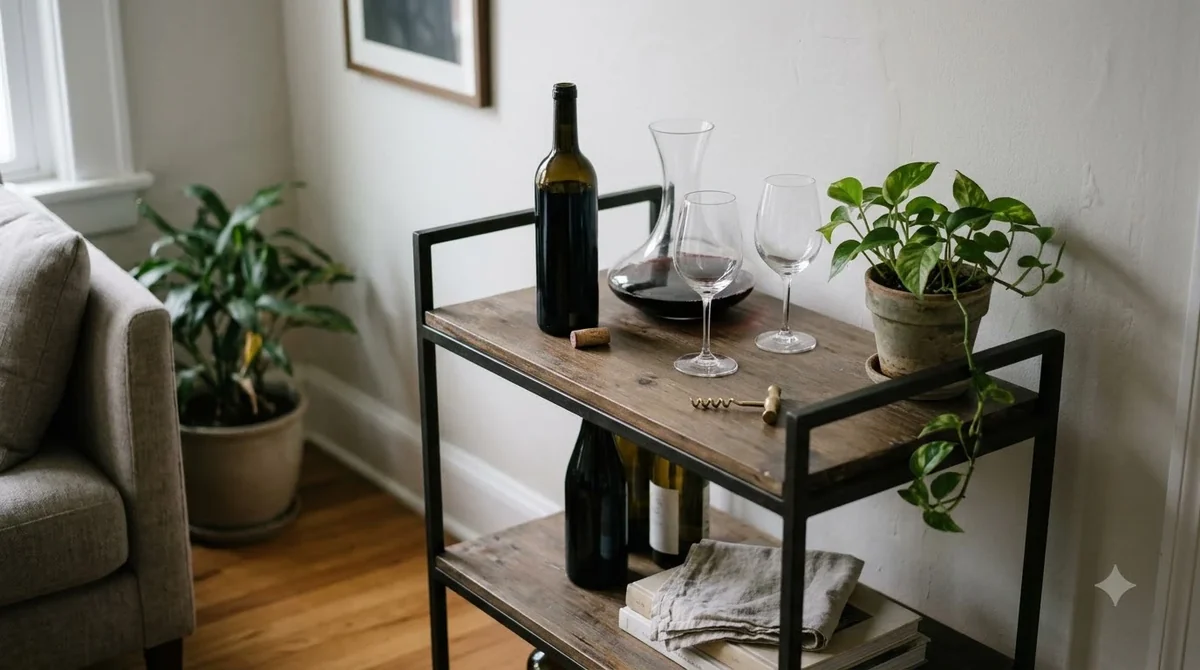
Plan the serving temperature before the guests arrive. Cabernet tastes best when it is not warm, and a box can be moved to a cool spot before the meal. A short time in a cooler area of the house is usually enough, and it helps the wine show its structure rather than tasting heavy.
Best for Careful Label Shoppers
Some boxed Cabernets are blends or are labeled with a region rather than a grape, so the label needs to be read carefully. Choosing a box that names Cabernet Sauvignon clearly helps you know what style to expect. The label should also state the alcohol content, since that number gives a useful sense of body.
When comparing options, check whether the producer describes the wine’s flavor and style. A clear description of dark fruit, tannin, and oak is more useful than a vague claim about quality. If the information is missing, that is a reason to try a different box or to ask staff for help.
Serving and Decanting a Boxed Cabernet
Serving temperature has a big effect on a red like Cabernet. Wine Folly’s Cabernet Sauvignon guide recommends serving it at 60 to 68°F in an oversized glass, and it suggests decanting for about an hour to let the wine open up. A box can follow the same idea by pouring a glass or two into a carafe ahead of the meal, then leaving it to rest while the food cooks.
Keep the box cool between pours and avoid leaving it in a warm room for a long time. A red that is served too warm can taste hot and flat, and the tannin can seem harsh. A few minutes in a cooler spot before serving usually brings the wine into the right range.
Tip: If a boxed Cabernet smells strongly of alcohol, it may be too warm. Move the box to a cooler spot, then smell and taste again before deciding.
How to Choose a Boxed Cabernet
A short checklist helps when the choice is between several boxes on the same shelf.
- Confirm the grape is Cabernet Sauvignon on the label, not only a blend or a general red.
- Check the alcohol percentage. A figure from about 13.5% to 15% usually points to the full-bodied style the grape is known for.
- Read the tasting notes for dark fruit, cedar, or baking spice, and skip boxes described mainly as sweet.
- Check the packaging for a date and for signs that the seal or tap has been damaged before buying.
Cabernet is often a wine that many people buy in bottles for long aging, and that tradition is one reason the grape has such a strong reputation. A box is a different format with a different purpose. Judge a boxed Cabernet by how it tastes on the day you pour it, and by how well it suits the meal in front of you.
Frequently Asked Questions
Is boxed Cabernet Sauvignon as good as a bottle?
Quality depends on the wine inside the box, not the packaging alone. The box protects the wine from air once it is opened, which is one reason boxed wine suits regular drinking. A good Cabernet in a box can taste as well made as a bottle, but the label and tasting notes are the best guide.
How should a boxed Cabernet be served?
Serve it at about 60 to 68°F in a large glass, and keep it cool between pours. Pouring a glass into a carafe ahead of the meal can help the wine open up, since Cabernet often benefits from a short rest.
What food goes best with boxed Cabernet?
Grilled steak, lamb, burgers, and dishes with peppery or boldly seasoned sauces are classic matches. The tannin in Cabernet helps balance rich or fatty foods.
Does a boxed Cabernet need to be stored a certain way?
Store the box in a cool, dark place away from heat, and follow the packaging guidance on storage and any date printed on the box. Keeping the box cool helps the wine taste fresh between pours.
For more options, see the guide to best cabernet sauvignon brands, or learn how to read labels and styles in wine buying. A boxed Cabernet works best when it is chosen for the meal and served at the right temperature, not just for its low cost per pour.
More in Wine Buying Guides
 Riesling Gift: Choose a Bottle They’ll LoveUpdated Nov 21, 2026
 Sweet Red Wine Gift: Choose a Bottle They’ll LoveUpdated Nov 21, 2026
 Malbec Gift: How to Choose a Memorable Bottle for Any OccasionUpdated Nov 21, 2026
 Sherry Gift Ideas That Match Every Wine LoverUpdated Nov 21, 2026
 Moscato Gift: How to Choose a Sweet Wine They’ll LoveUpdated Nov 21, 2026
 Merlot Gift: How to Choose a Bottle They’ll AppreciateUpdated Nov 21, 2026