

We may earn a commission when you buy through links on this page, at no extra cost to you. Learn more.
An Aperol spritz recipe uses three parts prosecco, two parts Aperol and one part soda water, poured over plenty of ice and finished with an orange slice. That 3-2-1 ratio is the classic version of the drink, and it takes about two minutes to build in a wine glass. The result is bitter-sweet, light, and only around 11 percent alcohol, which is why it has become a common aperitivo choice.
This guide walks through the aperol spritz recipe step by step, explains why the ratio works, and covers the small adjustments that change how the drink tastes. If you are new to the drink, start with the classic build below before you try any variations.
What Is an Aperol Spritz?
An Aperol spritz is a low-alcohol cocktail built on sparkling wine. The word spritz is linked to the idea of a splash of water added to wine, and the drink is traditionally a light, mildly bitter aperitivo. The modern version pairs prosecco with Aperol, a bright orange aperitif liqueur. Its low strength makes it easy to share before a meal, which is one reason it suits the aperitivo habit of drinking early in the evening.
According to the Italian drinks guide Ask Italian, the drink began in small bars in northern Italy and has since spread around the world. The same guide calls the 3-2-1 proportions the official serve. Aperol itself was introduced in 1919 in Padua, and the Aperol entry on Wikipedia lists its alcohol content at 11 percent and describes it as sweeter than Campari.
Ingredients and the 3-2-1 Ratio
The drink needs only three components. The ratio matters more than the exact measurements, because it sets the balance between dry sparkle, bitter orange, and fizzy finish.
| Ingredient | Classic amount | Role in the drink |
|---|---|---|
| Prosecco (dry) | 75 ml (3 parts) | Adds the sparkle and dry, crisp base |
| Aperol | 50 ml (2 parts) | Brings bitter orange, rhubarb and gentian notes |
| Soda water | 25 ml (1 part) | Lightens the drink and stretches the volume |
| Orange slice | 1 slice | Garnish that adds citrus aroma |
| Ice | Plenty | Keeps the drink cold and slowly dilutes it |
Because the drink is so simple, the quality of each ingredient shows. Choose a dry prosecco rather than an extra dry or sweet style, since a sweet sparkling wine pushes the drink toward syrup. Keep the bottle cold before you start, so the glass does not lose its fizz as soon as it is poured. Soda water sounds like a minor ingredient, but it sets the final strength and the length of the finish. Use a plain, unflavored soda, since flavored versions add sweetness that competes with the Aperol.
How to Make an Aperol Spritz Step by Step
The method is quick, and the order of pouring keeps the bubbles lively. Most bartenders build the drink directly in the serving glass rather than in a shaker.
- Fill a large wine glass or rocks glass with plenty of ice. A large glass gives the ice room to keep the drink cold.
- Pour in 50 ml of Aperol first, so it settles at the base and blends evenly as you add the other ingredients.
- Add 75 ml of dry prosecco on top of the Aperol.
- Top with 25 ml of soda water and give the drink one gentle stir to combine the layers. Avoid stirring hard, because that releases bubbles.
- Add more ice if the glass needs topping up, then garnish with an orange slice. Some serves add an olive on a cocktail pick alongside the orange.
- Serve immediately while the drink is still cold and fizzy.
Tips for a Better Aperol Spritz at Home
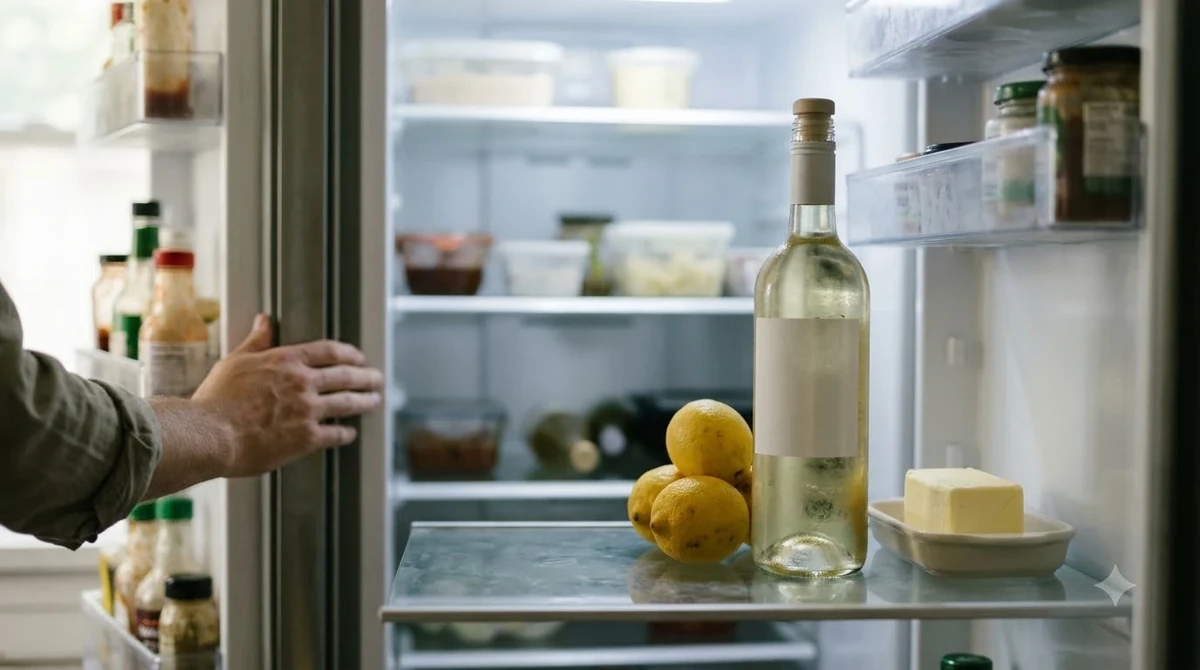
Small details make a noticeable difference. Chill the Aperol and prosecco in the fridge for several hours before serving. Warm bottles produce a flatter, sweeter drink, and cold ingredients stay balanced even as the ice melts.
Use a wine glass if you want a more traditional look and better aroma. Wider glasses hold more ice and suit a relaxed patio drink, while a tall flute gives a fizzier impression but less room for garnish. Cut the orange slice fresh, and rub the peel lightly over the rim if you want stronger citrus scent.
Ice matters more than most people expect. Large, dense cubes melt more slowly than crushed ice, so the drink stays cold and keeps its balance from the first sip to the last. Fill the glass generously before you pour, and top it up once the first half is gone rather than letting the drink warm in a half-empty glass.
Tip: If you batch the drink for a party, mix the Aperol and prosecco in a pitcher without the soda, then add the soda and ice to each glass just before serving. This keeps the bubbles alive for the whole gathering.
Variations on the Classic Recipe
Once you know the basic build, several variations are easy to try. The most popular swaps change the bittersweet base, while keeping the prosecco and soda structure intact.
A bolder version uses a 2-2-1 ratio with equal parts Aperol and prosecco. This makes the drink more bitter and more alcoholic, and it suits people who find the classic version too light. A sparkling dry white wine can replace prosecco, but it should be dry rather than sweet to keep the balance.
For a lighter serve, swap a little of the prosecco for extra soda water. That lowers the alcohol further without changing the overall structure, which suits a long afternoon outdoors when you want to pace yourself.
Other popular alternatives use different bitter liqueurs. Limoncello, elderflower liqueur, and Hugo style spritzes each change the flavor profile in a clear way. If you want to compare these drinks, the Hugo spritz recipe swaps Aperol for elderflower and mint, while the limoncello spritz recipe brings a sweet, lemony finish.
What to Serve With an Aperol Spritz
The aperol spritz belongs to the Italian aperitivo tradition, where a small drink is served before a meal alongside salty and savory snacks. Its bitter edge and fizz cut through rich, fatty foods, which is why it pairs well with a wide range of starters.
Good pairings include olives, salted nuts, prosciutto, arancini, and fried calamari. Lighter bites such as bruschetta, caprese salad, and cured fish also work well. Because the drink is bitter and fizzy, it also suits fried foods, since crisp fritters and fried vegetables cut through the oil in much the same way a dry sparkling wine does. For more ideas on matching drinks with dishes, browse the Wine Recipes & Cocktails section.
Frequently Asked Questions
What is the standard aperol spritz recipe ratio?
The standard ratio is 3-2-1: three parts prosecco, two parts Aperol and one part soda water. In a typical glass that means 75 ml prosecco, 50 ml Aperol and 25 ml soda, served over ice with an orange slice.
How strong is an aperol spritz?
An aperol spritz is a light drink because Aperol itself is only 11 percent alcohol by volume and the soda water dilutes the mix further. It is generally weaker than a cocktail built on spirits, which makes it a popular choice for afternoon or early evening drinking.
Can I use something other than prosecco?
Yes. A dry sparkling white wine or a dry cava can stand in for prosecco. Avoid sweet sparkling wines, because they make the drink heavy and overly sugary. Choose a bottle that is crisp and dry for the most balanced result.
What does an aperol spritz taste like?
The drink tastes bittersweet and bright. Aperol adds orange, rhubarb and herbal notes that are less bitter than Campari. The prosecco adds dryness and fizz, and the soda water keeps the finish light and refreshing.
An aperol spritz recipe is one of the easiest cocktails to master, and the 3-2-1 ratio gives you a reliable starting point. Make the classic version first, then try the variations as you learn which flavors you prefer. For more drink ideas, explore the other spritz recipes listed in the guides above.
More in Food & Wine Pairing
 Risotto With White Wine Recipe: Make a Creamy Dinner at HomeUpdated Nov 20, 2026
 Wassail With Wine Recipe for a Festive Spiced Holiday DrinkUpdated Nov 20, 2026
 Spritz Veneziano Recipe: Make a Classic Venetian Aperitivo at HomeUpdated Nov 20, 2026
 Summer Wine Punch Recipe for Easy Homemade EntertainingUpdated Nov 20, 2026
 Bishop Recipe: How to Make a Bright, Citrus-Forward Red Wine CocktailUpdated Nov 20, 2026
 Wine Cupcakes Recipe: Bake Rich Chocolate Cupcakes at HomeUpdated Nov 20, 2026