

We may earn a commission when you buy through links on this page, at no extra cost to you. Learn more.
The best montepulciano wineries are the estates in the hill town of Montepulciano, in southeast Tuscany, that make Vino Nobile di Montepulciano under the DOCG rules, because those wines follow a strict Sangiovese-based standard. Choosing a winery is easier once you know the difference between the Tuscan town and the Montepulciano grape of Abruzzo, which is a separate wine from another region.
This guide is for travelers and wine buyers who want to visit or buy from estates around Montepulciano without mixing up the two wines that share the name. The sections below are not a list of winners; they compare the kinds of wineries you will find, so you can choose the visit that fits your trip. The Vino Nobile consortium website describes the area as the south-east part of Tuscany, with a wine tradition rooted in the town’s history.
Quick Comparison: Tuscany and Abruzzo
Most confusion comes from the name. The town of Montepulciano sits in Tuscany, where the wine is made mainly from Sangiovese. Montepulciano d’Abruzzo is a different wine from a different region, made from the Montepulciano grape. The table below sets out the differences that matter when you shop or plan a tasting.
| Feature | Vino Nobile di Montepulciano (Tuscany) | Montepulciano d’Abruzzo (Abruzzo) |
|---|---|---|
| Main grape | Sangiovese, locally called Prugnolo gentile, at least 70 percent | Montepulciano grape |
| Region | Vineyards around the town of Montepulciano, southeast Tuscany | Abruzzo, central Italy |
| Minimum ageing | Two years in total, with at least one year in oak | Set by its own DOC rules |
| Top style | Riserva, aged three years | Varies by producer |
Keeping these two apart is the first step in any winery search. A search that returns Abruzzo estates will not help you plan a visit to Tuscany, and the reverse is also true.
Best for a Classic Tuscan Tasting
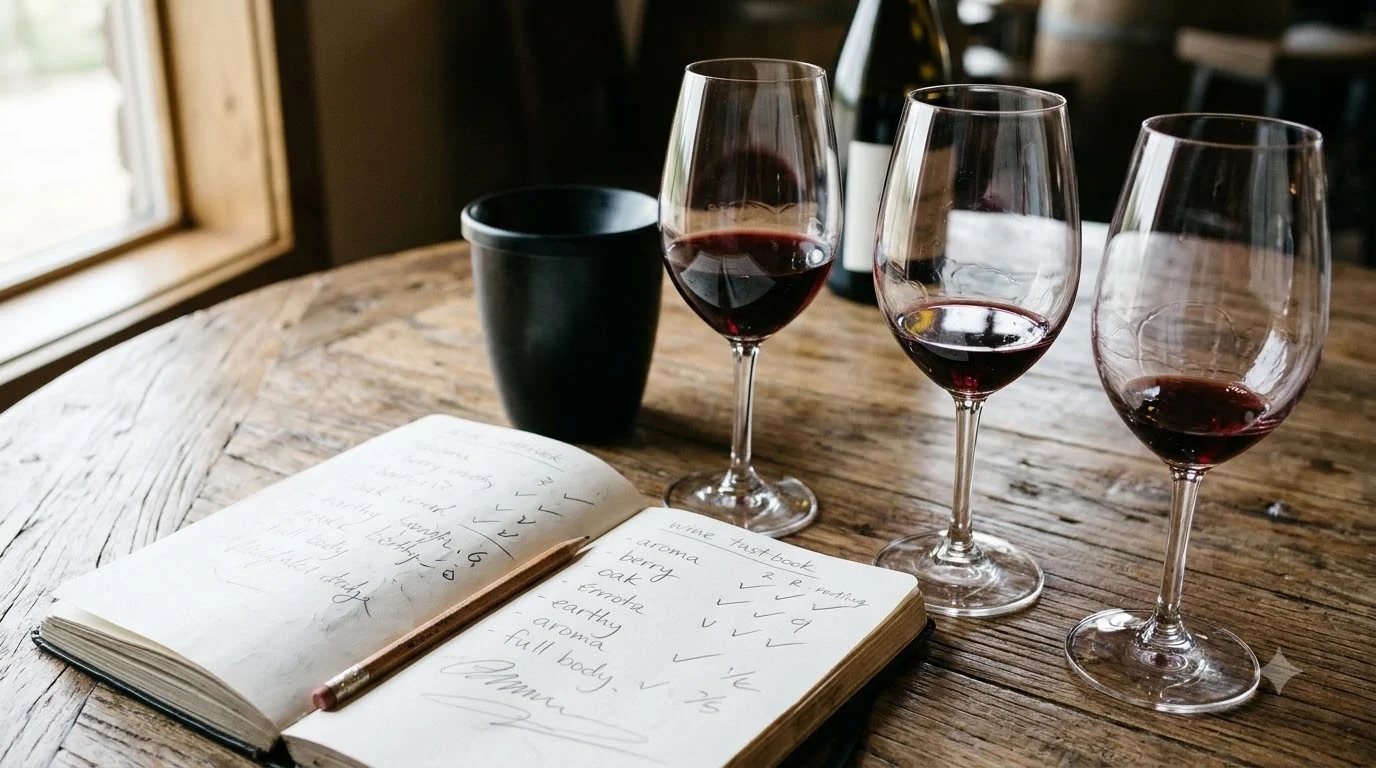
Estates that focus on the standard Nobile are the natural choice for a first visit. Their wines follow the DOCG rules closely, so a tasting gives you a clear reference point for what the appellation is meant to taste like.
Ask the winery to pour the standard Nobile before any reserve. Comparing the two in one sitting shows how extra ageing changes structure, and it helps you decide which style to buy.
Best for Riserva and Aged Bottles
Riserva wines must age for three years, so estates that show older bottles are a good fit for buyers who want a more developed profile. Those wines often show more tertiary character and softer tannins than younger bottles.
Plan a tasting that includes a riserva if you can. Ask the staff for the vintage that is ready to drink and for advice on how long the bottle will keep at home. Storing the bottle on its side in a cool, dark place helps preserve the cork and the wine during the trip home.
Riserva bottles are usually the more expensive choice in a tasting room, and the extra time in barrel and bottle explains much of that difference. Comparing the two in a single tasting makes that price difference easier to judge for your own palate.
Best for Pairing a Visit with Food
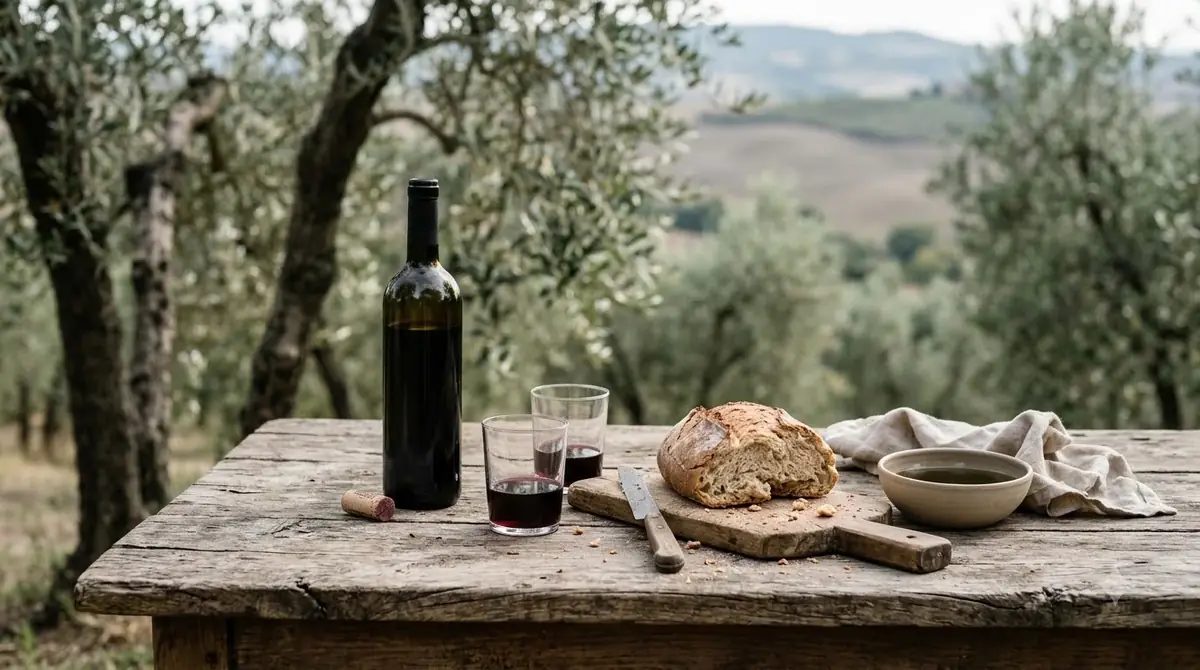
Sangiovese is a food wine, and many estates around Montepulciano build their tastings around local dishes. A winery that offers a light lunch or a plate of cured meats and pecorino gives you a better sense of how the wine works at the table.
Sangiovese’s bright acidity and firm tannins also suit well tomato-based dishes, grilled meats, and wild boar or game, which are common on Tuscan menus. Those foods give the wine something to balance, so the tasting is easier to judge against a real meal.
Pecorino from the surrounding countryside is a classic pairing for Nobile. Ask whether the estate serves its own wine with the food, since that shows the wine in its intended context.
Best for Buyers Who Want to Take Bottles Home
If you plan to buy a case, choose an estate that explains its ageing and vintage clearly. Clear labels and written tasting notes make it easier to match a bottle to the meal you plan at home.
Ask about shipping and import rules for your country before you buy, since rules vary and a bottle purchased in person may need to be shipped separately.
Getting Around the Montepulciano Area
The town sits on a hill, and many wineries are in the surrounding countryside rather than in the old centre. Arriving by car makes it easier to visit more than one estate in a day, though you should plan for narrow roads and limited parking near the historic core, and leave time for the drive between estates.
Some visitors combine two or three estates with a walk through the town. Spacing out tastings gives you time to compare the wines properly, and it keeps the day manageable for travelers who are new to Italian tasting customs.
Many estates have modest opening hours, and some close for a long lunch in the early afternoon. Confirming times by email or phone before you leave the hotel is the simplest way to avoid a wasted trip.
How to Choose a Montepulciano Winery
Use a short set of criteria rather than reputation alone. Start with the style you like, then check whether the estate makes that style well and whether it is open for visits.
- Confirm the wine is Vino Nobile di Montepulciano and not Montepulciano d’Abruzzo, which is a different wine.
- Look for the DOCG designation on the label and the vintage, since those show the wine followed the appellation rules.
- Decide whether you want a standard Nobile, a riserva, or a Rosso di Montepulciano, which is a younger, lighter wine from a similar Sangiovese blend.
- Book ahead when you can, especially in the busy season, and ask whether the tasting includes both standard and riserva wines.
Frequently Asked Questions
What is the difference between Montepulciano wine and Vino Nobile di Montepulciano?
Vino Nobile di Montepulciano is a DOCG wine from the town and surrounding vineyards in Tuscany, made mainly from Sangiovese. Montepulciano d’Abruzzo is a separate wine from Abruzzo, made from the Montepulciano grape.
How long must Vino Nobile age before release?
The DOCG rules require two years of ageing in total, with at least one year in oak barrels. A riserva must age for three years.
Do I need to book a winery visit in advance?
Booking is a good idea, especially during the busy season or when you want a guided tasting. Smaller estates may have limited hours, so confirm the schedule before you travel. Asking whether a reservation is needed for a tasting of two or three wines is a quick way to avoid a closed door on arrival.
Should I compare Montepulciano wineries with other regional guides?
Comparing a Tuscan visit with another wine region can help you plan a trip. For a broader look at wine buying and regional styles, the wine buying hub is a good next step.
Visitors who want a broader view of the region can ask the estate for its own history and its vineyard map, since those documents show where the grapes grow and how the land changes across the hills. A short look at the producers’ pages before the trip makes the tasting conversation richer.
Once you know which Montepulciano you want, the choice of estate becomes a matter of style and schedule. For a comparison with other regional guides, see the Paso Robles winery guide, which shows how a different region approaches its tasting rooms. Enjoy responsibly.
More in Wine Buying Guides
 Riesling Gift: Choose a Bottle They’ll LoveUpdated Nov 21, 2026
 Sweet Red Wine Gift: Choose a Bottle They’ll LoveUpdated Nov 21, 2026
 Malbec Gift: How to Choose a Memorable Bottle for Any OccasionUpdated Nov 21, 2026
 Sherry Gift Ideas That Match Every Wine LoverUpdated Nov 21, 2026
 Moscato Gift: How to Choose a Sweet Wine They’ll LoveUpdated Nov 21, 2026
 Merlot Gift: How to Choose a Bottle They’ll AppreciateUpdated Nov 21, 2026