

We may earn a commission when you buy through links on this page, at no extra cost to you. Learn more.
The best Cayuga Lake wineries are clustered around the lake’s eastern and western shores in New York’s Finger Lakes region, where a cool-climate mix of Riesling, Cabernet Franc and hybrid varieties gives visitors a wide range of styles from dry to dessert wines. The Cayuga Lake American Viticultural Area was established in 1988, and the Cayuga Lake Wine Trail dates to 1981, which makes it one of the earliest wine trails in New York State. This guide compares the main kinds of wineries, explains what shapes the region’s wines, and gives practical steps for planning a visit.
Cayuga Lake is one of the longest of the Finger Lakes, and its wineries range from small family estates to larger tasting rooms with event spaces. The region is easy to explore by car, but the distances between stops are longer than many visitors expect. The sections below help you choose a route, understand the wines you will taste, and avoid the most common planning mistakes.
What Shapes the Wines of Cayuga Lake
The Cayuga Lake AVA covers about 150,000 acres, or roughly 240 square miles, and was established in 1988. When it was designated, the region had 18 vineyards covering about 460 planted acres and eight bonded wineries. The area now has many more producers, and the regional overview lists about 20 wineries today.
The lake and surrounding hillsides create a microclimate that limits frost and extends the growing season to about 165 to 170 days. The soils are mainly shale-based bedrock with deep, well-drained layers that are high in lime. According to the regional overview of the Cayuga Lake AVA, the cool, long season suits aromatic white grapes and cold-hardy varieties, which is why many producers here are known for Riesling and for drier and sweeter whites alike.
Quick Comparison of Visit Styles
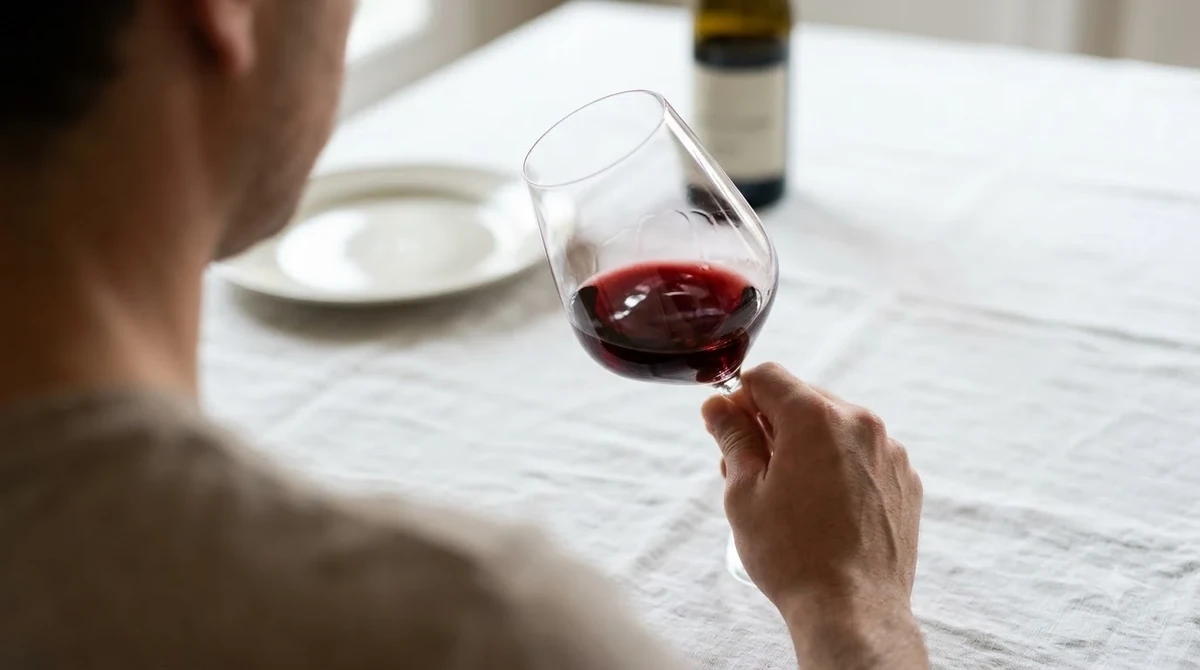
Cayuga Lake wineries differ more in atmosphere than in the basic wines they make. Some are set on hilltop estates with views of the water, while others sit close to the lake and cater to day trippers who want a relaxed stop. The table below compares the three styles you will most often see.
| Visit style | What you will usually find | Good fit for |
|---|---|---|
| Estate wineries with views | Dry and off-dry whites, Riesling and red blends, with outdoor seating | Visitors who want a slow afternoon with a view |
| Historic first-generation vineyards | Long-running estate lineups, often with an award-winning red or dessert wine | Guests who like learning how a family estate developed |
| Larger tasting rooms with events | Broad flight menus, gift shops and personalized labels | Groups, celebrations and visitors who want variety in one stop |
Best for Riesling and Cool-Climate Whites
Riesling is one of the grapes most closely linked to the lake, and it is a natural starting point for a first visit. Cool nights help the grape keep its acidity, so the wines can taste crisp and lively even when they are sweeter in style. Visitors who want to understand the region often begin with a flight of Riesling from dry to semi-dry and compare the difference.
Lucas Vineyards, which describes itself as the first vineyard established on Cayuga Lake, highlights a Semi Dry Riesling among its award-winning wines, along with a Riesling ICED dessert wine and a Vignoles. Those names show how one estate can cover a range of whites within a single tasting. The producer’s own site is a good place to check current releases before you travel, since the lineup changes from year to year.
Best for Red Wines and Blends
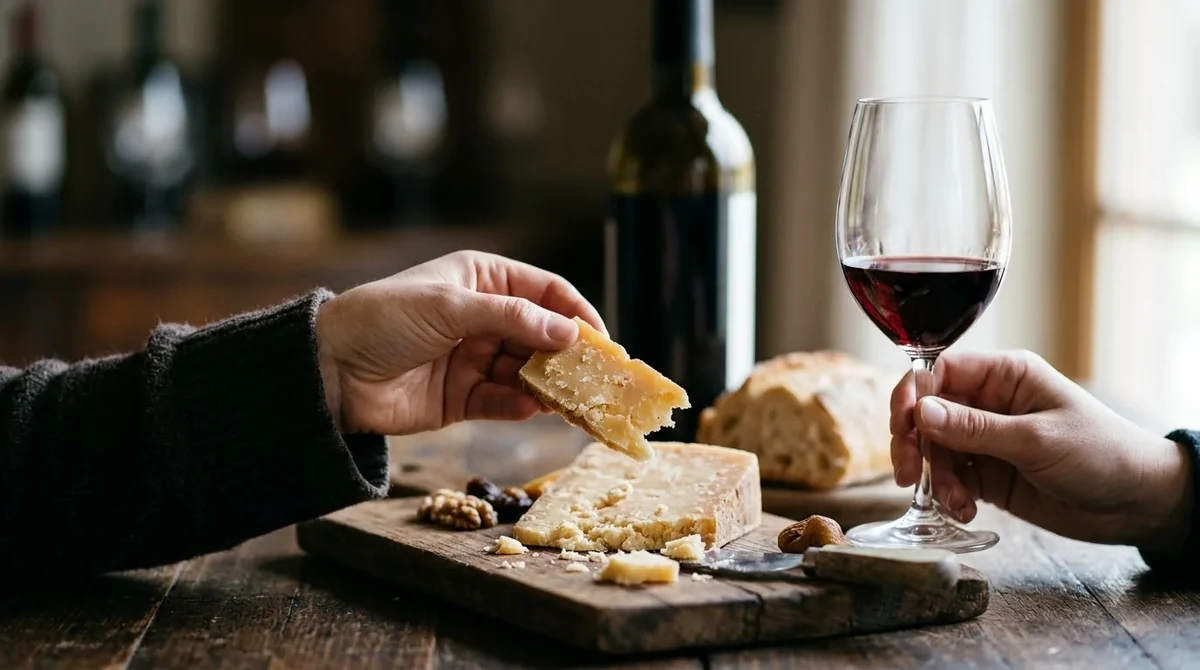
Cayuga Lake is better known for whites, but several producers make respectable reds, and the Cabernet Franc grown here is a particular draw for visitors who want something different. Cabernet Franc tends to show red fruit, herbal notes and firm structure in a cool climate, which makes it a good match for food and a useful contrast with the region’s crisp whites.
Lucas Vineyards names a Cabernet Franc Reserve among its recent award-winning wines, which is one example of how estates here use red varieties to round out their lineups. If you are interested in reds, ask the staff which bottles are made from estate fruit and how long the wine was aged before release. Those details often explain more about the style than the label does.
Best for Dessert and Specialty Wines
Dessert and specialty wines are another reason many people visit the lake. Some producers offer ice-style wines, late-harvest bottlings and fruit wines alongside their dry whites. These are often sold in small quantities, so tasting them on site is one of the best ways to find out whether a style suits you before you buy a full bottle.
Sweeter wines pair well with fruit-based desserts, soft cheeses and spicy dishes. Serve them chilled rather than cold, and pour small amounts so the flavors have room to show. A few tastings of this kind are often enough to shape the rest of the day.
Planning a Day Along the Lake
Cayuga Lake is large, and the wineries are not all packed into one town. A relaxed day usually means picking three or four stops and keeping the drives between them short. The steps below help you build a route that works.
- Pick a starting shore. Choose either the east or west side of the lake and plan stops along one road so you spend more time tasting than driving.
- Check each tasting room’s rules. Policies on walk-ins and reservations vary. Lucas Vineyards, for example, says groups of seven or fewer do not need a reservation, while groups of eight or more should call ahead.
- Plan for the time of day. Many tasting rooms have set last-tasting times, so arrive earlier in the afternoon to avoid being turned away.
- Pace the tastings. Each pour is small, but several in a row add up. Spit or share flights, drink water between stops, and use a designated driver or ride service.
Tip: Ask about private-event dates before you go. Some wineries close early or open late for group bookings, and a quick phone call can save a wasted trip.
How to Choose the Right Winery
The best stop depends on what you want from the day. The table below lists common goals and the kind of winery that tends to fit each one best.
| Your goal | What to look for | Why it helps |
|---|---|---|
| Learn the region’s core style | Riesling flights from dry to sweet | You can compare how sweetness changes the same grape |
| Find a red wine | Estates that make Cabernet Franc or red blends | A focused search keeps the tasting day efficient |
| Enjoy the view | Hilltop estates with outdoor seating | You can linger longer and taste at a slower pace |
| Bring a group | Larger rooms with events and a broad menu | Mixed tastes are easier to satisfy in one place |
If you want to compare the lake with other destinations, the Seneca Lake winery picks cover the neighboring Finger Lakes region, and the Keuka Lake winery guide shows how a smaller lake shapes its own style. For background on reading labels and matching wine to food, the wine-buying guide is a useful next step.
Frequently Asked Questions
What is the Cayuga Lake wine region known for?
The region is best known for cool-climate whites, especially Riesling, and for a range of dry and sweet styles. Cabernet Franc and dessert wines are also part of the local identity.
Do I need reservations for Cayuga Lake wineries?
It depends on the winery. Some tasting rooms welcome walk-ins, while others ask larger groups to book ahead. Check each producer’s current policy before you plan your route.
Is Cayuga Lake a good choice for a first wine trip?
Yes, because the region has a long history of wine tourism, and the wineries offer clear tasting menus. Start with a Riesling flight at one or two stops to learn the region’s style.
How many wineries should I visit in one day?
Three or four stops is a comfortable pace. Fewer stops leave time to relax, and more can make the drives long and the tastings hard to keep track of.
Cayuga Lake rewards visitors who plan a few focused stops and taste across the range from dry whites to sweet and specialty wines. Confirm each winery’s hours and reservation rules, choose one shore to explore, and build the day around the styles you want to remember. A relaxed route along the water often makes a better trip than trying to see everything at once.
More in Wine Buying Guides
 Riesling Gift: Choose a Bottle They’ll LoveUpdated Nov 21, 2026
 Sweet Red Wine Gift: Choose a Bottle They’ll LoveUpdated Nov 21, 2026
 Malbec Gift: How to Choose a Memorable Bottle for Any OccasionUpdated Nov 21, 2026
 Sherry Gift Ideas That Match Every Wine LoverUpdated Nov 21, 2026
 Moscato Gift: How to Choose a Sweet Wine They’ll LoveUpdated Nov 21, 2026
 Merlot Gift: How to Choose a Bottle They’ll AppreciateUpdated Nov 21, 2026