

We may earn a commission when you buy through links on this page, at no extra cost to you. Learn more.
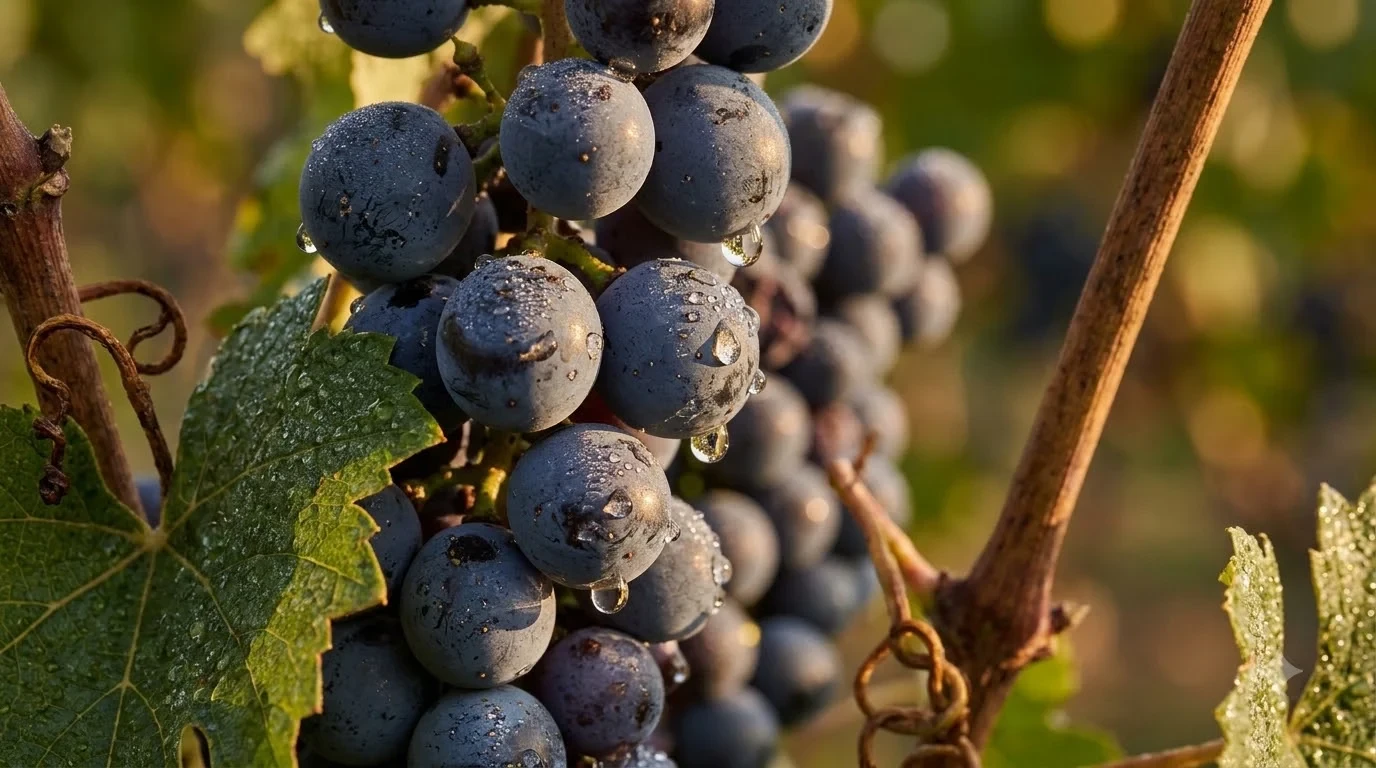
A Côtes du Rhône is not made from one cotes du rhone grape. It is a French appellation, and its wines are blends of several varieties, with Grenache usually leading the reds and Clairette or Grenache blanc often leading the whites. The appellation covers red, white, and rosé wines from across the Rhône region, so the grapes on the label depend on the producer and the style. Knowing the main varieties makes it easier to predict how a bottle will taste.
People searching for “cotes du rhone grape” usually want to know which grape they are drinking. The short answer is that the appellation allows a list of grapes rather than a single variety. This guide explains the grapes that show up most often, how they change the flavor of the wine, and how to pick a bottle that suits your table.
What the Côtes du Rhône Appellation Actually Covers
The Côtes du Rhône is a basic AOC, which means it sits at the broad end of the Rhône classification and includes wines from many villages and vineyards. According to the Côtes du Rhône entry on Wikipedia, the area covers about 83,839 hectares of vineyard spread across 171 communes in six departments. Wines must reach at least 11% alcohol, and the average permitted yield is 52 hectoliters per hectare.
Because the area is so large, the style of wine varies a lot. Reds from the southern part of the region are usually full-bodied with smooth tannins. Reds from the northern sector are more often led by Syrah. Whites range from dry and citrusy to fuller and rounder. This variety is the reason a single cotes du rhone grape answer does not exist, and it is also why many bottles offer good value.
The Red and Rosé Grapes
For red and rosé wines, the appellation permits Grenache noir, Syrah, Cinsault, Carignan, Counoise, and Mourvèdre. Grenache is the backbone of most southern blends, and the rules require reds south of Montélimar to contain at least 40% Grenache. Rosés may include up to 20% white varieties in the blend.
Each grape brings its own character. Grenache adds ripe red fruit and a soft, generous texture. Syrah contributes dark fruit, peppery spice, and structure. Mourvèdre adds savory, earthy notes and firmer tannins. Cinsault lightens the wine and makes it easier to drink, which is why it appears often in rosé. Carignan and Counoise add acidity and a bit of herbal lift. A typical bottle from the southern valley will show a mix of these, while a northern bottle will usually lean on Syrah.
The White Grapes in Côtes du Rhône Blends
White Côtes du Rhône wines are blended from a list of grapes that includes Clairette, Grenache blanc, Marsanne, Roussanne, Bourboulenc, and Viognier. The regulations require at least 80% from this main group. Ugni blanc and Picpoul blanc can appear as secondary varieties.
The result is usually a dry white with a light body. Grenache blanc tends to give a round, pear-like softness, while Clairette adds freshness and a slightly floral edge. Marsanne and Roussanne build texture, and Viognier can add perfume. Because the white blends are often made for everyday drinking, they are a good choice for a lunch or a relaxed evening with simple food.
| Grape | Color | What it adds | Typical role in the blend |
|---|---|---|---|
| Grenache noir | Red and rosé | Ripe red fruit, soft texture | Main grape in southern reds |
| Syrah | Red | Dark fruit, pepper, structure | Leads northern reds |
| Mourvèdre | Red | Savory notes, firm tannins | Supporting grape for depth |
| Cinsault | Red and rosé | Light body, easy drinking | Softens the blend |
| Clairette | White | Freshness, floral lift | Often the lead white grape |
| Grenache blanc | White | Round, pear-like softness | Adds body to whites |
| Viognier | White | Perfume and stone fruit | Adds aroma to whites |
How the Grapes Shape Flavor and Serving
The grape mix changes how you should serve the wine. Red Côtes du Rhône blends with a good deal of Grenache are fairly generous and can be served slightly cool, around 60 to 68 degrees Fahrenheit, which is the range that Wine Folly’s Grenache guide recommends. A bottle with more Syrah or Mourvèdre benefits from a short decant, which opens the aromas and softens the tannins.
Whites are best served chilled but not ice cold. Between 45 and 55 degrees Fahrenheit keeps the aromas present without numbing the palate. Rosés are usually served the coolest of the three, and they taste best within a year or two of the vintage.
Tip: If the label only says “Côtes du Rhône” with no village name, the wine comes from the broad appellation. Check the back label or the producer’s website to see which grapes went into the blend and what share each one has.
Food Pairing for Côtes du Rhône Wines
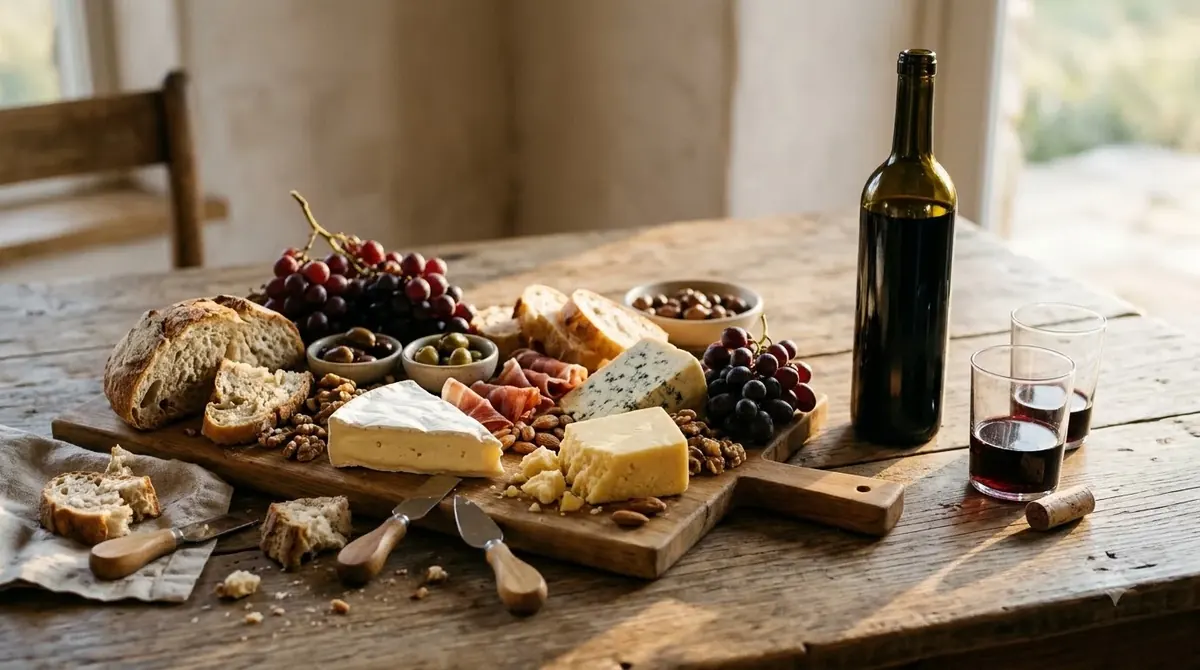
Because the blends are versatile, they pair with a wide range of dishes. Grenache-based reds go well with roasted chicken, grilled sausages, and dishes flavored with herbes de Provence. Syrah-led reds handle lamb, stews, and mushroom dishes. Whites from Clairette and Grenache blanc suit shellfish, herb-roasted fish, and soft cheeses. Rosés work with picnic food, charcuterie, and vegetable dishes that have a little spice.
For a simple match, think about the weight of the wine rather than its label. A lighter Cinsault-rich red works with a salad and cheese board, while a richer, Mourvèdre-heavy blend stands up to slow-cooked beef. Anyone who wants more ideas can start with the Wine by Type guide, which groups wines by style and body.
The same logic applies to regional food. Dishes from the Rhône Valley often combine olives, garlic, tomatoes, and dried herbs, and a Grenache-led red picks up those flavors without fighting them. Lighter whites can match the same ingredients in fish or vegetable preparations. When in doubt, pair a bottle with a dish from the same part of the world, because the wines and the food often evolved together.
How to Choose a Côtes du Rhône Bottle
Start with the color and the style you want. If you like fresh, juicy reds, look for a bottle where Grenache is listed first or where the back label mentions red fruit. If you want something deeper, look for a higher share of Syrah or Mourvèdre, or for a village name on the label. For whites, a Clairette or Grenache blanc blend will usually be crisp and easy to drink.
Price is not a reliable guide to quality in this appellation, because the broad region has many modest, well-made wines. Read the producer’s description and the vintage, and pick a style that matches your meal. If you enjoy comparing grapes in general, the guide to fiano grape shows how a single-variety white can differ from a blend, and the page on nero d avola grape explains another Mediterranean red that is often compared with Grenache-based wines.
Frequently Asked Questions
Is Côtes du Rhône a grape?
No. Côtes du Rhône is an appellation, which is a legal name for a wine region with set rules. The wine is a blend of permitted grapes, so the label does not name one variety.
Which grape is most important in a Côtes du Rhône red?
Grenache is the most common lead grape in southern reds, and the rules require at least 40% Grenache in reds south of Montélimar. Northern reds are more often led by Syrah.
Are Côtes du Rhône wines dry?
Most Côtes du Rhône reds, whites, and rosés are dry. Sweetness is not a typical feature of the appellation, so check the producer’s description if you want a softer style.
How long should I keep a Côtes du Rhône?
Most everyday bottles are meant to be drunk within a few years of the vintage. Richer, Mourvèdre-heavy reds from good years can improve for longer, but the best approach is to follow the producer’s advice on the back label.
Once you know which grapes are in the blend, choosing a Côtes du Rhône becomes much simpler. Look at the style, match it to your meal, and treat the grape list as your guide. The wine is meant to be enjoyed with food, so pick the bottle that fits the table in front of you.
More in Wine Types & Grapes
 Zinfandel Sugar Content: Dry Red vs. White Zinfandel GramsUpdated Nov 21, 2026
 Best Zinfandel Substitute Options for Sipping and CookingUpdated Nov 21, 2026
 Zweigelt Food Pairing: Best Dishes, Cheeses, and Serving TipsUpdated Nov 21, 2026
 Zinfandel Tannins Explained: How Structure Shapes Every BottleUpdated Nov 21, 2026
 Zinfandel Sweetness Level: Dry Red vs. Sweet White Zin ExplainedUpdated Nov 21, 2026
 Xinomavro Food Pairing: Best Dishes, Styles, and Serving TipsUpdated Nov 21, 2026