

We may earn a commission when you buy through links on this page, at no extra cost to you. Learn more.
The best wine for fall is a medium- to full-bodied red, such as Merlot, Syrah, or Pinot Noir, with an oaked Chardonnay as the strongest white for the season. Autumn meals lean toward roasted meats, stews, mushrooms, squash, and rich sauces. Those dishes have enough fat, spice, and savory depth to stand up to wines with more body and structure. Crisp, light whites and rosés still have a place at the table, but they tend to suit warmer weather better.
Fall changes what most people want from a glass. Cooler evenings and heavier plates make the lighter styles that suit summer patios feel thin, while wines with more weight, warmth, and savory character feel balanced. This guide covers which styles fit the season, how to match them to food, and how to serve them so the flavors come through.
What Makes a Wine Suit Fall
Three factors do most of the work when matching a wine to the season: body, tannin, and serving temperature. Each one changes how a bottle feels next to a plate of food, and each one can be checked before a bottle is opened.
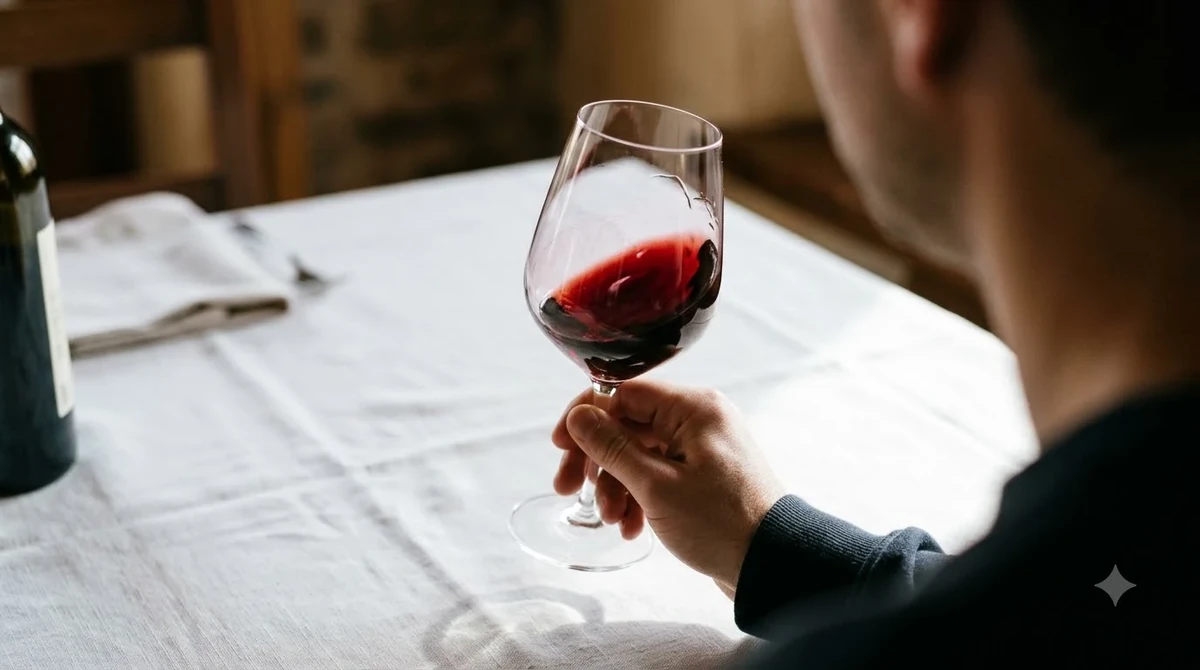
Body describes how heavy a wine feels in the mouth, and alcohol content is the main driver. VinePair’s wine body guide sorts wines into light-bodied (under 12.5% alcohol), medium-bodied (12.5% to 13.5%), and full-bodied (over 13.5%). The full-bodied examples named in that guide include Zinfandel, Syrah or Shiraz, Cabernet, Merlot, and Malbec, with Chardonnay cited as the full-bodied white. These wines hold up well to the richer flavors of cold-weather cooking.
Tannin is the drying sensation in red wine that comes from grape skins, seeds, and oak. Tannin pairs well with fatty meats because it cleans the palate between bites, which is one reason fuller reds are a natural fit for roasts and braises. Oak adds vanilla, toast, and baking spice notes that echo the flavors of autumn cooking, so oak-aged styles often feel seasonal even when the grape is the same as in summer.
Serving temperature is the third factor, and it is the one most people overlook. A red served too warm can taste hot and flat, while a red served too cold can taste sharp and closed. A white served too cold can lose the aromas that make an oaked style interesting. Getting the temperature right does as much for the match as the choice of grape.
Quick Comparison of Fall Styles
The table below compares the styles that appear most often on autumn tables. Serving ranges follow the sources cited later in this guide, so treat them as starting points rather than fixed rules.
| Style | Typical body | Flavors that suit fall | Serving range |
|---|---|---|---|
| Merlot | Medium to full | Plum, cocoa, soft tannin | About 60 to 65°F |
| Syrah / Shiraz | Full | Black pepper, dark berry, smoke | About 60 to 68°F |
| Pinot Noir | Light to medium | Cherry, earth, mushroom notes | About 55 to 60°F |
| Oaked Chardonnay | Full (white) | Baked apple, vanilla, toast | About 50 to 55°F |
Best for Roasted Meats and Stews
Roast chicken, pork shoulder, and beef stew are the classic fall dinners, and they pair best with wines that carry real structure. Syrah and Shiraz bring peppery spice and dark fruit that suit slow-cooked dishes, and their fuller body can keep up with a crust or a long braise. Merlot is a softer choice, with plum and cocoa notes and gentler tannin that work well with roast chicken or a mushroom gravy.
Cabernet and Malbec also belong in this group, but they can overwhelm delicate dishes. The practical rule is to match the weight of the wine to the weight of the plate. A bright red with good acidity can handle a sauce built on butter and cream, while a bold red suits meat with a char or a heavy spice rub. When a meal is built around a delicate fish or a light salad, a fuller red is usually too much, and a lighter style makes more sense.
Best for Mushroom and Earthy Dishes
Mushroom risotto, lentil soup, and roasted root vegetables call for a wine that is less heavy than the big reds but still has depth. Pinot Noir is the usual pick. Its light to medium body and bright acidity keep the dish from feeling heavy, and its cherry and earth notes echo the mushrooms and roasted vegetables on the plate.
Lighter Pinot Noirs suit dishes with herbs, grains, and roasted squash. Gamay, the grape of Beaujolais, works in a similar way. VinePair describes it as a light-bodied red with high acidity and low tannin, which makes it easy to serve slightly chilled with roast turkey, a harvest salad, or a plate of sausages and apples. It is a useful choice for a table that wants a red without the weight of a Cabernet.
Best White for Cooler Nights
An oaked Chardonnay is the strongest white for fall because it has the body and texture to match roasted poultry, cream sauces, and squash. Oak aging adds baked apple, vanilla, and toasted notes that suit the season, and the fuller texture stands up to dishes that would overwhelm a crisp white.
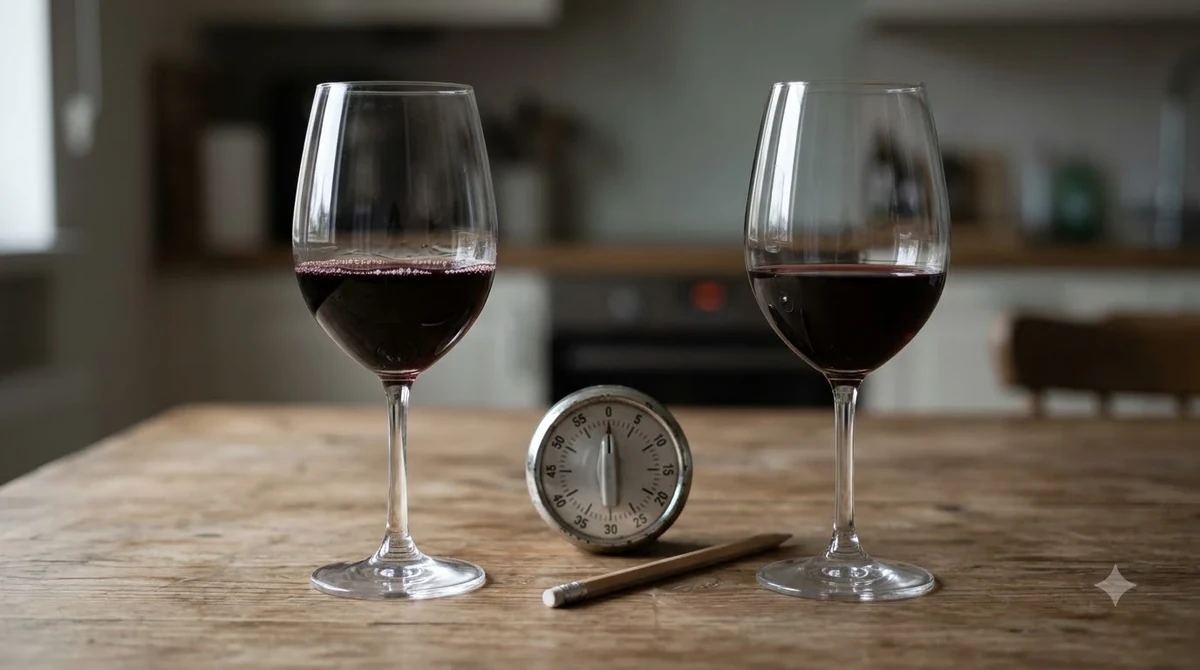
VinePair notes that fuller whites, including oaked Chardonnay, are better served toward the warmer end of the white-wine range, because over-chilling can mute the aromas that make these bottles worth opening. Crisp, unoaked whites such as Sauvignon Blanc belong to the warmer months, and they can seem thin beside a braised dish or a pan of roasted vegetables.
Serving Fall Wines at the Right Temperature
Serving temperature changes how much flavor a wine shows. Wine Folly’s serving temperature guide suggests red wine at 62 to 68°F in general, with light and medium reds at 55 to 60°F and bold reds at 60 to 68°F. For white wine, the same guide suggests 49 to 55°F, and it says light-bodied whites are best colder, at 38 to 45°F.
Fuller reds often benefit from a short chill. VinePair’s temperature guide recommends putting medium to full-bodied reds in the fridge for about an hour, or in the freezer for about 15 minutes, before serving. The aim is to bring a red from room temperature to the cool end of its range, not to serve it ice cold. Wine Folly also notes that storage temperature in a fridge can leave reds tasting flat, so a bottle kept cold for a long time may need a few minutes to open up.
Tip: If a red smells strongly of alcohol when it is poured, it may be too warm. Give it a few minutes in the glass or a short chill in the fridge, then smell it again.
How to Choose a Fall Bottle
Start with the dish, then pick the body. A short checklist helps when standing in a shop aisle with a dinner plan in mind.
- Choose a full-bodied red such as Syrah, Merlot, or Cabernet for roasts, braises, and grilled meats.
- Choose a light or medium red such as Pinot Noir for mushroom dishes, lentils, and roast poultry.
- Choose an oaked Chardonnay for creamy sauces, roasted white meat, and squash.
- Check the label for the alcohol percentage, since it is the clearest signal of how heavy a wine will feel.
The alcohol percentage gives a useful clue about body. Under about 12.5% usually means lighter, and over about 13.5% usually means fuller. That is a rule of thumb rather than a guarantee, because oak, tannin, and fruit also shape how a wine feels. A bottle that reads as fuller on paper may still taste bright if it has high acidity, so a short conversation with a shop staff member can help when a label is unclear.
Frequently Asked Questions
Is red or white the better fall wine?
Red wine suits most fall meals because its body and tannin hold up to roasted and braised dishes. Oaked Chardonnay is the best white choice for the season, especially with roast chicken, pork, or creamy sauces.
Should fall red wine be served chilled?
Most fall reds are served slightly cool rather than chilled. Light and medium reds are best around 55 to 60°F, and bold reds at 60 to 68°F. A short fridge chill can help a fuller red that tastes warm or heavy.
What is a good fall wine for Thanksgiving?
Pinot Noir is a common choice because its light to medium body and bright acidity work with turkey, stuffing, and cranberry sauce. An oaked Chardonnay also suits the meal, particularly if the table includes creamy sides or roasted squash.
Can a fall wine be served in summer?
Yes. Styles like Merlot and Syrah can be served a little cooler in warm weather. Fuller reds can feel heavy on a hot day, so many people choose a lighter red such as Pinot Noir in summer and save the bolder bottles for cooler evenings.
Autumn is also harvest season in many wine regions, so a trip can line up with the vineyard calendar. Readers who want to plan a visit can compare regions in the guide to best Paso Robles wineries, or start with the basics in wine buying. For cool-weather meals, the simplest rule is to match the body of the wine to the dish and serve the bottle at the right temperature.
More in Wine Buying Guides
 Riesling Gift: Choose a Bottle They’ll LoveUpdated Nov 21, 2026
 Sweet Red Wine Gift: Choose a Bottle They’ll LoveUpdated Nov 21, 2026
 Malbec Gift: How to Choose a Memorable Bottle for Any OccasionUpdated Nov 21, 2026
 Sherry Gift Ideas That Match Every Wine LoverUpdated Nov 21, 2026
 Moscato Gift: How to Choose a Sweet Wine They’ll LoveUpdated Nov 21, 2026
 Merlot Gift: How to Choose a Bottle They’ll AppreciateUpdated Nov 21, 2026