

We may earn a commission when you buy through links on this page, at no extra cost to you. Learn more.
The best Carmel Valley wineries are spread along the valley floor and up its higher slopes, where Bordeaux varieties such as Cabernet Sauvignon and Merlot lead the vineyards and tasting rooms serve visitors who want structured reds and a relaxed day in wine country. The valley was formally recognized as an American Viticultural Area in 1983, and its warm days, cool nights and elevated sites give its wines a character that is easy to notice side by side. This guide explains what sets the region apart, how the wineries differ, and how to plan a visit that fits your taste.
Carmel Valley is a smaller wine region than Napa Valley, so a day of tastings is easy to plan. The list of options is short enough to compare without a spreadsheet, yet varied enough that two visitors can leave with very different impressions. The sections below cover the region itself, a quick comparison of visit styles, the kinds of wineries worth seeking out, and practical steps for the trip.
What Sets Carmel Valley Apart
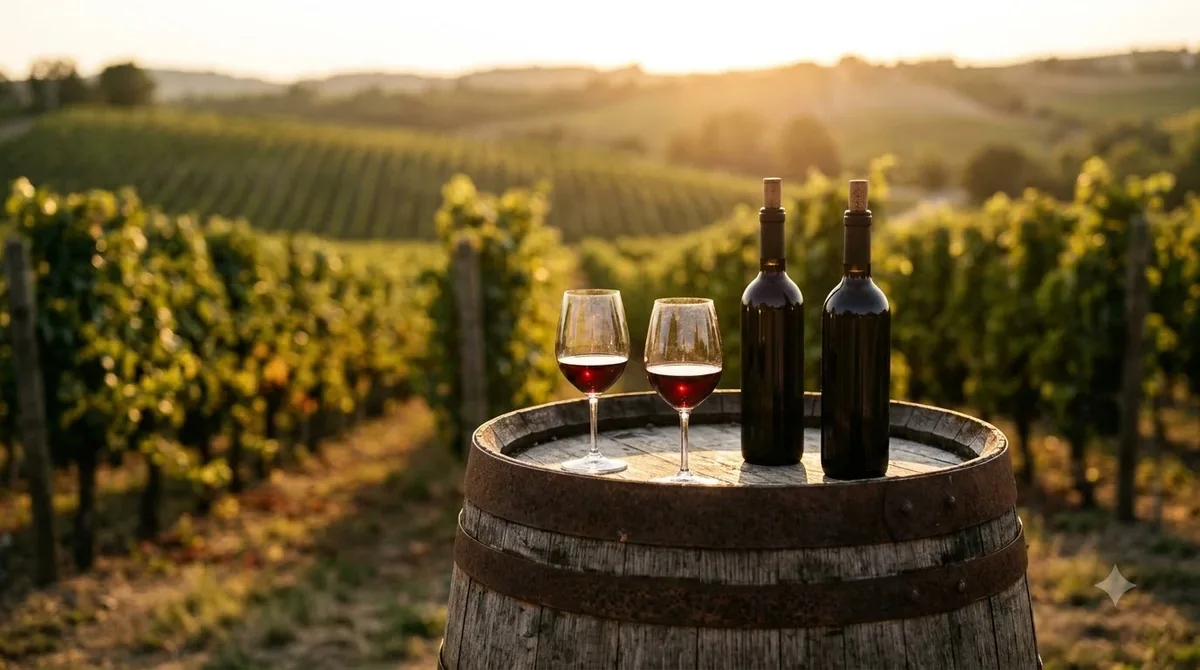
The region covers about 19,200 acres, or roughly 30 square miles, and only around 300 acres are planted to grapes. Vineyards sit between about 203 and 2,762 feet above sea level, and most are at 1,000 feet or higher. According to the regional overview of the Carmel Valley AVA, the higher sites stay above much of the marine fog that blankets the Salinas Valley, so they receive more sunshine.
That elevation also produces a wide daily temperature swing. Summer afternoons can reach the 100s°F, while nights can drop into the 30s and 40s°F. Annual rainfall is typically between 16.5 and 22.5 inches. The combination gives growers a long, warm season for red varieties and enough cool air at night to keep acidity in the wines.
Quick Comparison of Visit Styles
Not every winery offers the same experience. Some are easy to reach and built for walk-in tastings, while others are higher up the hills and suit guests who plan a longer visit. The table below compares the three main styles visitors will run into.
| Visit style | What you will usually find | Good fit for |
|---|---|---|
| Estate tasting rooms along the valley road | Chardonnay, Pinot Noir and Cabernet Sauvignon flights, with estate and limited releases | First-time visitors who want an easy, well-organized tasting |
| Higher-elevation mountain estates | Bordeaux-style reds, especially Cabernet Sauvignon and Merlot | Guests who enjoy structured, age-worthy red wines |
| Small-production and single-vineyard labels | Limited bottlings tied to a particular vineyard block | Buyers who want wines that are hard to find on a store shelf |
Best for Structured Red Wines
If you come to Carmel Valley for red wine, the region’s identity is easy to read. Cabernet Sauvignon and Merlot account for more than 70 percent of the grapes grown here, which is a strong signal of where the valley’s strengths lie. Those varieties do well on the high, sunny benches, and the cooler nights help them hold their freshness.
Bernardus, a producer with a tasting room at 5 West Carmel Valley Road, lists Chardonnay, Pinot Noir and Cabernet Sauvignon among its core wines and describes its portfolio as including estate and limited-production releases. The producer’s own site is a useful first stop for seeing current bottlings and hours, and it shows how many Carmel Valley estates build their lineups around a few core varieties rather than a long list of styles.
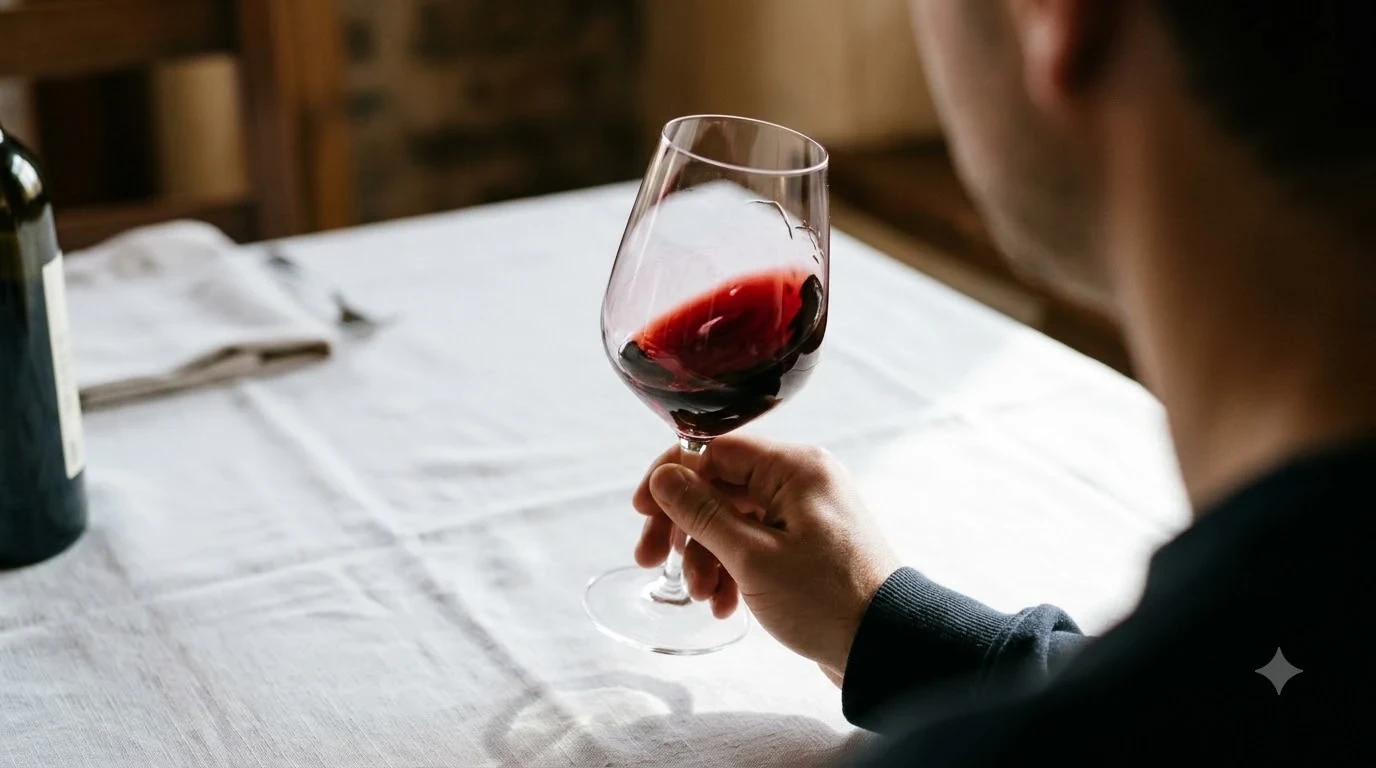
When you taste reds here, look for weight and structure rather than sweetness. Many visitors find that a mountain Cabernet tastes firmer and more tannic than a similar bottle from a warmer, flatter site. Tasting that difference side by side is one of the best reasons to spend time in the valley.
Best for Variety in a Single Day
Carmel Valley is compact, and several tasting rooms are close enough to visit in one afternoon. The regional overview names a long list of wineries with tasting rooms, including Bernardus, Boëté, Boekenoogen, Chateau Sinnet, Folktale Winery and Vineyards, Galante, Georis, Joyce Vineyards, Holman Ranch, Joullian Vineyards, Massa Estate, which was formerly known as Heller Estate and Durney Vineyards, and Talbott.
A practical approach is to pick three or four stops that offer different styles. One might focus on the red wines of the mountain estates, another on a lighter white or rosé, and a third on a small-production label you cannot find elsewhere. Because the list is long, it helps to decide before you leave whether you want a broad sampler or a deeper look at one or two producers.
Many visitors also bring a simple note to each tasting: the grape, the approximate style, and one word on how the wine felt. Writing down two or three lines per stop makes it easier to compare wines later, especially when several reds taste similar at first. Staff at most rooms are glad to explain how a bottle was made, and that conversation often shapes the choice more than the label alone.
How to Plan a Visit
A good Carmel Valley day rewards a little planning. Summer heat can make a long drive between stops uncomfortable, and many tasting rooms set their own hours and reservation rules. The steps below help keep the day smooth.
- Check hours and reservations. Tasting rooms change their schedules, and some require appointments, especially on weekends.
- Group your stops. Choose wineries that are near each other along the valley road so you spend more time tasting and less time driving.
- Plan for the weather. Summer afternoons can run hot, so an earlier start helps. Bring water and light clothing for the vineyards.
- Keep tastings modest. Pour sizes are small, but several in a row add up. Use a designated driver or a ride service, and drink responsibly.
Tip: Ask for the winery’s current release list when you arrive. Limited bottlings can sell out, and the staff can point you to the wines that best match what you liked in the tasting.
How to Choose the Right Winery
Picking a winery is easier when you start with what you want from the visit. The table below lists the questions that matter most and how they tend to shape the choice.
| Question | If the answer is yes | Look for |
|---|---|---|
| Do you want big, structured reds? | Focus on mountain estates and Bordeaux varieties | Cabernet Sauvignon and Merlot flights |
| Are you visiting with a mixed group? | Choose a tasting room with a broad lineup | White, rosé and red options in one stop |
| Do you want something unusual? | Seek out small-production labels | Single-vineyard or limited releases |
| Is this your first visit? | Pick an easy, well-organized tasting room | Guided flights and staff recommendations |
For a broader comparison of wine regions and how they differ, the wine-buying guide explains how to read labels and choose by style. If you are also considering another destination, the Napa Valley winery picks show how a larger region organizes its tasting rooms and price tiers, which makes the contrast with Carmel Valley easy to see.
Frequently Asked Questions
What grape is most planted in Carmel Valley?
Bordeaux varieties lead the region, especially Cabernet Sauvignon and Merlot, which together make up more than 70 percent of the grapes grown there. Chardonnay, Syrah, Zinfandel and Pinot Noir are also planted.
Do I need a reservation to visit Carmel Valley wineries?
It depends on the winery. Some tasting rooms accept walk-ins, while others require appointments, especially on weekends. Check each winery’s current policy before you plan a route.
Is Carmel Valley a good choice for a first wine trip?
Yes, because the valley is compact and the tasting rooms are easy to group into a single afternoon. Choose two or three stops with different styles so you can compare what you like.
Is it too hot to visit in summer?
Summer afternoons can reach the 100s°F, so many visitors start early and schedule their last stop before the hottest part of the day. Bring water and plan breaks between tastings.
Carmel Valley rewards visitors who plan a few stops and enjoy red wine with structure. Start with the regional overview and the producer sites linked above, confirm hours before you leave, and build your route around the styles you want to taste. A short, focused day here often leaves a stronger impression than a longer, scattered one.
More in Wine Buying Guides
 Riesling Gift: Choose a Bottle They’ll LoveUpdated Nov 21, 2026
 Sweet Red Wine Gift: Choose a Bottle They’ll LoveUpdated Nov 21, 2026
 Malbec Gift: How to Choose a Memorable Bottle for Any OccasionUpdated Nov 21, 2026
 Sherry Gift Ideas That Match Every Wine LoverUpdated Nov 21, 2026
 Moscato Gift: How to Choose a Sweet Wine They’ll LoveUpdated Nov 21, 2026
 Merlot Gift: How to Choose a Bottle They’ll AppreciateUpdated Nov 21, 2026