

We may earn a commission when you buy through links on this page, at no extra cost to you. Learn more.
The best Champagne brands depend on whether you want a large, consistent house style, a grower Champagne with a farm-level character, or a prestige cuvée for a special occasion. Champagne is made only in the Champagne region of France, and the producers fall into a few types, from houses that buy grapes to growers that make wine from their own vines. This guide explains those categories, shows which styles and sweetness levels to look for, and names several long-established houses as examples without ranking them.
Choosing Champagne can feel more complicated than choosing other sparkling wine, because the label tells you a lot if you know how to read it. The letters on the bottle reveal who made the wine, the sweetness level is printed in a standard set of terms, and the grape blend changes the flavor more than most buyers expect. The sections below walk through those details first, then group producers by what they are good for, so you can build a shortlist around the bottle you have in mind.
Quick Comparison: Types of Champagne Producer
Most Champagne sold in shops comes from one of a few producer types. The table below summarizes how each type works and the kind of bottle it tends to suit.
| Producer code | What it means | Good fit for |
|---|---|---|
| NM (négociant manipulant) | A company that buys grapes and makes the wine, including most of the larger brands | Shoppers who want a consistent house style from bottle to bottle |
| RM (récoltant manipulant) | Grower Champagne, made from the producer’s own grapes, with at most 5% bought in | Drinkers who want a more personal, site-driven character |
| CM (coopérative de manipulation) | A cooperative that pools members’ grapes and makes the wine together | Buyers interested in regional, collective winemaking |
| MA (marque d’acheteur) | A brand owned by someone else, such as a supermarket or retailer | Shoppers who want a private-label bottle |
Best for Consistent House Style: Long-Established Houses
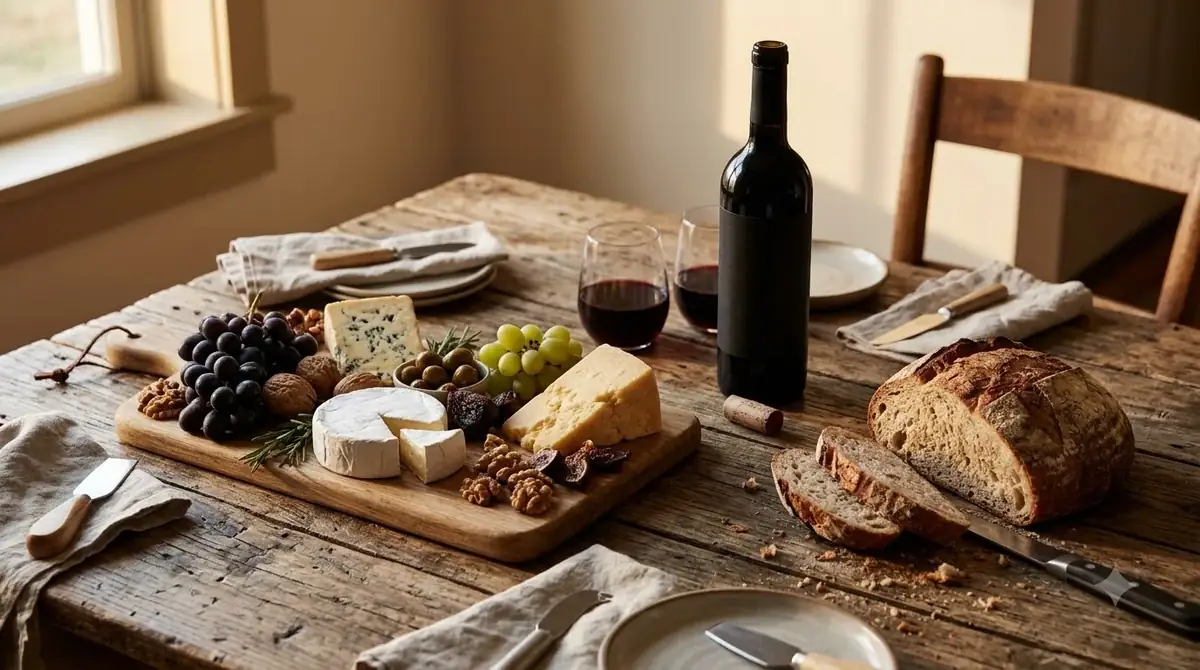
The large houses are the Champagne names most people recognize. According to the Champagne entry on Wikipedia, there are more than 100 Champagne houses. Several of the most familiar ones have long histories: Ruinart, founded in 1729, is described as the oldest still-active house, while Moët & Chandon dates to 1743, Veuve Clicquot to 1772 and Louis Roederer to 1776.
Houses of this kind usually aim for a recognizable style across their range. That consistency is useful if you want to buy the same bottle for a celebration or host guests who know what they like. Within the same house, the non-vintage bottling is typically the most widely available, while vintage and prestige bottlings are made in smaller quantities.
Best for Grower Character: Grower Champagne
Grower Champagne, marked RM on the label, comes from producers who grow their own grapes and make their own wine. Champagne’s grower-producers, called vignerons, number about 19,000 according to the same reference, and they manage a large share of the region’s vineyard area. The style is often more closely tied to a particular village, vineyard or soil type than a house blend.
Growers suit drinkers who want to taste a specific place. Because each estate works its own vines, the character can change noticeably between producers, so it pays to read the back label and the producer’s notes before buying.
Best for Prestige Occasions: Famous Cuvées
Some houses release prestige cuvées, which are top-tier bottlings made to represent the house at its most ambitious. Reference material lists Dom Pérignon from Moët & Chandon, Cristal from Louis Roederer and Winston Churchill from Pol Roger as prominent examples. These bottles are usually chosen for milestones and gifts, and they tend to carry higher prices than a standard non-vintage bottle.
When buying a prestige cuvée, focus on the vintage year and the producer’s description rather than the name alone. A special bottle is most rewarding when you know what to expect from it and when you plan to drink it.
Best for Blends and Chardonnay Lovers: Blanc de Blancs and Blanc de Noirs
Champagne is built on three main grapes: Pinot noir, Pinot meunier and Chardonnay make up almost all of the wine. Pinot noir and Pinot meunier give body and structure, while Chardonnay adds acidity and a biscuit-like flavor. A blend of all three is a good starting point for most drinkers.
For a lighter, more citrus-driven style, look for a blanc de blancs, which is made only from Chardonnay. For a fuller, more red-fruit style, look for a blanc de noirs, made from Pinot noir, Pinot meunier or both. Both types are common among houses and growers, so the label is the quickest way to check which one you are buying.
Best for Dry Styles: Brut and Extra Brut
Sweetness is one of the most useful things to check on a Champagne label. Under the modern standard, Brut Zero contains under 3 grams of sugar per litre, Extra Brut under 6, and Brut under 12. Brut is the most common style today, and it is the easiest starting point for most buyers.
Extra Dry, from 12 to 17 grams per litre, tastes noticeably sweeter, and the older terms Sec, Demi-sec and Doux describe sweeter styles still. Dosage, the small addition of sugar after disgorgement, is mainly used today to balance the perceived acidity of the wine rather than to make it sweet.
How to Choose the Right Champagne Brand
Start with the occasion and the style you want. For a celebration where you want a reliable, crowd-pleasing bottle, a brut from a long-established house is a practical choice. If you are curious about a specific village or vineyard, look for an RM grower bottling and read the producer’s notes. For a gift or milestone, a vintage or prestige cuvée gives you a more distinctive bottle.
It also helps to check the producer code, the sweetness level and the grape blend before you buy. Those three details tell you more about the wine than the brand name alone. For readers comparing sparkling wines more broadly, the best Prosecco brands guide covers a different sparkling style, while the best Pinot Grigio brands guide looks at a lighter white that many drinkers enjoy alongside sparkling wine.
Tip: Champagne is a blended wine made only in its region, so a bottle labeled Champagne has a specific origin that sparkling wine from elsewhere does not. The region’s official site, champagne.fr, describes its origin and the different types of Champagne in more detail.
Frequently Asked Questions
What is the difference between Champagne and other sparkling wine?
Champagne can only be made in the Champagne region of France. Official Champagne sources describe it as a blended wine with its own regional character, which sets it apart from sparkling wine made in other places.
What does RM mean on a Champagne label?
RM stands for récoltant manipulant, meaning a grower who makes Champagne from grapes grown on its own vineyards. Growers may buy at most about 5% of their grapes, and their bottles often show a more personal, site-driven style.
Which Champagne sweetness level should I buy?
Brut is the most common style and the easiest choice for most drinkers. Brut Zero and Extra Brut are drier, while Extra Dry and the older sweet terms taste noticeably sweeter. Check the label, because the sweetness level is printed in a standard set of terms.
Is an expensive prestige cuvée worth buying?
A prestige cuvée suits milestones and gifts, and it shows what a house can make at its top level. Whether it is worth the cost depends on your taste and the occasion, so compare the vintage and the producer’s description before choosing.
A good Champagne choice comes down to knowing a few label details: the producer type, the sweetness level and the grape blend. Once those are clear, the brand name becomes a helpful guide rather than the only one. For more background on storing and serving the bottles you buy, see the wine buying basics section of this site.
More in Wine Buying Guides
 Riesling Gift: Choose a Bottle They’ll LoveUpdated Nov 21, 2026
 Sweet Red Wine Gift: Choose a Bottle They’ll LoveUpdated Nov 21, 2026
 Malbec Gift: How to Choose a Memorable Bottle for Any OccasionUpdated Nov 21, 2026
 Sherry Gift Ideas That Match Every Wine LoverUpdated Nov 21, 2026
 Moscato Gift: How to Choose a Sweet Wine They’ll LoveUpdated Nov 21, 2026
 Merlot Gift: How to Choose a Bottle They’ll AppreciateUpdated Nov 21, 2026